
The DIY Question
Glencoe's median household income sits at $250,001, well above the roughly $99,861 median across the rest of the territory we cover out of Lincolnwood. That number matters here because it changes the question homeowners ask us. In lower-income pockets of the service area, the question is usually whether to repair at all. In Glencoe, the question is whether a roller swap is worth doing as a standalone job or whether the whole track and hardware set should go at the same time, since the household can absorb either cost without much strain.
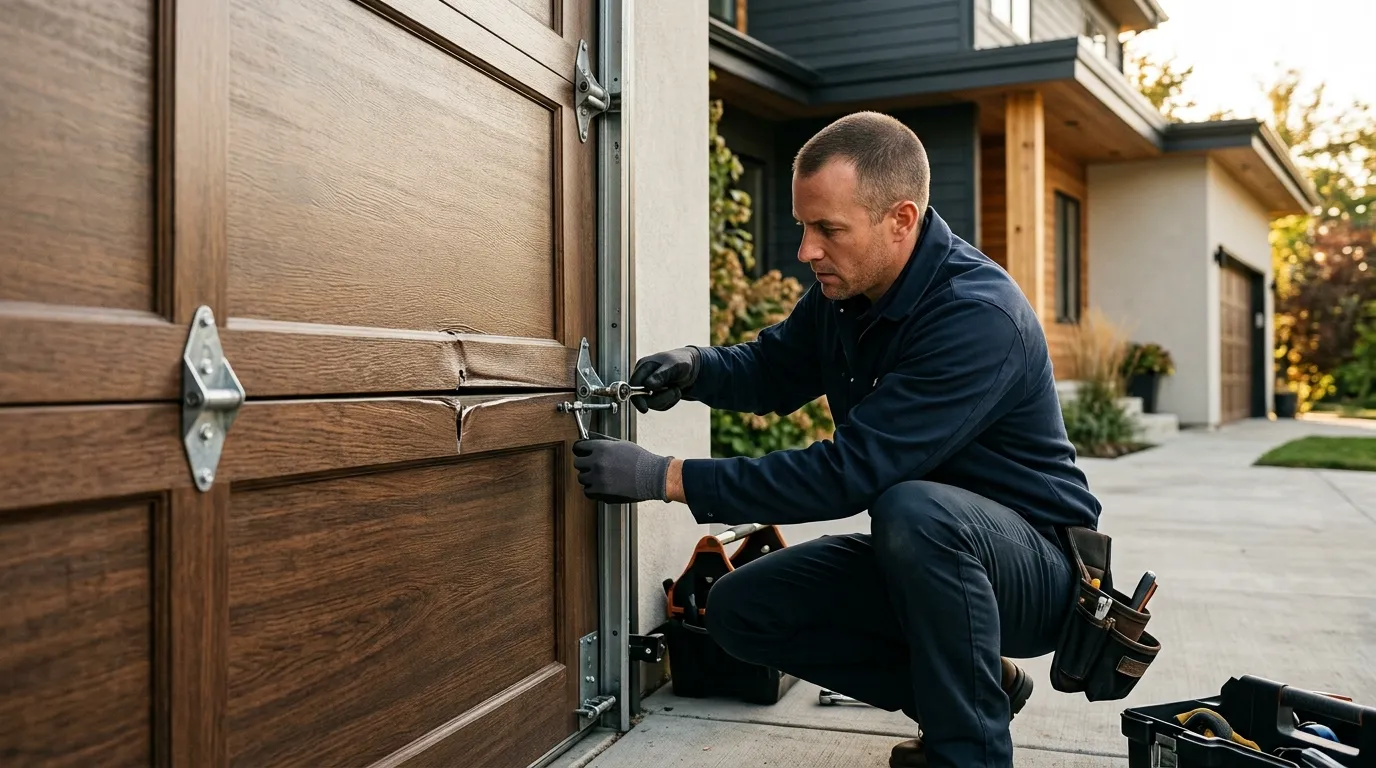
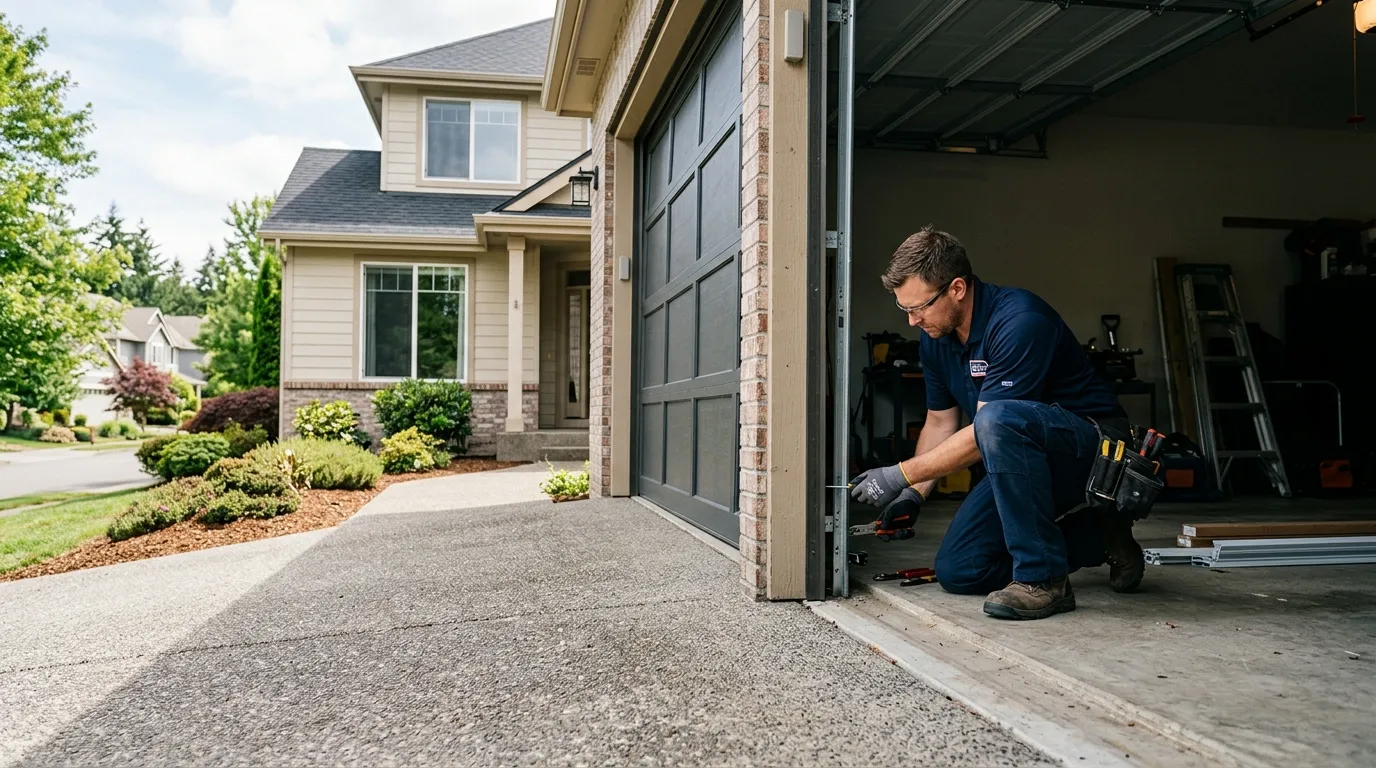
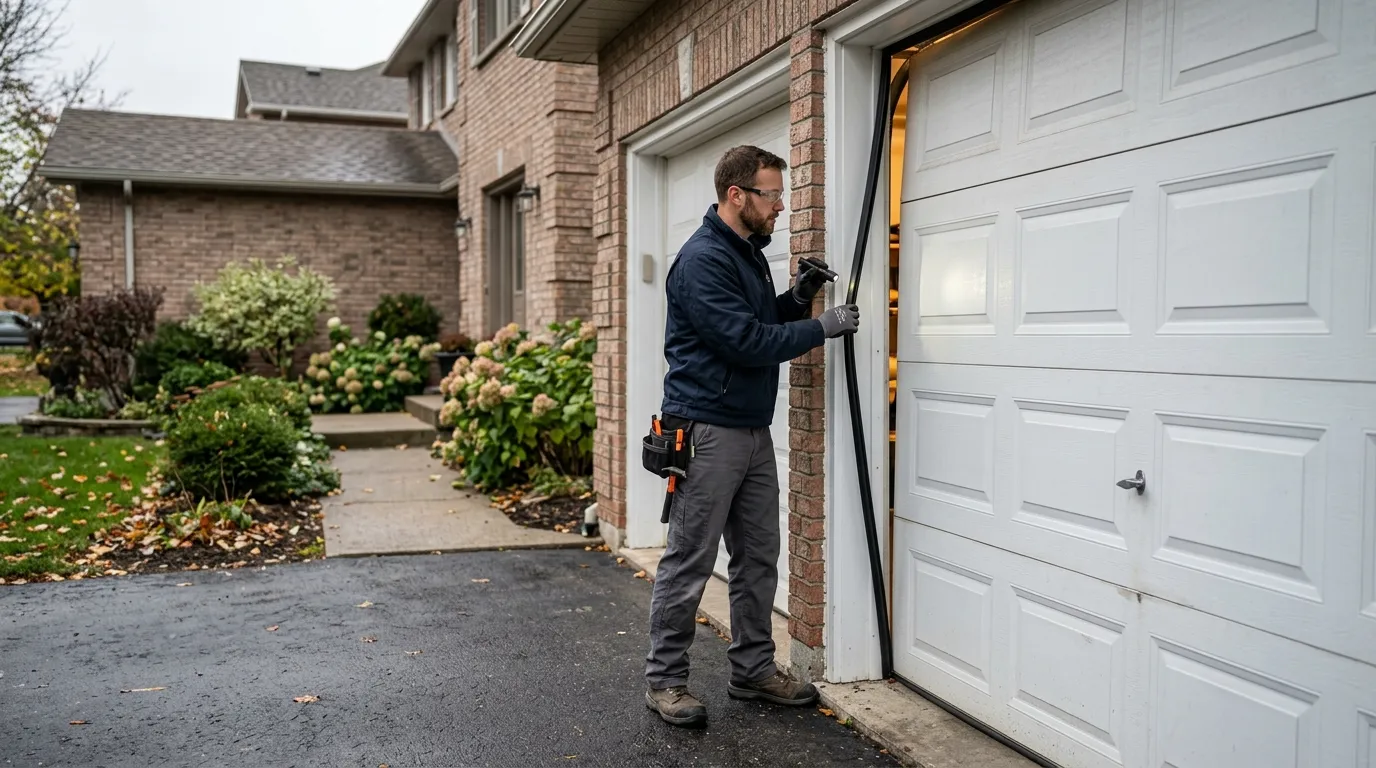
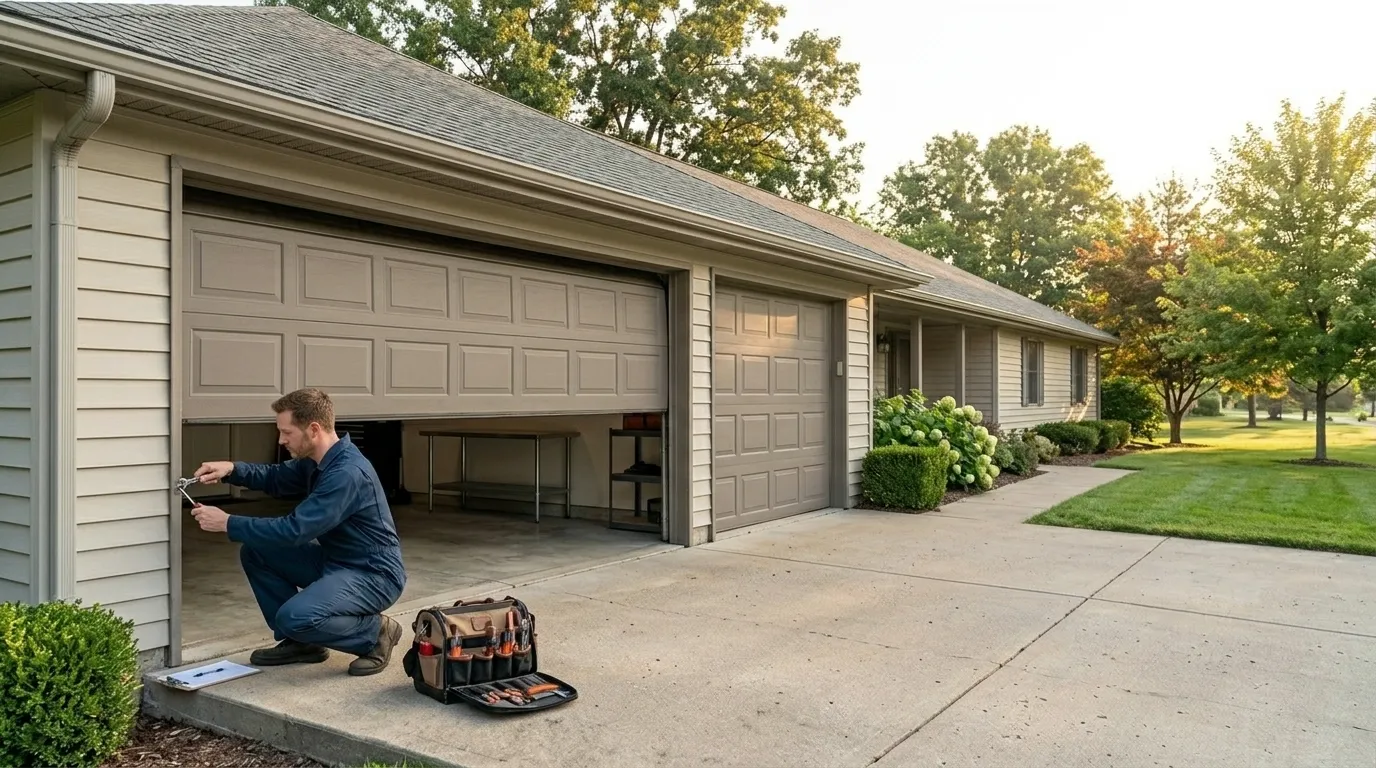
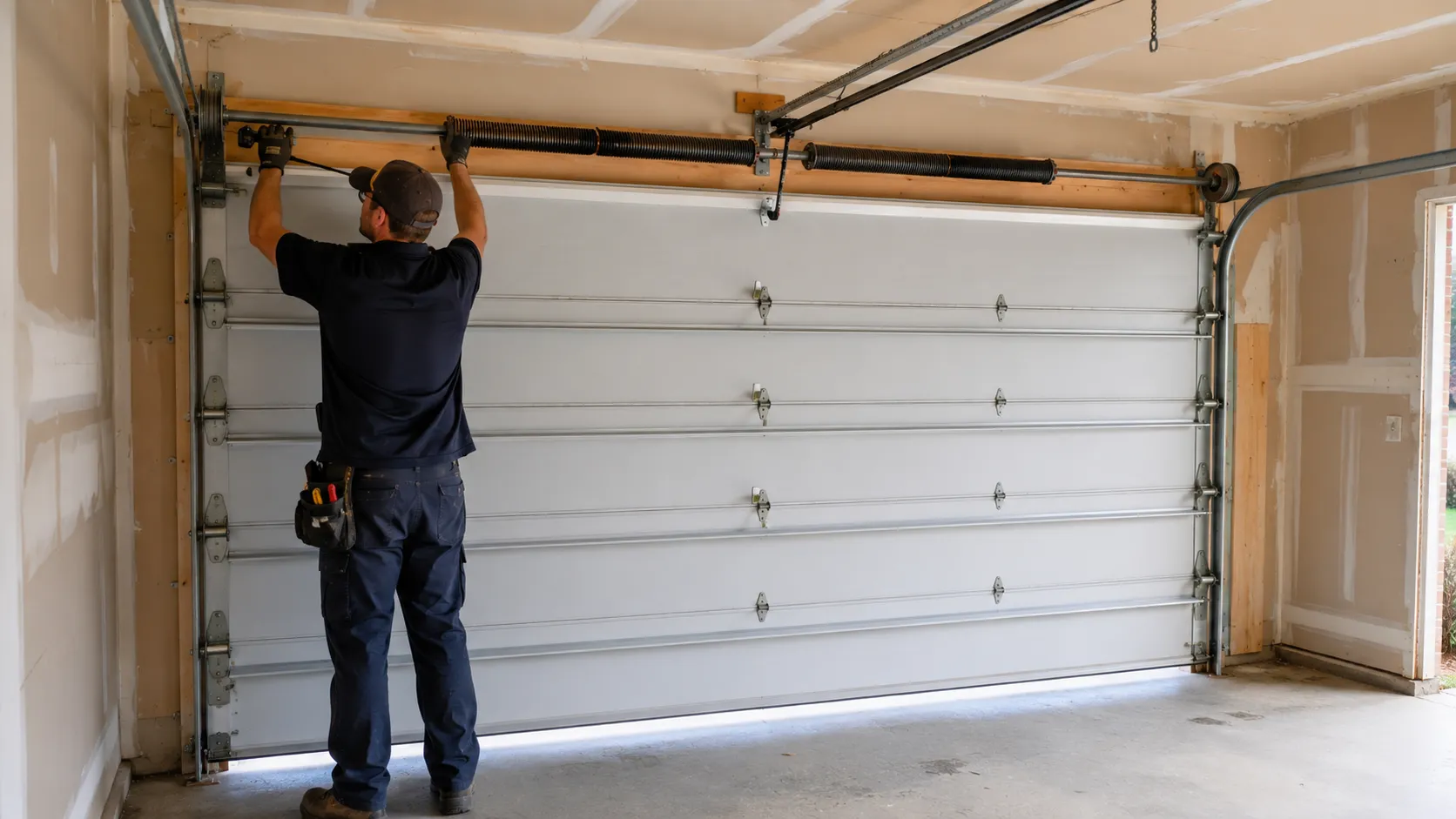
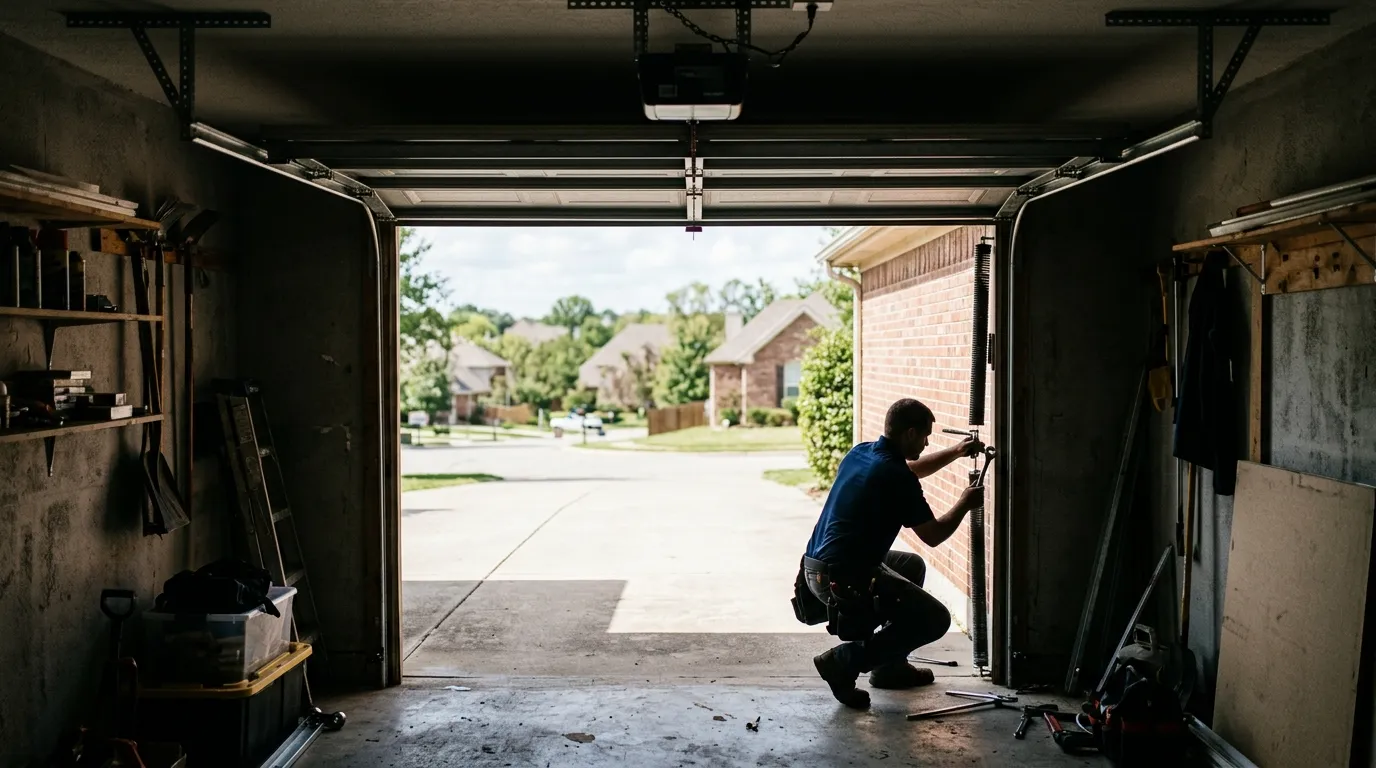
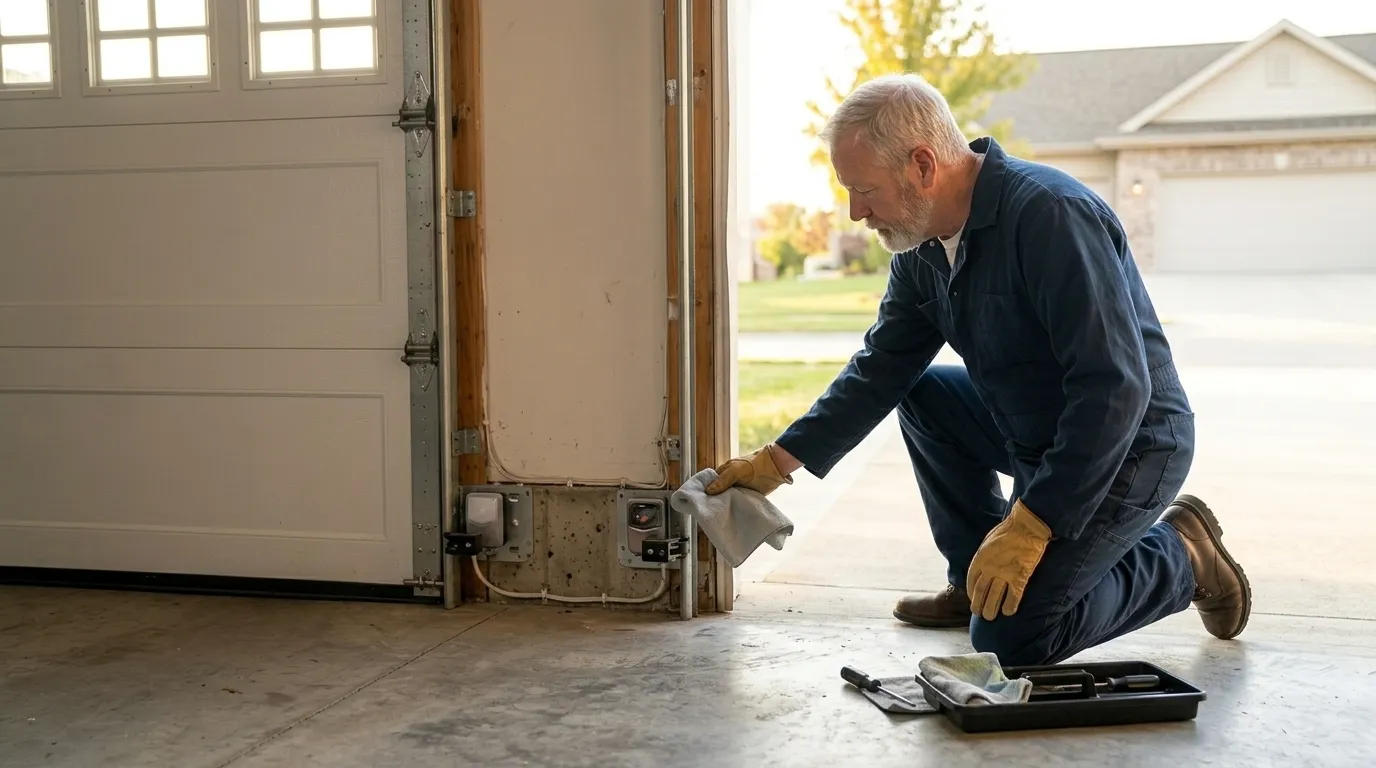
A roller swap itself is not a hard DIY job in the mechanical sense - you're removing a hinge bolt, sliding the old roller out, sliding the new one in. The part that trips people up is the track alignment on older doors, where decades of settling have left the rail slightly out of plumb. Get that wrong and the new rollers wear the same way the old ones did, just faster. We drive out from Lincolnwood, 9 miles away, and most of what we're called for here is a track that needs re-setting, not just rollers that need swapping.
The Cost of This Job
We don't have a price list to quote you here, and we won't invent one. What we can tell you is how the decision usually breaks in a town like this. With Glencoe's income level well above the service area median, the calculus tends to favor doing the job once and doing it completely - full roller set, new hinges where the metal is worn thin, track alignment checked - rather than replacing one or two rollers and coming back next year for the rest.
That's not a sales pitch, it's what the numbers on paper tend to support. A homeowner spending less time weighing a repair bill against a replacement bill is a homeowner who's more likely to ask us to just finish it. The honest limitation: if your door itself is failing - panels dented, seams separating - a roller job is money spent on a door that needs replacing anyway. We'll tell you that on-site rather than sell you rollers for a door on its way out.
What Can Go Wrong
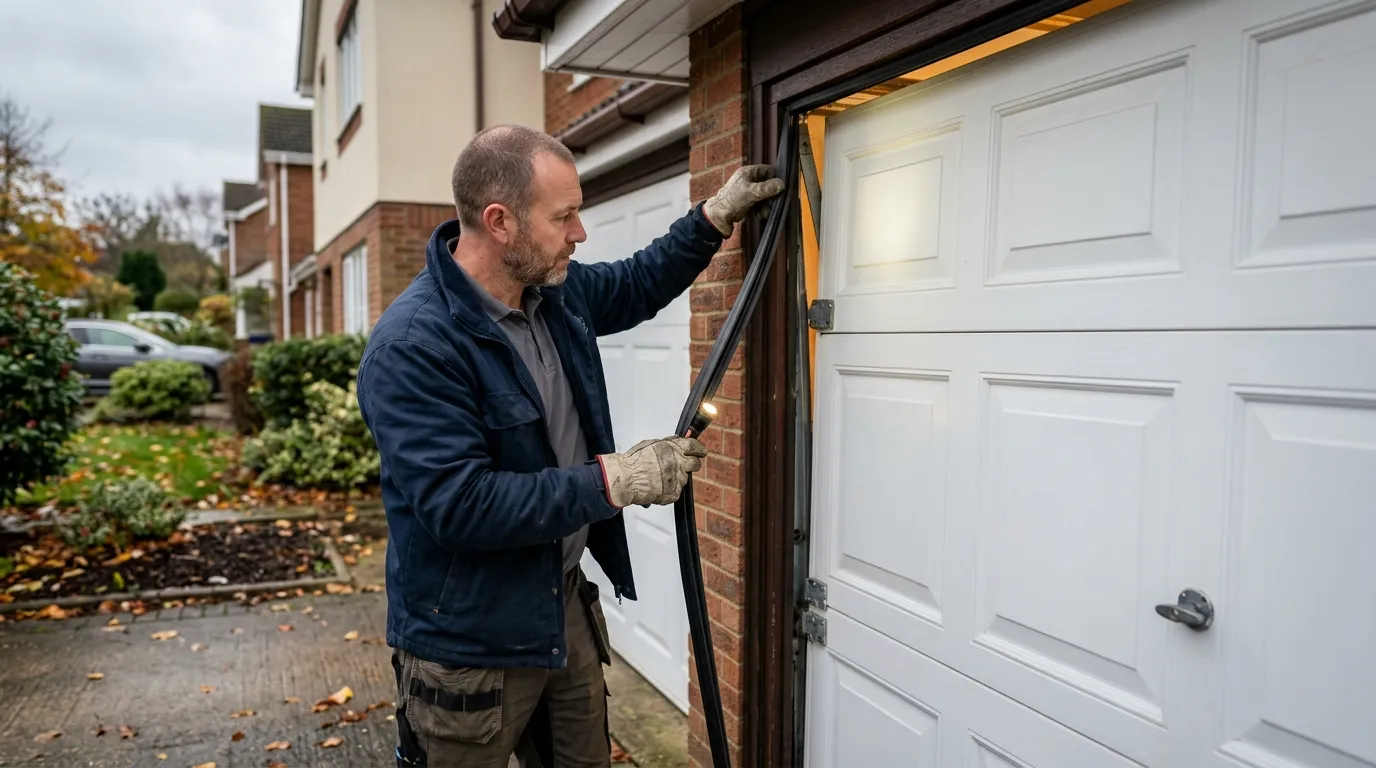
A worn roller doesn't fail on its own timeline - it drags other parts down with it. The stem wears the hinge hole it rides in, the hinge starts to wobble, and the wobble transfers load to the track in a spot the track wasn't built to take. Left long enough, that's a bent rail, and a bent rail is a bigger job than a roller swap.
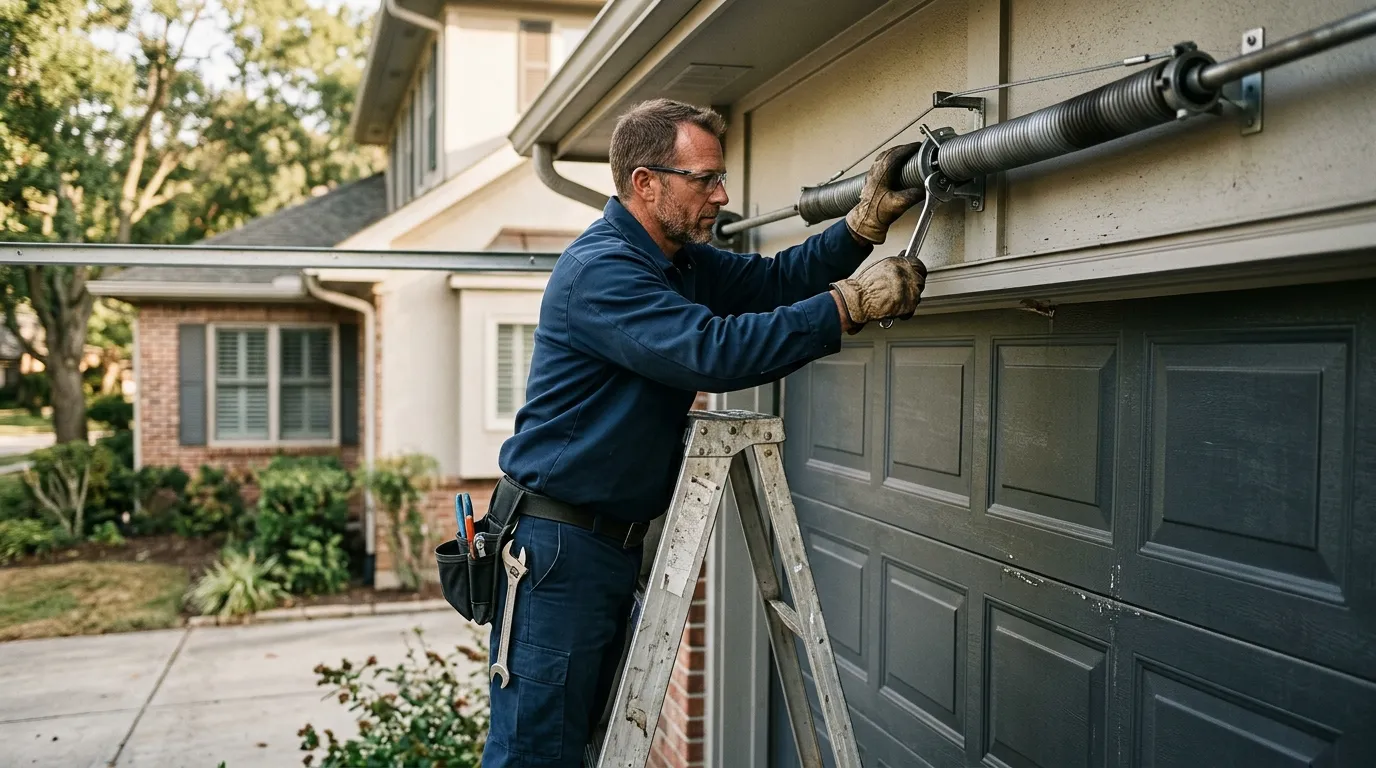
On double doors especially, one bad roller changes how the whole panel travels, which puts uneven pull on the torsion spring and cable on that side. We've seen a cable start to fray simply because a roller three feet away was letting the door twist slightly as it moved. None of that is dramatic until the day it is - a cable that lets go under spring tension is a hazard, not just an inconvenience.
Why This Fails Locally
This stretch of the North Shore sits in a cold-moderate climate band, and that matters more for rollers than most people assume. Steel rollers with plain bearings pick up condensation in the temperature swing between a heated garage and an unheated one, and that moisture works into the bearing over a winter or two. The freeze-thaw cycle doesn't crack the roller, it just grinds the bearing surface down a little faster each season.
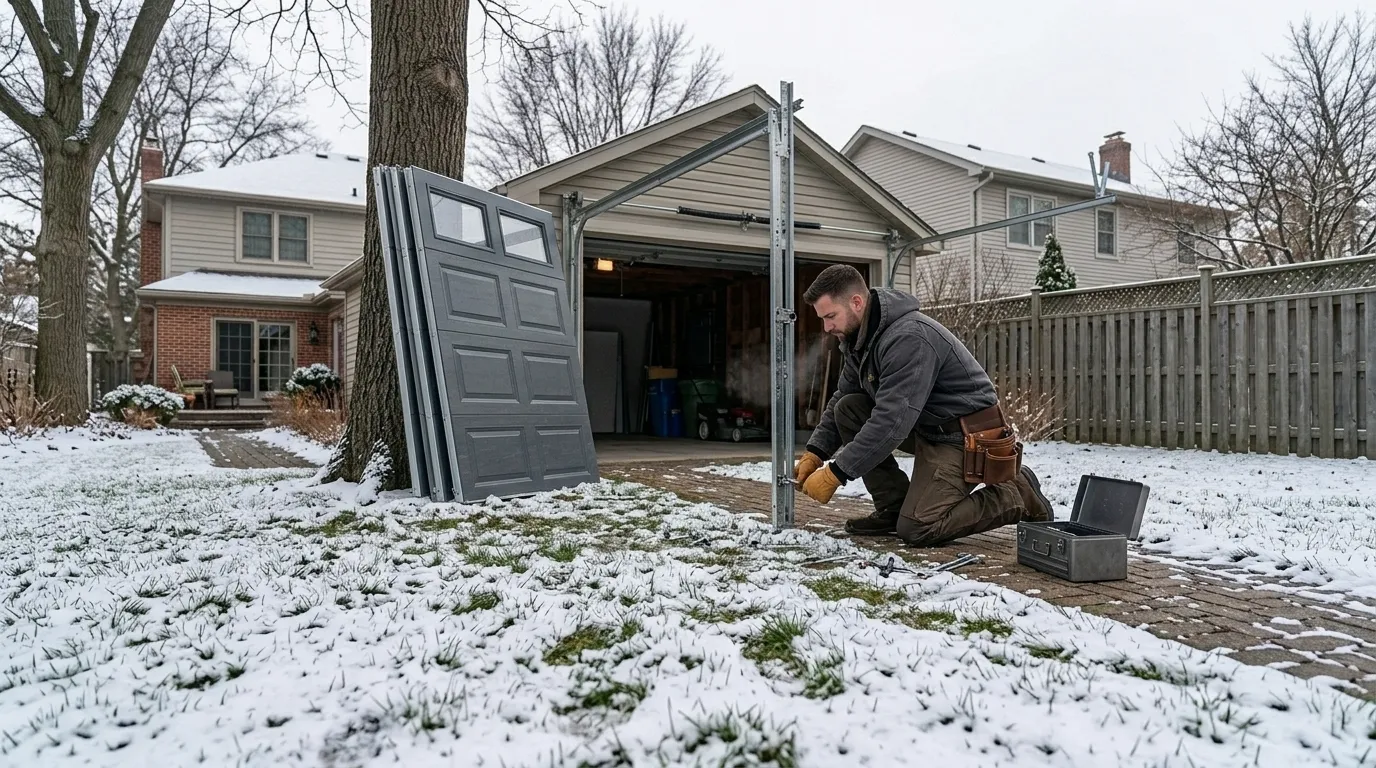
Combine that with 1955-era track hardware - narrower rail, tighter tolerances than what's manufactured now - and you get a roller that's not just worn but sized slightly off from anything you'd buy off a shelf today. That's the actual local failure: not a design flaw, just an old rail meeting a modern part that wasn't made to its dimensions. It's a small mismatch, but it's the one that keeps this specific job from being a five-minute swap.