How It Shows Up
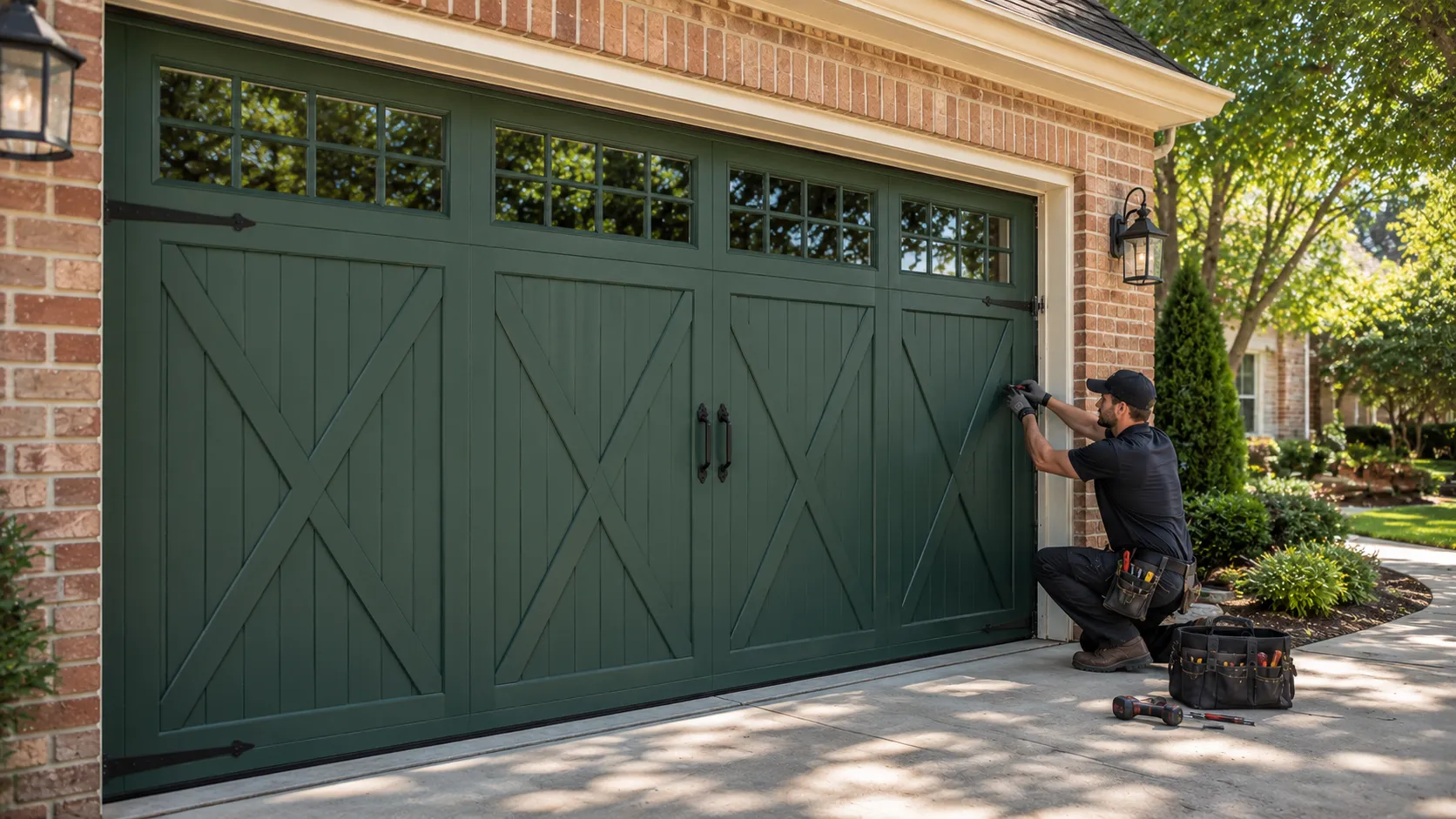
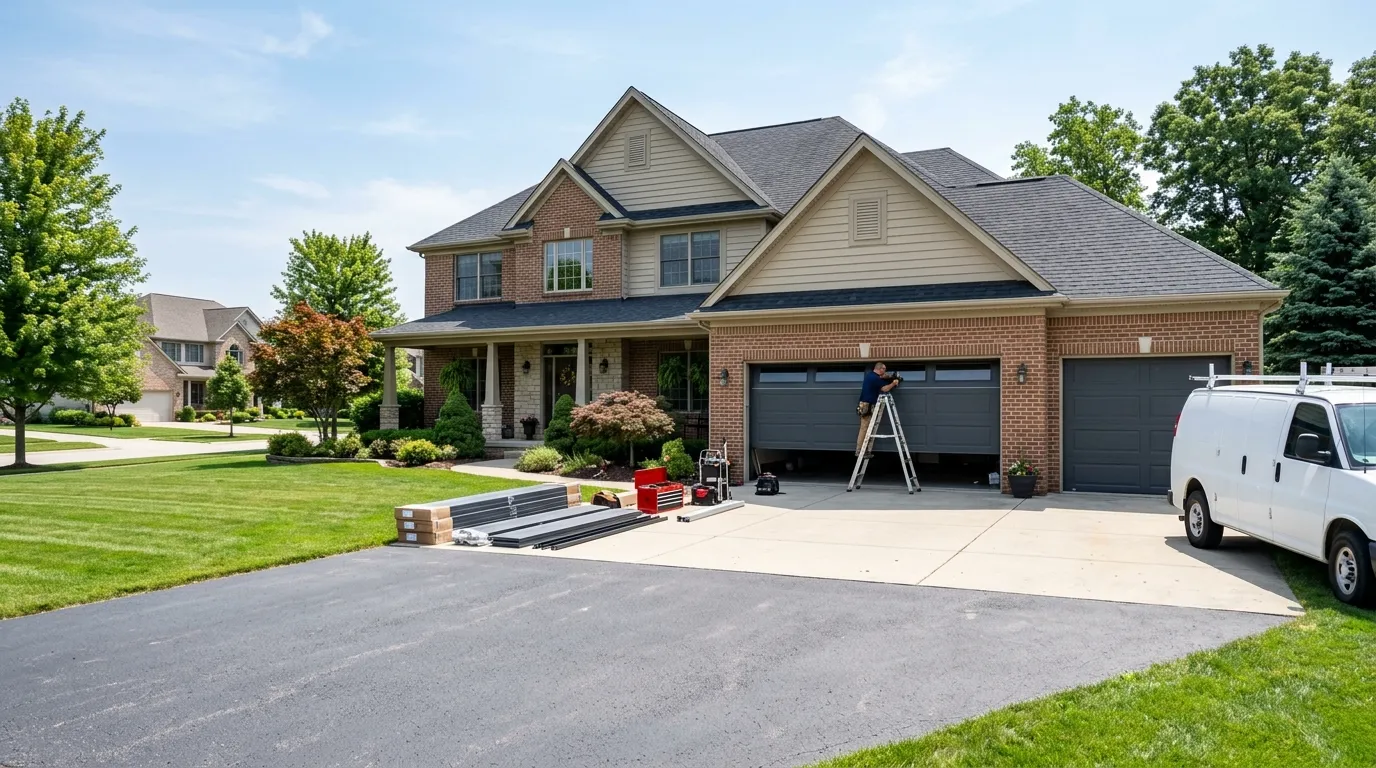
Winnetka sits about 7 miles from our shop in Lincolnwood, which means a spring call here isn't a quick hop across town - it's a real drive up the North Shore, and it changes how we plan the day. We don't stage a truck out here, so when a spring goes on a Tuesday afternoon, we're loading for it specifically, not swinging by on the way to something else.
That drive matters because of what's waiting at the other end. Winnetka's housing stock runs back to a median year built of 1938, which puts a lot of these garages a full generation ahead of the 1961 median across our wider service area. Older openings often mean heavier doors - solid wood or early steel panels - sized for spring specs that don't match what's on a typical 1960s rebuild kit. A torsion spring wound for a lighter door works loose faster under a heavier one, and that's the failure we see more often on this side of the area than closer in.
Cold winters put extra load on any spring, but on these older doors the steel has usually already done more cycles than it was built for. By the time a homeowner hears the bang, the spring has usually been fraying for weeks.
Booking a Visit
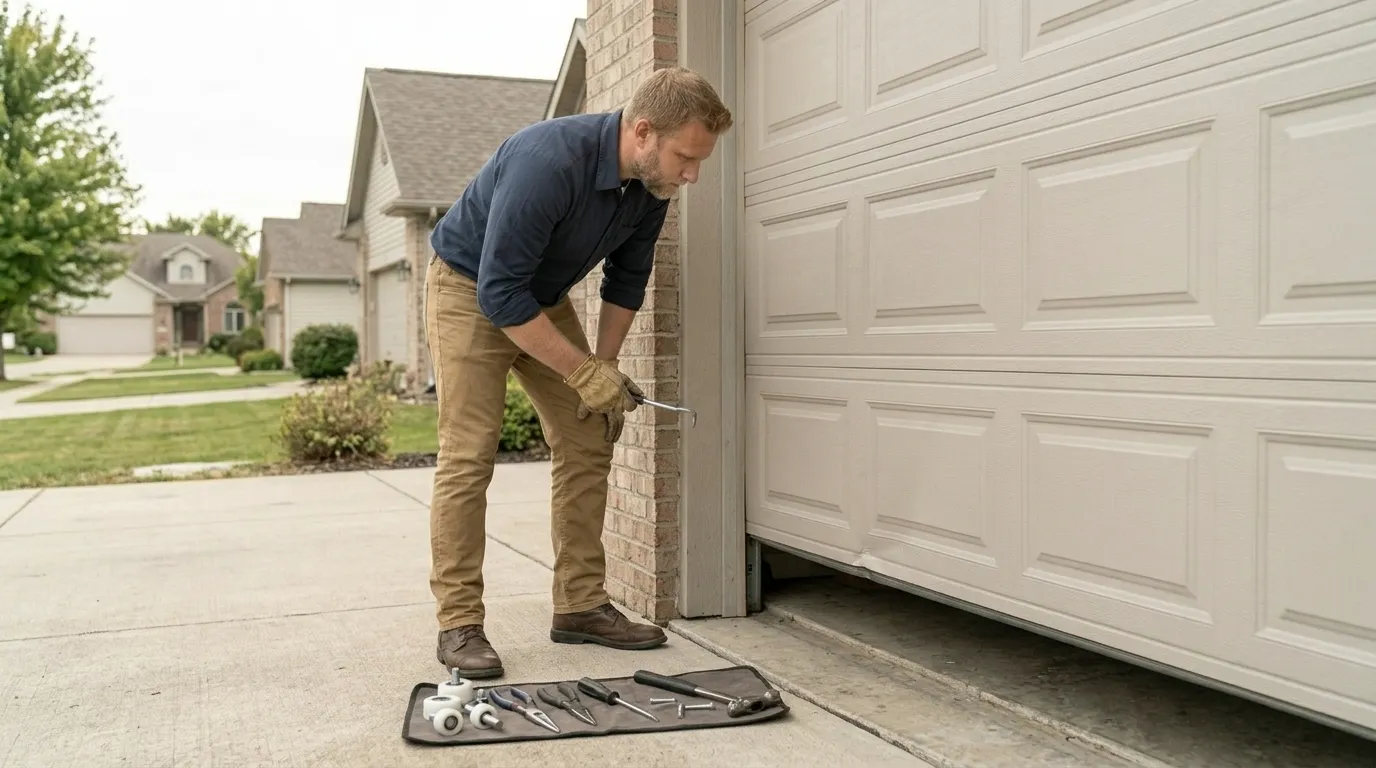
Because we're coming from Lincolnwood, we ask a few more questions on the phone for a Winnetka call than we would for something five minutes from the shop - door height, whether it's one spring or two, torsion or extension, and roughly how old the door looks. That lets us load the right spring size before we leave rather than guessing and driving back.
We don't quote a fixed arrival window for Winnetka the way we might for towns closer to Lincolnwood, since the trip itself is longer and traffic on the drive up varies. What we can tell you: median household income in Winnetka runs well above the wider area's $99,861 figure, and higher-end original doors here tend to be custom-width or custom-height, which is another reason we ask for measurements up front instead of showing up and hoping a stock spring fits.
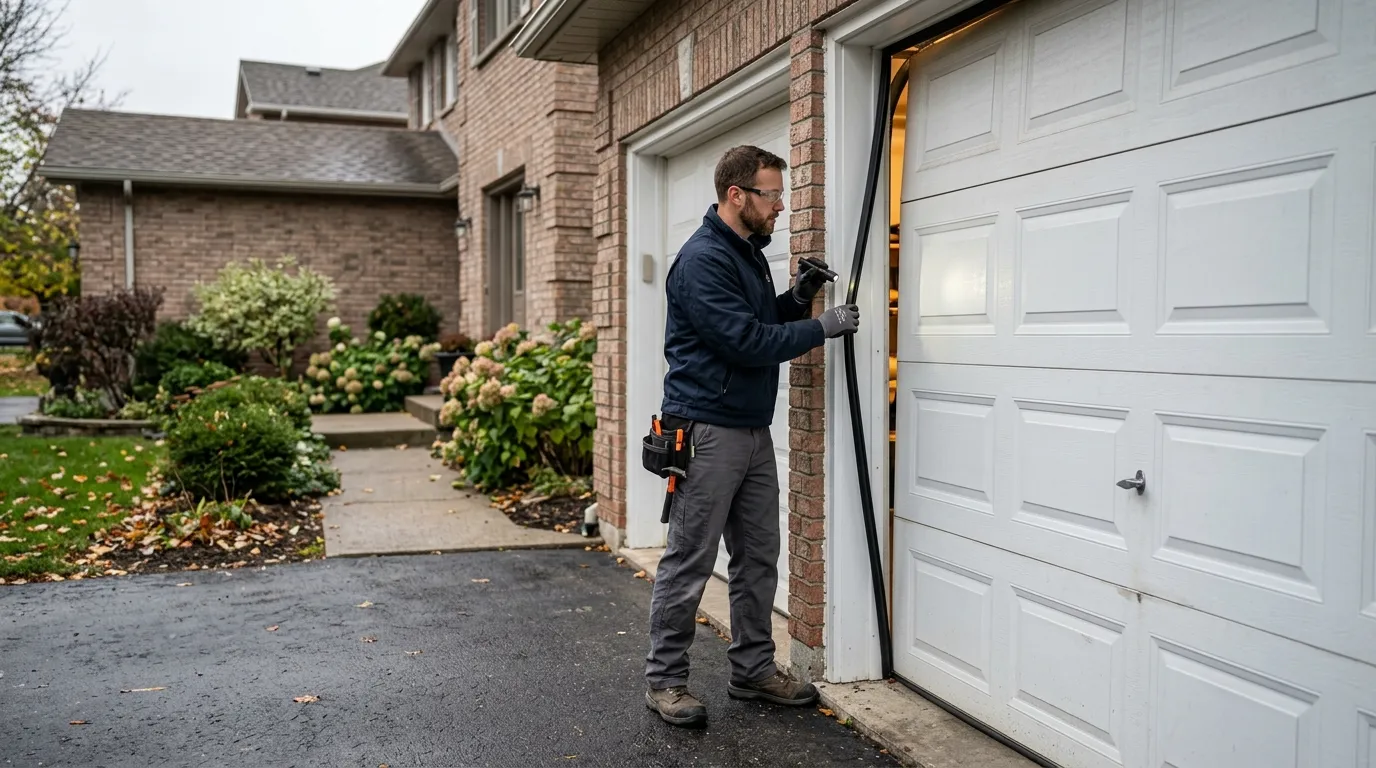
If your opener is still trying to lift the door on a broken spring, shut it off at the wall before we arrive. That alone prevents most of the secondary damage - stripped gears, bent track - that turns a spring call into a bigger bill.
What Can Go Wrong
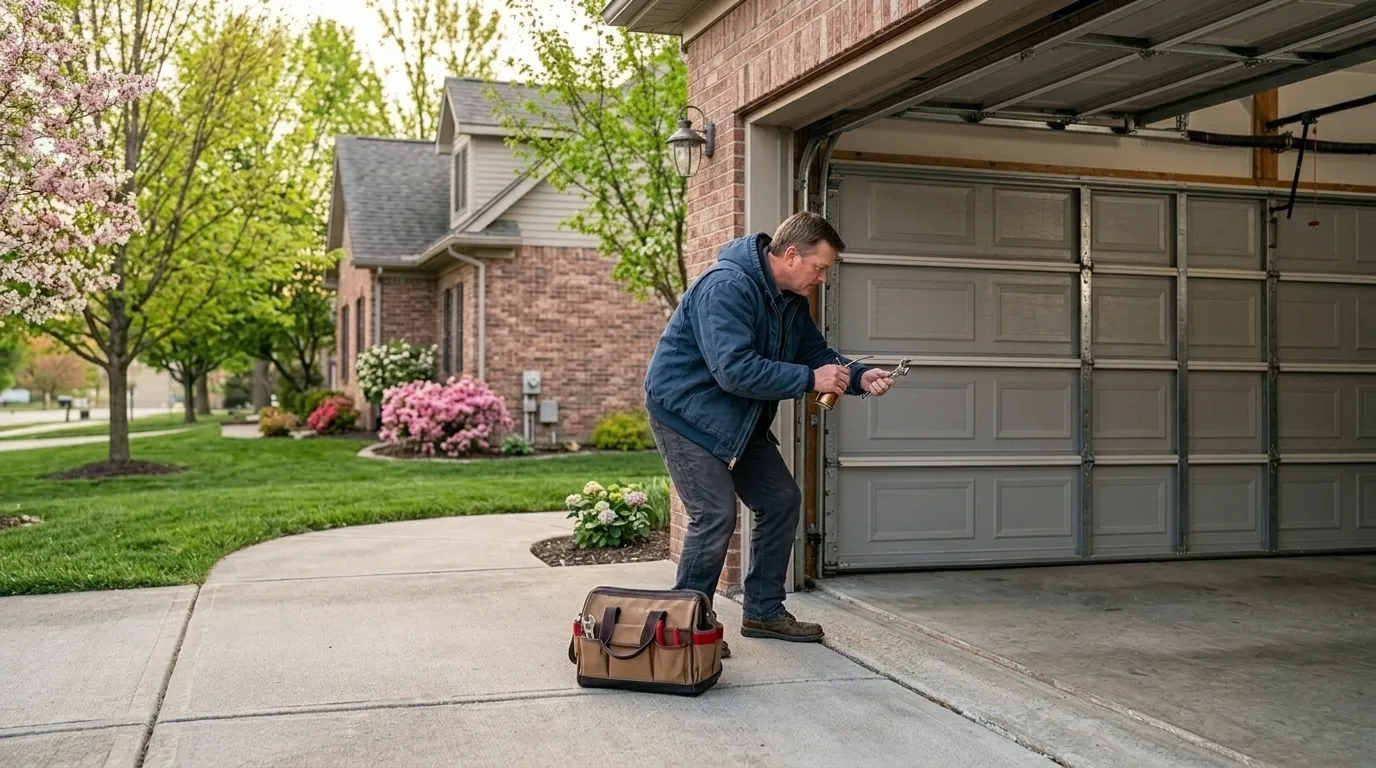
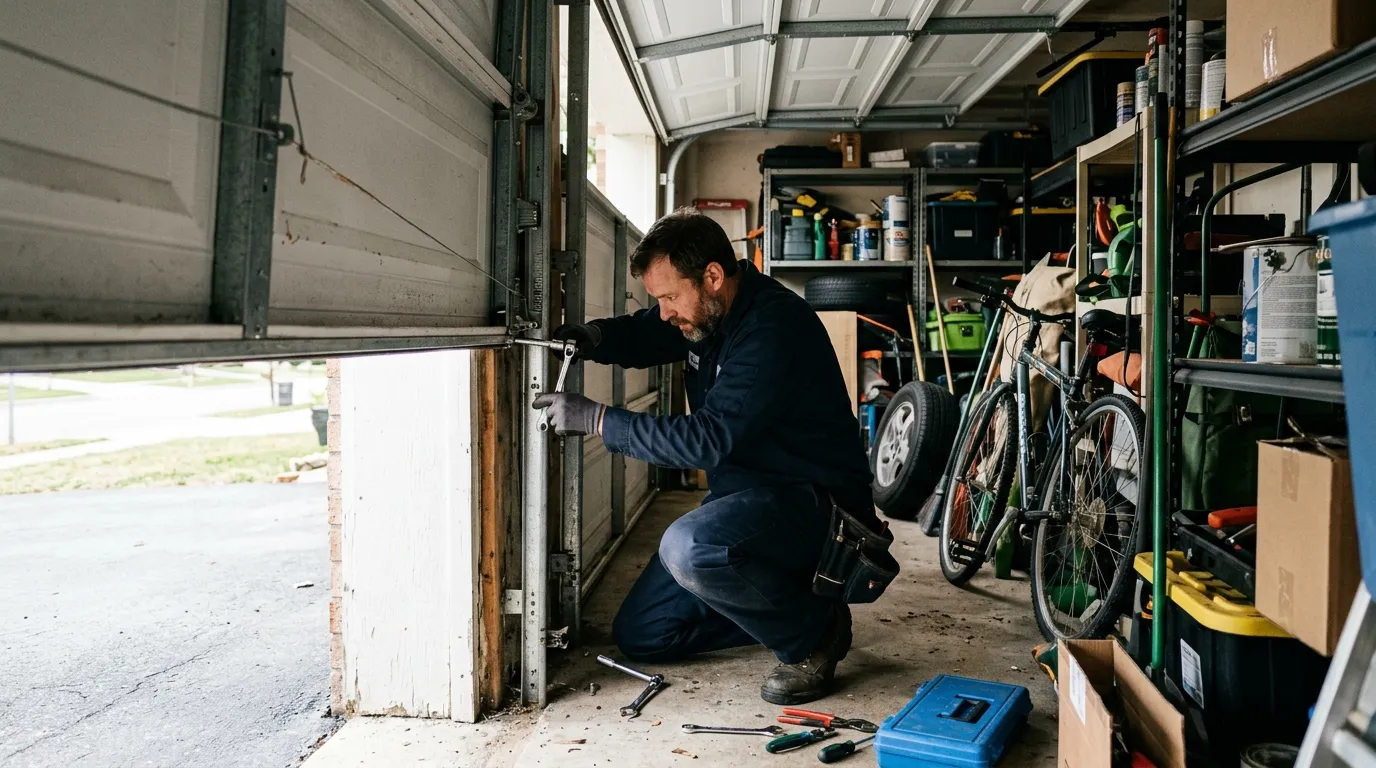
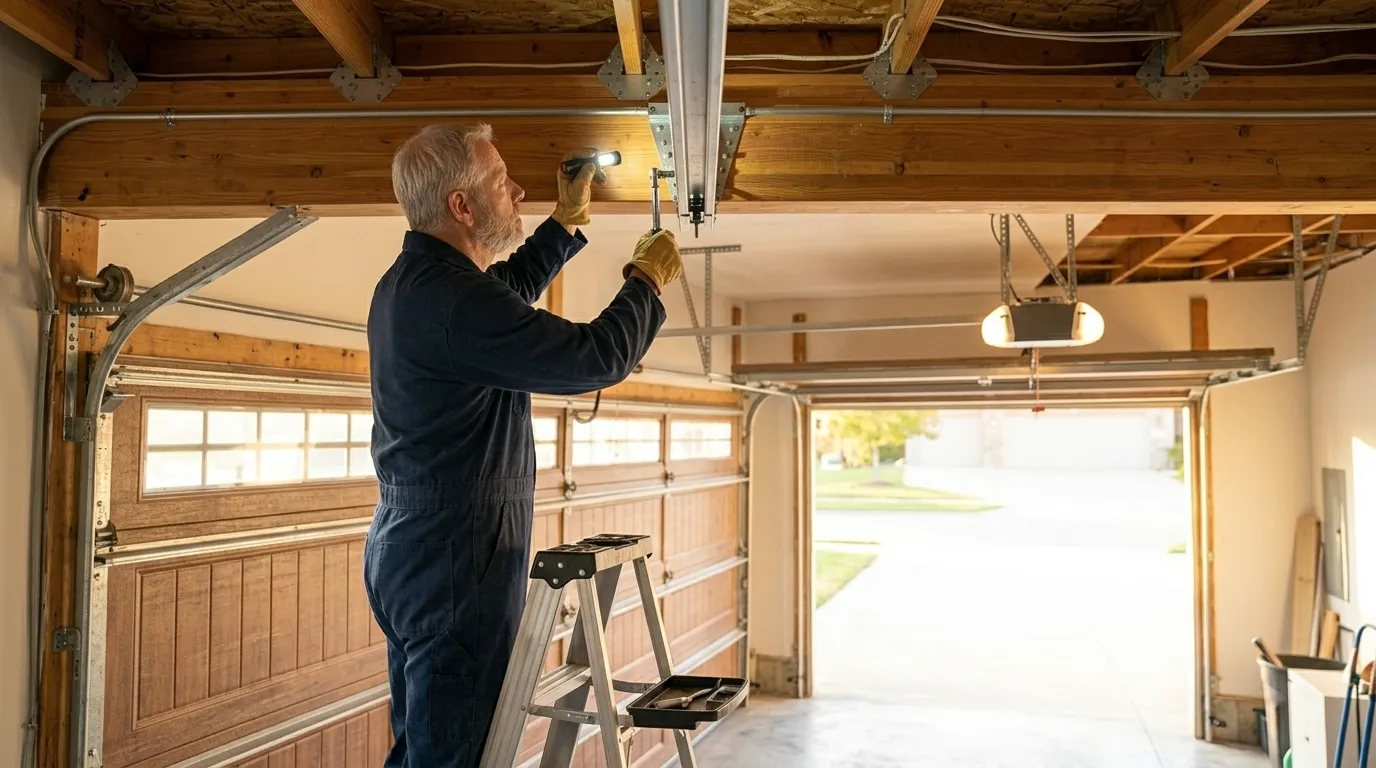
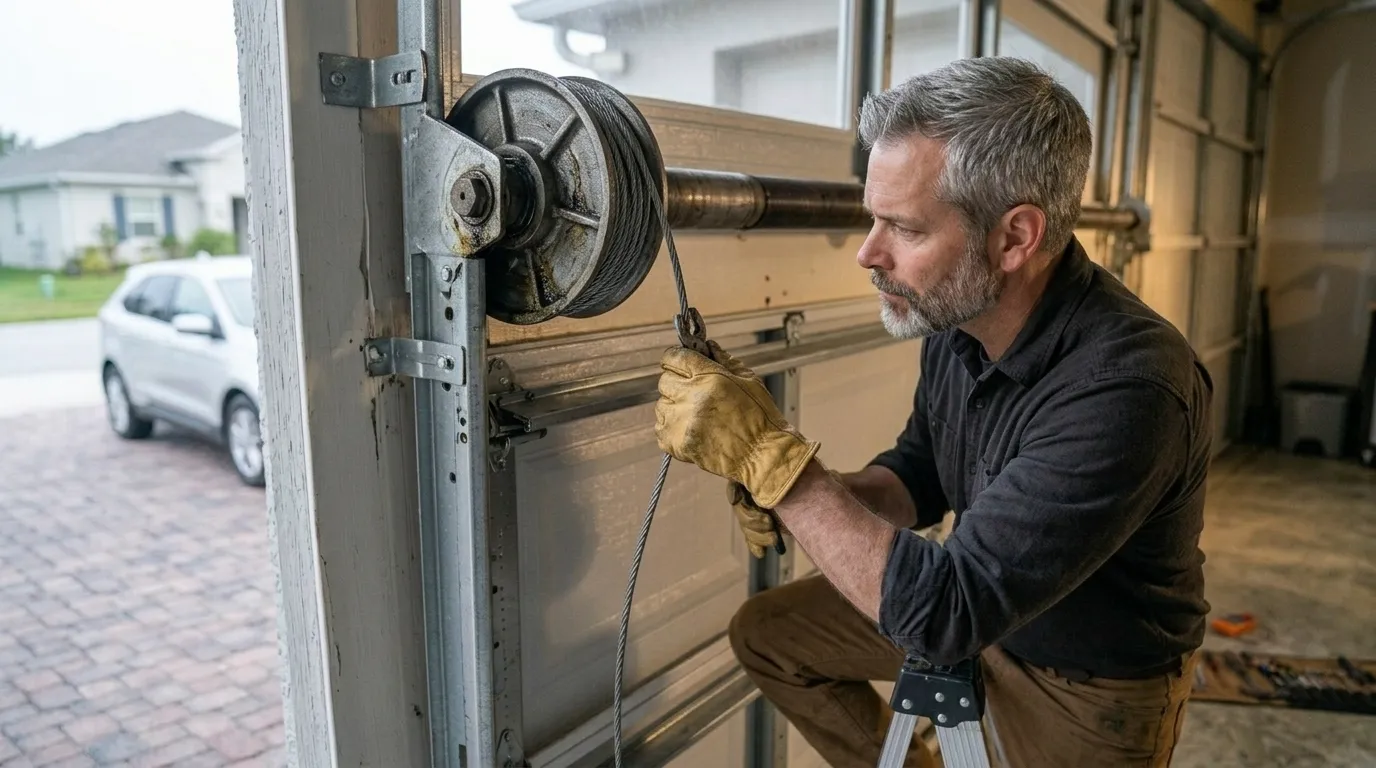
On a door built before 1940, the spring isn't usually the only thing straining. The cold winters this area sees put real stress on hardware that's had eight decades of expansion and contraction, and a spring that snaps on an older door often takes a worn cable or a cracked bearing plate down with it. We check both when we're out, not just the spring, because replacing one and leaving the other means a second call.
We won't tell you a repair makes sense if it doesn't. On some of the oldest doors in Winnetka, the track and hinges have worn enough that a new spring on old hardware just shifts the failure point somewhere else within a season. In those cases we'll say so plainly rather than sell a spring that's going to strand the door again by spring thaw.