How It Shows Up
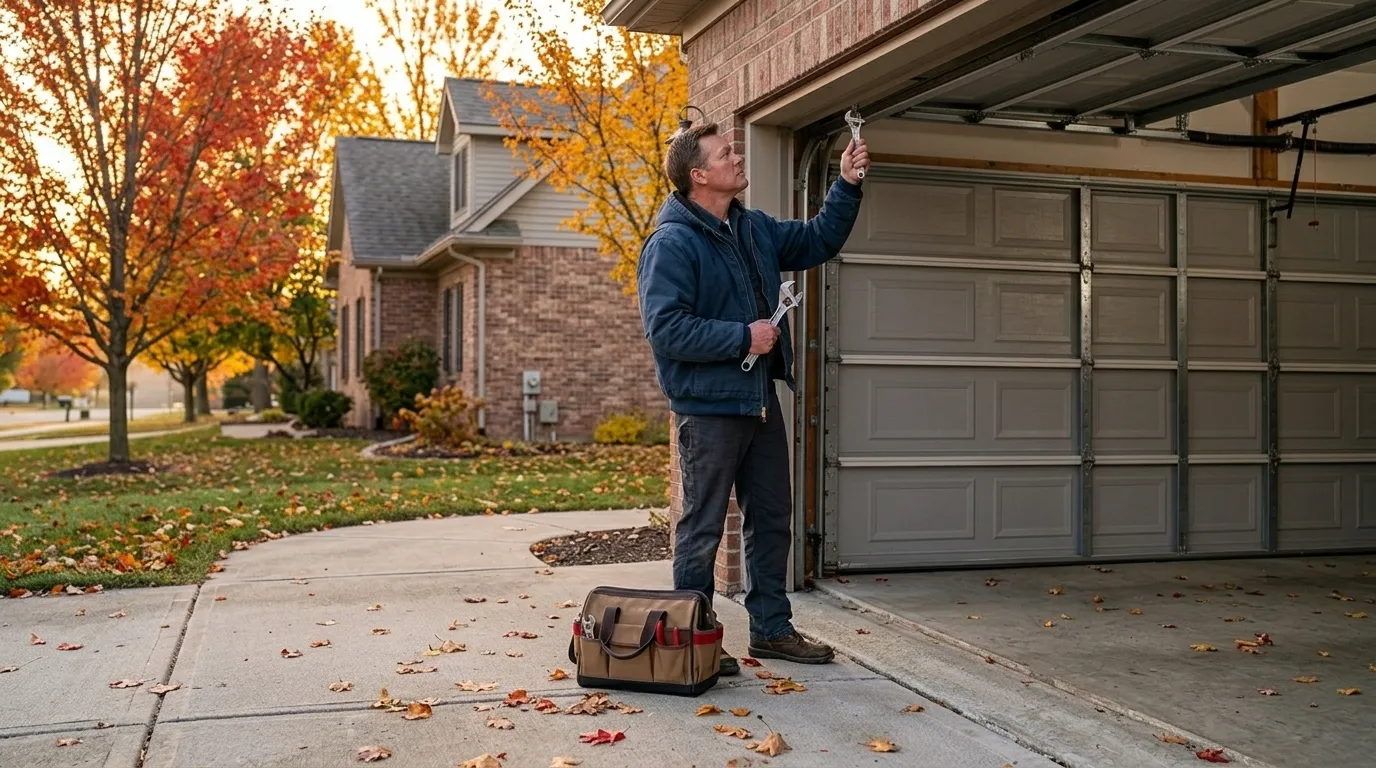
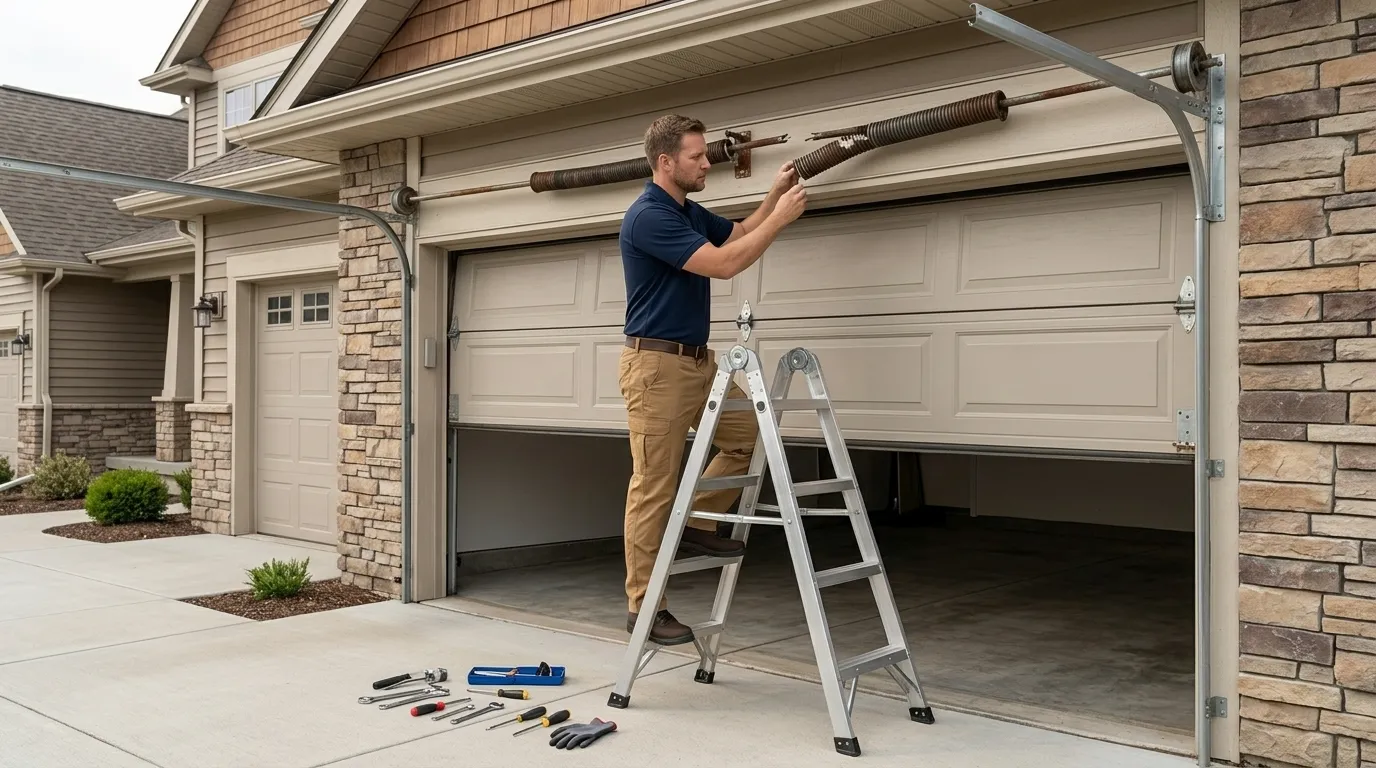
Start with the number that actually matters here: median household income in Winnetka sits at $250,001, well above the $99,861 median across the rest of the territory we cover. That gap changes a decision homeowners elsewhere put off. When a torsion spring goes on a door that's pushing sixty or seventy years old, a lot of houses stay in repair mode because the numbers are close. In Winnetka the calculus tips faster toward replacement, because a new door with modern hardware pays for itself in fewer callbacks and the household budget rarely forces a patch job as the only option.
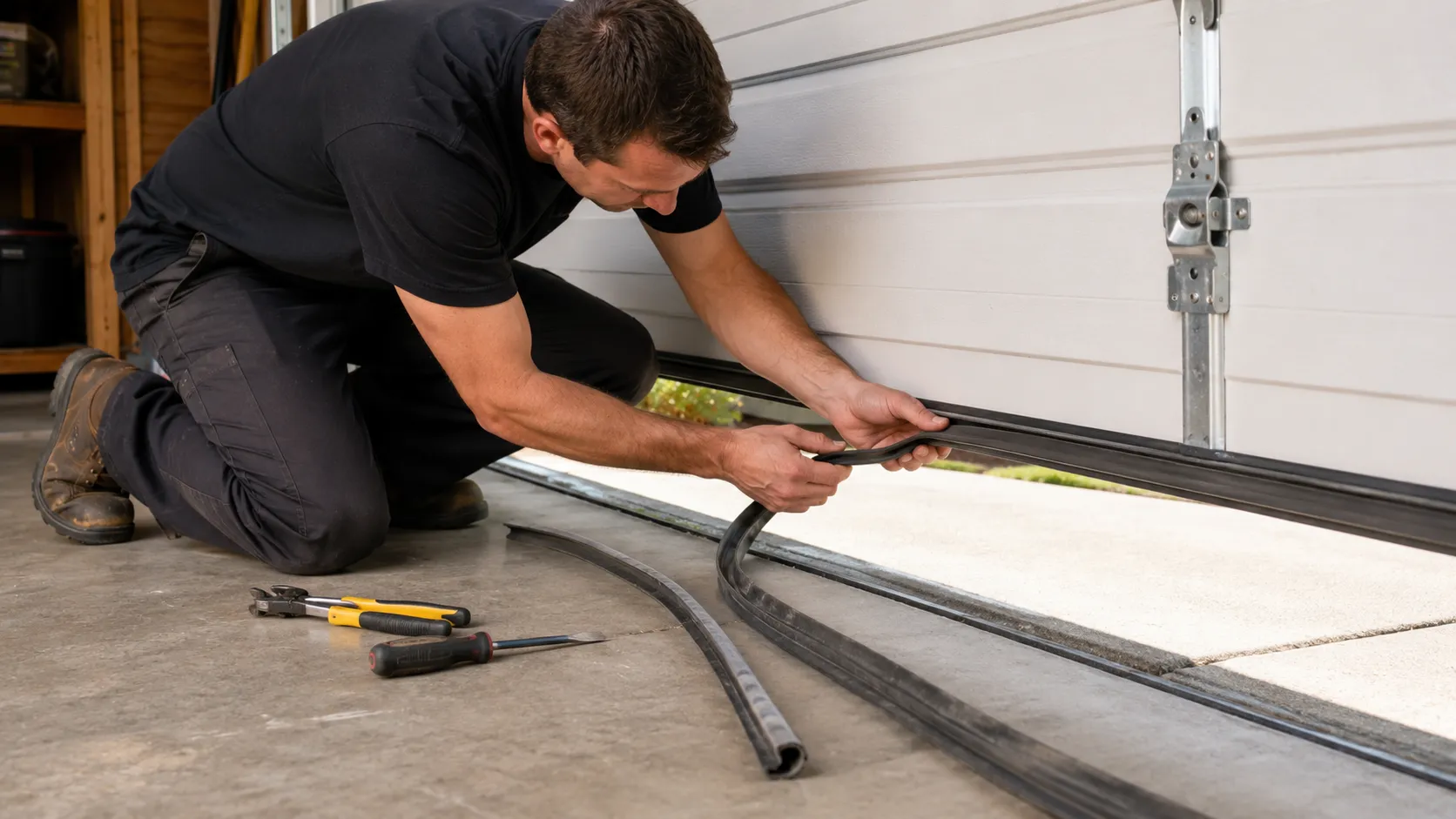
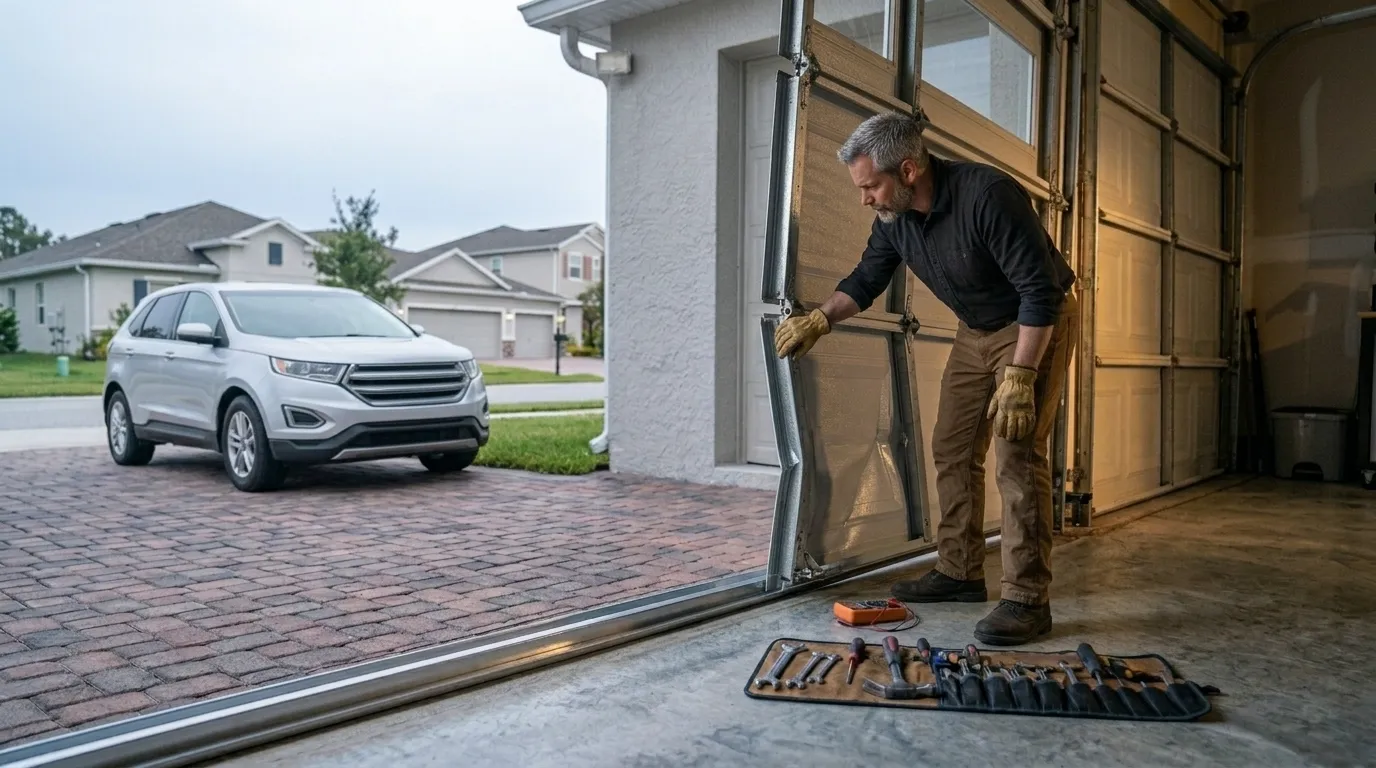
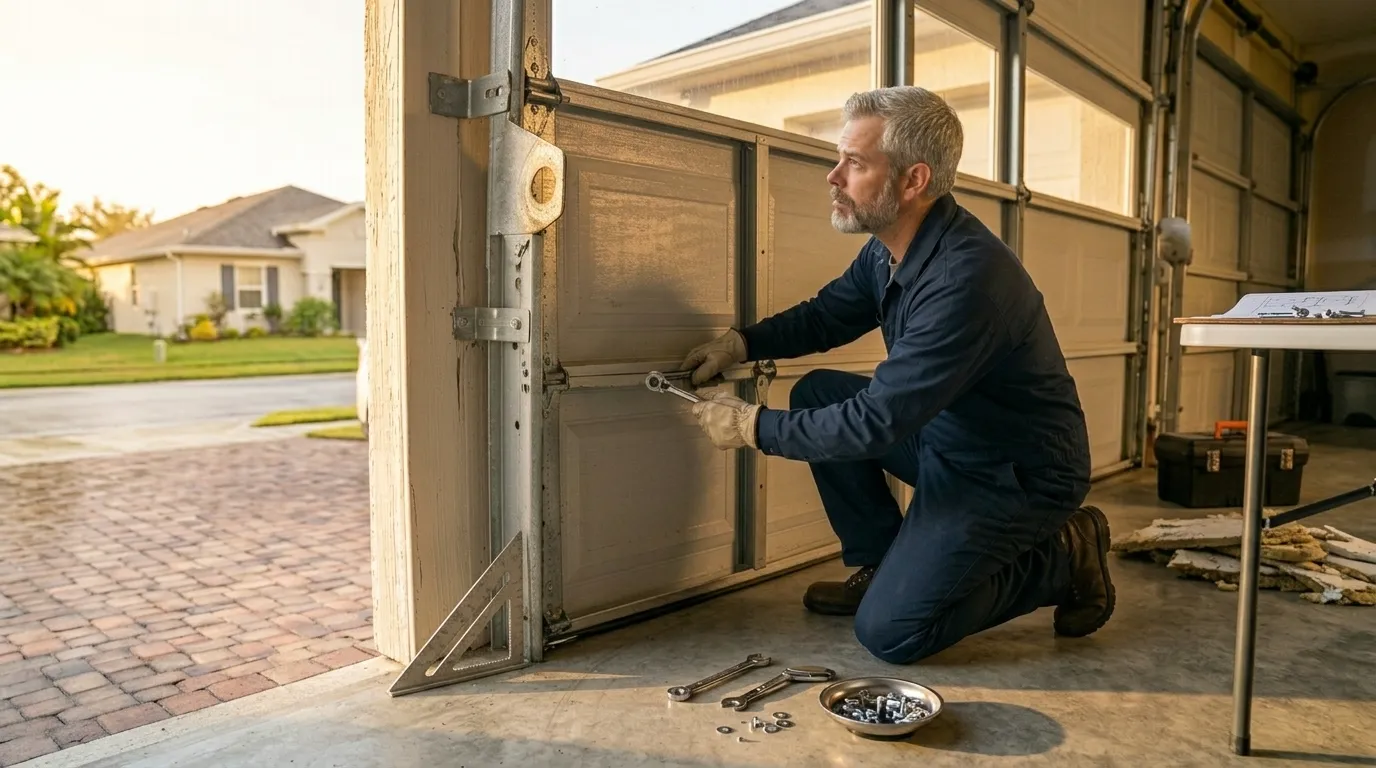
The housing stock backs this up. Winnetka's median year built is 1938, a good two decades older than the 1961 median across the wider area we serve. That means original garage openings sized for narrower cars, hardware mounted before current spring standards existed, and in some cases wood jambs that don't take a modern weatherstrip retrofit cleanly. A call here is as likely to start with 'what do we do with this whole door' as 'can you fix the spring.'
Booking a Visit
There's no branch in Winnetka. The truck comes from Lincolnwood, about 7 miles away, the same distance separating a number of the towns on our route sheet. We don't quote a response window for this specific address because we're not staged in town, and saying otherwise would be a promise we can't back with a truck sitting nearby.
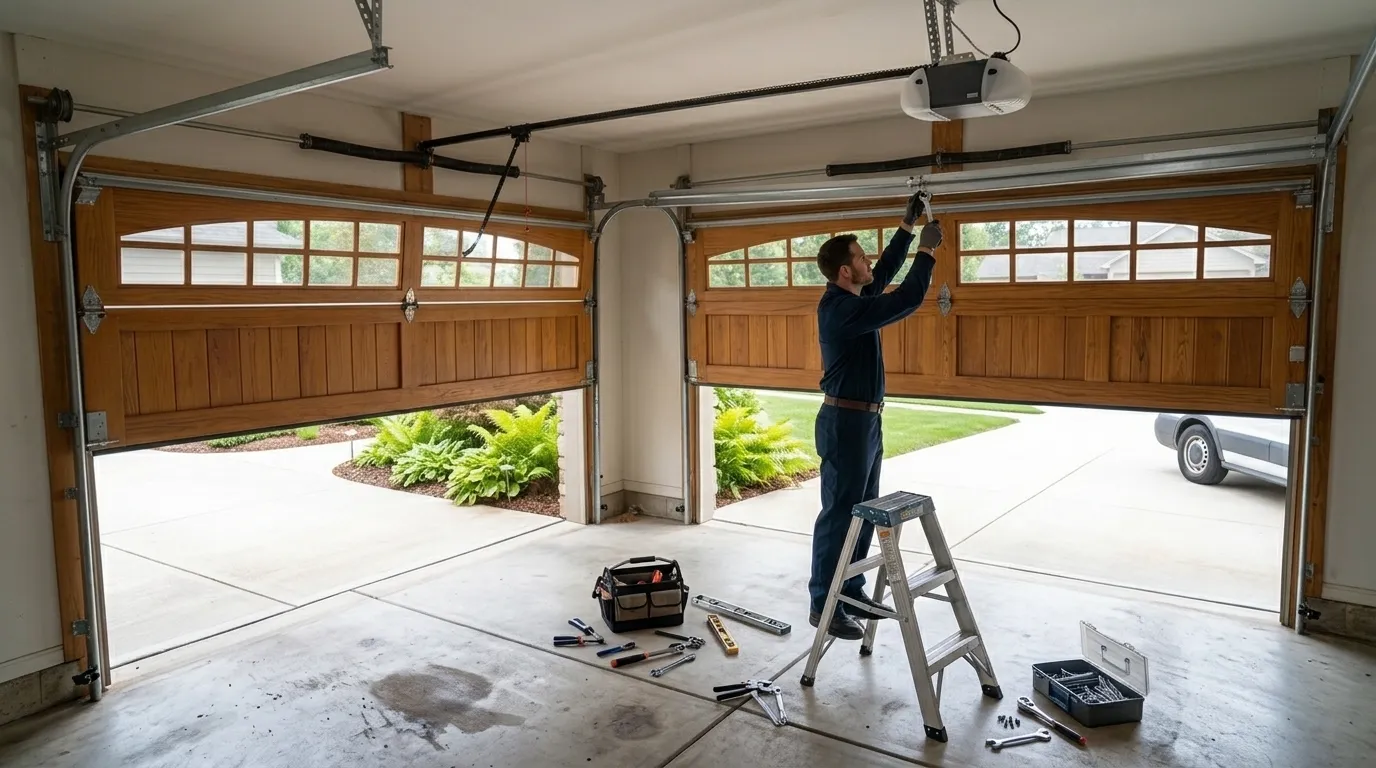
What we can tell you is what to have ready before the truck leaves the yard: the door's approximate age (if it matches the neighborhood's 1938 median build year, hardware questions come up fast), whether the opener is original or already replaced, and whether the issue is intermittent or dead-stopped. With only 4,268 households in Winnetka compared to over 104,000 across the full service area, we're not running back and forth all day - a clear description up front means the visit gets used on diagnosis and work, not on figuring out what we're looking at.
What Can Go Wrong
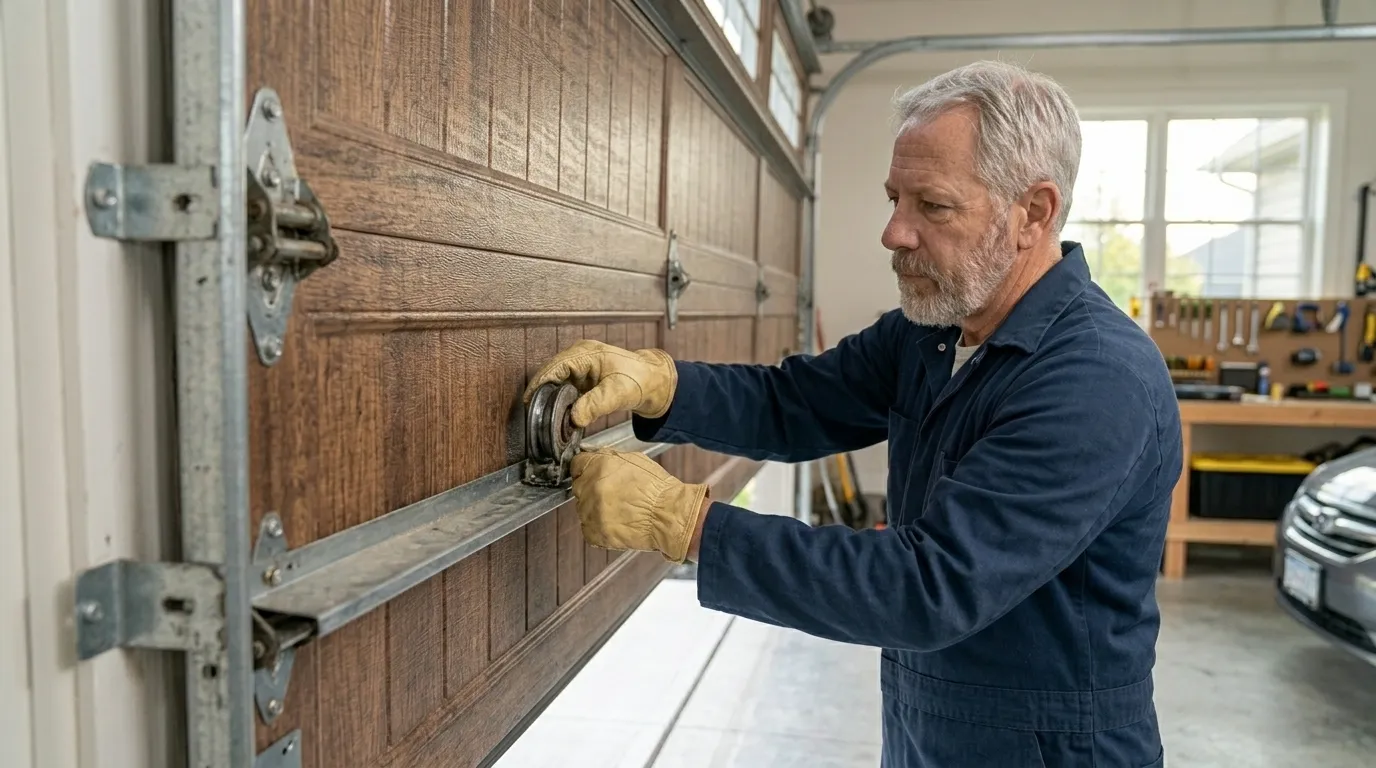
This is a cold, moderate climate area, and that shows up in specific ways rather than vague ones. Steel torsion springs lose tension faster through repeated freeze-thaw cycling, and on doors that have carried the same spring since well before anyone was tracking maintenance intervals, that shows up as a sudden snap rather than a gradual slowdown. Nylon rollers on older track get brittle in cold and crack rather than wear smooth, which is a different failure than the grinding sound most people expect.
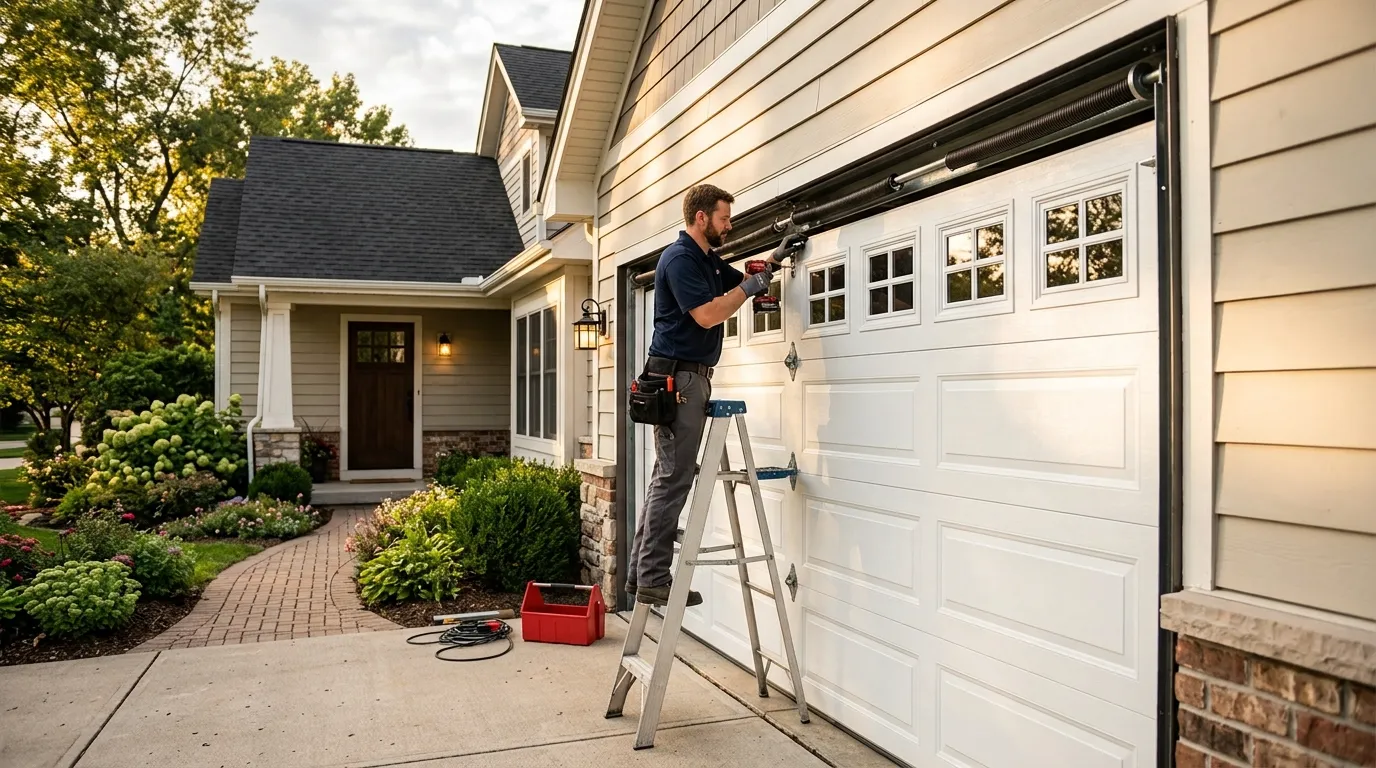
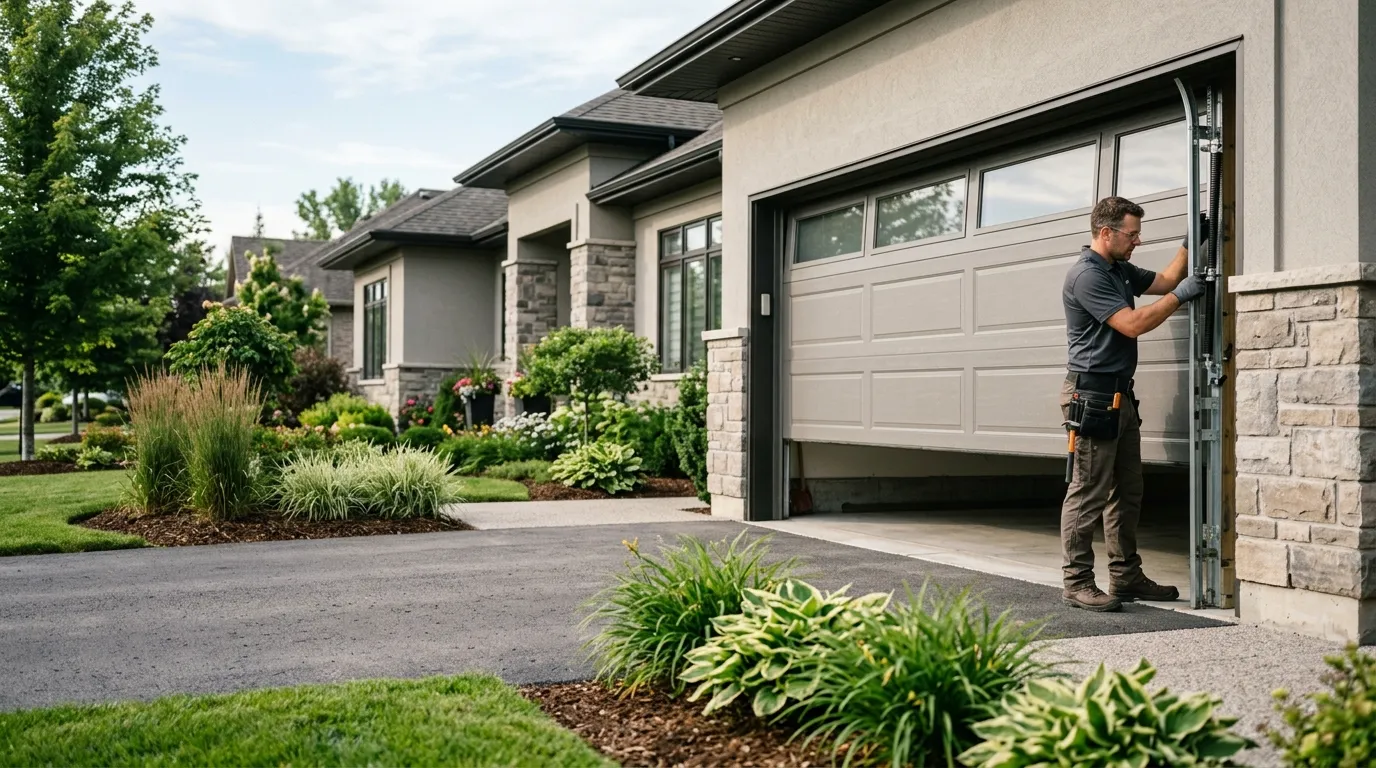
On a house with a 1938 median-era build, the other thing we watch for is a track that was shimmed or reset once already, sometimes decades back, in a way that doesn't match current alignment standards. It works fine until a spring or cable lets go and the whole assembly shifts. None of this means the door is doomed - most of it is a normal-wear conversation, not an emergency one - but it does mean a straightforward-sounding call sometimes turns into a longer look at the whole opening.