How It Shows Up
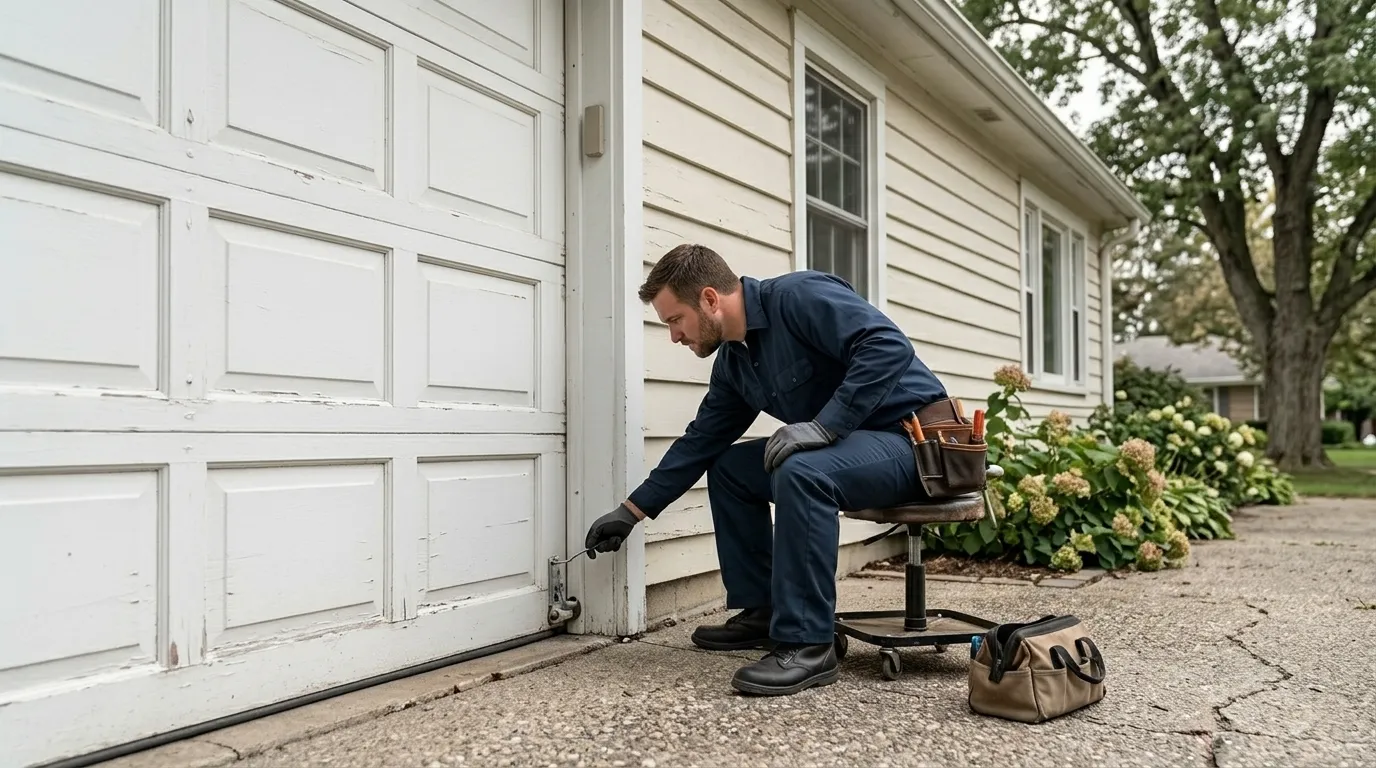
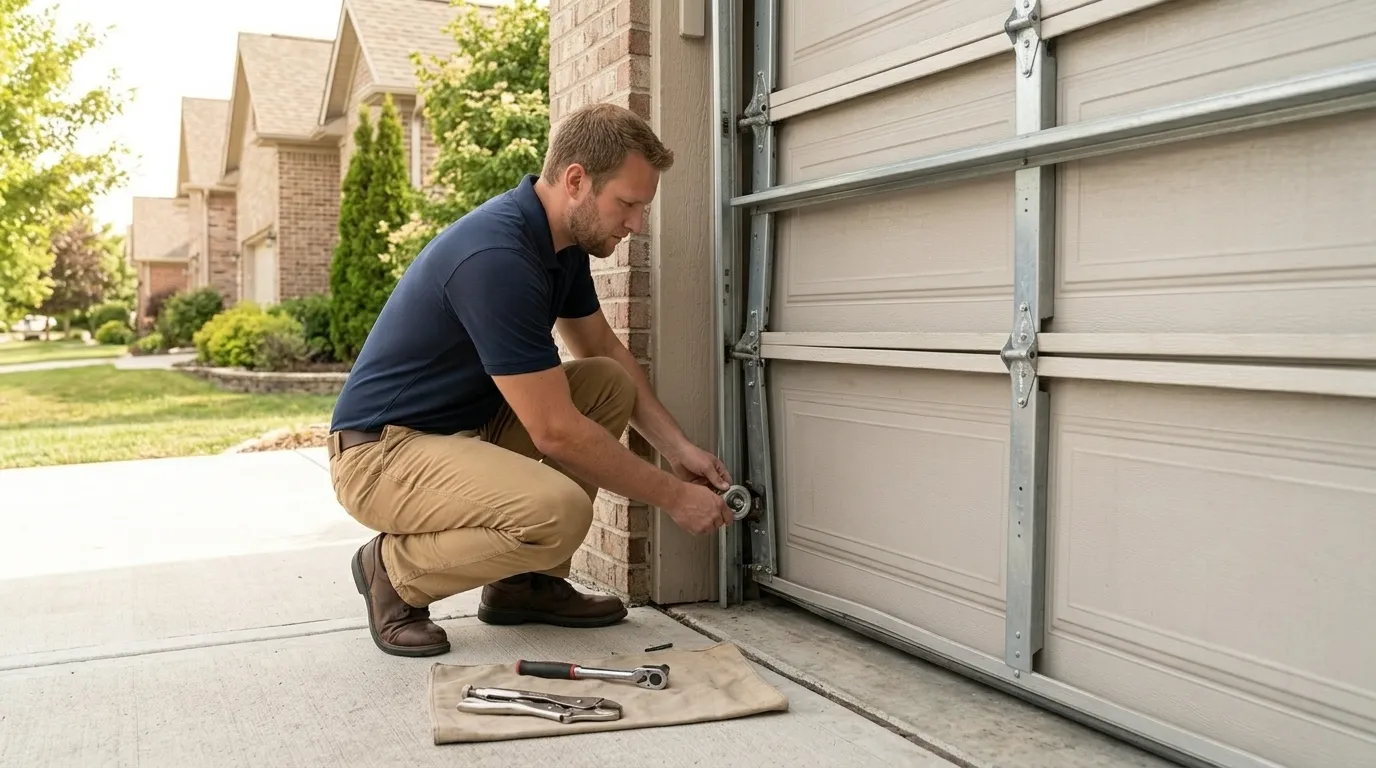
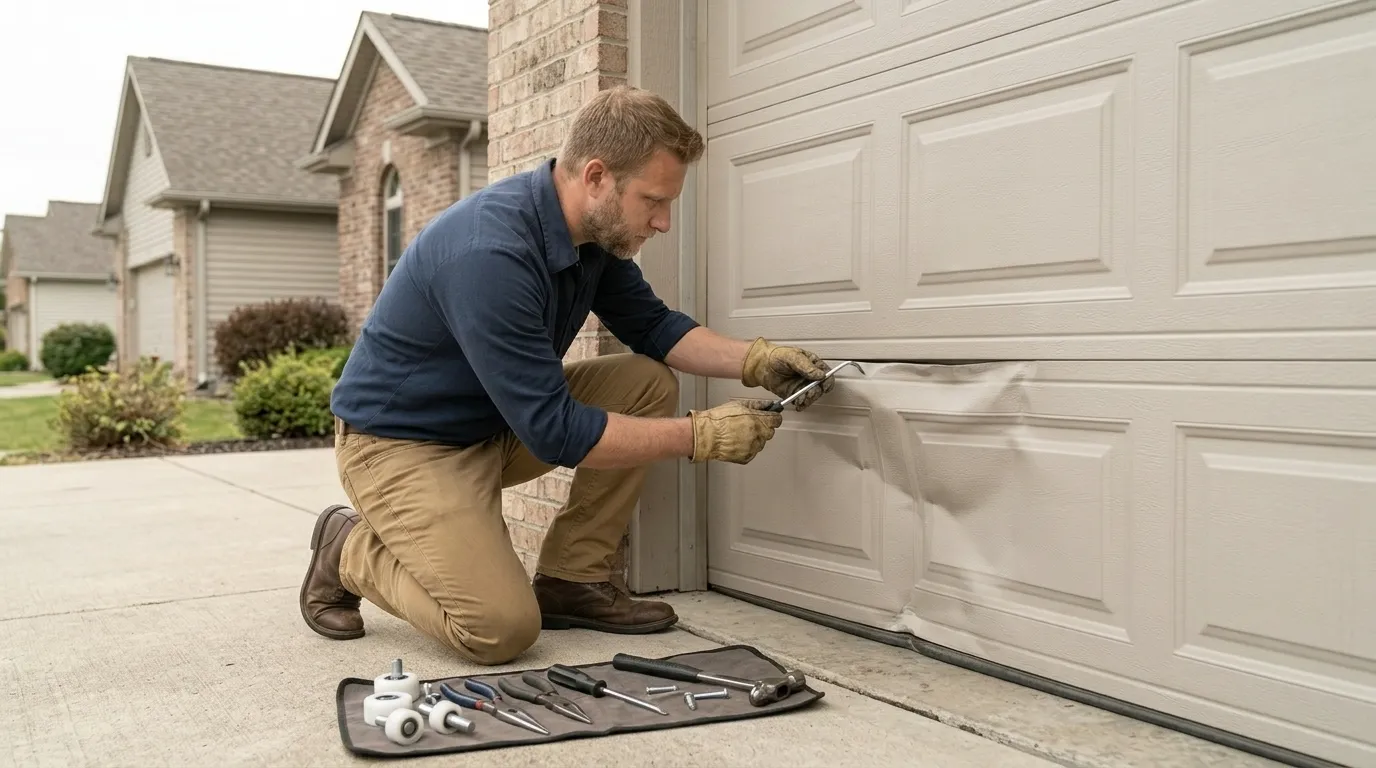
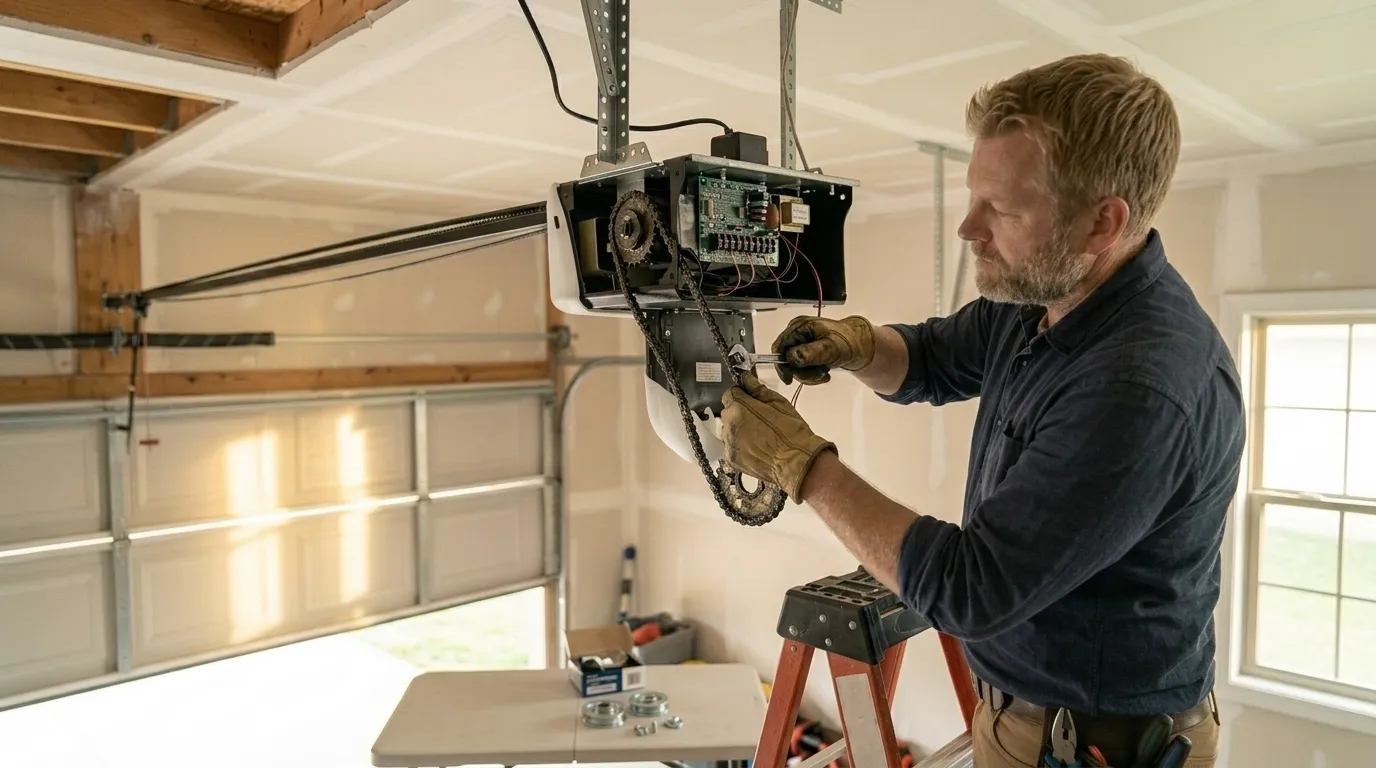
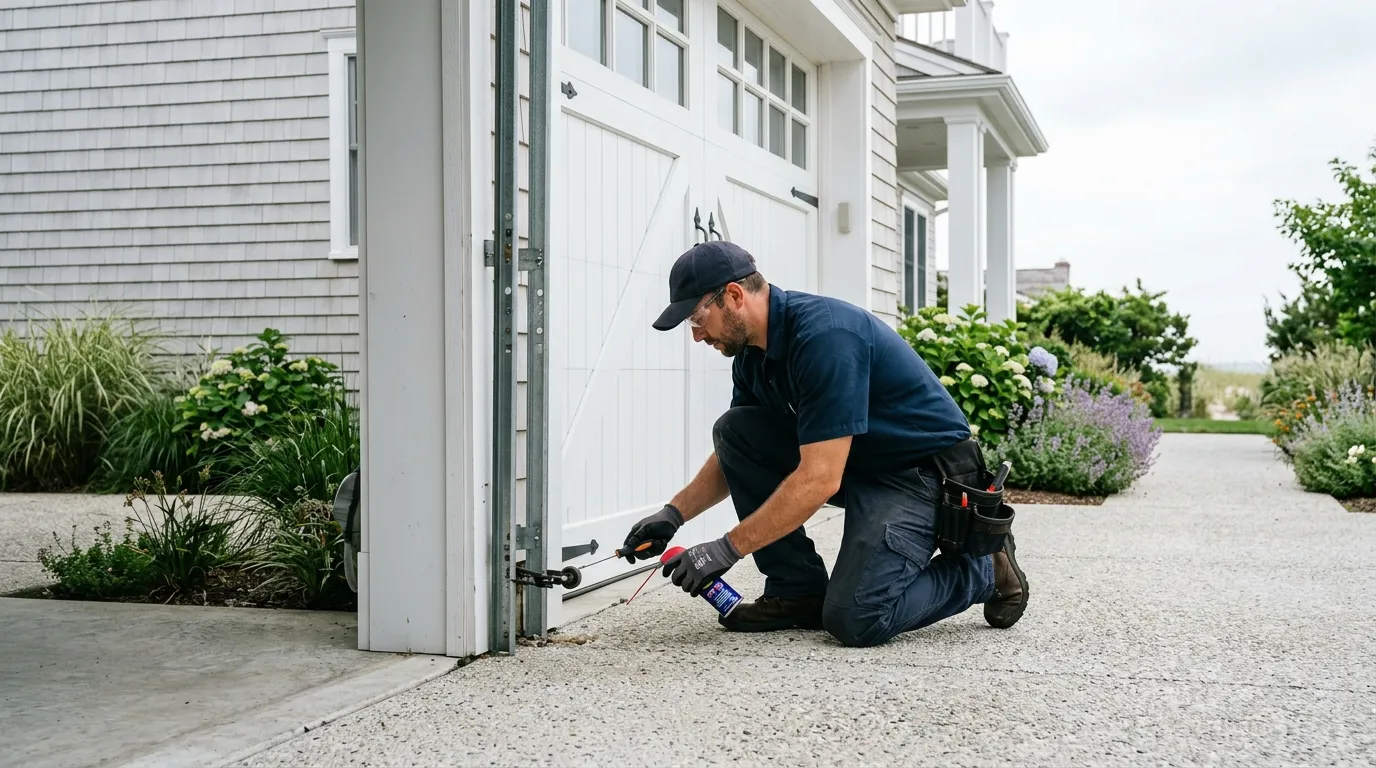
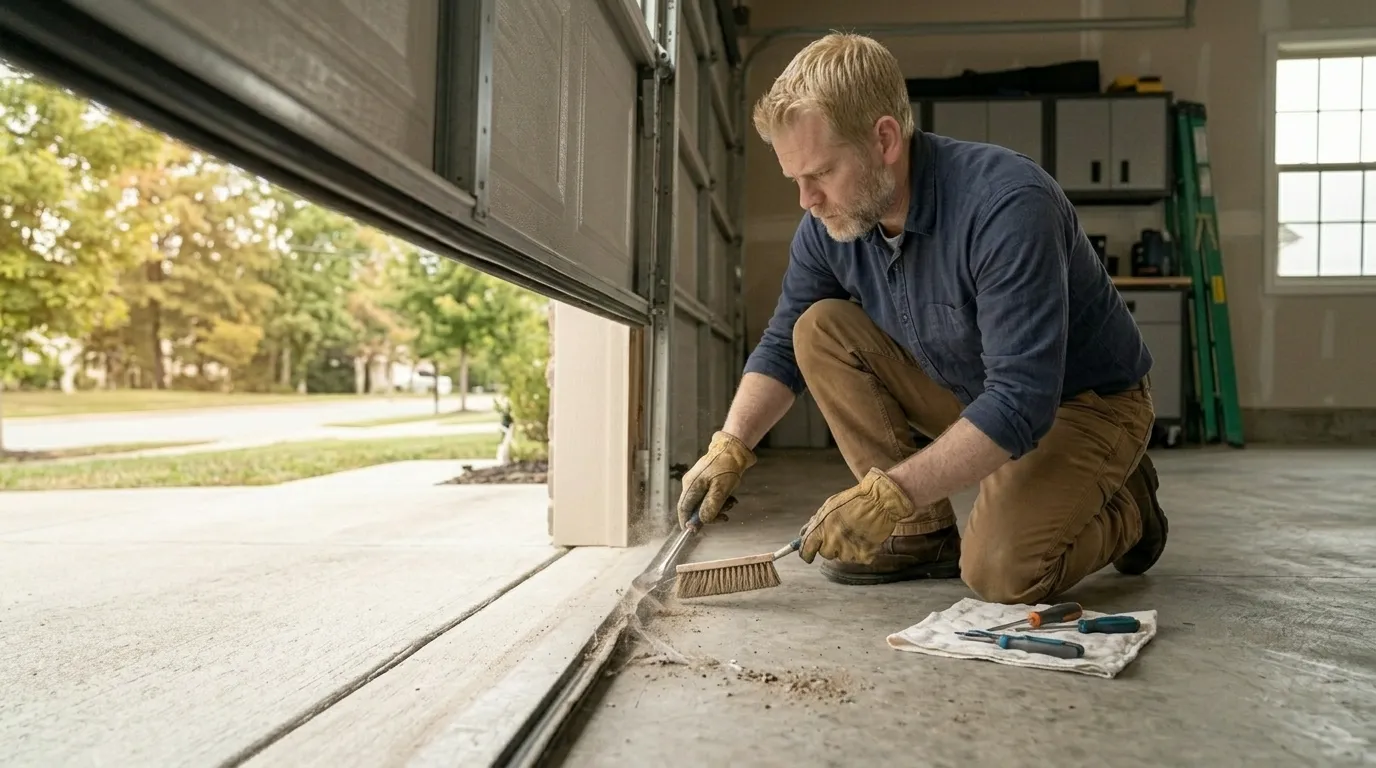
A lot of Winnetka garage doors are hanging on hardware that predates the rest of the house's remodels. With a median build year of 1938 for this suburb, older than much of the wider service area we cover from Lincolnwood, the original track and roller sets on these doors were often sized for steel rollers, not the sealed nylon ones that became standard decades later. Steel rollers on narrow track wear a groove into the track itself over the years, and once that groove is there, a new roller of the same steel type just finds the same worn path and keeps grinding.
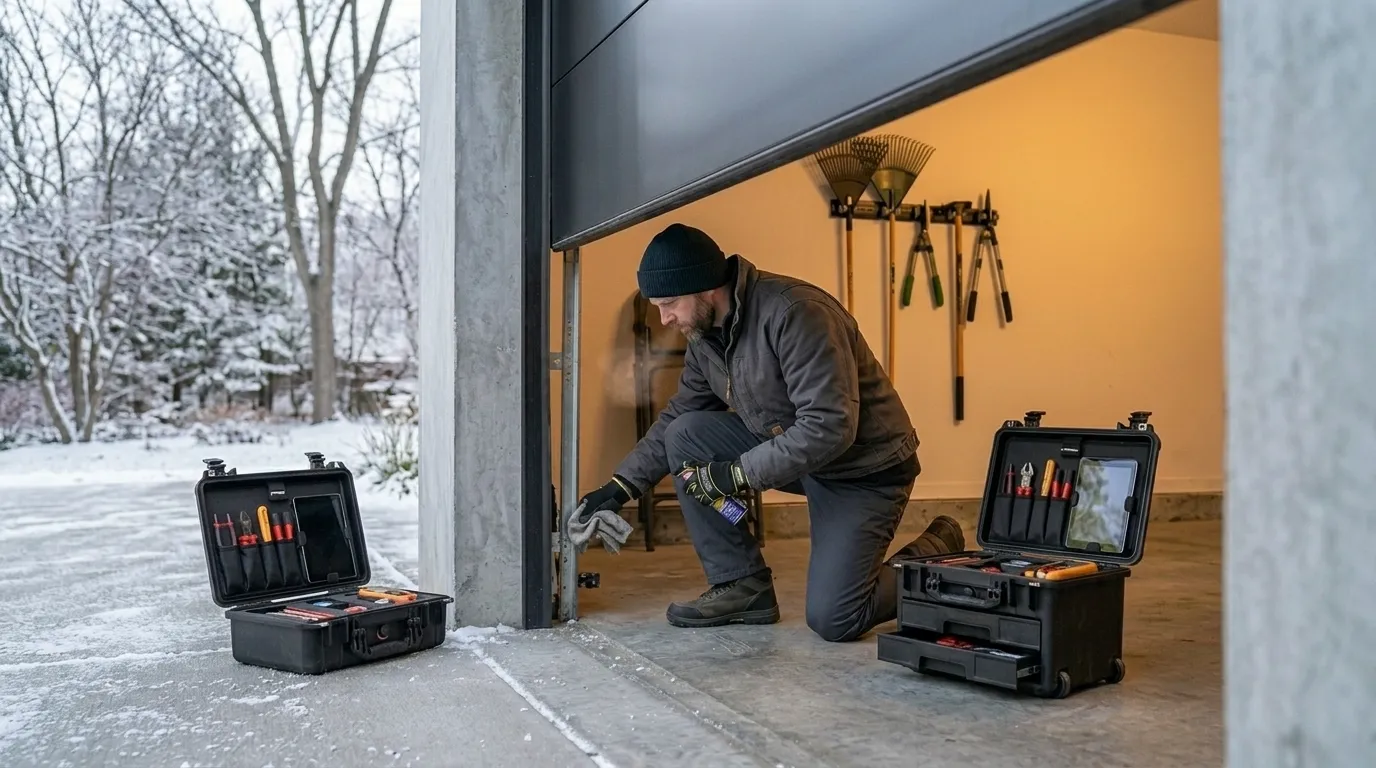
What you notice first is noise - a rhythmic clunk or scrape as the door travels, worse in cold weather when steel contracts and clearances tighten. Given the cold moderate climate band this area sits in, that seasonal tightening is real and it shows up every winter on doors that were fine in September. Some owners also notice the door hesitating partway up, which is usually a roller that's flat-spotted or a stem that's bent from decades of the same steel-on-steel contact. On a door this old, the roller issue is rarely isolated - the track it's been wearing against usually needs attention at the same visit.
Booking a Visit
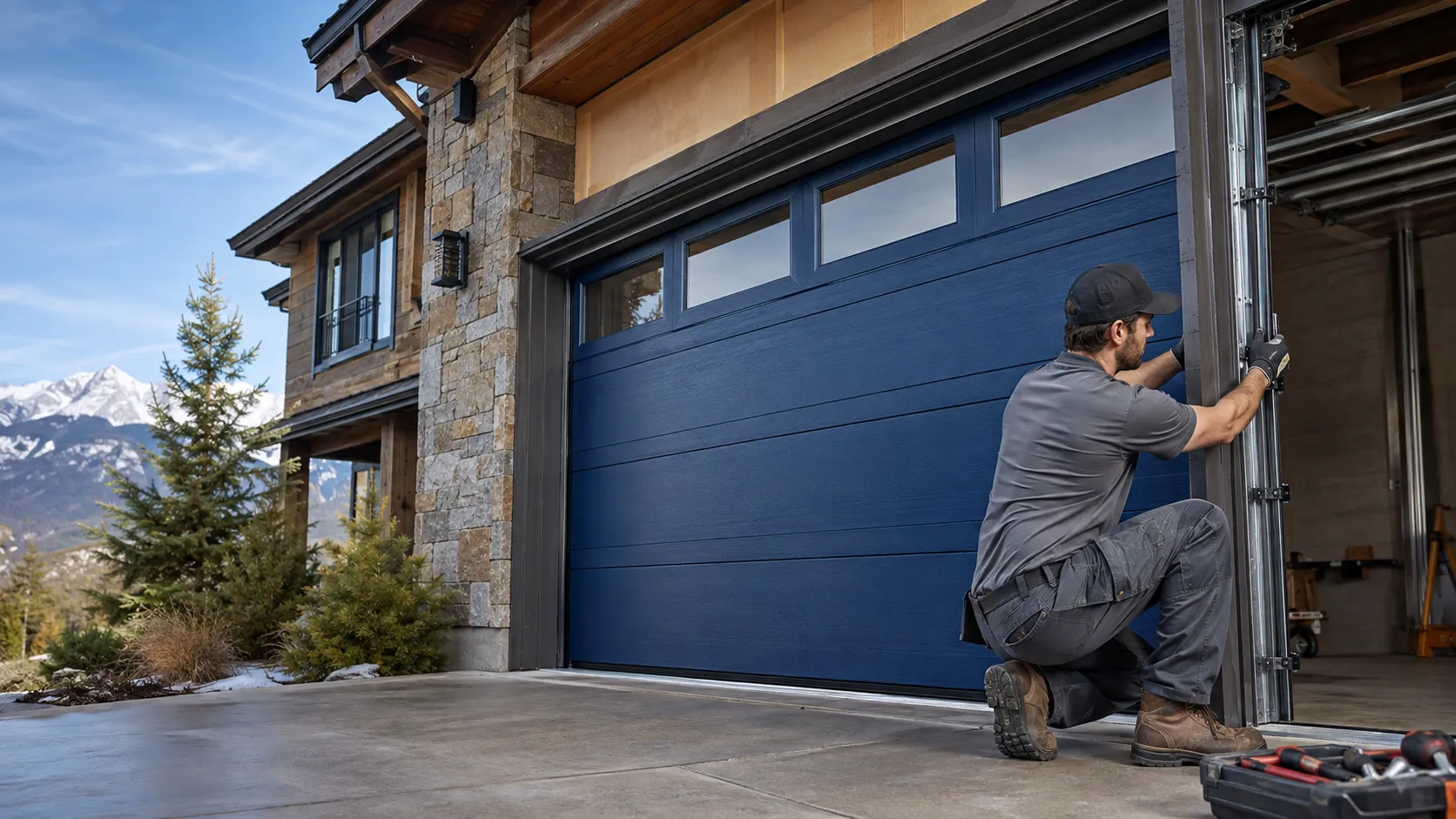
We come out to Winnetka from Lincolnwood, about seven miles away, so we schedule the visit rather than showing up as a drive-by call. When you call, tell us the door's approximate age if you know it - on a house from the 1938 era that's usually 'original' or 'one prior replacement' - and whether the noise is constant or only on the top few feet of travel, since that tells us whether we're dealing with a general roller-and-track issue or a bent section near the header.
Winnetka's household income runs high for the wider area at a reported median of $250,001, and a fair number of owners here choose to skip the patch-and-wait approach and just replace the full roller set on both tracks in one visit rather than one roller at a time. That's a reasonable call on an older door where the rest of the rollers are the same age and about to fail the same way. We'll tell you honestly if that's overkill for your specific door - sometimes only two or three rollers are actually gone and the rest have years left.
What Can Go Wrong
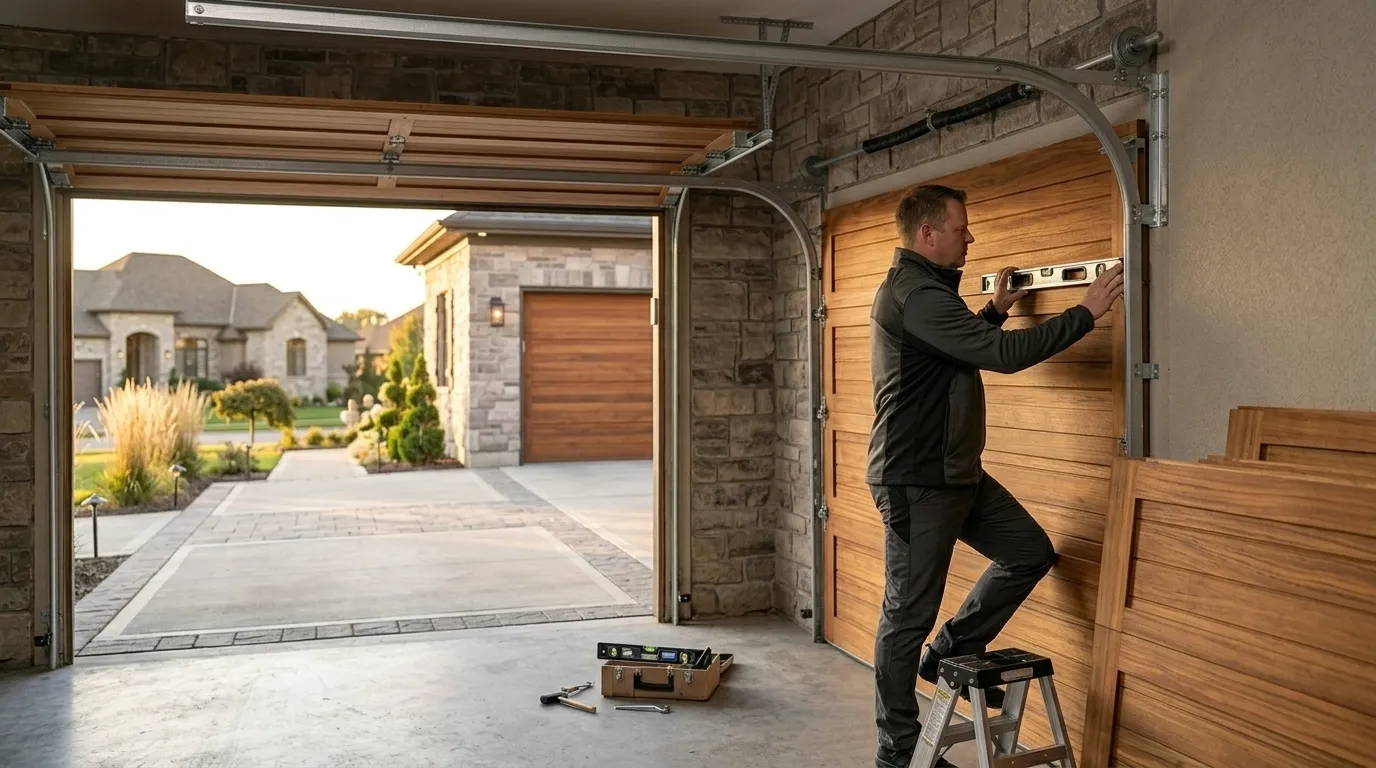
The main risk on a door from the 1938 era is discovering the roller problem is really a track problem, or that the bracket holding the track to the jamb has rusted or pulled loose from decades of vibration. We check both when we're already there, because a new roller on a bent track fails again within months and nobody wants a second call for the same door.
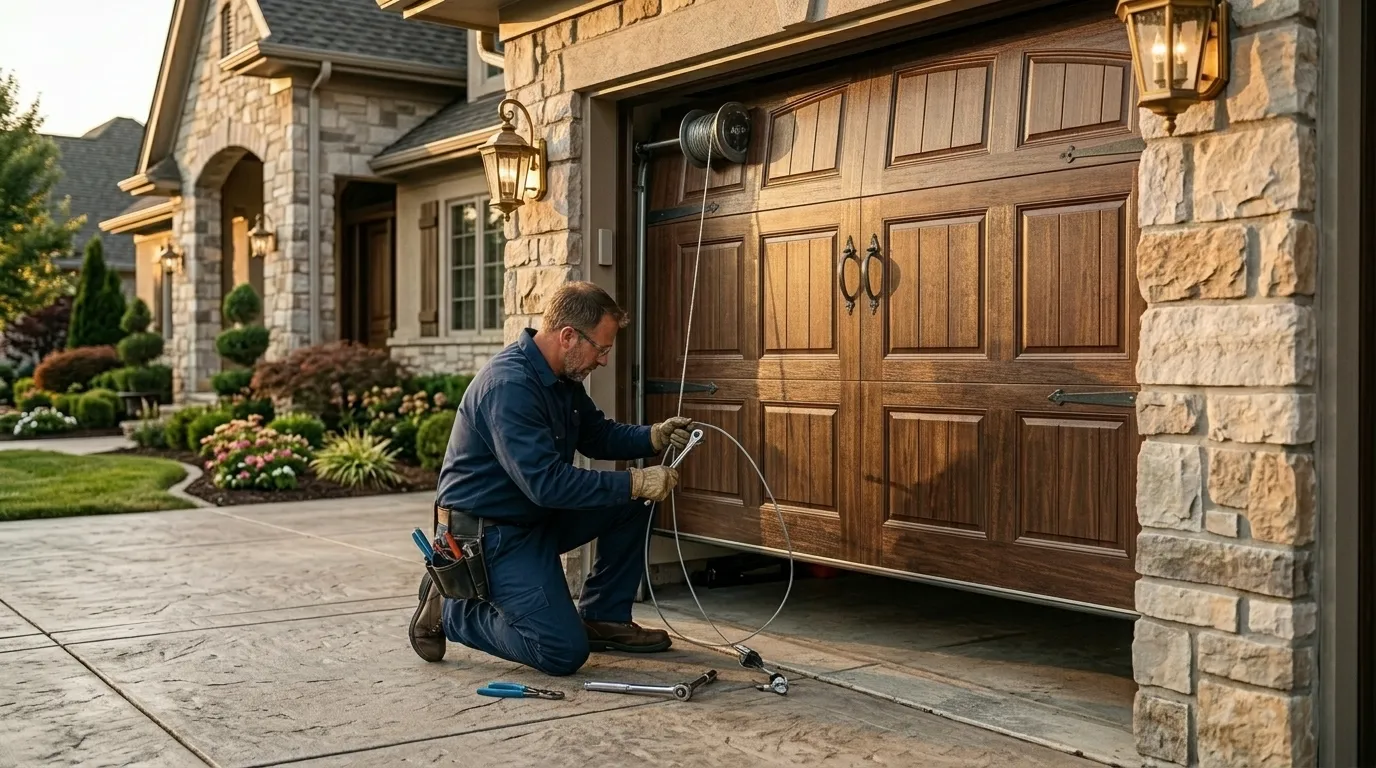
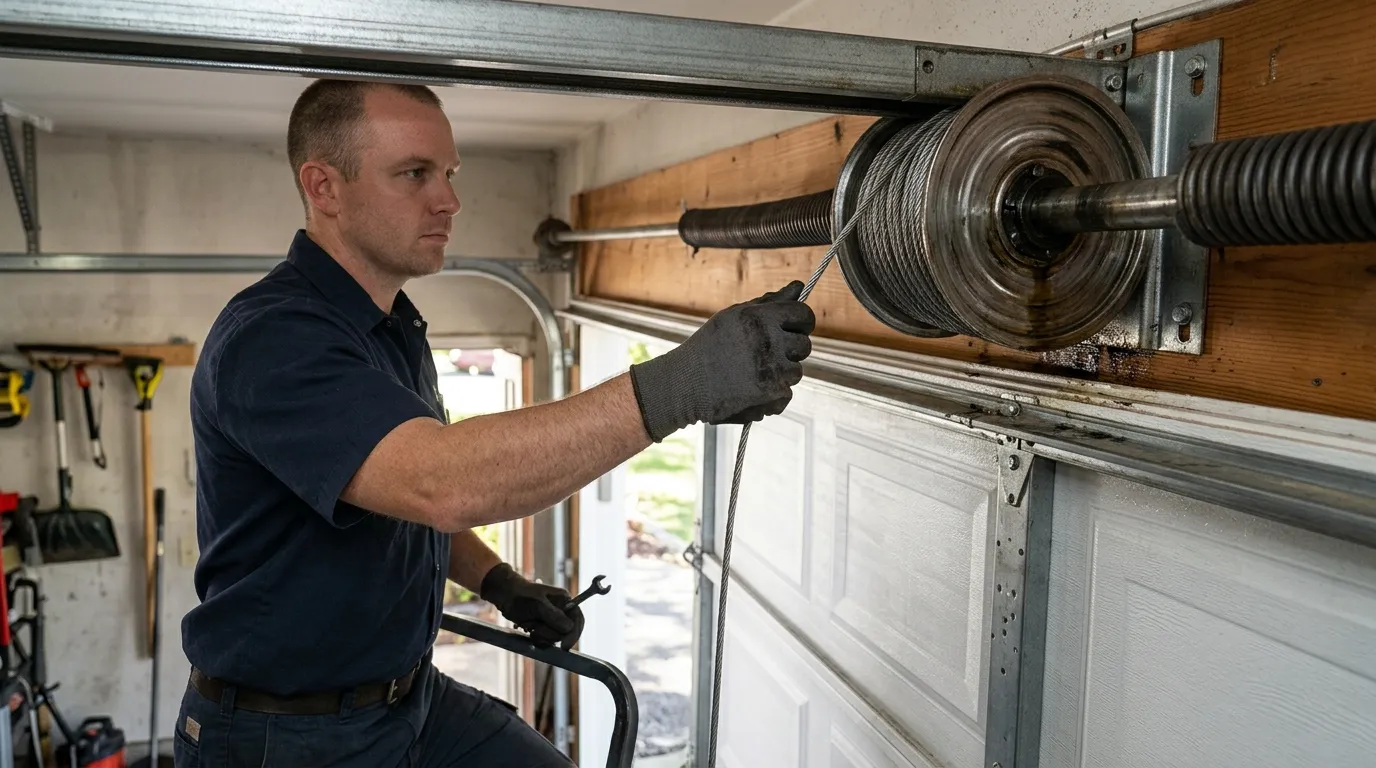
Cold moderate winters are hard on steel hardware specifically - the metal contracts, clearances tighten, and a roller that was marginal in October can bind completely by January. If we find spring or cable wear while we're checking the rollers, we'll flag it rather than just swap what you called about; on a door this old, a roller job and a cable job often come due around the same years, and it's cheaper to handle both in one visit than two. The one thing we won't do is force a fix that isn't there - if the track itself is too far gone to save, roller replacement alone isn't the right answer and we'll say so.