How It Shows Up
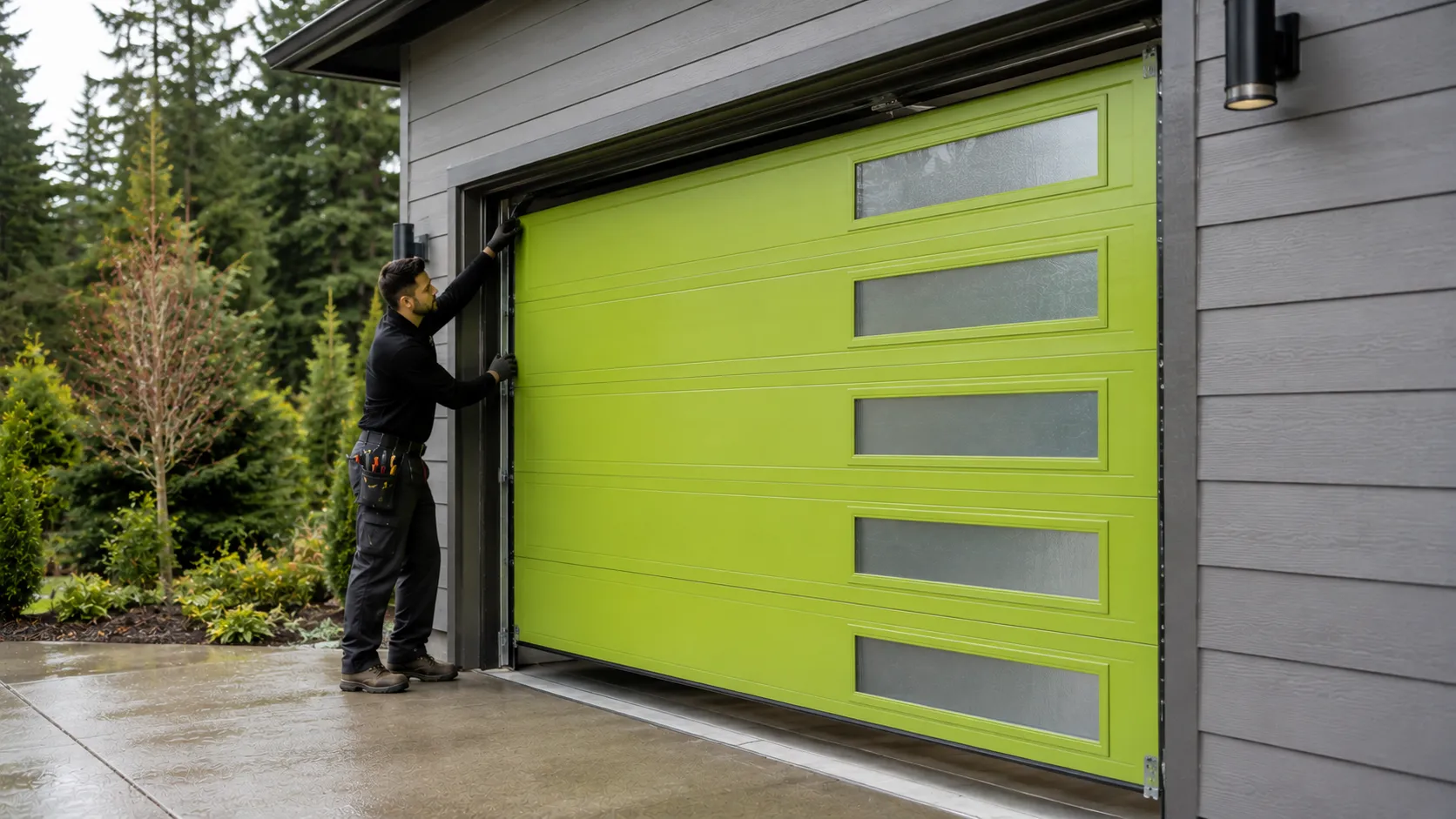
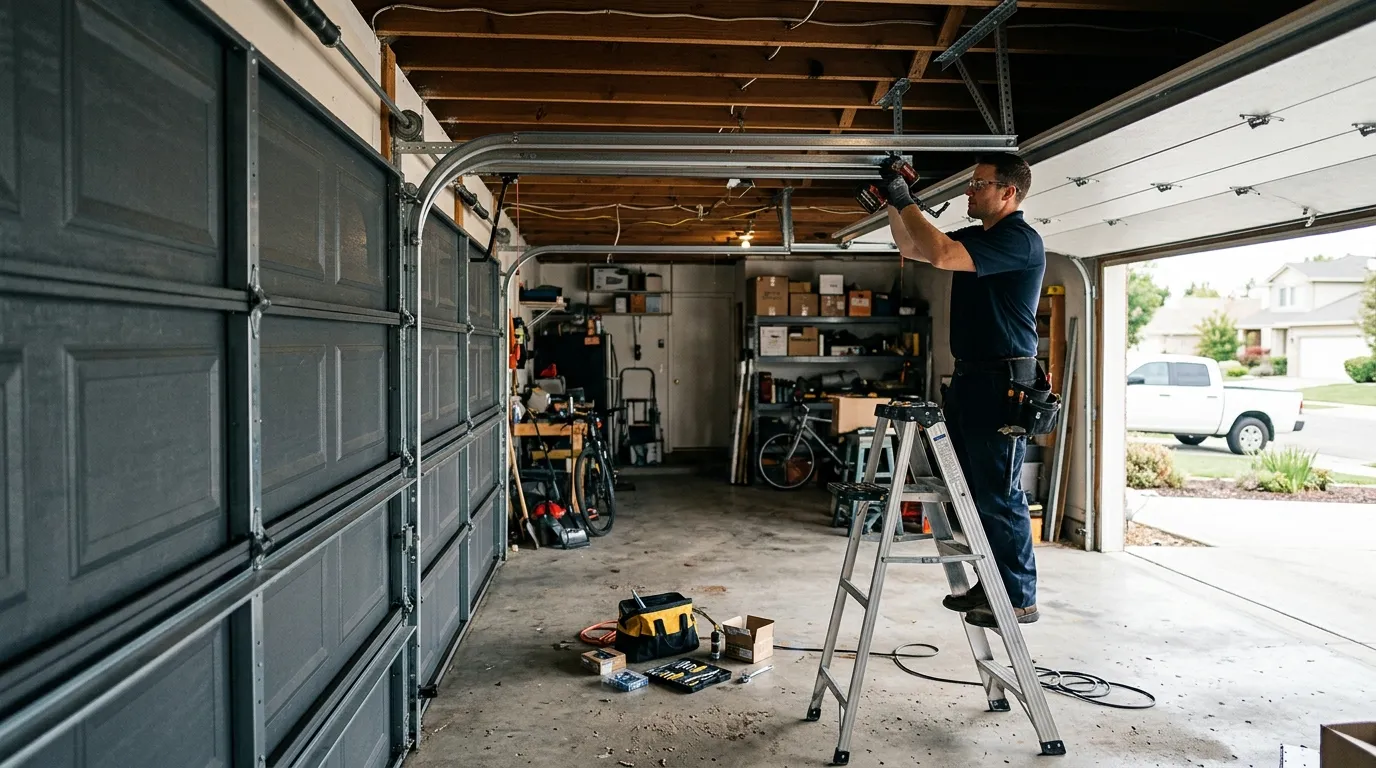
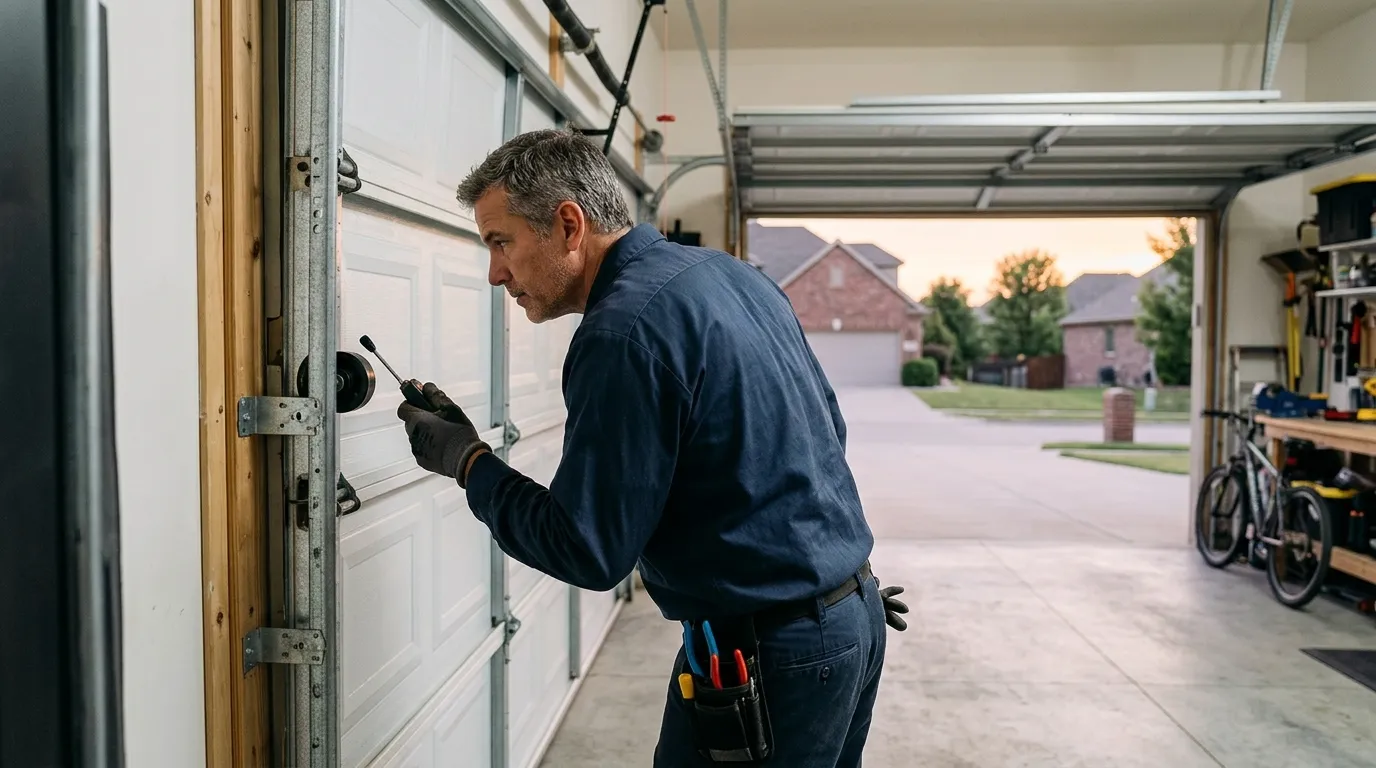
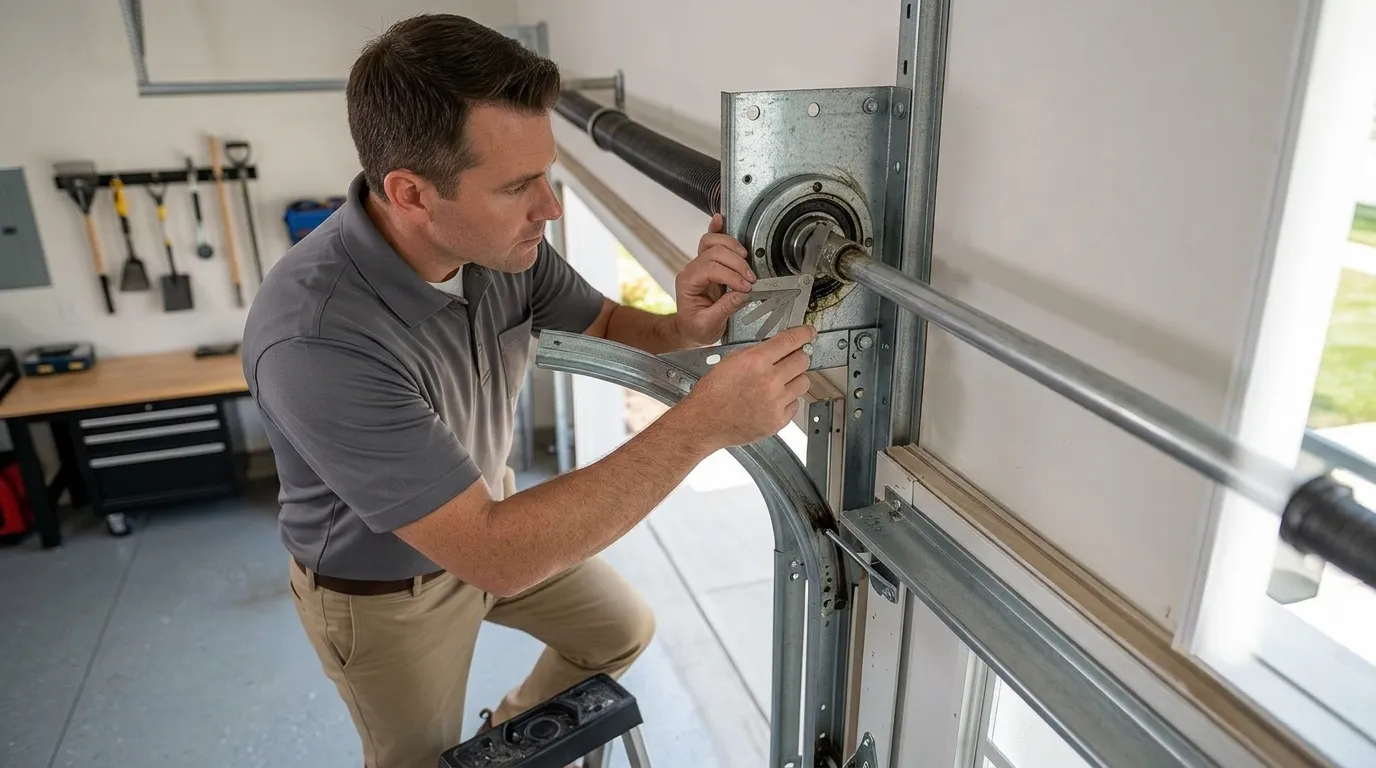
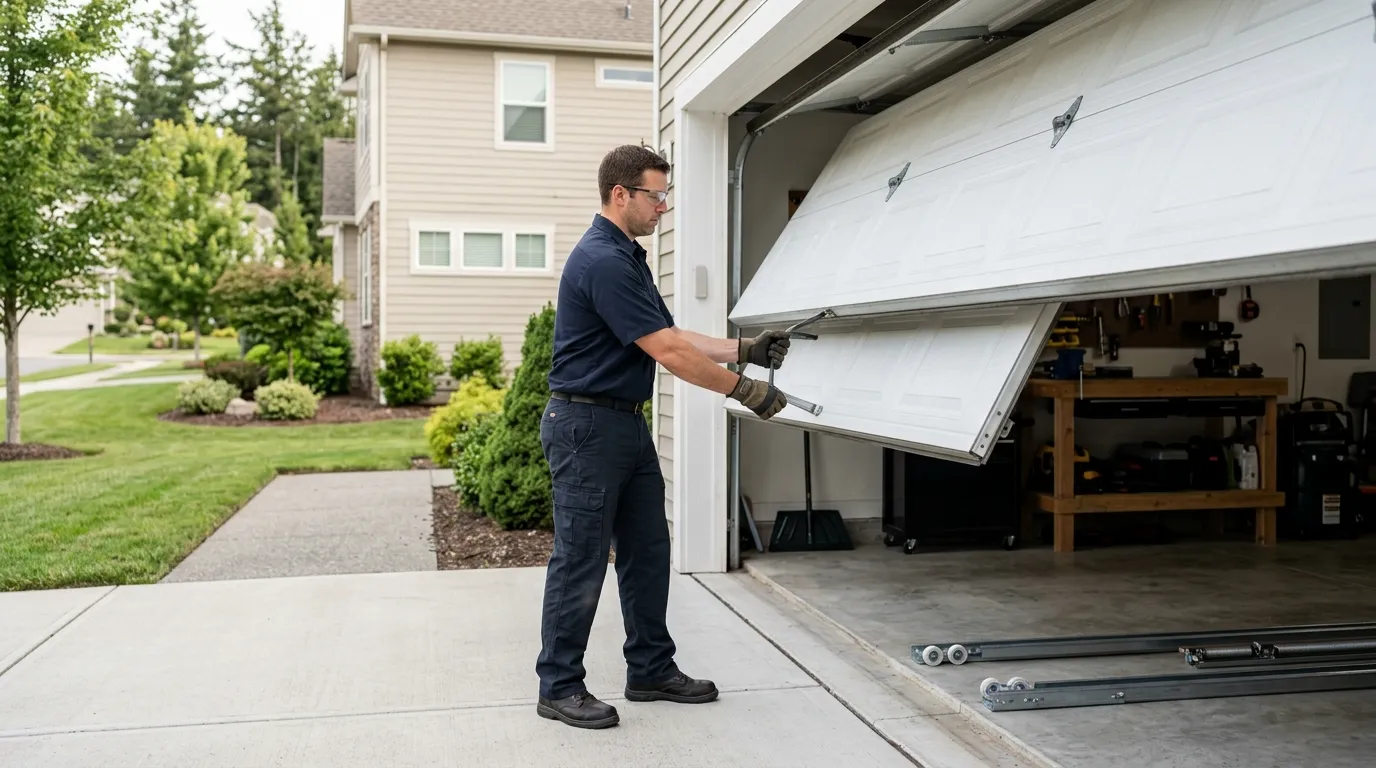
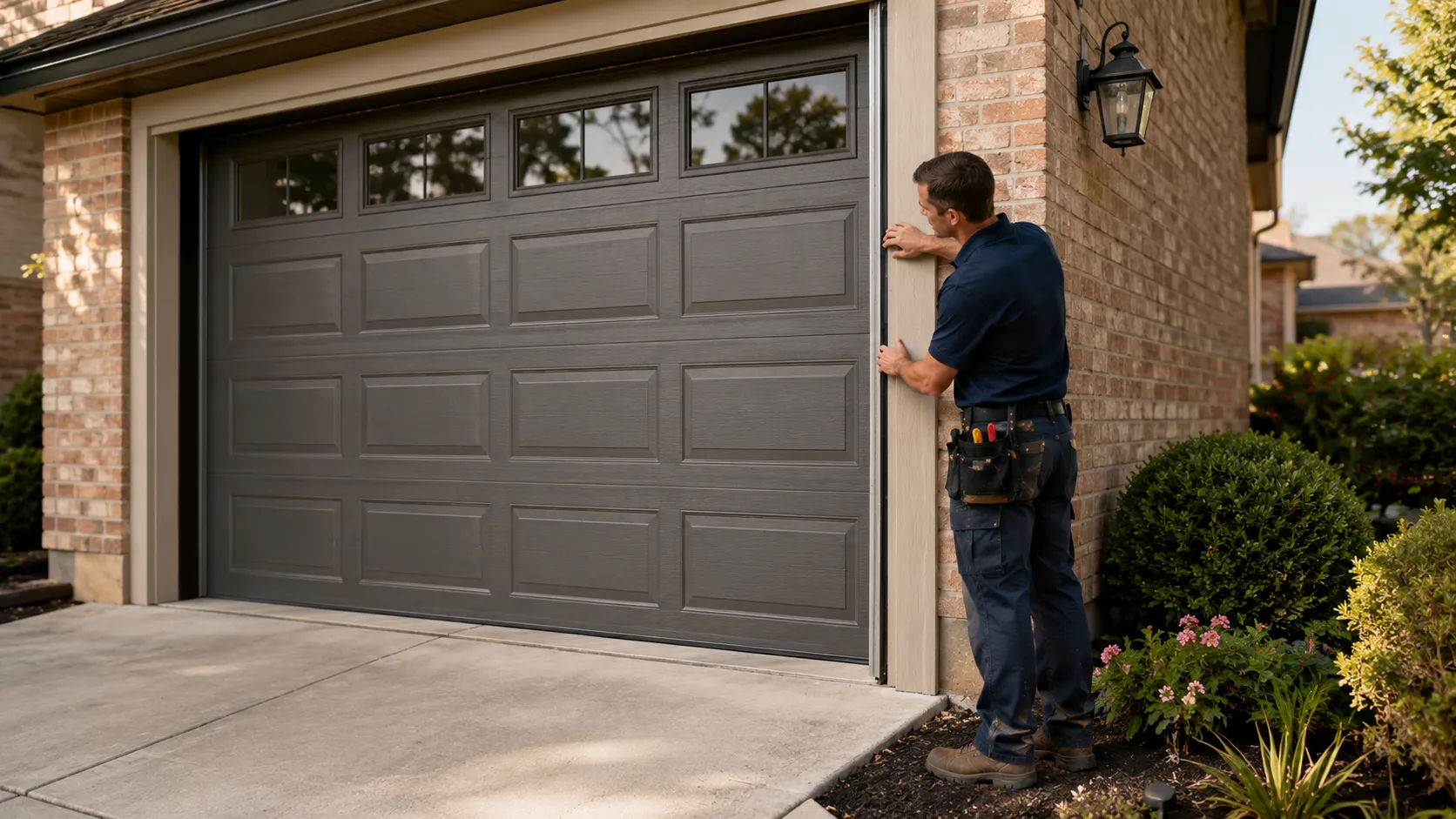
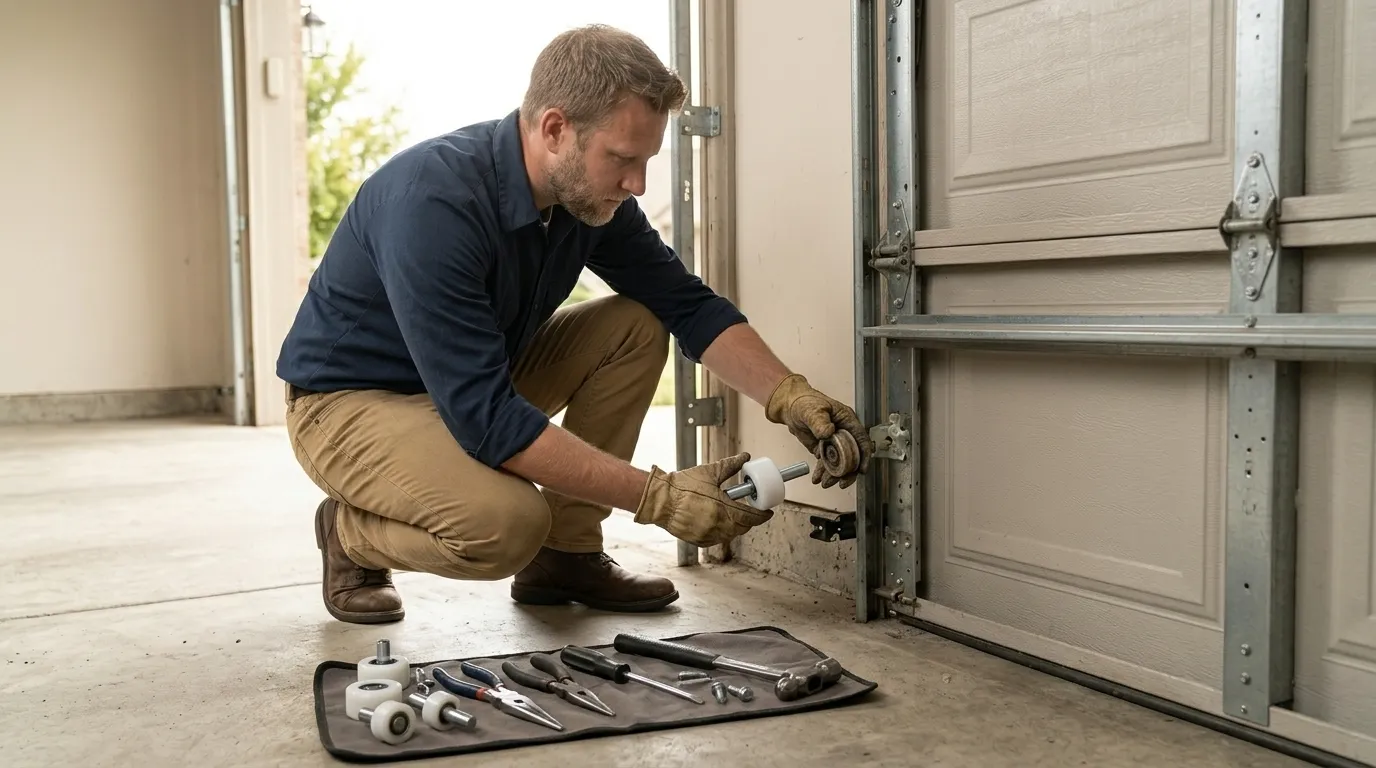
Winnetka's housing stock runs older than most of the towns we cover out of Lincolnwood - the median build year here is 1938, a couple of decades ahead of the 1961 median across the rest of our service area. That gap matters for one reason: track brackets. A lot of these houses have never had the vertical track re-anchored to the jamb since the day it went in. The lag screws loosen over eighty-plus years of seasonal wood movement, and the track walks off true a fraction of an inch at a time until one day the door catches a roller wrong and jumps the rail entirely.
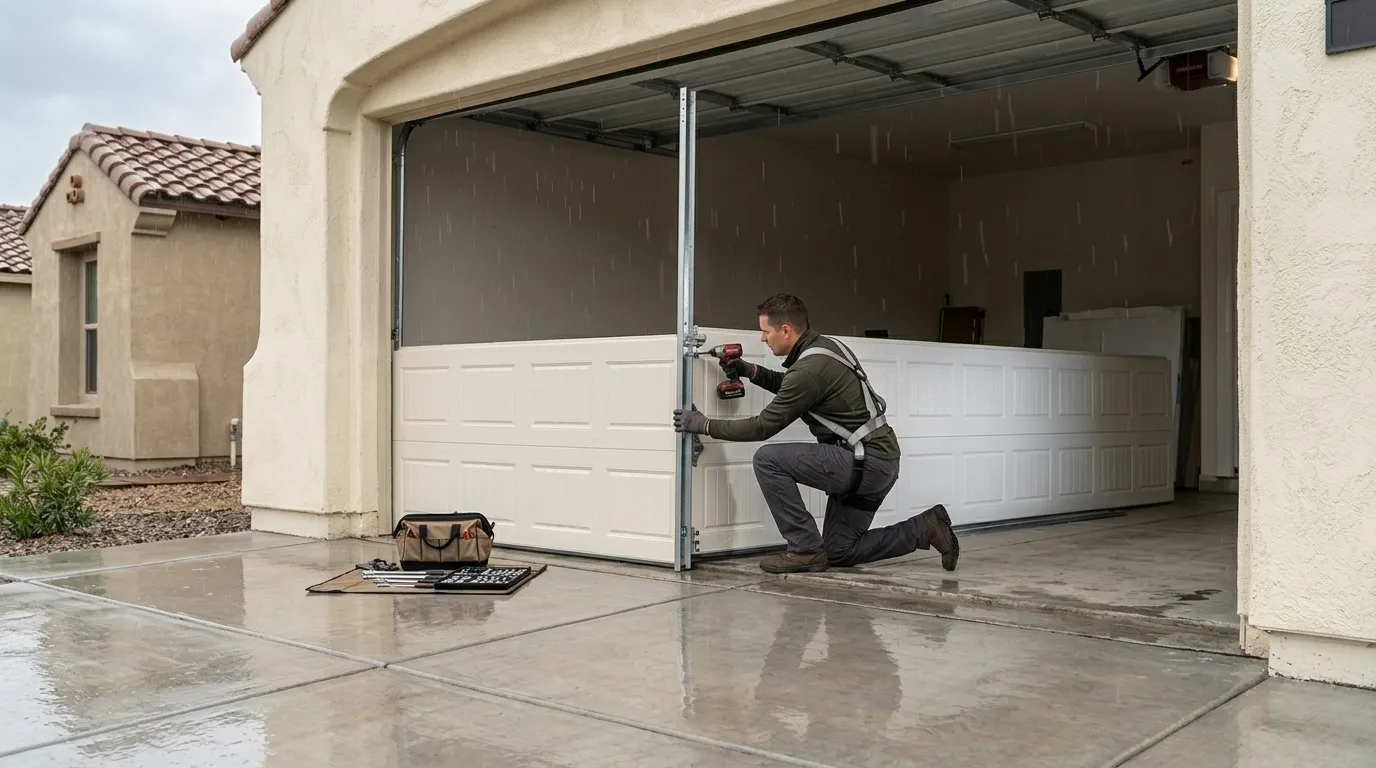
You'll usually notice it as a door that stutters on one side before it binds, or a gap that opens between the roller and the track near the top section. Sometimes it's sudden - a cable lets go and the door racks sideways in the opening. Either way, don't keep hitting the opener button. Running an opener against a door that's already off its track strips the track further, bends the roller carriage, and turns a bracket fix into a full track-and-hardware replacement.
Booking a Visit
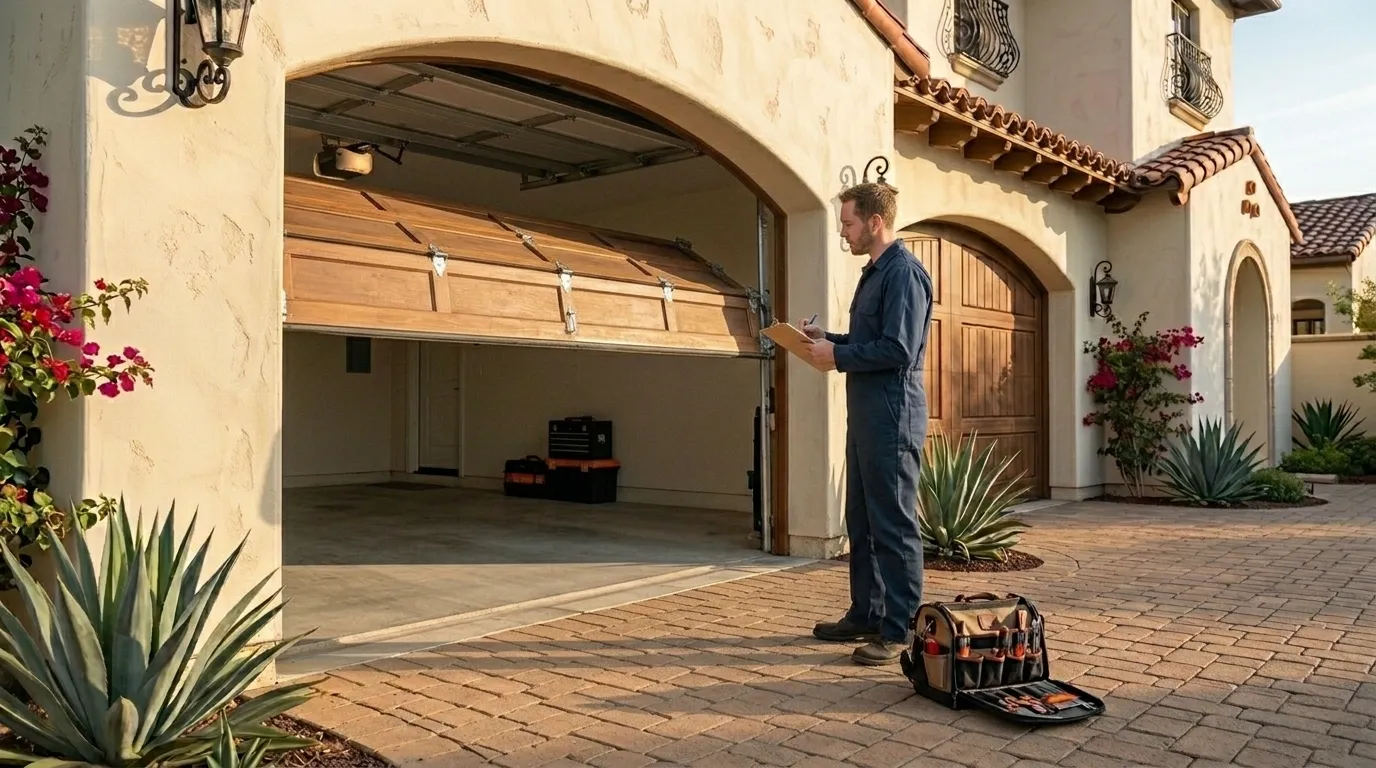
We run out of Lincolnwood, about 7 miles from Winnetka, so a visit here means a scheduled trip, not a drive-by. Tell us on the call whether the door is still moving at all - a door that's jumped the track but still sits roughly square in the opening is a different job than one that's racked and jammed halfway up. That distinction changes what we load before we leave the shop.
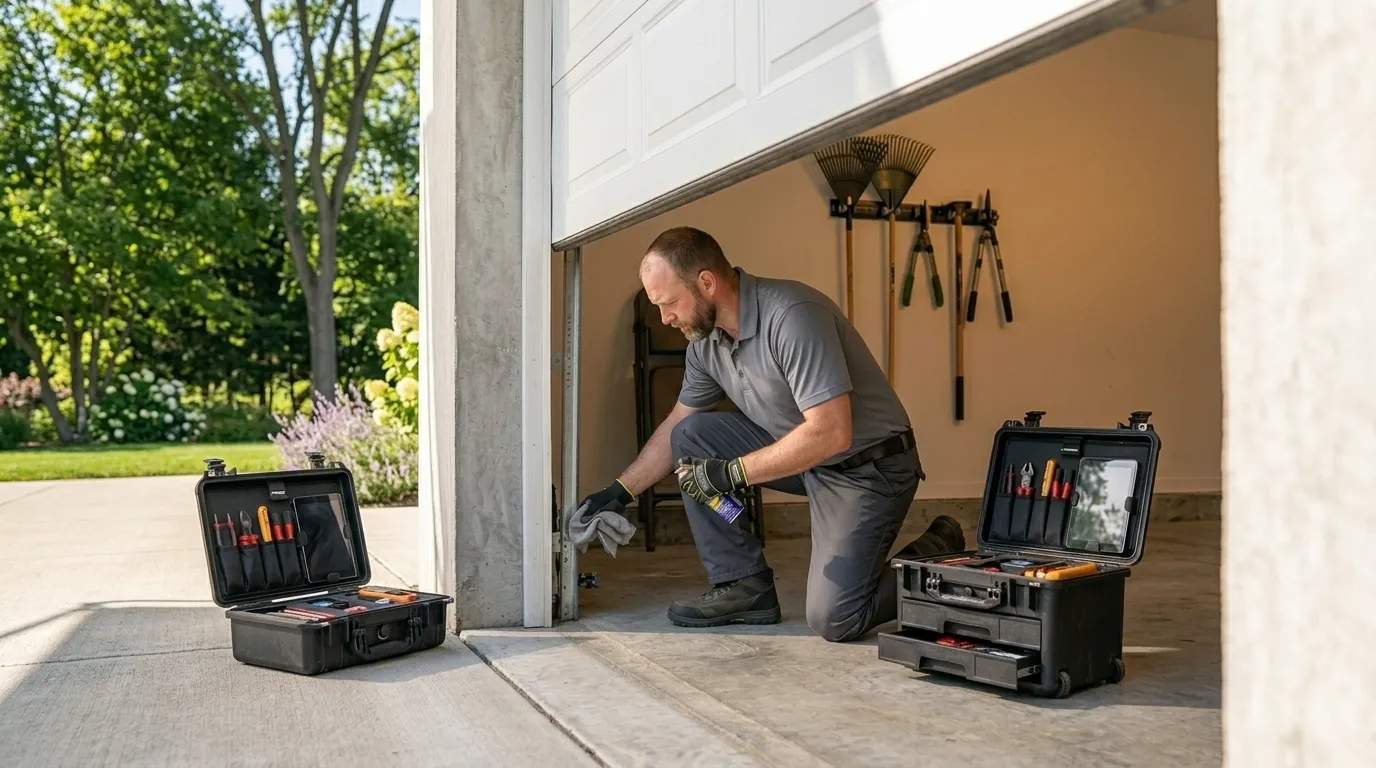
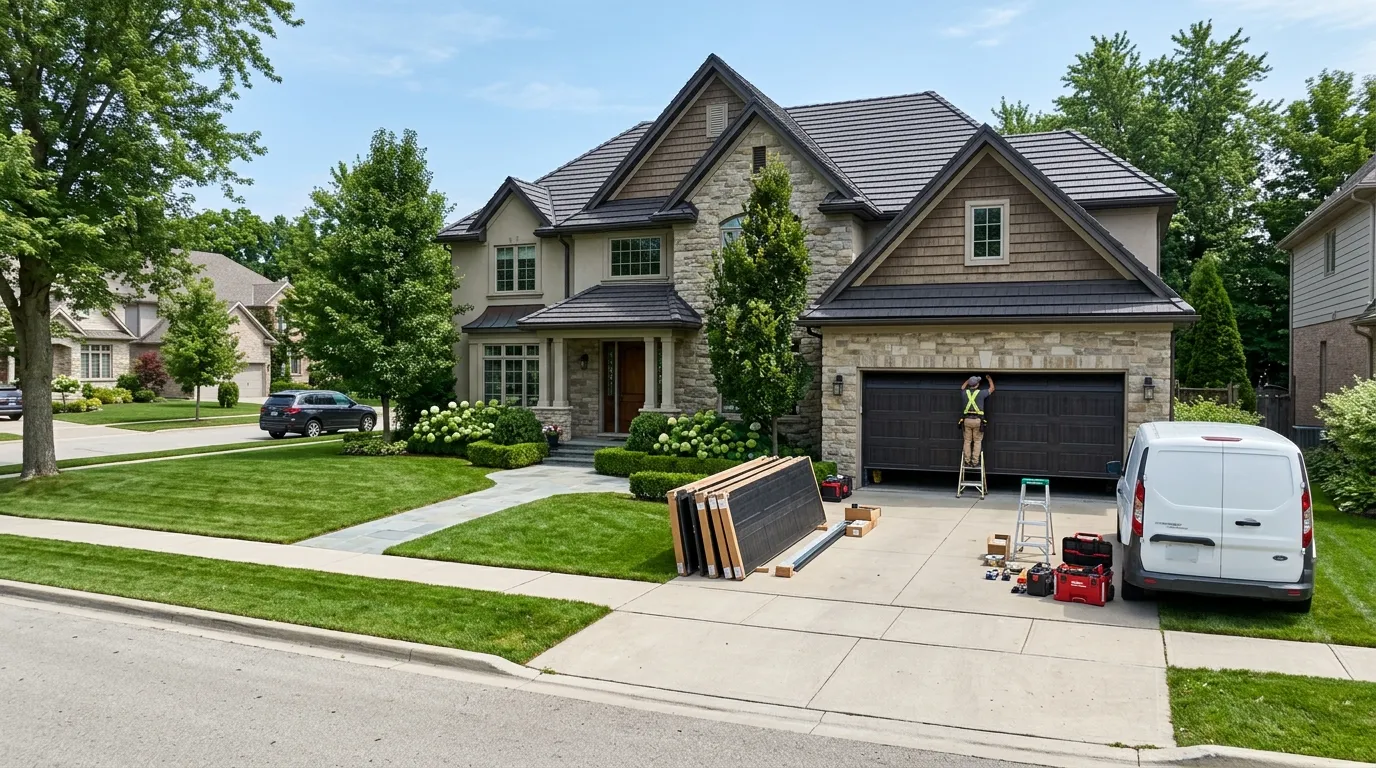
We don't carry a Winnetka branch or a standing crew in the area, so we can't promise a same-hour arrival the way a shop based five minutes from your driveway might. What we can do is show up with the right hardware for a house built in 1938 rather than guessing on-site, because we already know the track and bracket sizing common to that era before the truck leaves Lincolnwood.
What Can Go Wrong
The honest limitation: if the track has bent badly enough that the rail itself is kinked, straightening it on-site rarely holds. Bent track gets replaced, not bent back - trying to save it just means a second call in a few months when it walks off again. We'll tell you on-site if that's what we're looking at rather than charging you for a fix that won't last.
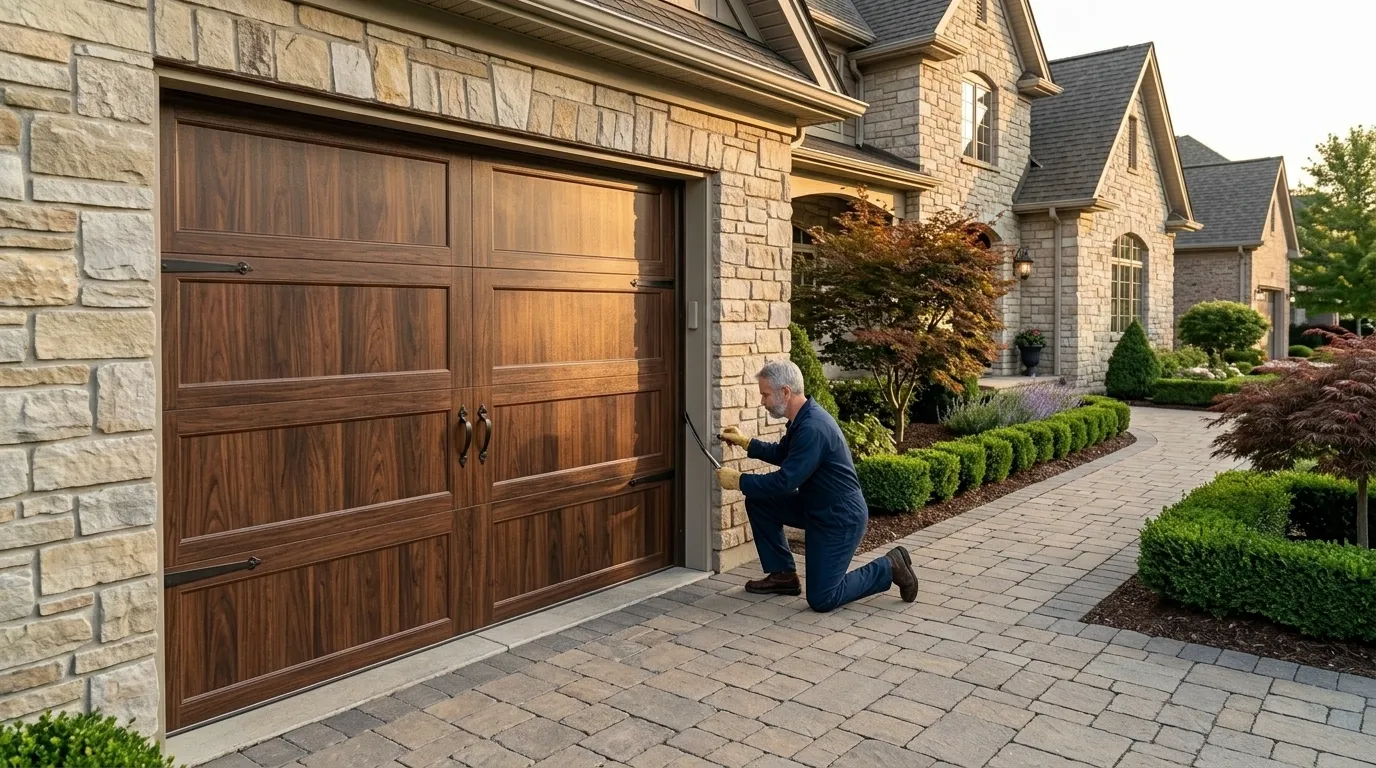
The other risk in houses from this era is what's behind the bracket. Eighty-plus years of settling can mean the jamb wood itself has softened or split where the old lag screws bit in. If that's the case, a new bracket won't hold in the same holes, and the fix means shifting the anchor point or adding backing - more work, but the only way the door stays on track through the next winter instead of jumping again.