
How It Shows Up
Winnetka is a small town by household count - about 4,268 of them, compared to over 104,000 across the whole area we cover. That matters more than it sounds like it should. A place this size doesn't generate the volume of calls a big suburb does, so the jobs that do come in tend to be spread across a narrower range of house types, not a mix of every era of construction.
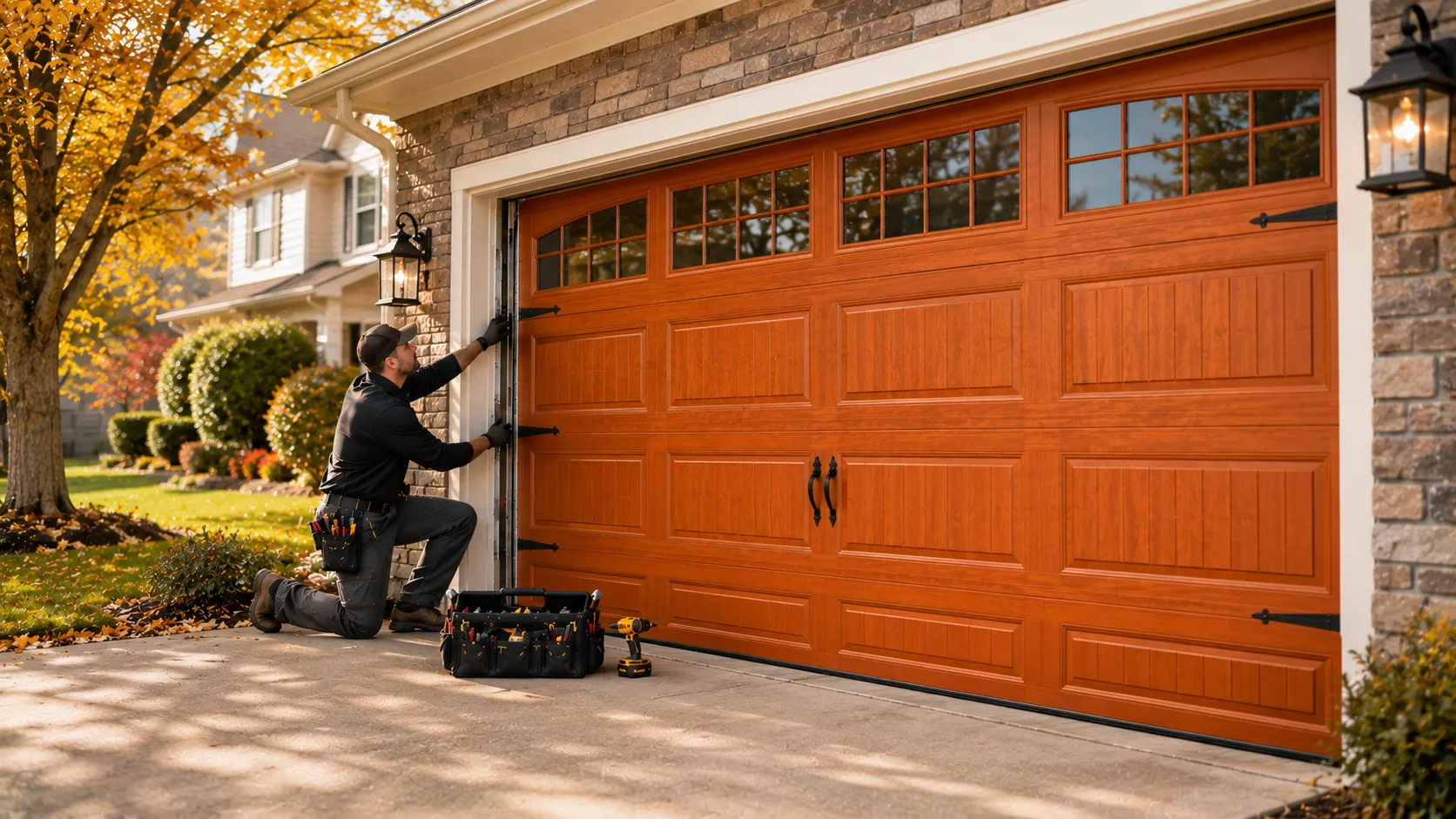
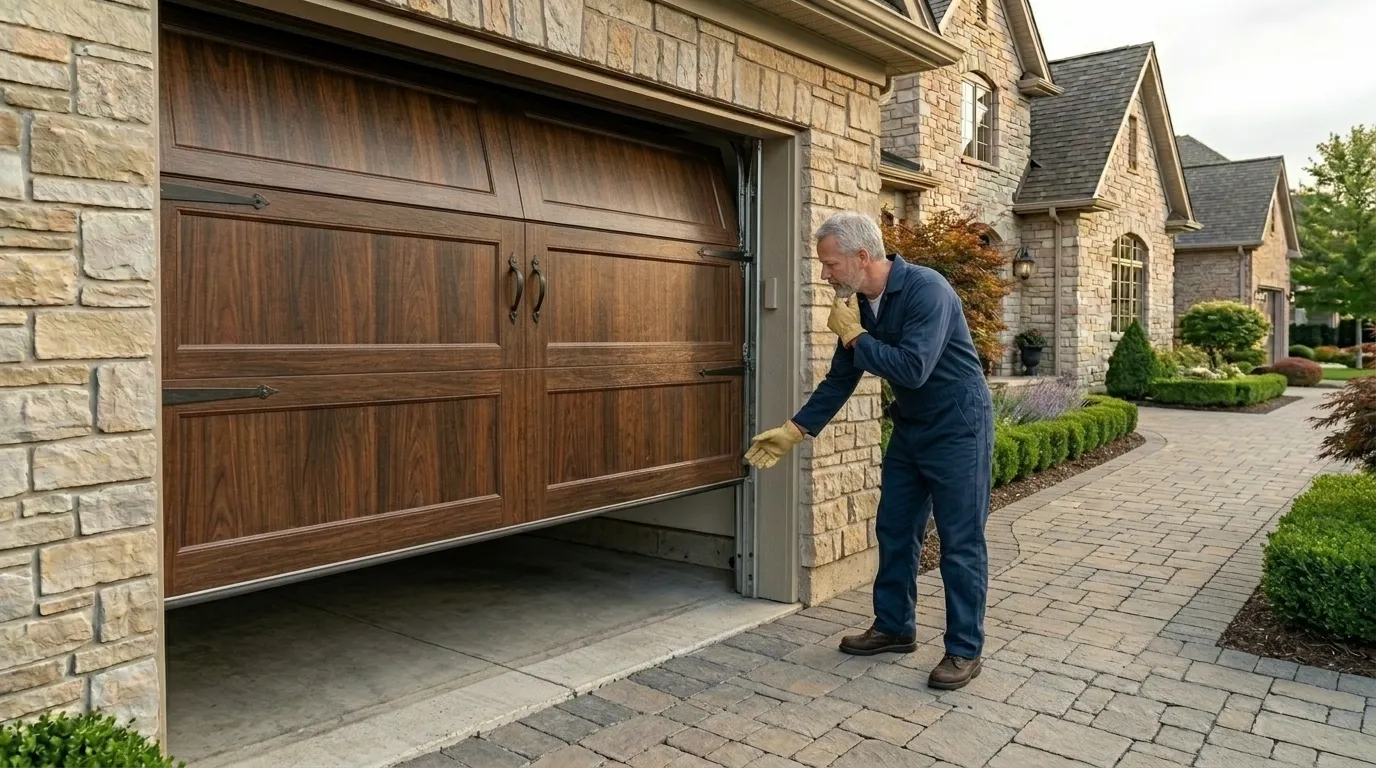
And the era here skews old. The median year built in Winnetka is 1938 - two decades earlier than the 1961 median across the wider service area we work in. That's pre-war construction. Doors on houses from that period were often sized and hung differently than what gets installed today: narrower openings, older track profiles, hardware that was never meant to interface with a modern opener. When something breaks on one of these doors, it's rarely a like-for-like part swap. We're often working around an opening or a jamb that doesn't match current stock sizing.
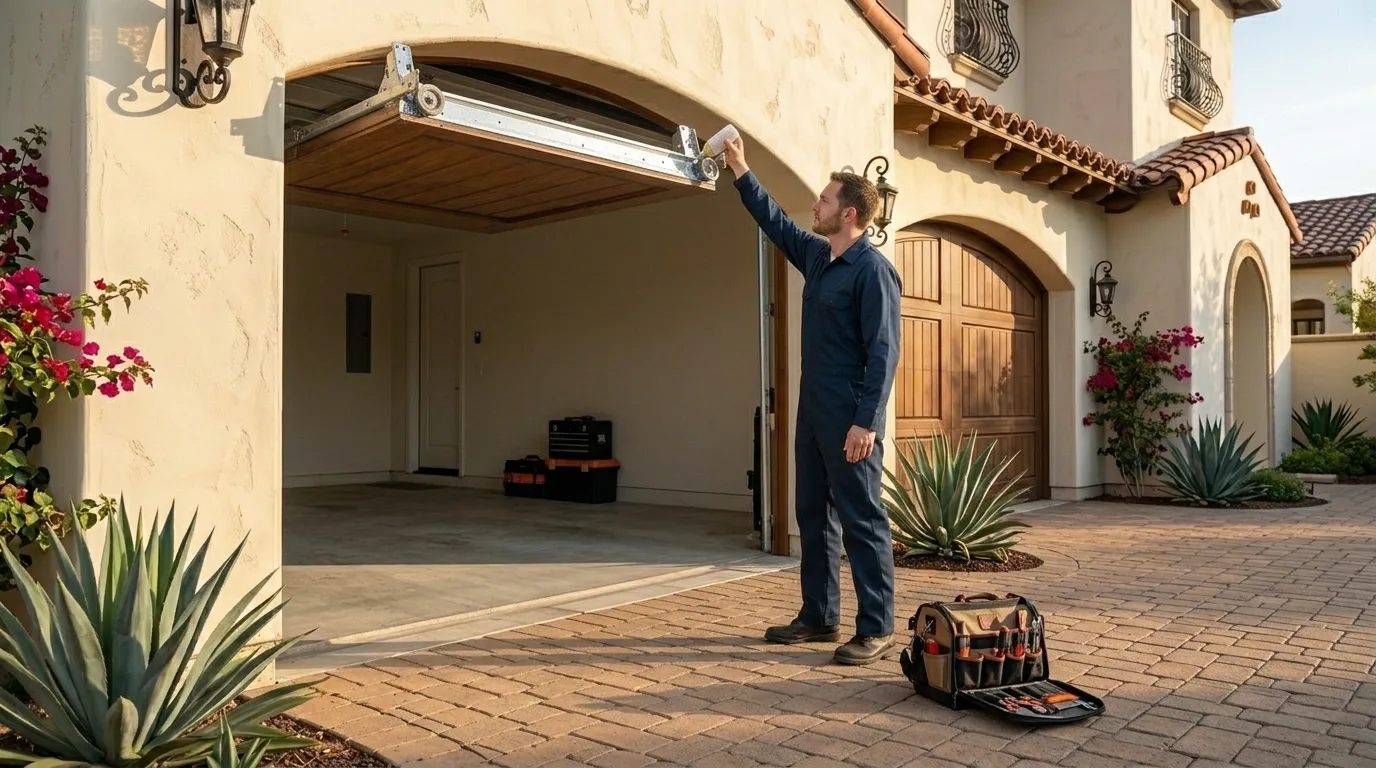
Cold is part of the picture too. This area sits in a cold-moderate climate band, and older torsion springs and unlubricated tracks don't take winter cycling well. A spring that's been fine for years can finally give out the first hard cold snap of the season.
Booking a Visit
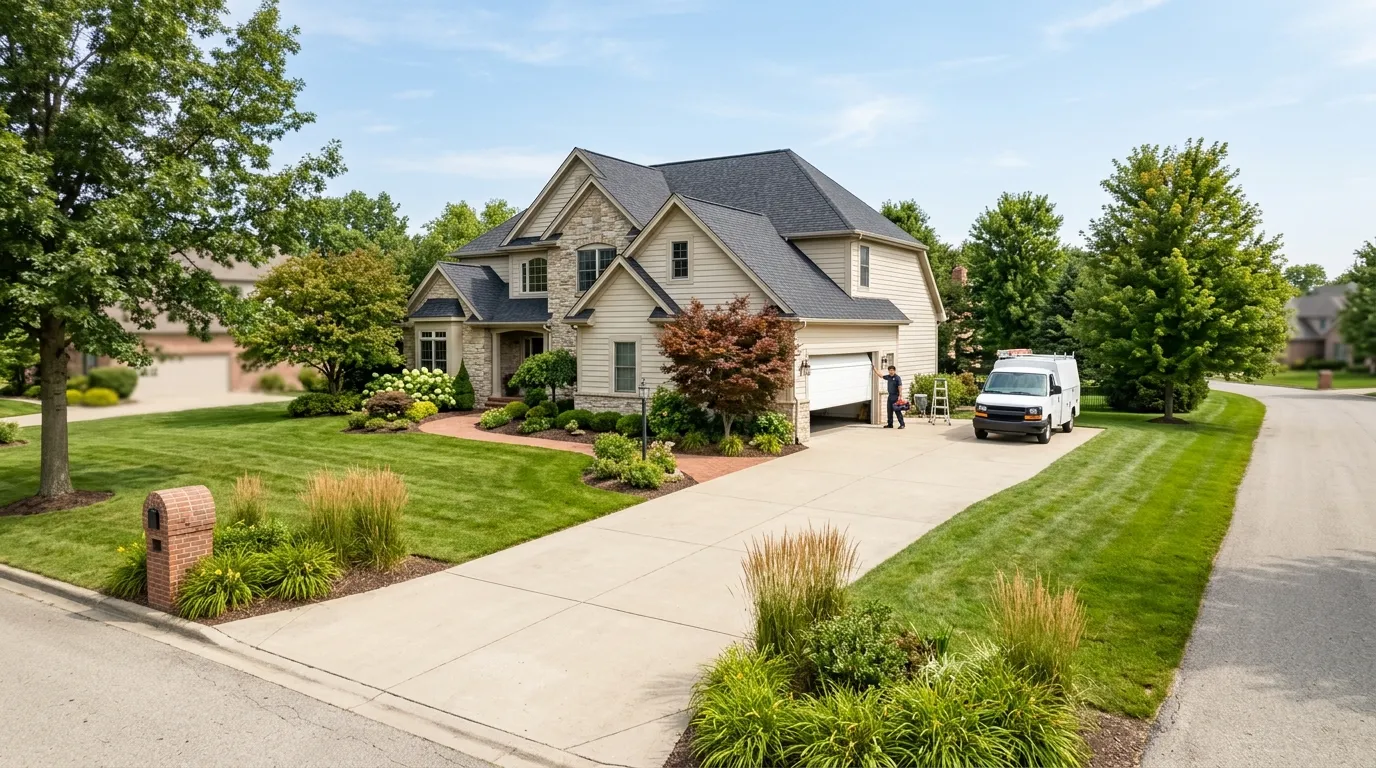
We're based in Lincolnwood, and Winnetka is about 7 miles out from there. That's not a same-block response - it's a drive, and we tell people that up front so nobody's left guessing. There's no branch or depot out this way; every job here starts with a truck leaving Lincolnwood.
When you call, tell us the age of the house if you know it, or at least whether the door looks original to the structure. On a town where the median build year is 1938, that one detail changes what we load before we leave - different spring sizing, different track hardware, sometimes a different approach entirely if the opening itself is non-standard.
We don't try to diagnose torsion spring issues over the phone beyond the basics. If the door won't open, won't close all the way, or is making a grinding or popping sound, we want eyes on it before we guess at parts.
What Can Go Wrong
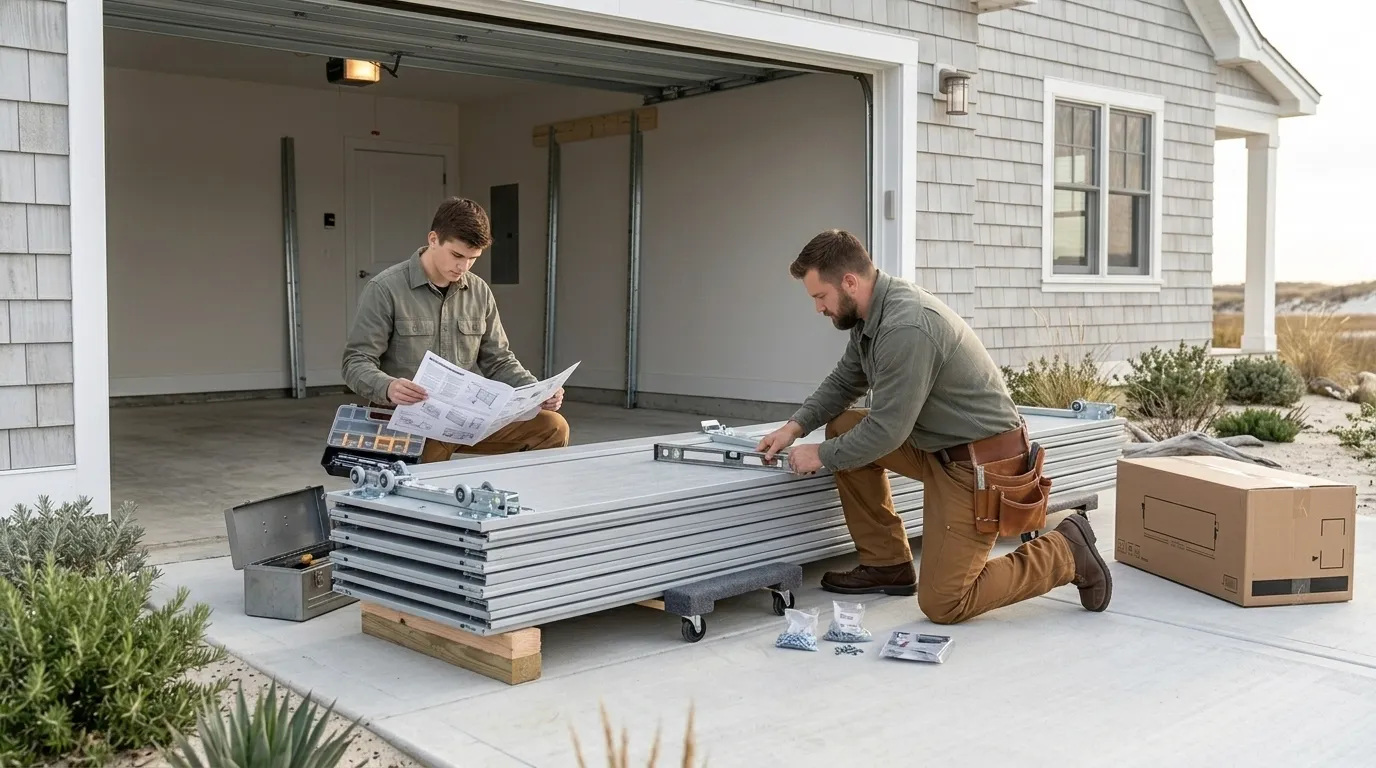
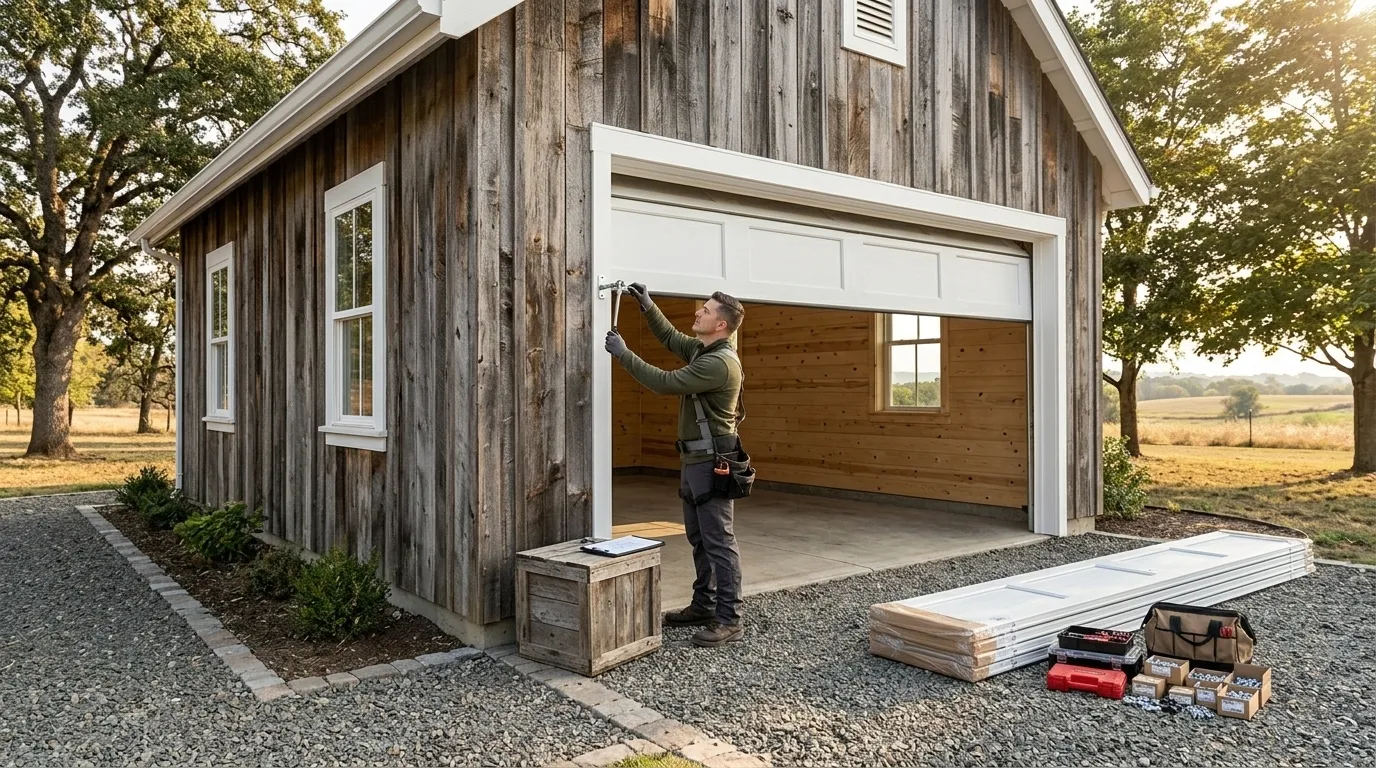
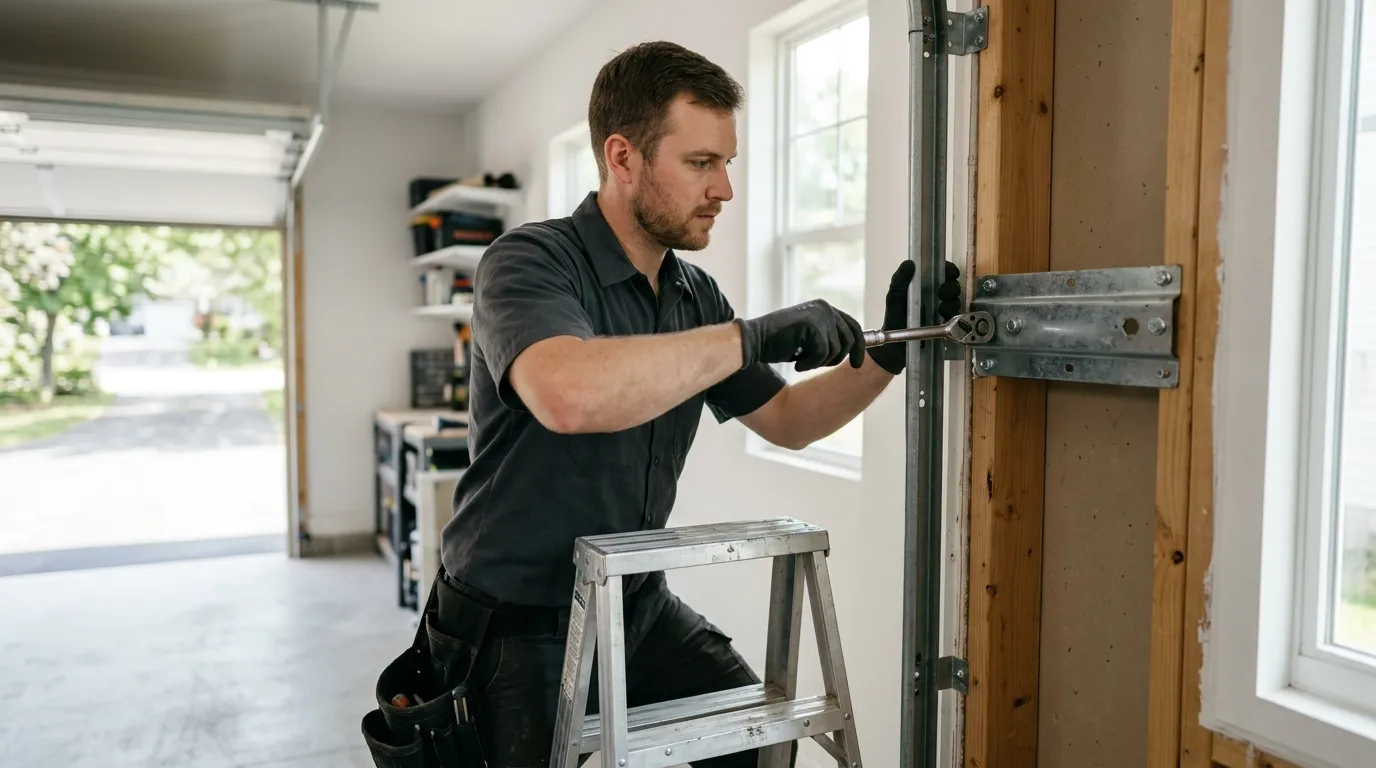
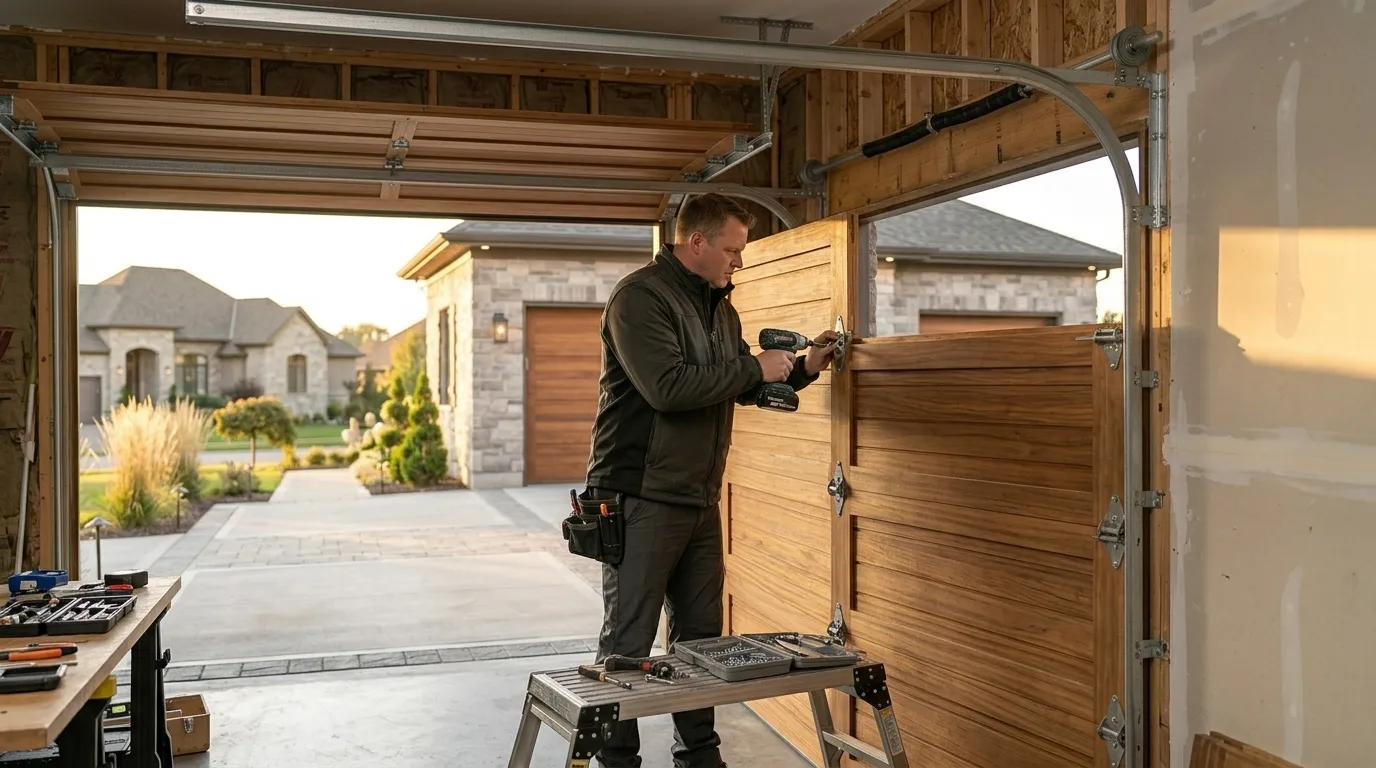
The most common issue on houses this old is a torsion spring that's simply worn out from decades of cycling, made worse by cold-weather stress on metal that's already fatigued. Because the build era here predates a lot of standardized door sizing, a spring replacement sometimes means custom measuring rather than grabbing an off-the-shelf size.
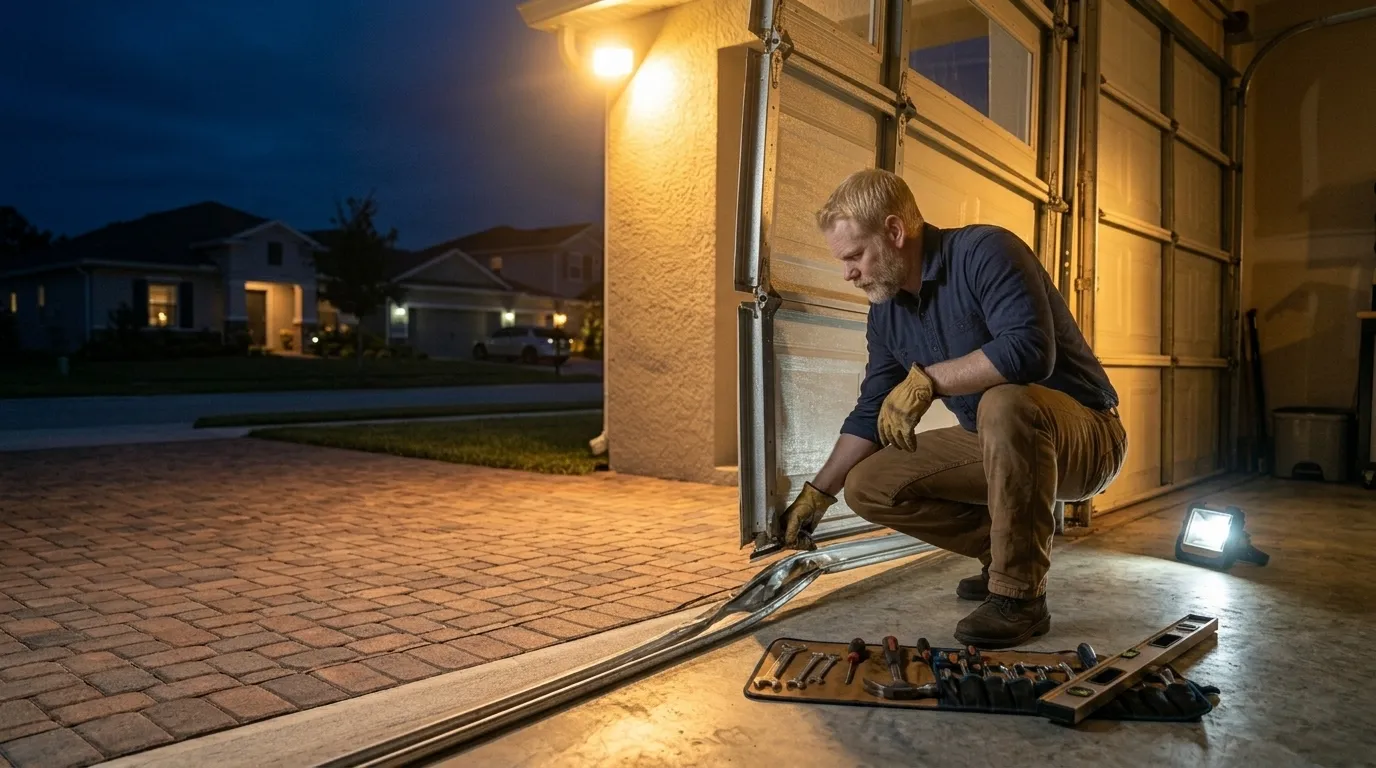
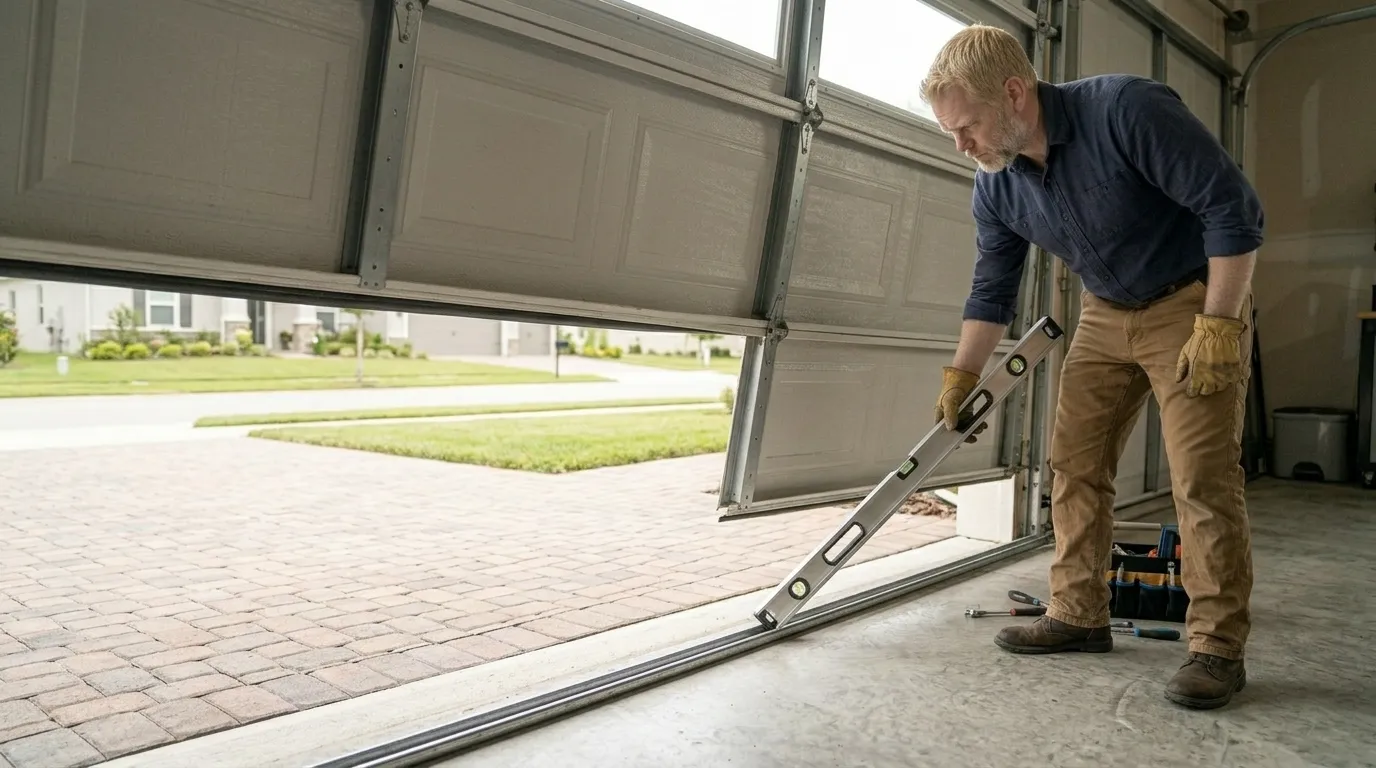
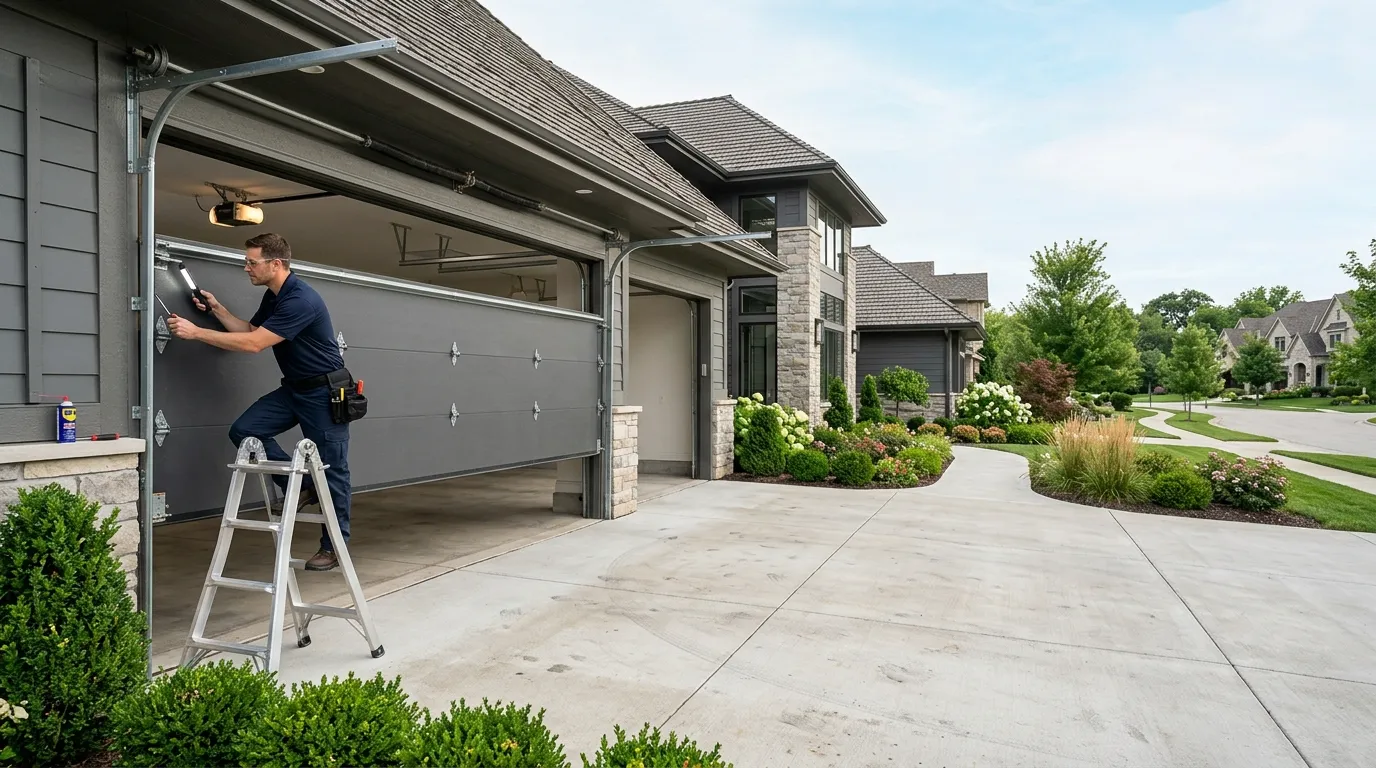
Track misalignment is another one - older jambs settle over the decades, and a track that was plumb in 1938 may not be plumb now. That shows up as a door that binds partway through its travel or drifts off the rollers.
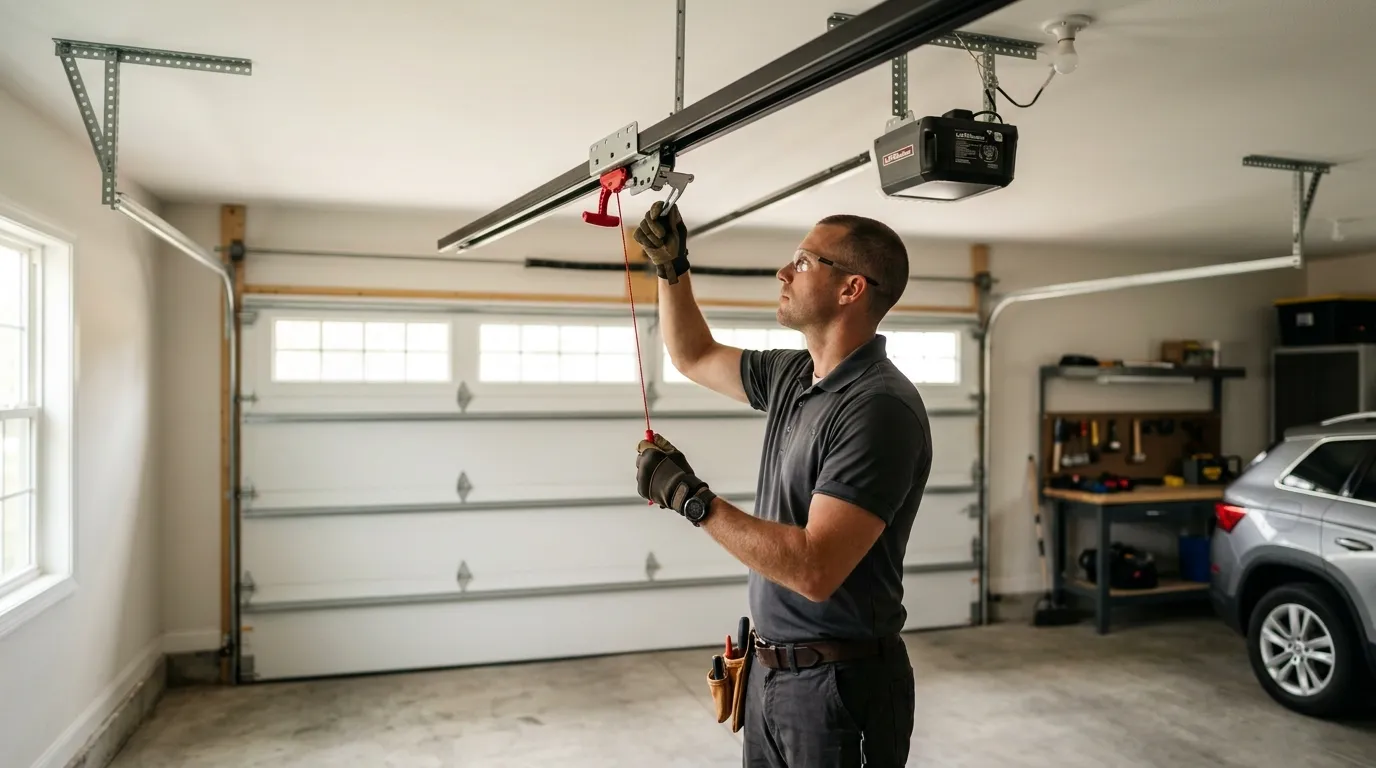
On the electrical side, older openers paired with newer safety sensors sometimes have wiring or mounting mismatches that need more than a simple part swap. We're upfront when a repair on one of these systems is a temporary patch rather than a real fix - sometimes the honest answer is that the opener itself needs replacing rather than nursing along for another winter.