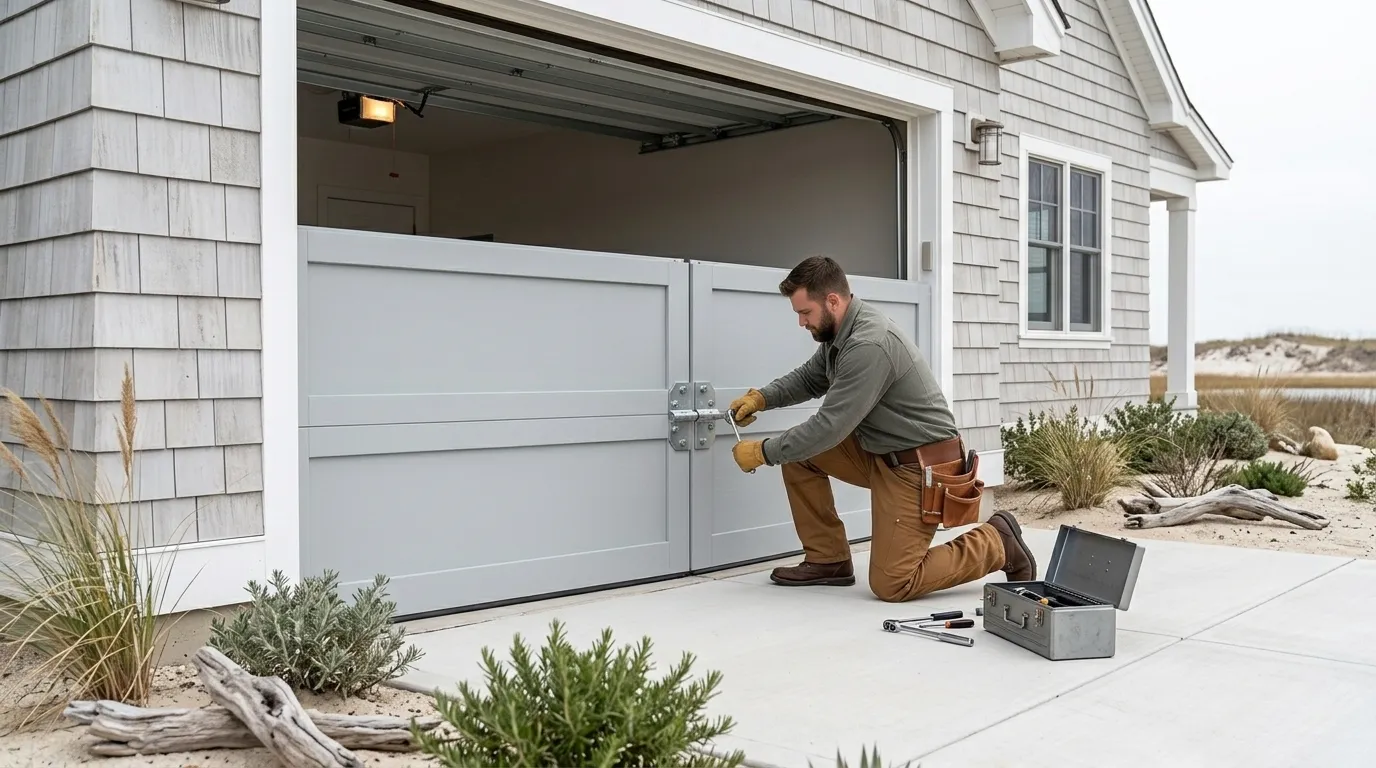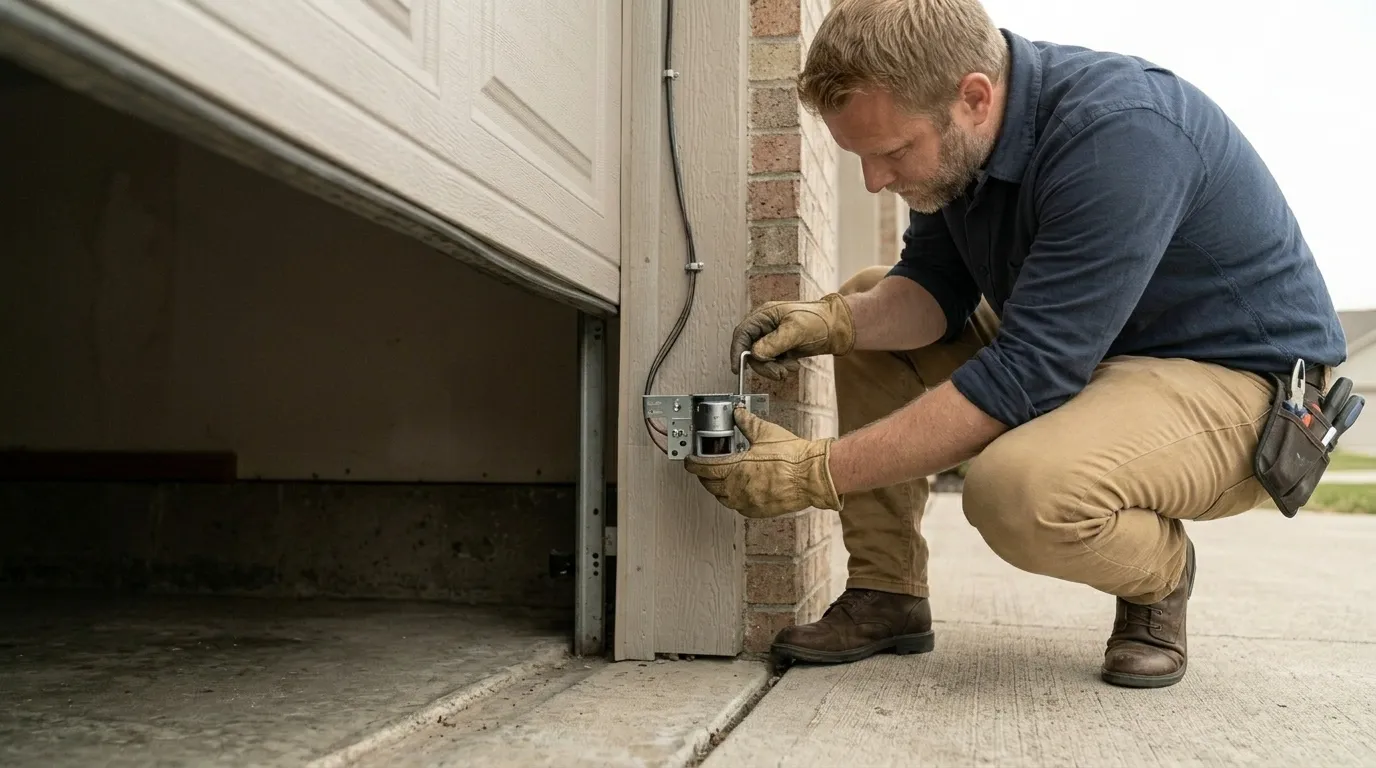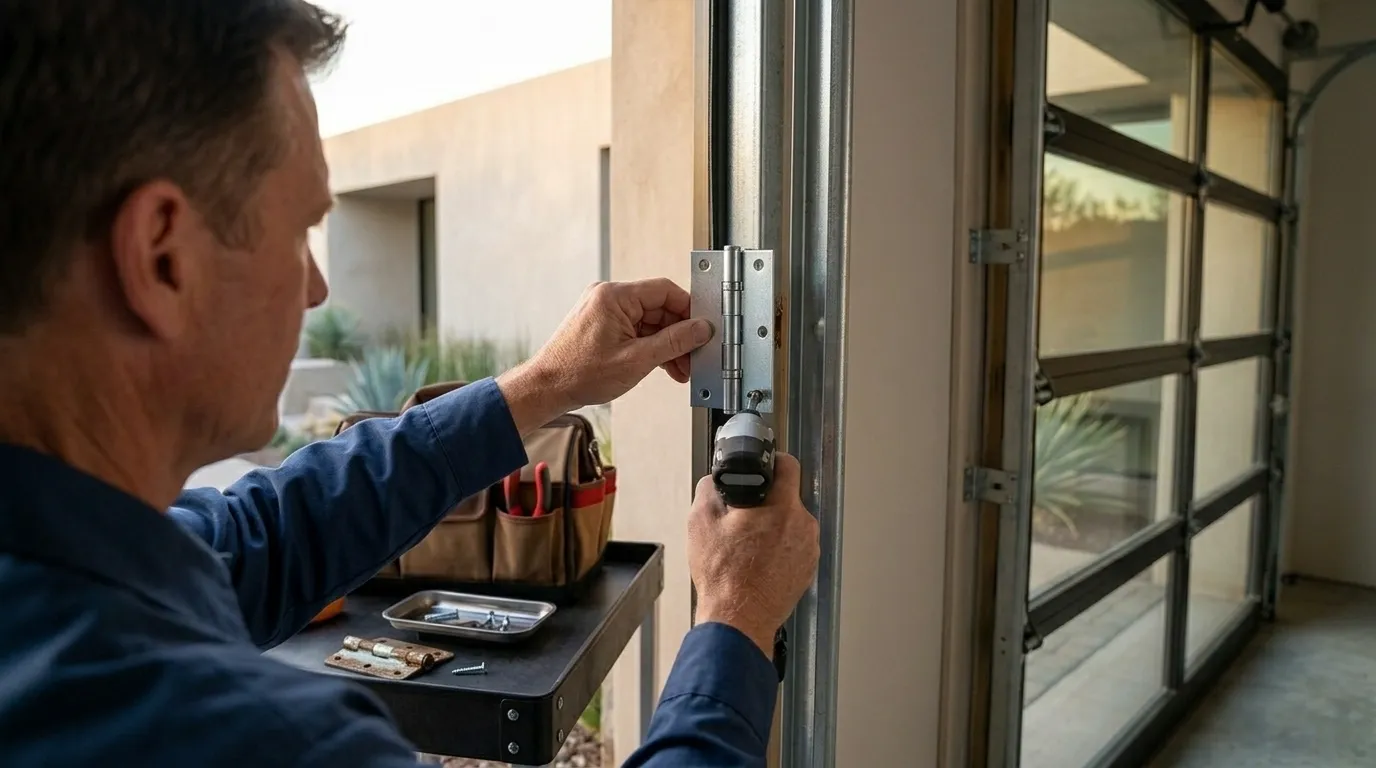
How It Shows Up
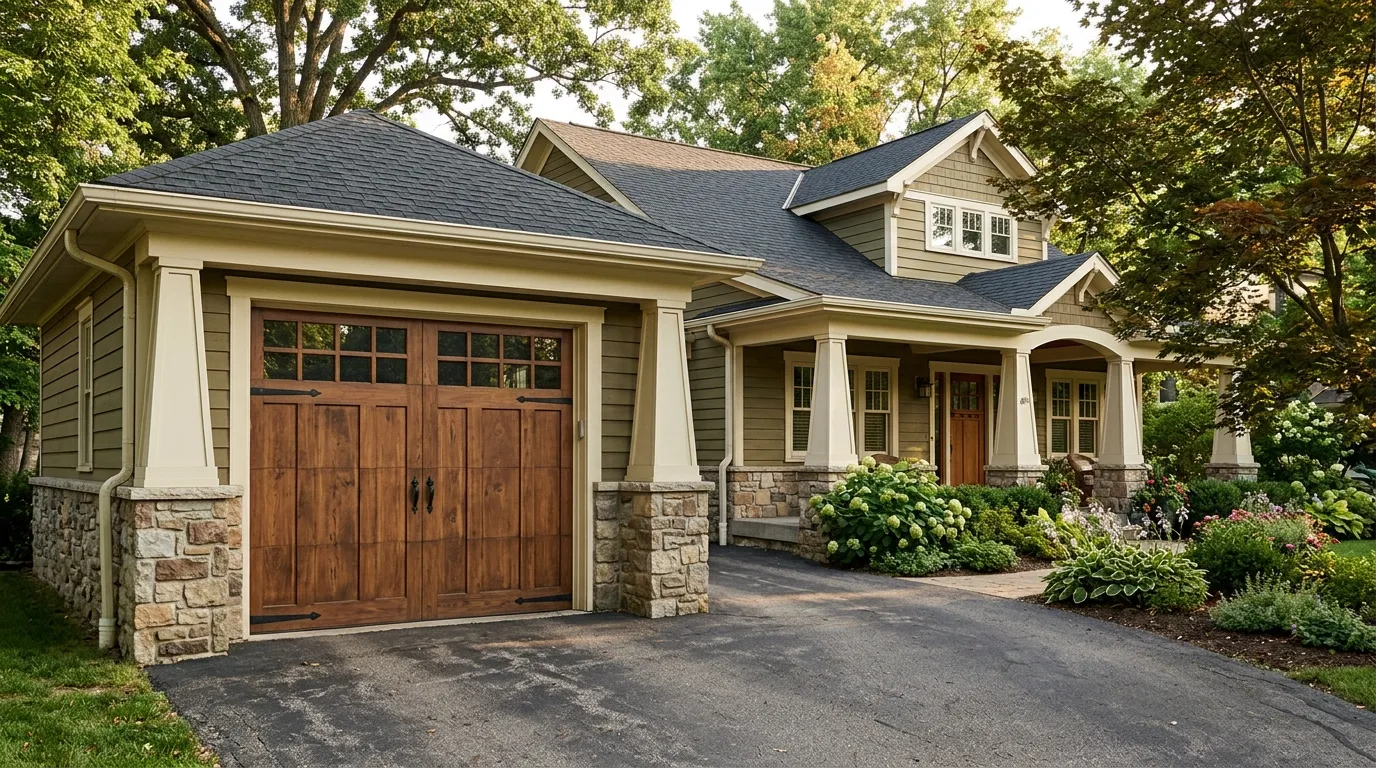
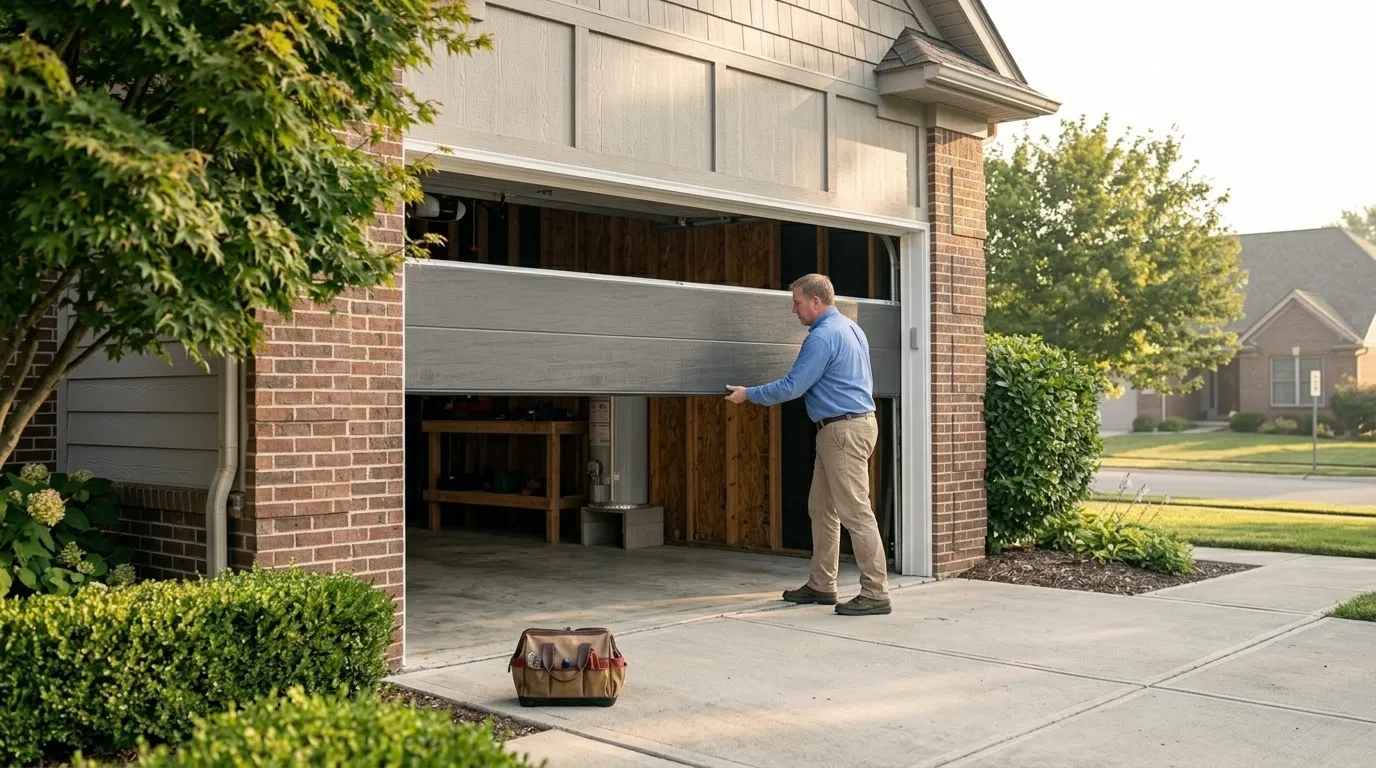
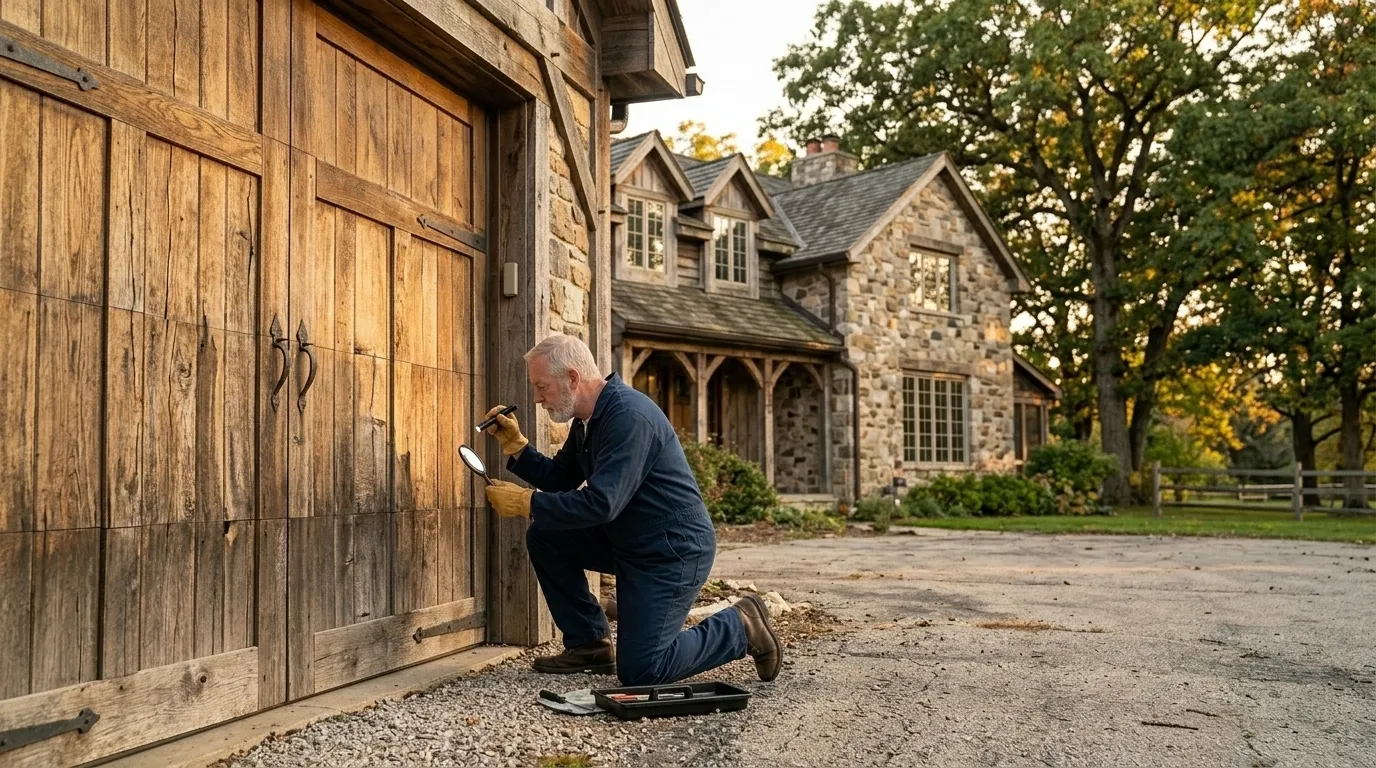
Most houses in Winnetka went up around 1938, a good two decades before the wider service area's overall median build year of 1961. That matters for panels because a door from that era is often original wood-frame construction, sized for a single-bay garage rather than the wide two-car steel doors that became standard later. When one of those panels fails, it doesn't look like a dented modern steel section - it's warped, delaminated wood, or a steel panel with seam spacing that nothing on today's shelf matches.
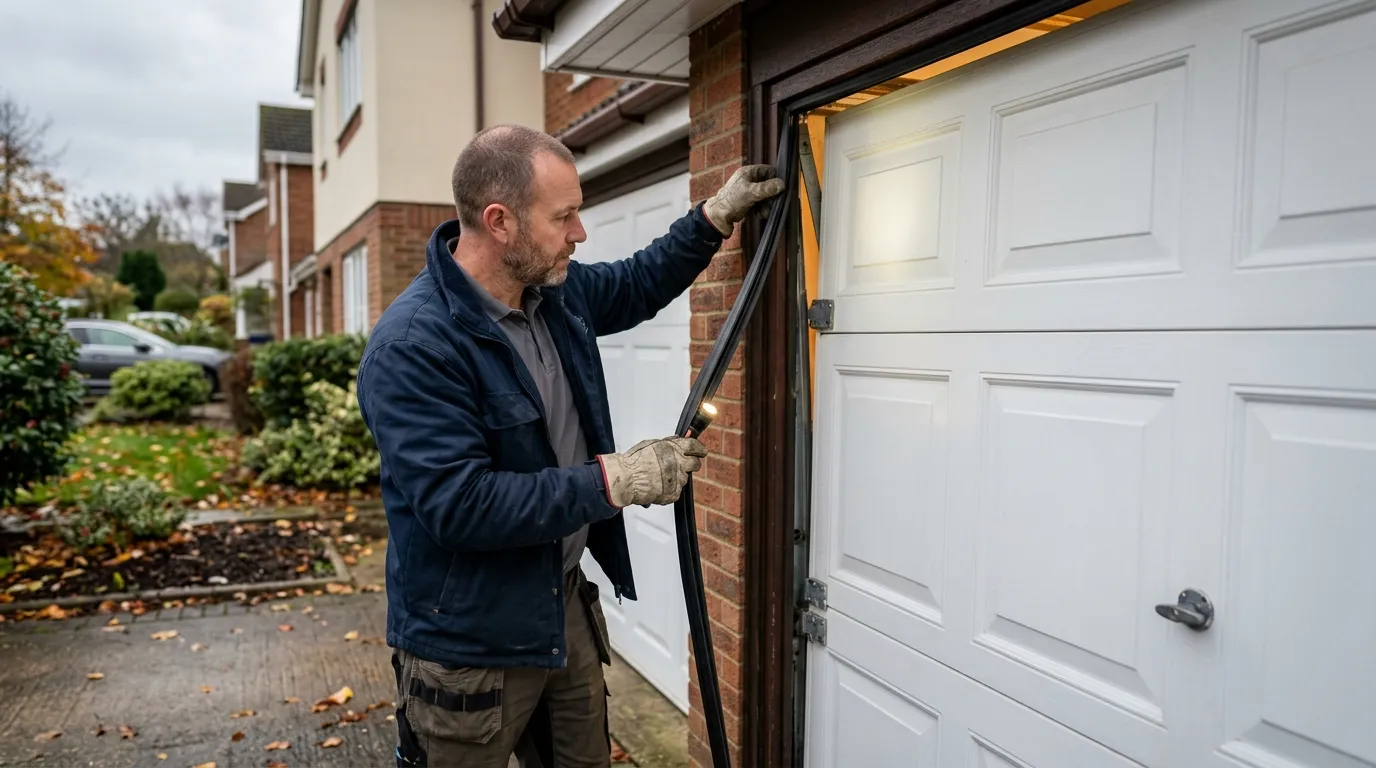
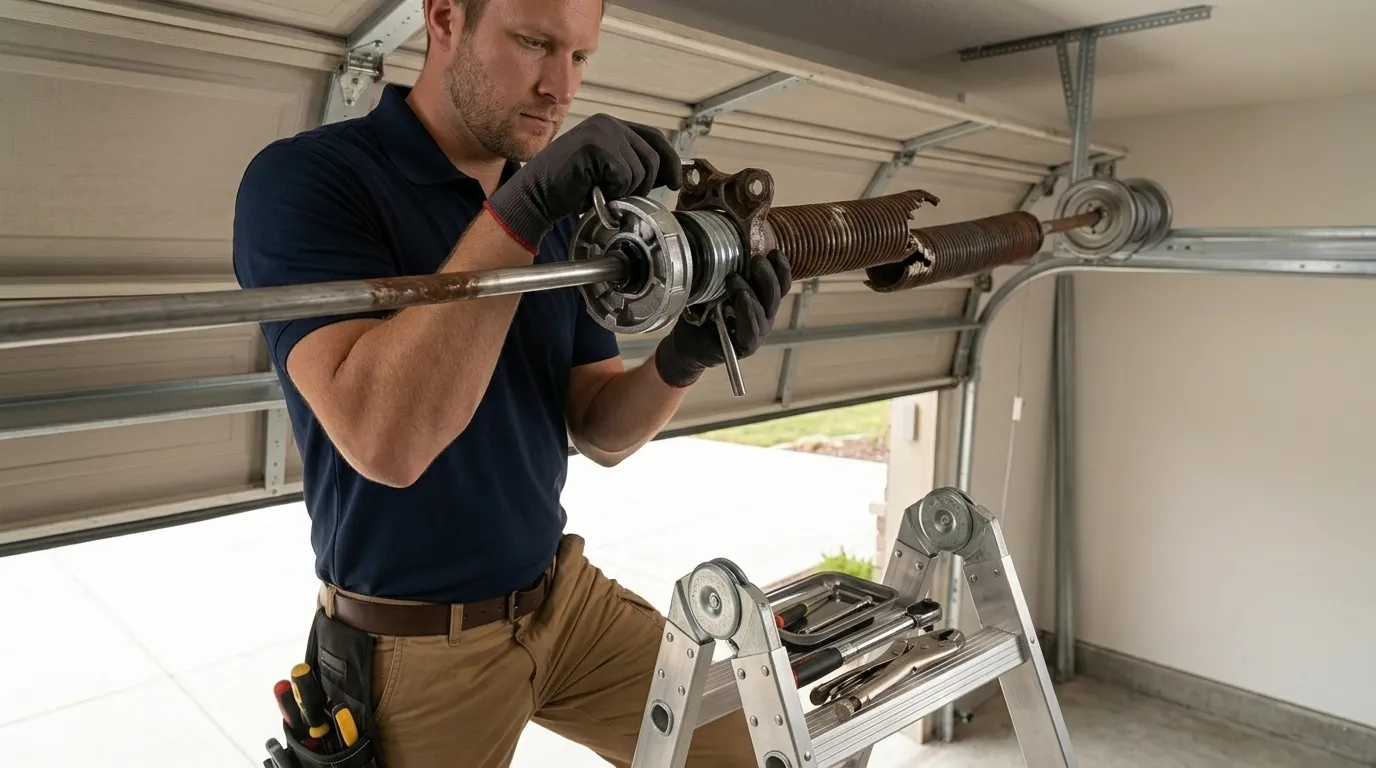
The cold winters here work on wood the same way they work on wood everywhere in this climate band: freeze-thaw cycles swell the grain, joints open, and paint that once sealed a seam stops doing its job. On the steel doors from a slightly later remodel, you'll see rust starting at the seam edges rather than the panel face, because that's where moisture sits longest. Either way, the damage usually shows up as a section that no longer sits flush against its neighbors, catching on the track or letting daylight through at the edge.
Booking a Visit
We run the truck out from Lincolnwood, seven miles from Winnetka. There's no branch or depot in town, and we're not going to promise a response window we can't back up from that distance - if timing matters to you, say so when you call and we'll tell you straight what's realistic that day.
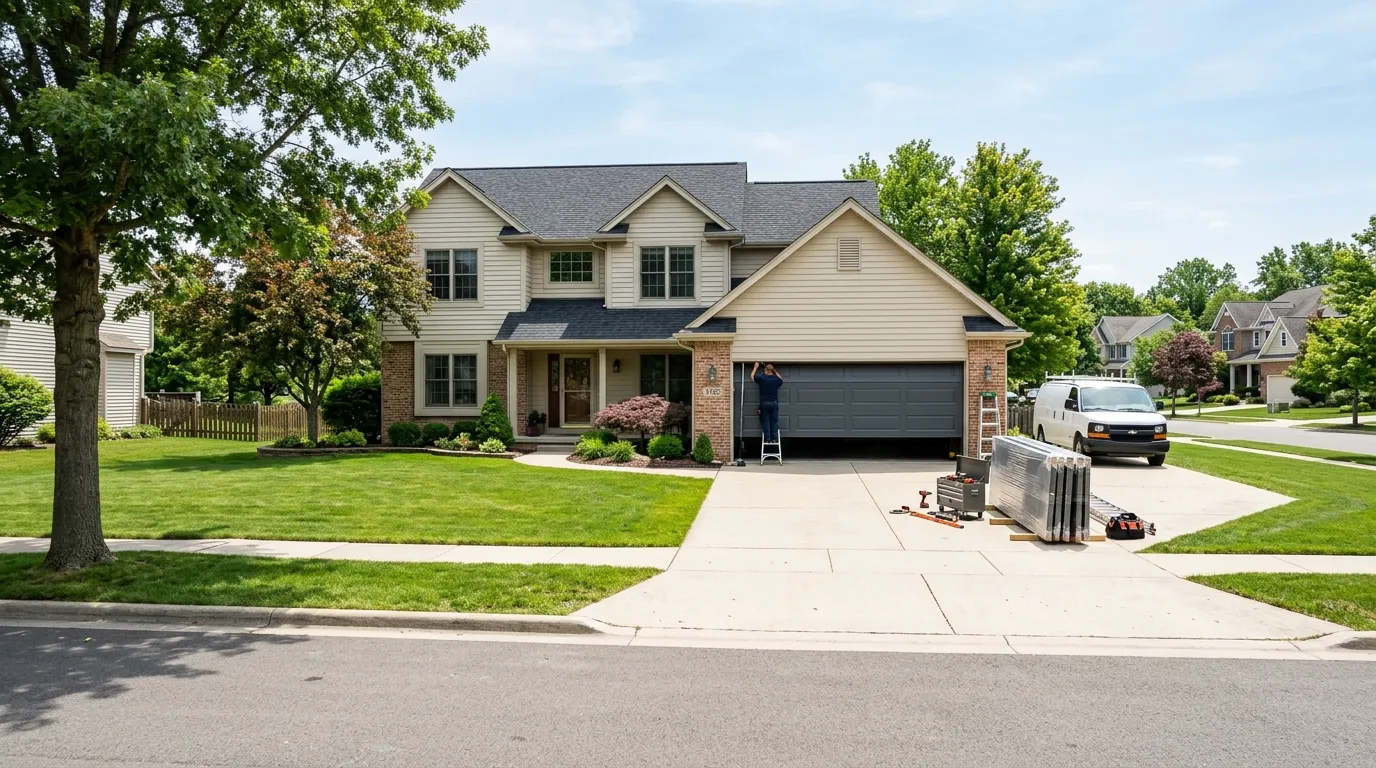
Because Winnetka's older doors rarely match a stock panel width, the visit usually starts with measuring the exact panel and section dimensions on site before anything gets ordered. That's different from a newer subdivision job where the tech can often quote a panel off the door's model number alone. Here, the model number may not exist anymore, or the door may predate model numbers being stamped at all. Bring any paperwork you have from a past repair - it saves a trip.
What Can Go Wrong
With around 4,268 households in Winnetka and a housing stock skewed old, custom panel orders for these widths don't move in volume the way standard modern sizes do - so lead time on a special-order panel runs longer here than it would for a common two-car steel door elsewhere in the service area. That's worth knowing before you commit to a repair timeline.
The other risk is mismatch: a panel close enough in width to install isn't always close enough in color, grain, or seam spacing to look right next to the original sections. On a wood-frame door that's been painted over decades, an exact color match usually isn't realistic either. For some of these doors, once you're sourcing one custom panel, the cost and wait start to close in on what a full replacement door would run - worth weighing before you order just the piece.