Booking a Visit
Western Springs sits at a median household income of $218,839 - more than double the $99,861 median across the rest of the areas we cover from Lincolnwood. That number matters here because it changes the math on this job before a truck ever leaves the yard. At this income level, most owners don't spend three visits nursing along a track full of worn nylon rollers on a door that's original to a house built around 1960. They fix it once, correctly, with hardware sized for the door they actually have.
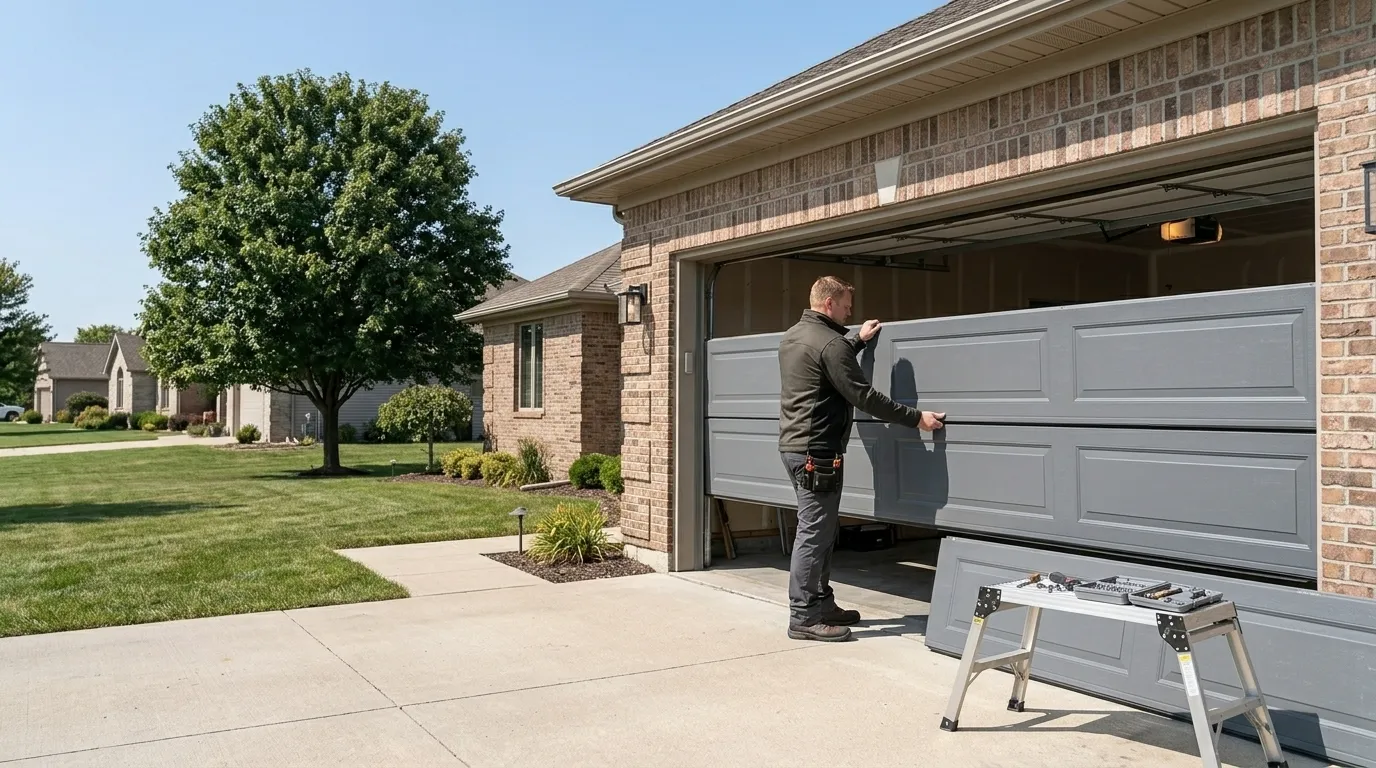
We run this job out to Western Springs from Lincolnwood, about 16 miles each way. That drive means we book the visit around a firm appointment window rather than a same-day drop-in - we're not staged in town, so we ask you to plan the date with us rather than expect a truck on standby. Once we're on site, roller replacement on a standard double door is a same-visit job start to finish. See near you for how we handle the rest of the service area, or check roller replacement in Lincolnwood for how the base job compares closer to home.
What Can Go Wrong
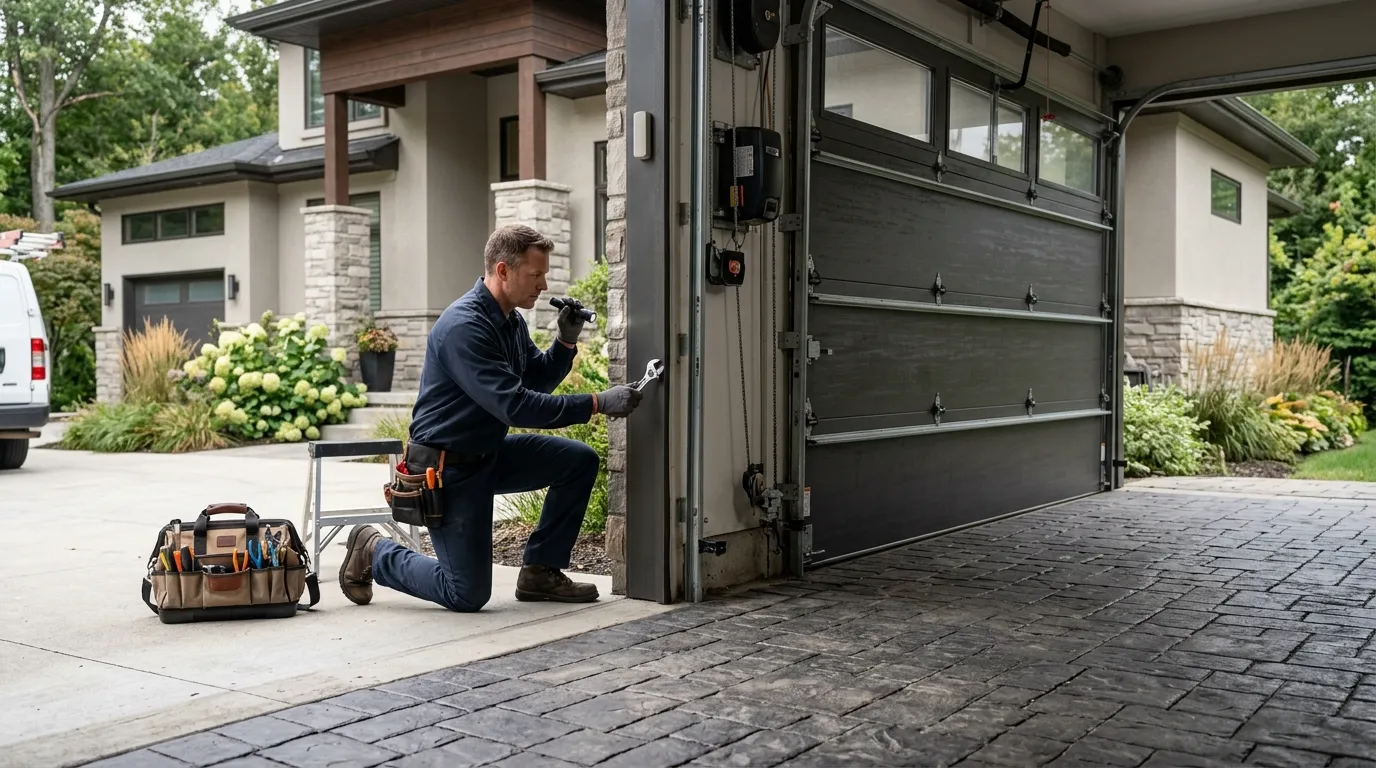
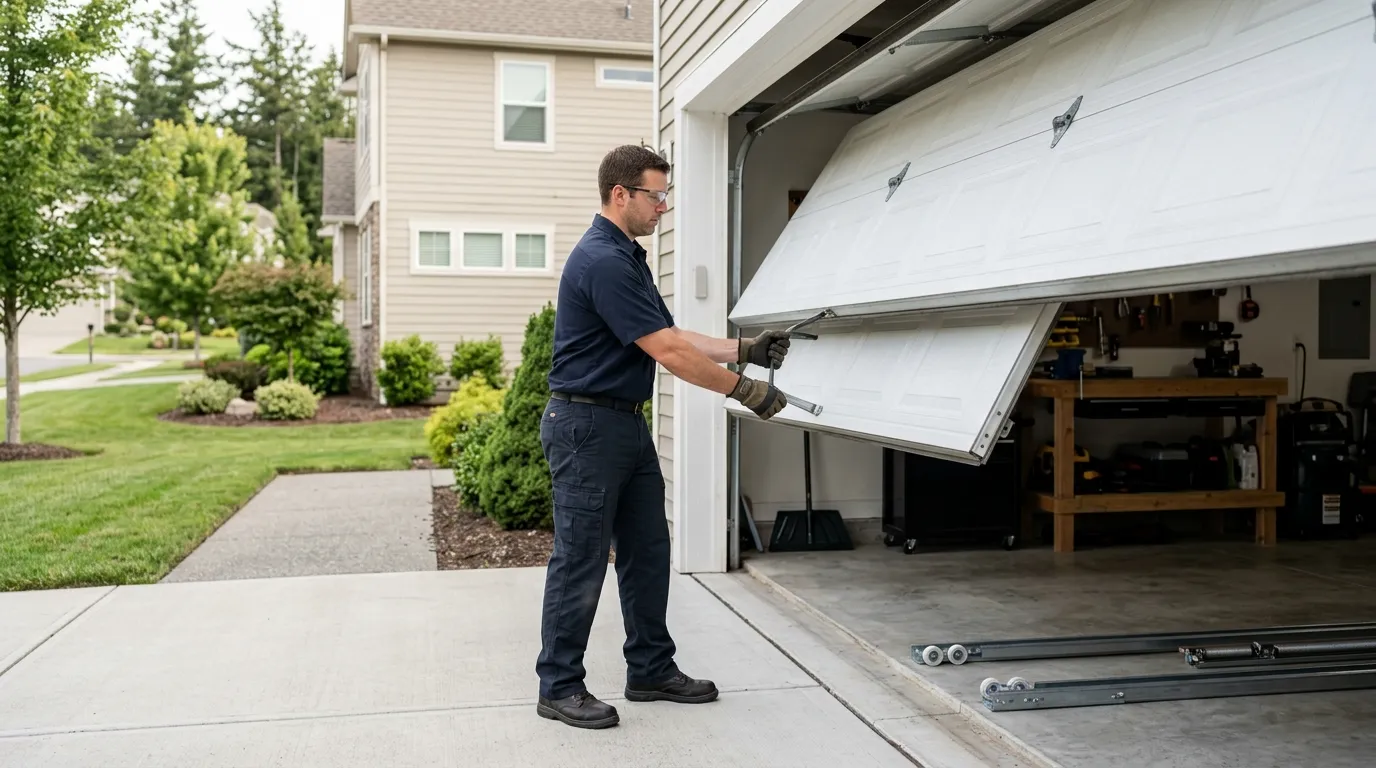
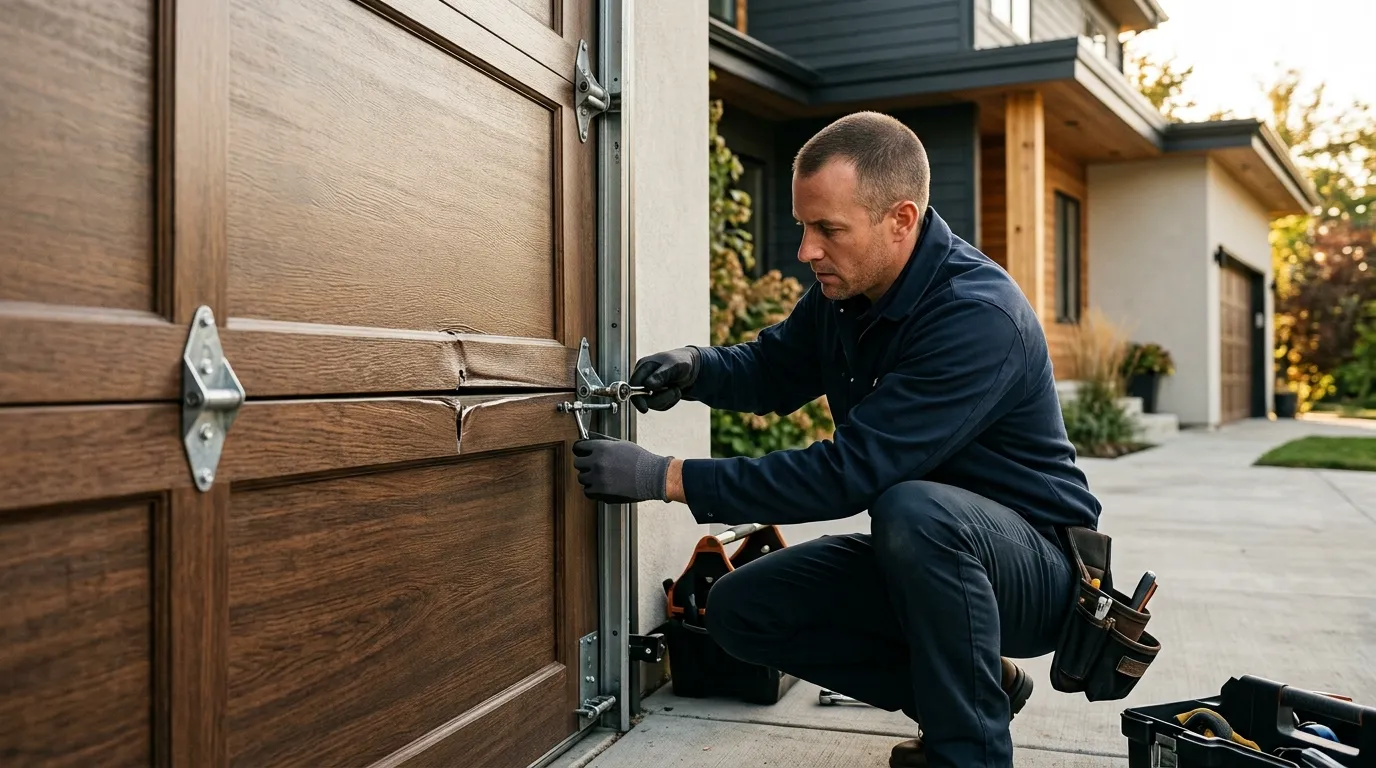
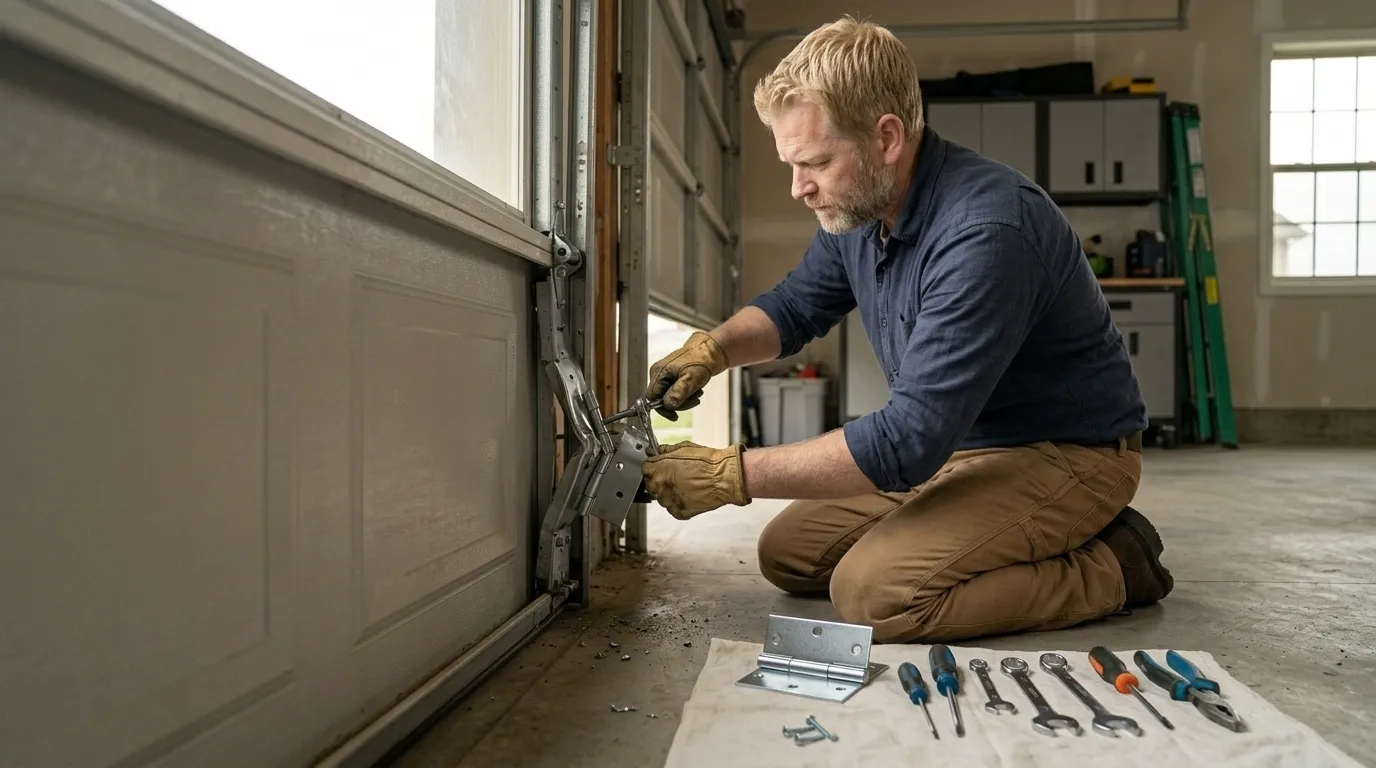
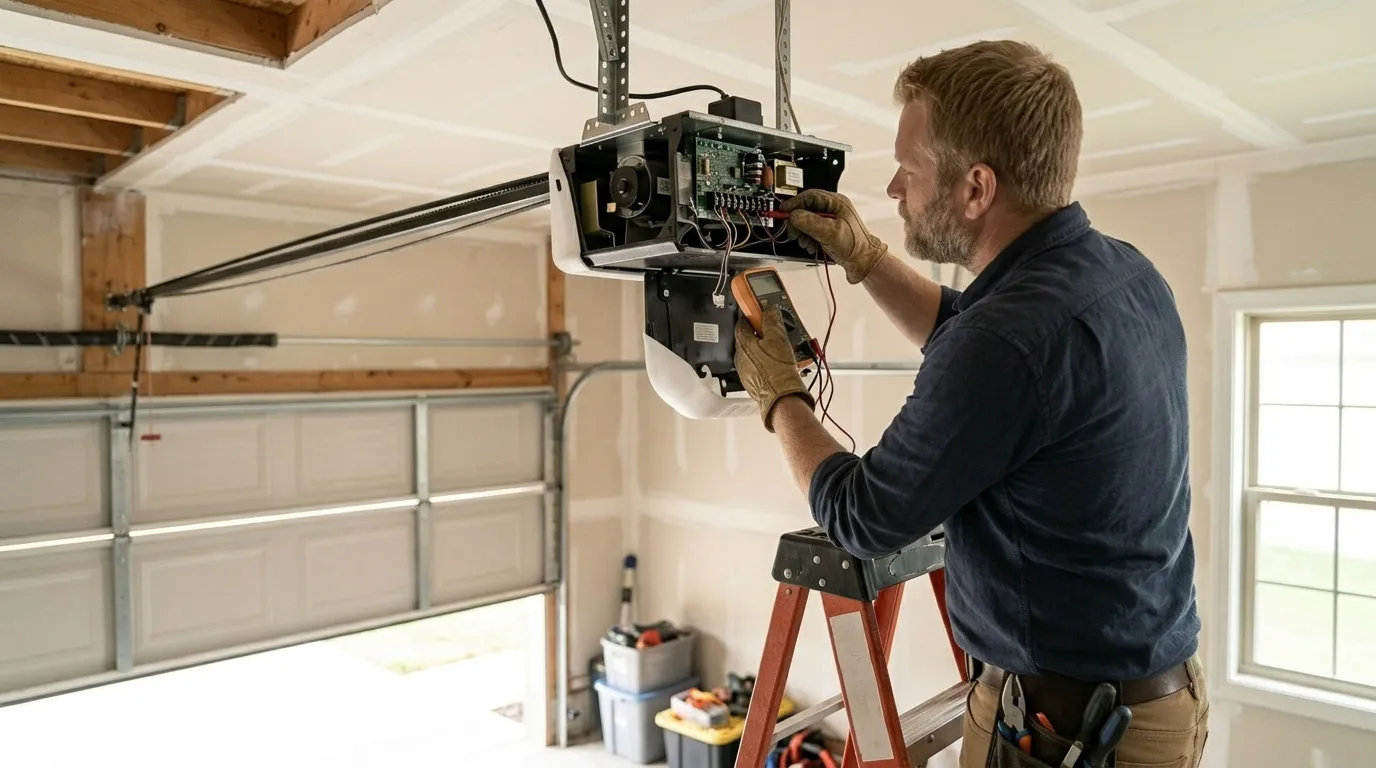
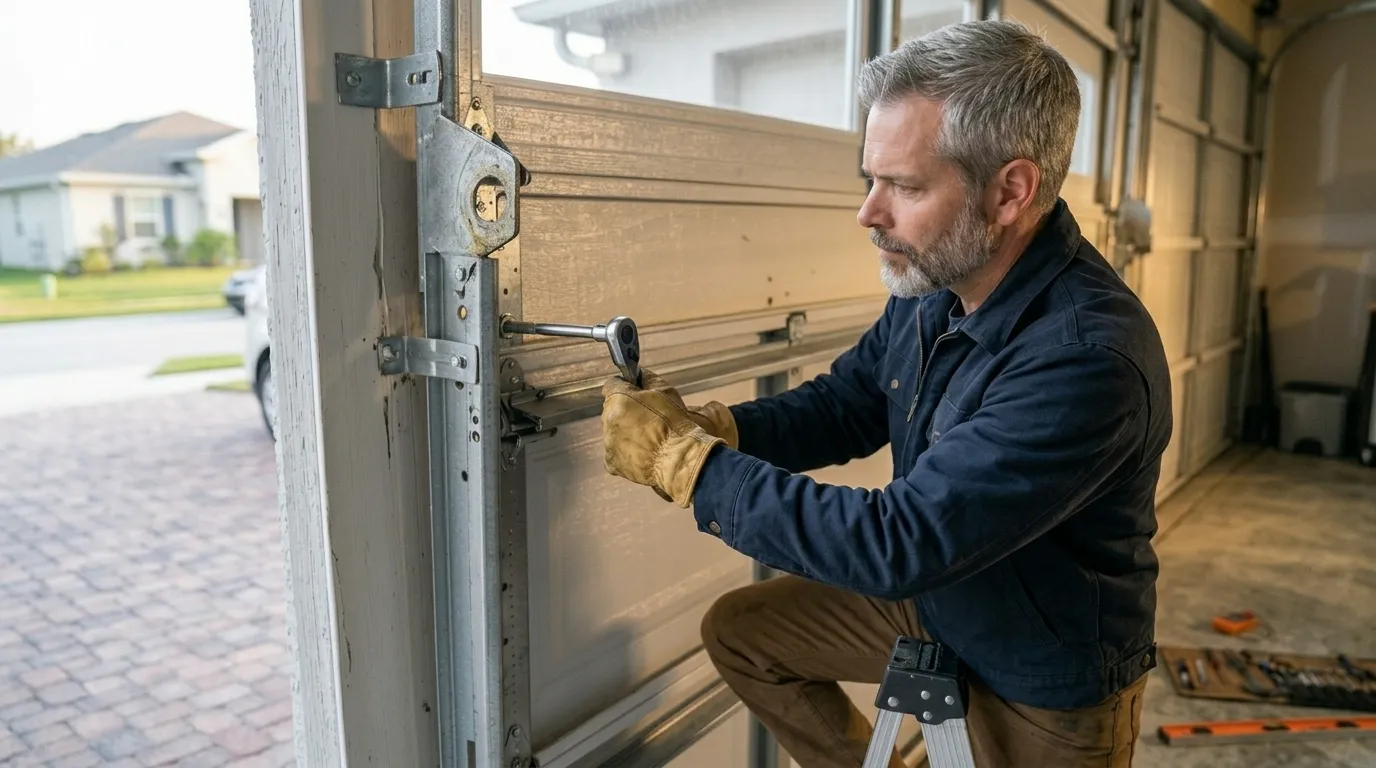
On a door from the 1960 era, the roller failure usually isn't the roller alone - it's the track it rides in. Steel rollers original to that period wear grooves into galvanized track that's now over sixty years old, and a new nylon roller dropped into a worn track will still bind, still jump, and still throw the door off its rails within a season.
The other common failure is the stem. Older rollers used a shorter stem with a plain bearing, no seal, and no ball bearing housing. When that stem wears oval instead of round, the roller wobbles side to side every time the door runs, which chews up the track edge and eventually cracks a hinge under the load. You'll often see one side of the door sagging slightly lower than the other - that's the tell that it's the stem and track together, not a single bad roller.
Cables can also fray where they cross a worn roller bracket, since the bracket edge that should be smooth has been ground rough by decades of steel-on-steel contact. That's a separate fix, but it shows up on the same inspection.
Why This Fails Locally
Western Springs' housing stock centers on 1960, which puts most garage doors here squarely in the era of steel track built to older tolerances and rollers with plain, unsealed bearings - no nylon, no ball bearing sleeve. That hardware wasn't built to run smoothly through a Chicago-area cold winter, and the region's cold-moderate climate band means real freeze-thaw cycling every year, not just an occasional cold snap.
That cycling is the actual mechanism of failure. Cold contracts the steel track fractionally, tightening the gap the roller rides in; the plain bearing, already worn from sixty-plus years of use, seizes slightly stiffer in the cold and grinds instead of rolling. Do that every winter for decades and the roller wears unevenly, then the track wears to match the roller's wear pattern, and the two end up fighting each other. A newer nylon roller with a sealed bearing doesn't have that problem - it's built for exactly this kind of temperature swing - but only if the track it's going into is straight enough to take it.
The Cost of This Job
At a median household income of $218,839, the calculation in Western Springs tends to favor doing the job right the first time over doing it cheap twice. A full roller set with sealed bearings costs more upfront than a mismatched patch job, but it doesn't come back in eighteen months the way a bargain roller in a worn track does.
We don't have a published price to quote here - every job depends on what the track inspection turns up, and on a house this age that inspection matters more than usual. What we can say is that if the track is straight, roller replacement alone is a contained job. If the track is worn to match a roller pattern from the 1960s, that's a track-and-roller job, and it's priced differently because it's a different scope of work. We'll tell you which one you've got before we start, not after.