Serving Lincolnwood, IL & nearby
(224) 353-7699
Lincolnwood, IL

Garage Door Service for Western Springs' 1960-Era Homes

Western Springs homes date mostly to 1960 - original torsion hardware is common. We travel 16 miles from Lincolnwood to service these doors correctly.

Garage Door Service for Western Springs' 1960-Era Homes
Lincolnwood, IL
8 services
5 service areas
Diagnosis first, then the fix

Booking a Visit

We run this job out of Lincolnwood, which puts us about 16 miles from Western Springs. We don't keep a branch or a truck staged here, so we can't promise a same-hour arrival window the way a shop based in town might. What we can do is schedule the visit around the specifics you give us on the phone - door age, symptom, whether it's stuck open or stuck shut - because with a town this size (roughly 4,475 households), most calls end up being about the same handful of original components wearing out at the same time.

If you're comparing us against other towns we cover, the nearby areas page lays out the full list, and our main Lincolnwood service page covers what we do outside of this specific hardware problem. This page is just about the door itself - what's likely original, what that means for the repair, and where a straight swap makes more sense than another patch.

What Can Go Wrong

The median year built here lands around 1960, which puts a lot of these garages inside the 1938 to 1994 window that defines the wider area's housing stock. What that means in practice: a fair number of doors still carry their original torsion or extension spring setup, original hinges, and in some cases the original opener drivetrain, just because nobody had a reason to replace a working part.

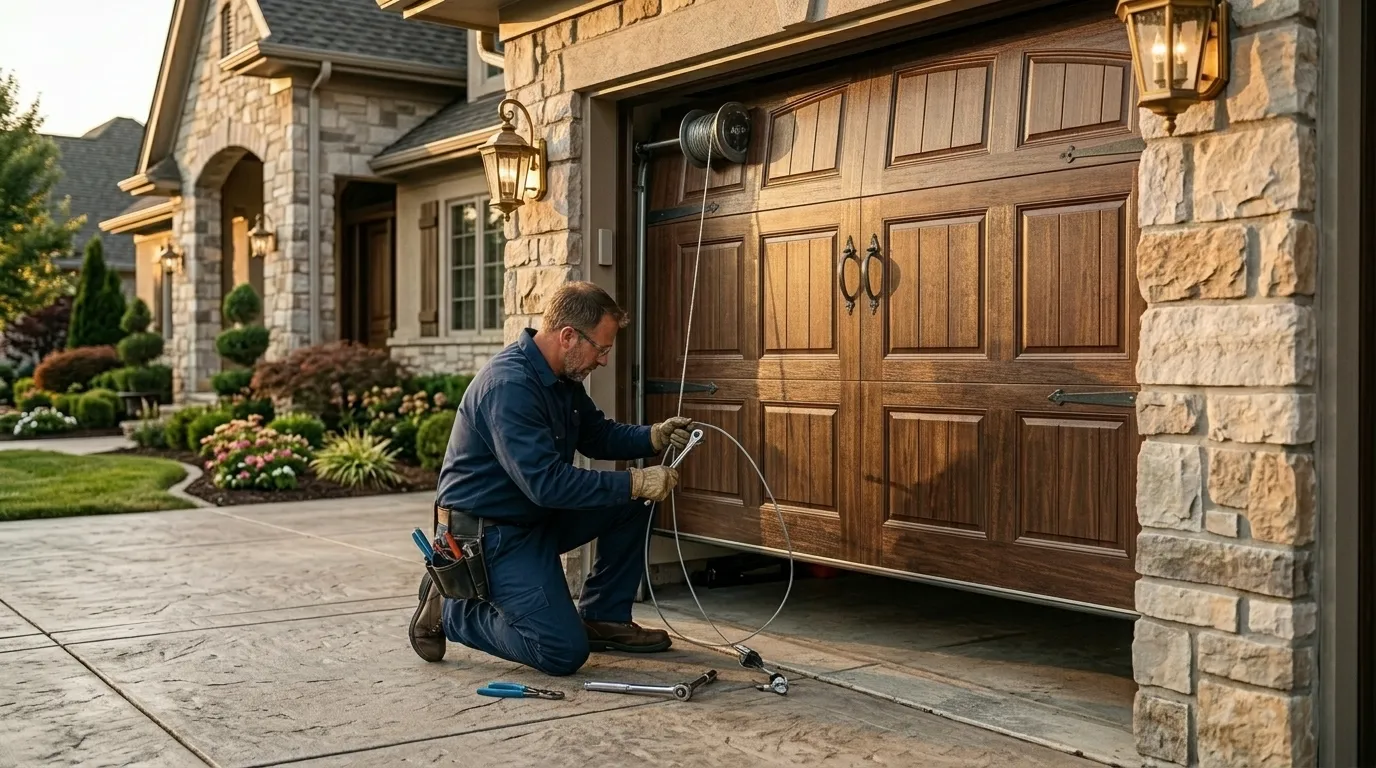
Springs don't fail gracefully. A torsion spring rated for 10,000 cycles in 1960 has usually taken tens of thousands more than that by now, and the failure point is almost never gradual - it's a bang, then a door that won't lift, or one that slams down because only one spring is still holding. Extension springs from that era, if they were never fitted with a safety cable, are the more dangerous version of the same problem. Track alignment is the other common one: sixty-plus years of a house settling shifts the opening just enough that rollers start binding, especially on steel track that was never designed with today's heavier insulated panels in mind.

The DIY Question

A torsion spring under tension can put out enough force to break a hand or worse, and that risk doesn't change because the house is older or newer. What changes with age is how much you actually know about what you're working on. On a door installed in 1960, the winding cones may be a discontinued size, the drum may not match anything sold today, and the spring itself may be a wind you can't identify without pulling it.

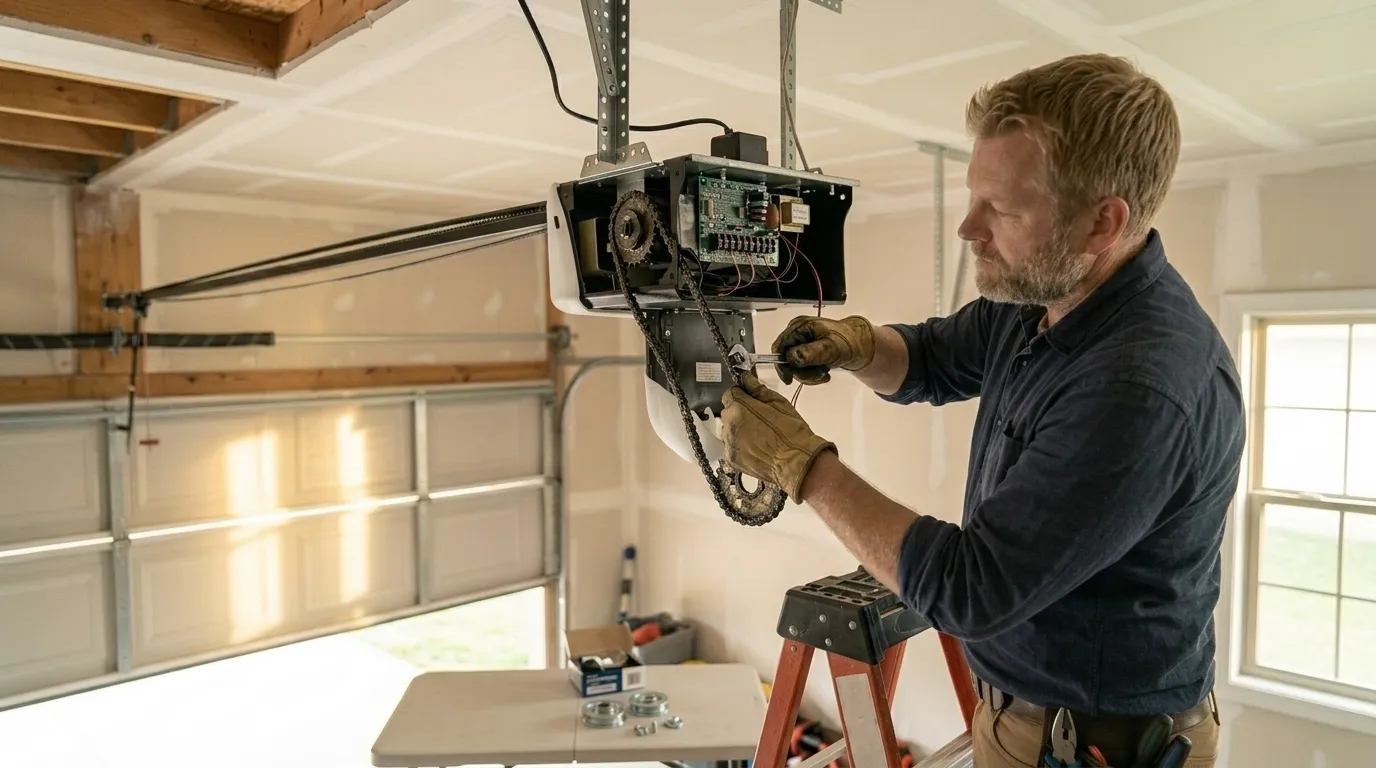
Opener boards and photo-eye sensors are a safer DIY category - swapping a remote or reprogramming a keypad is fine to do yourself. Springs, cables, and anything holding the door up under tension is not. We'll tell you straight if a job is a ten-minute fix you could do yourself; we don't pad every call into a truck roll. But original 1960-era torsion hardware is exactly the kind of job where guessing costs more than the service call would have.

Why This Fails Locally

Household income in this area runs well above the wider service area's median of $99,861 - here it sits around $218,839. That number matters for one reason: homes at this income level tend to have wider garage openings, heavier doors (real wood, insulated steel, sometimes double-thickness panels), and two-car setups rather than single bays. Original 1960 hardware wasn't engineered for that load if a door's ever been upgraded or replaced without upgrading the springs to match.

That mismatch is the actual local failure mode: a heavier door on a spring system sized for a lighter, older panel. It shows up as an opener straining on every cycle, a door that won't stay up on manual release, or cables that fray faster than they should. It's not a Western Springs-specific defect so much as a Western Springs-specific combination - older infrastructure, newer or heavier doors sitting on top of it.

The Cost of This Job

We don't have a fixed price to quote here, and we're not going to invent one - every door's spring size, drum type, and cycle count is different enough that a number pulled out of thin air would be more misleading than useful. What we can tell you is what drives the cost: whether it's a spring-only repair or a full opener and track job, whether the hardware is a standard size we carry on the truck or something we need to source because it matches a 1960s original.

That second case is the honest limitation on this page - if your door needs an obsolete part, lead time is out of our hands, and we'll say so on the phone rather than promise a same-day fix we can't deliver. Straight replacement is often the better call once a door's original hardware has clearly reached the end of its cycle life; we'll tell you when that's true instead of running another patch repair.
How It Shows Up

On a call, this pattern is easy to spot once you know what you're listening for. A door that groans and shudders on the way up, rather than moving smoothly, usually means the spring is past its rated cycles and the opener is doing work it shouldn't have to. A door that won't stay up when you pull the manual release cord is a spring problem, full stop - that's the counterbalance failing, not the opener.

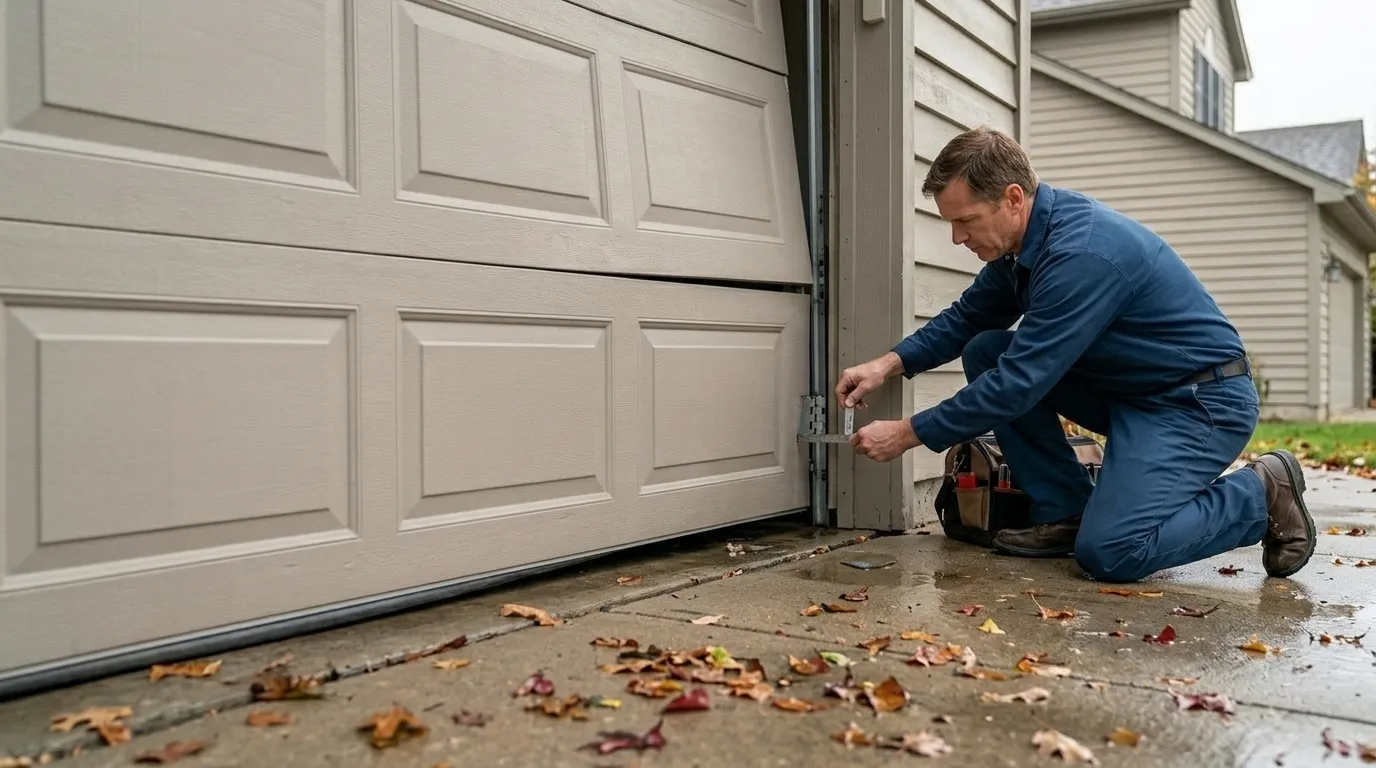
Uneven closing, where one side of the door reaches the floor before the other, points to a cable or roller issue on one side, sometimes tied to track that's shifted with the house settling since 1960. None of these are emergencies in the sense of immediate danger if you leave the door alone and call, but a door that's binding or slamming shouldn't be cycled again until someone's looked at it.

How it works

From “it’s stuck” to “it’s fixed”

Tell us what’s wrong - Lincolnwood garage door service

Tell us what’s wrong

Describe the symptom - won’t open, loud bang, opener runs but the door won’t move.

On-site diagnosis - Lincolnwood garage door service

On-site diagnosis

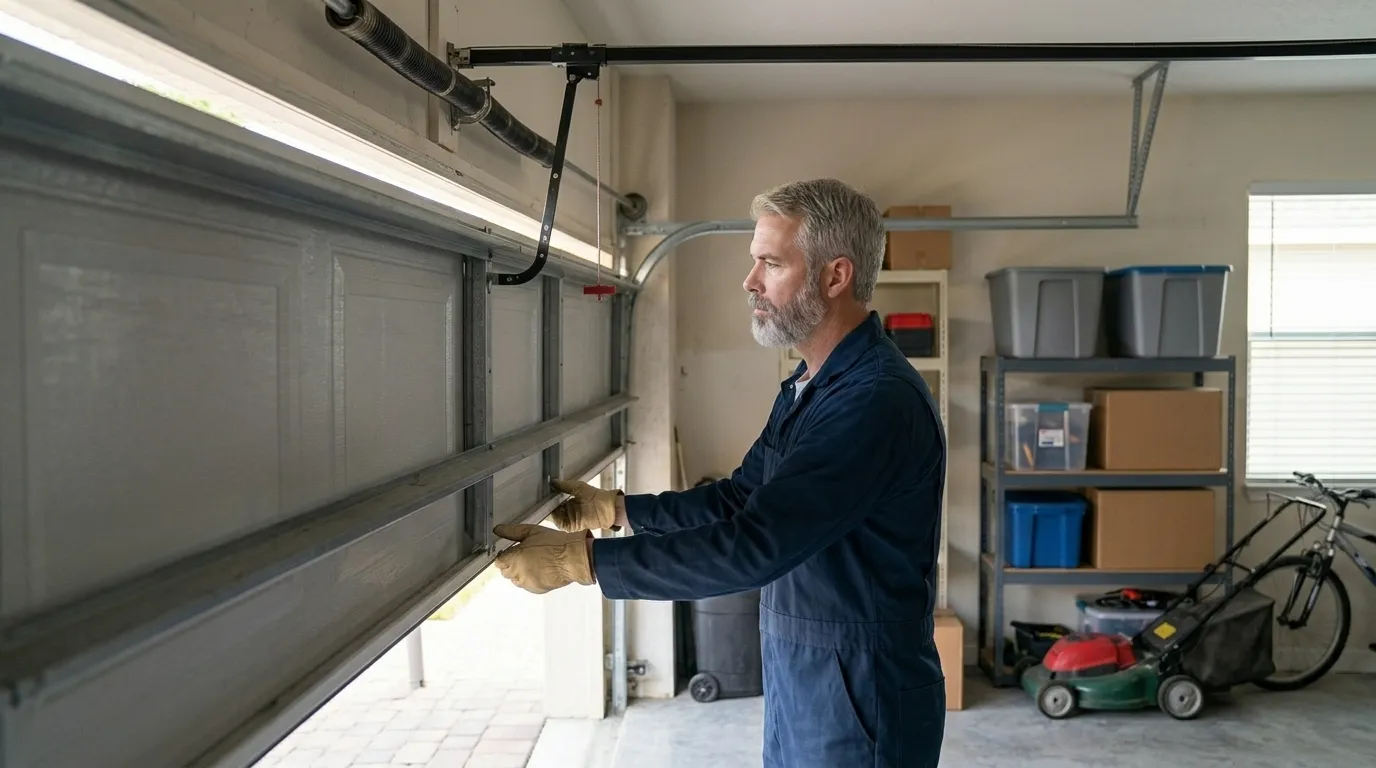
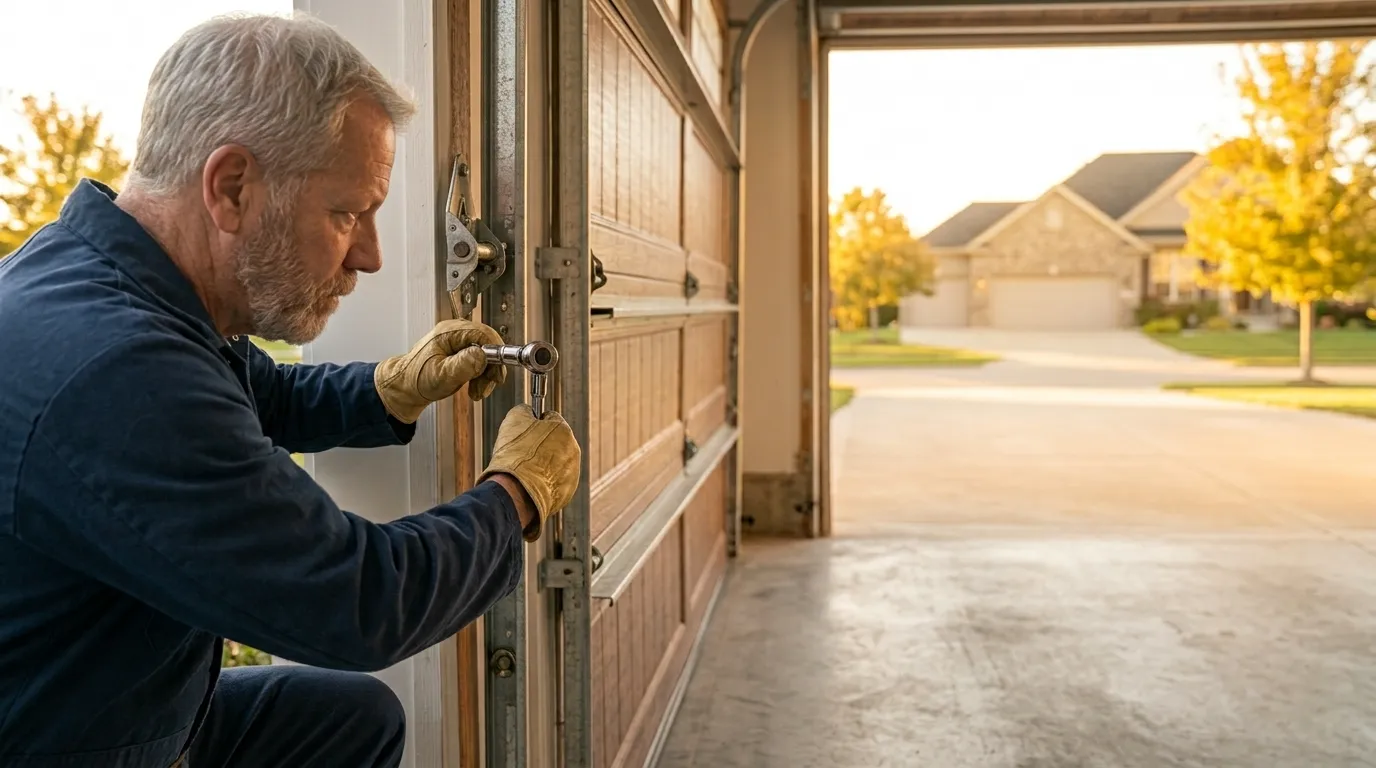
A technician tests the door under power and by hand and finds what actually failed.

Clear, up-front plan - Lincolnwood garage door service

Clear, up-front plan

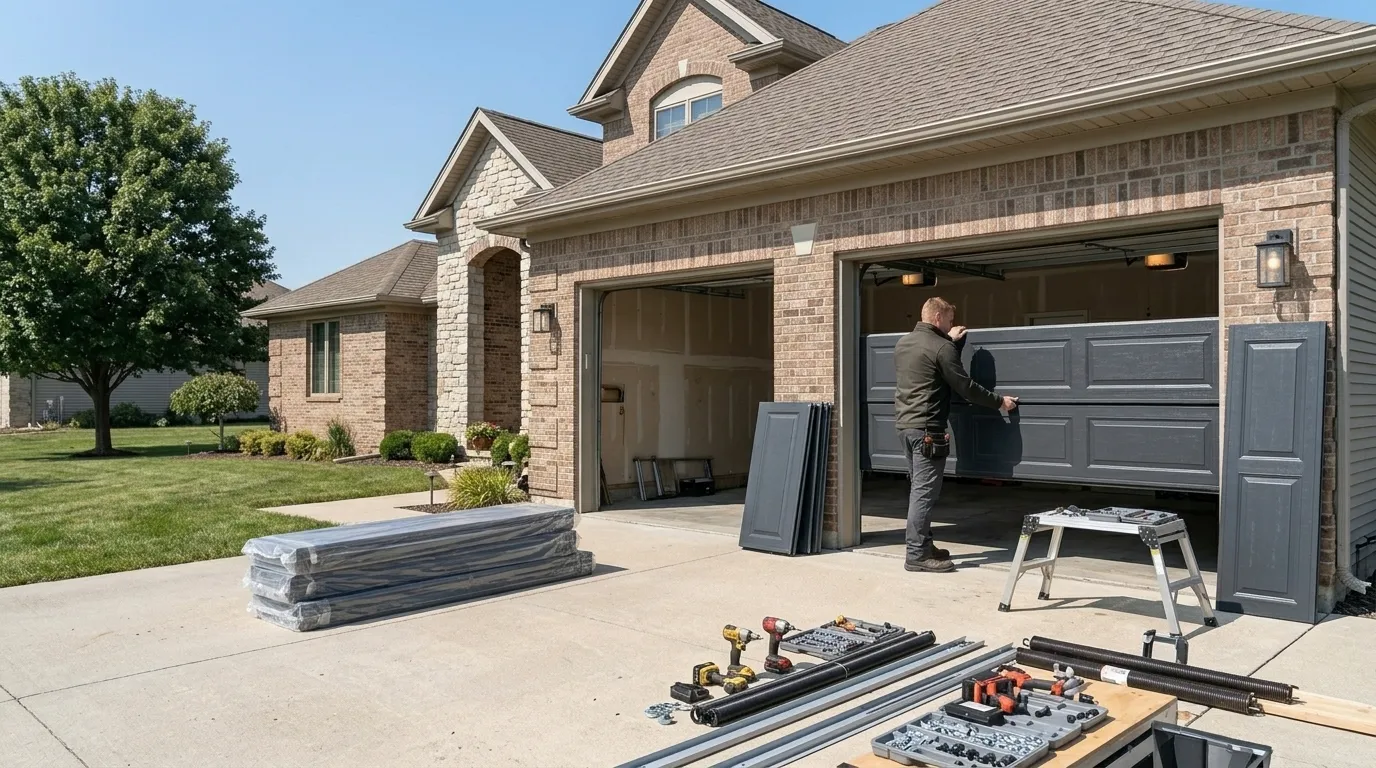
You get the fix that’s needed and what drives the cost - before any work starts.

Repaired & tested - Lincolnwood garage door service

Repaired & tested

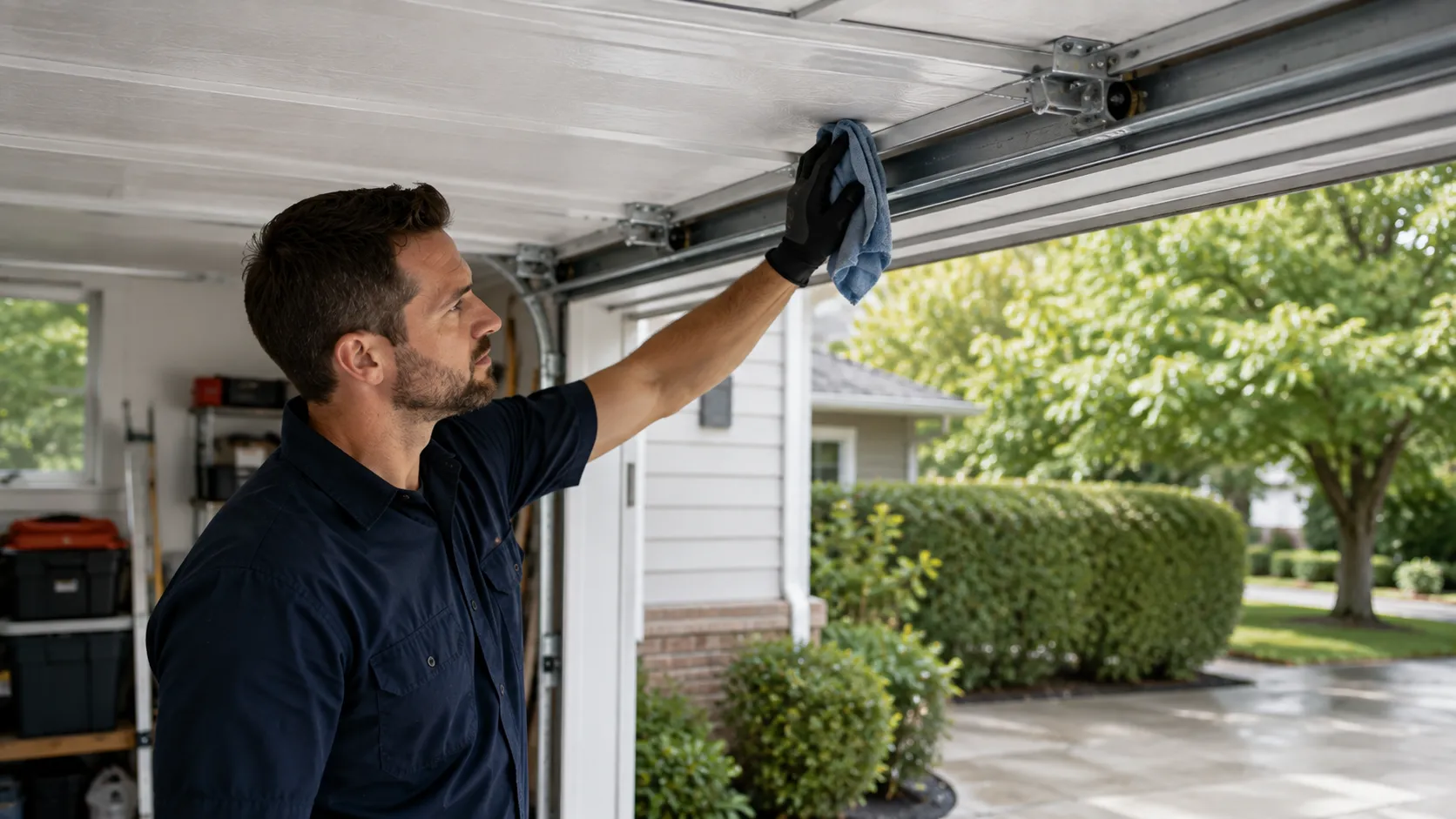
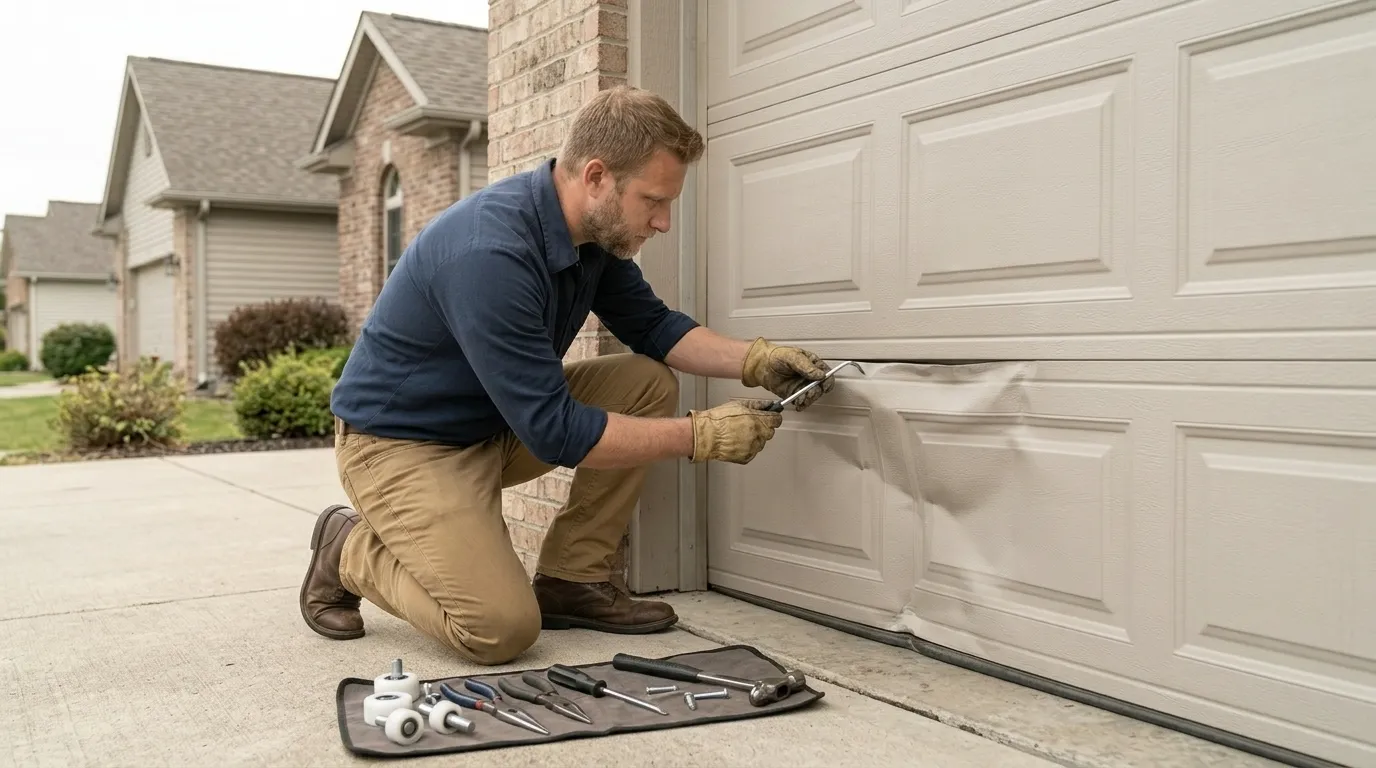
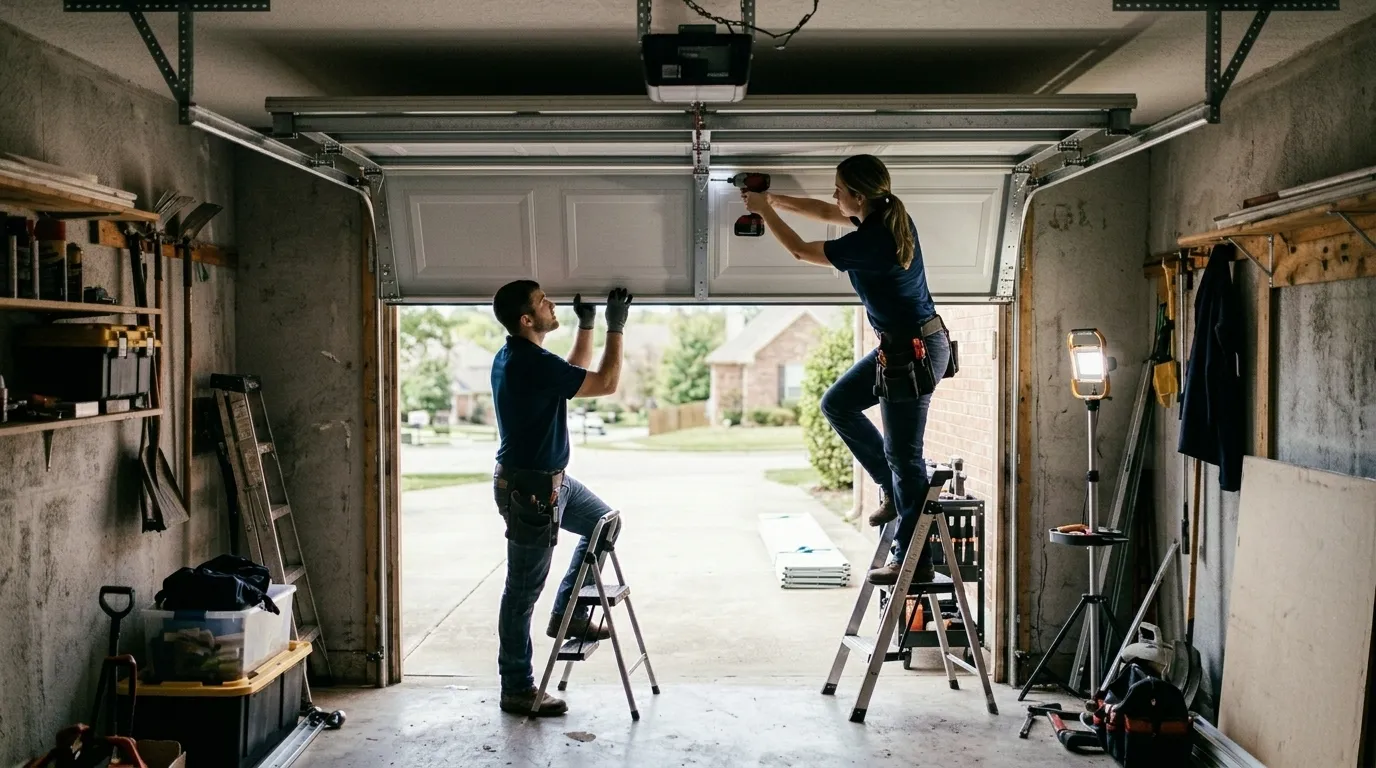
The repair is done, the door is set true and tested, and the work area left clean.

Serving Lincolnwood, IL - tell us what your door’s doing and we’ll take it from there.

How we work

What to expect

Diagnosis firstEvery visit starts by finding what actually failed - not a pre-written parts list.
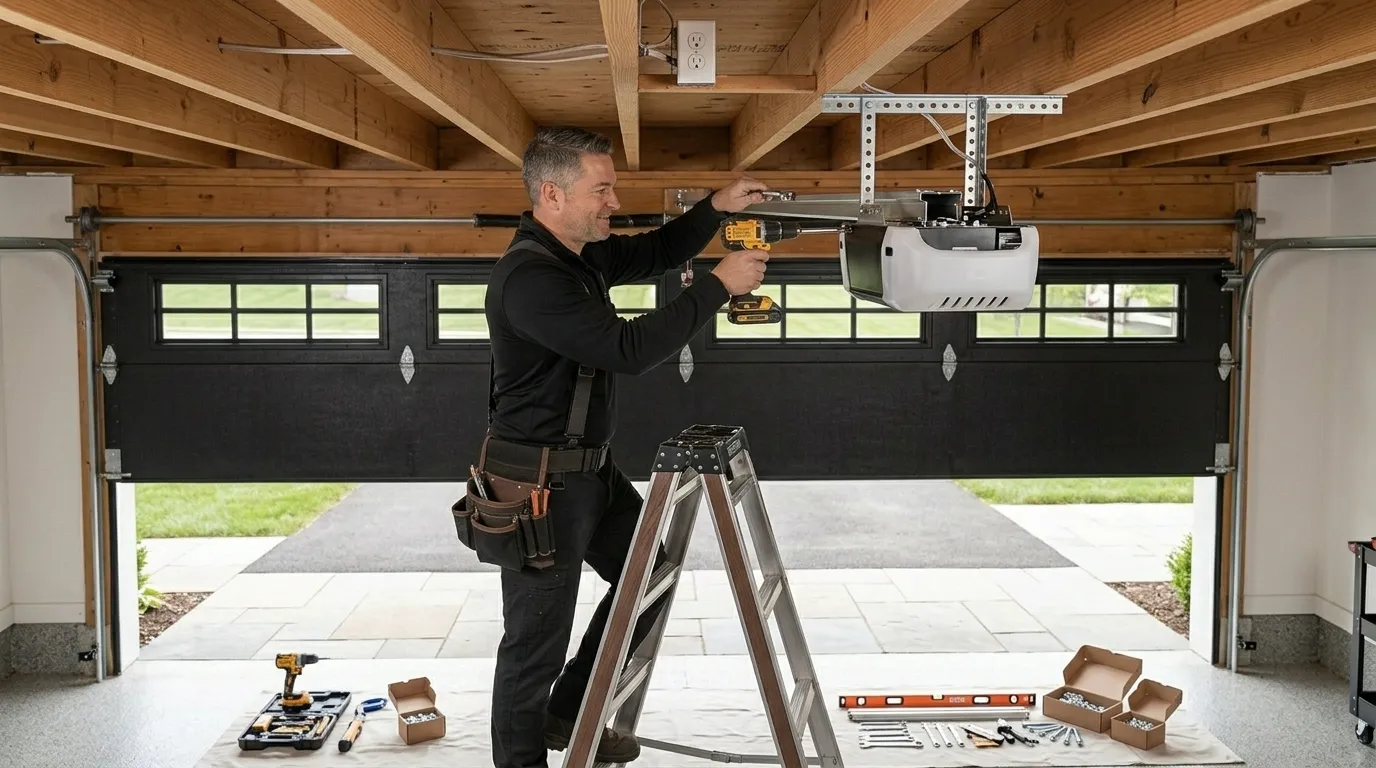
The right part for the doorSprings and openers matched to the door’s weight and age, so the fix holds up.
Straight answersWhen a repair makes more sense than a replacement - or the reverse - you hear it plainly.
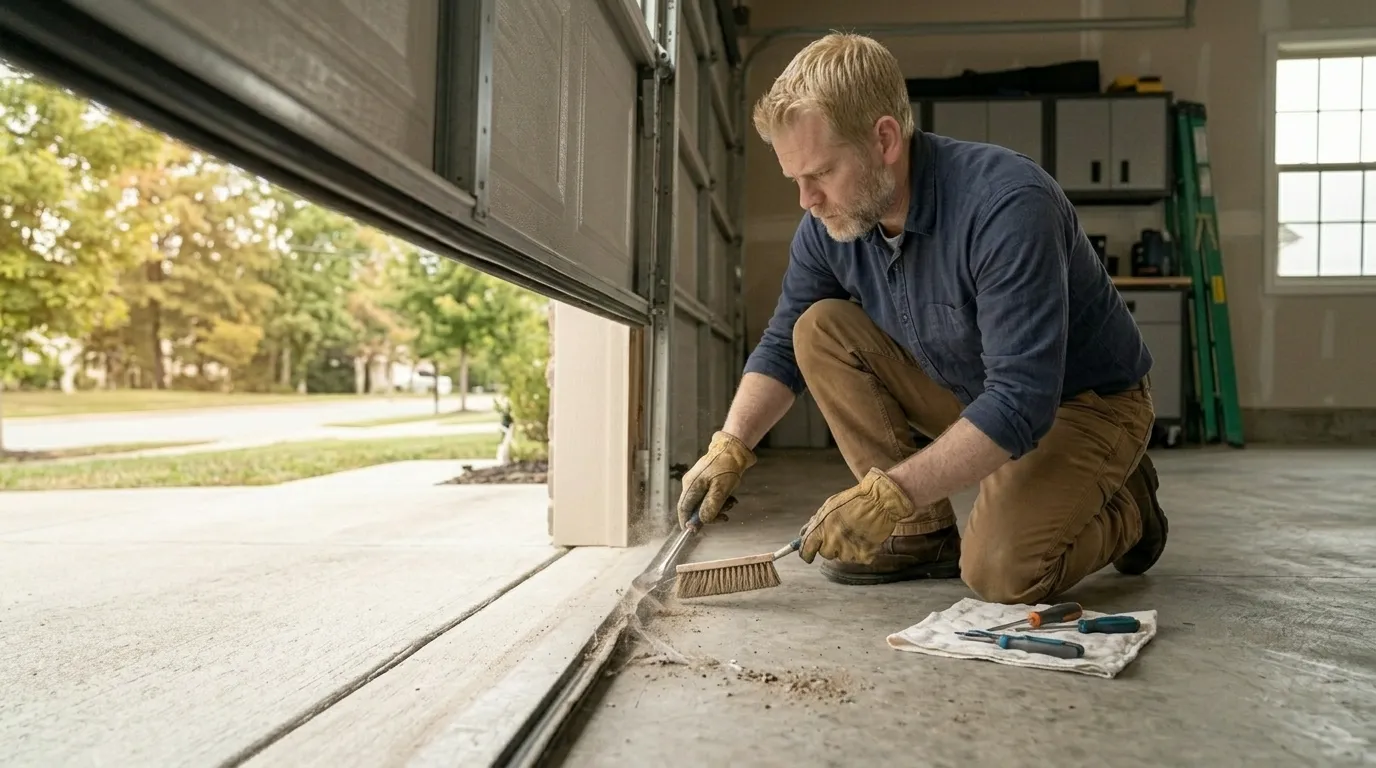
Clean, careful workTension released safely, hardware set true, the door tested under power before we leave.
12,646Residents in Lincolnwood
8Garage door services
5Neighborhoods & suburbs
ILServing Lincolnwood, IL
Questions

Frequently asked

Straight answers about garage door repair in Lincolnwood. Still unsure? Ask us directly.

How old is the average garage door hardware in Western Springs?

The area's homes date to around 1960 on median, which puts a lot of original torsion springs, hinges, and even opener drivetrains still in service. If your door has never had a spring replacement, there's a real chance what's up there is original to the house.

Do you have a branch in Western Springs?

No - we run this job out of Lincolnwood, about 16 miles away. We schedule visits based on what you tell us about the door rather than promising a local response time we can't back up.

Is it worth repairing a 1960s-era spring system or replacing the whole thing?

Depends on the door. If the panel itself has been upgraded to something heavier since 1960 but the spring hasn't, a repair just delays the same failure. We'll look at both pieces before recommending one over the other.

Can I replace a garage door spring myself?

Not safely. A torsion spring under tension can cause serious injury, and on an older door the winding hardware may not match anything sold today. Openers, remotes, and sensors are fine DIY territory - springs and cables are not.

Ready to get your garage door sorted?

Tell us what it’s doing and where you are in Lincolnwood - we’ll take it from there.

Request a QuoteCall