Booking a Visit
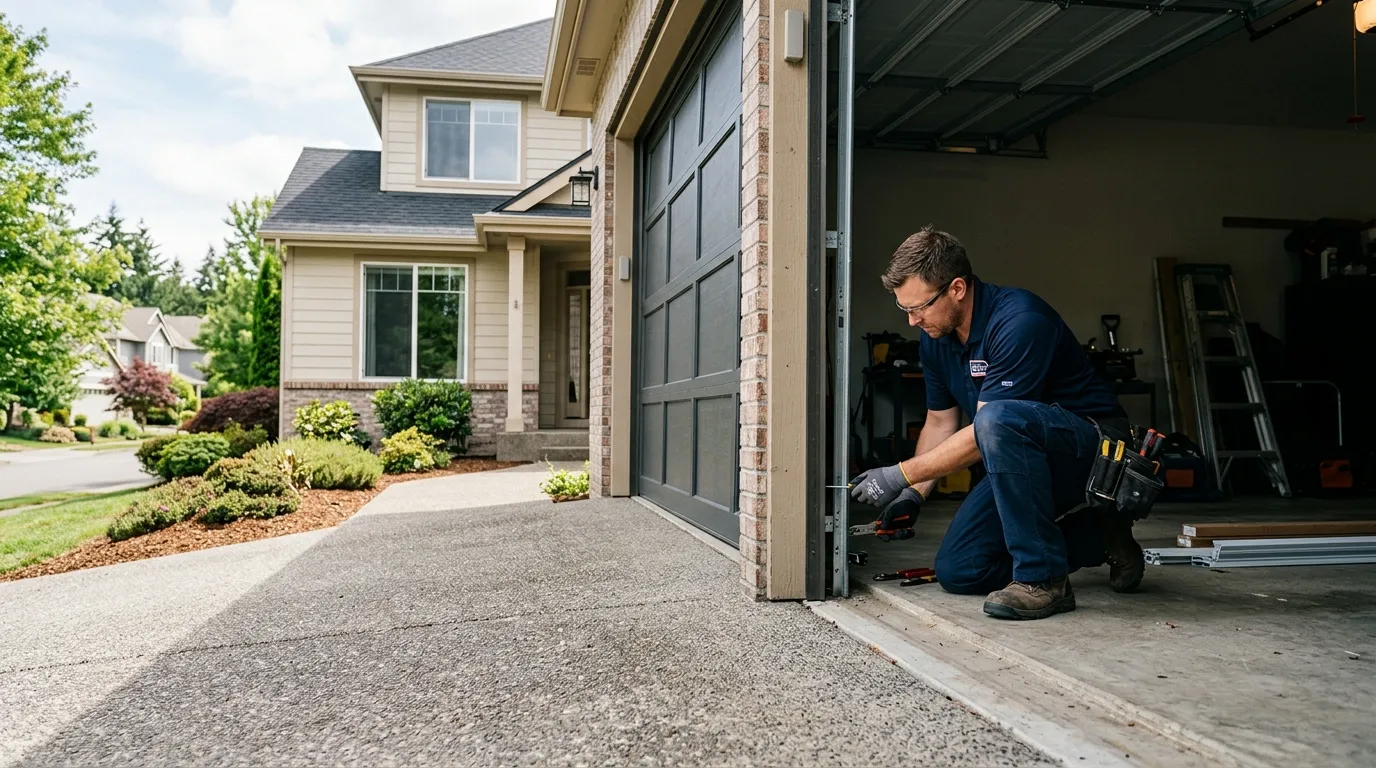
We run out of Lincolnwood, about 16 miles from Western Springs, so a maintenance visit here gets scheduled as a route stop, not a same-block drop-in. That's worth knowing up front: we don't keep a truck parked in Western Springs, and we're not going to pretend otherwise. What we do is bundle the trip with the inspection your door actually needs, given a build year that sits right around 1960 for most of this town.
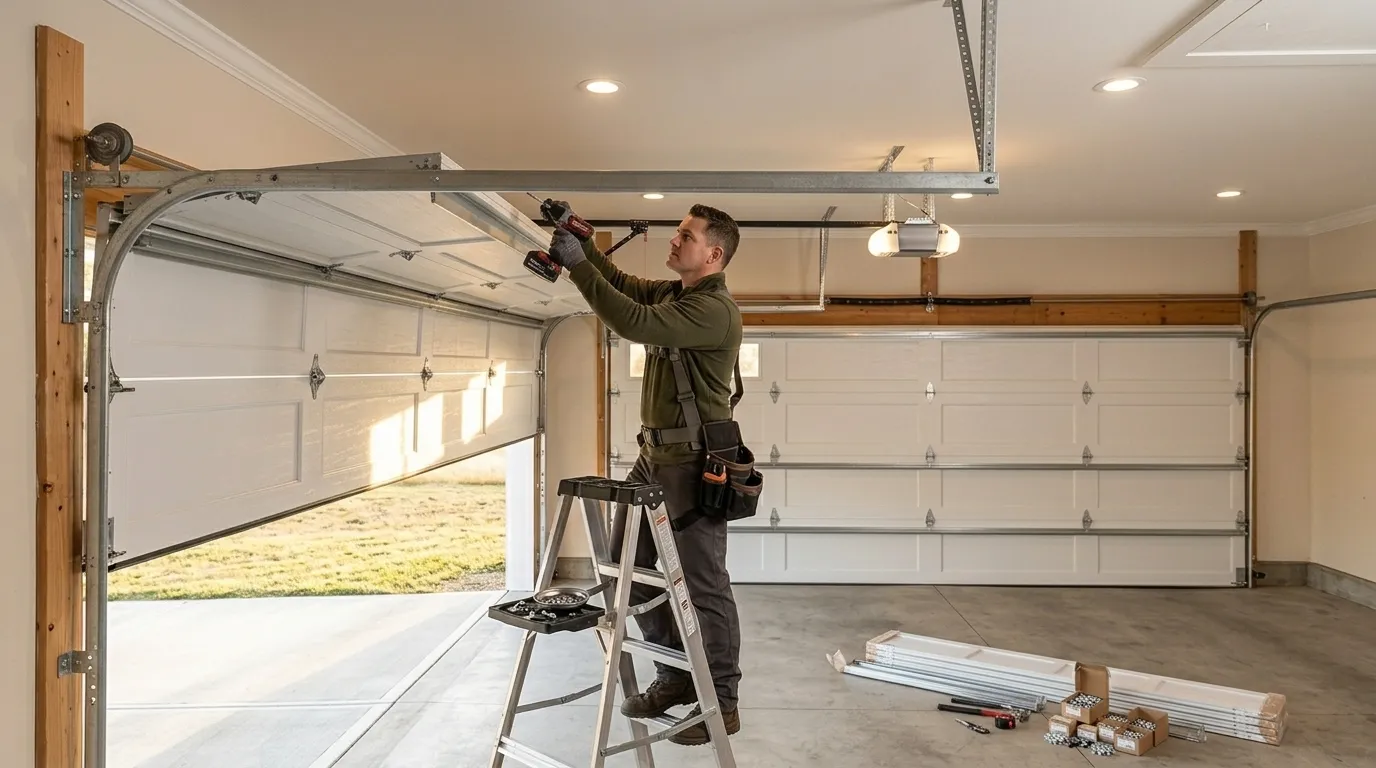
When you call, tell us the age of the house if you know it. A door installed on a house built in 1960 is carrying original hardware in a lot of cases, and that changes what we bring on the truck. Torsion springs from that era were sized for lighter doors than what's often hung on them now, and the drums and cables don't always match what a parts house stocks today. Knowing the build year before we drive out saves a second trip.
We don't offer a guaranteed same-day window for Western Springs the way we might for calls closer to Lincolnwood. If your opener is dead and the door won't move, say so when you book - we'll tell you honestly whether that's a today problem or a this-week problem.
What Can Go Wrong
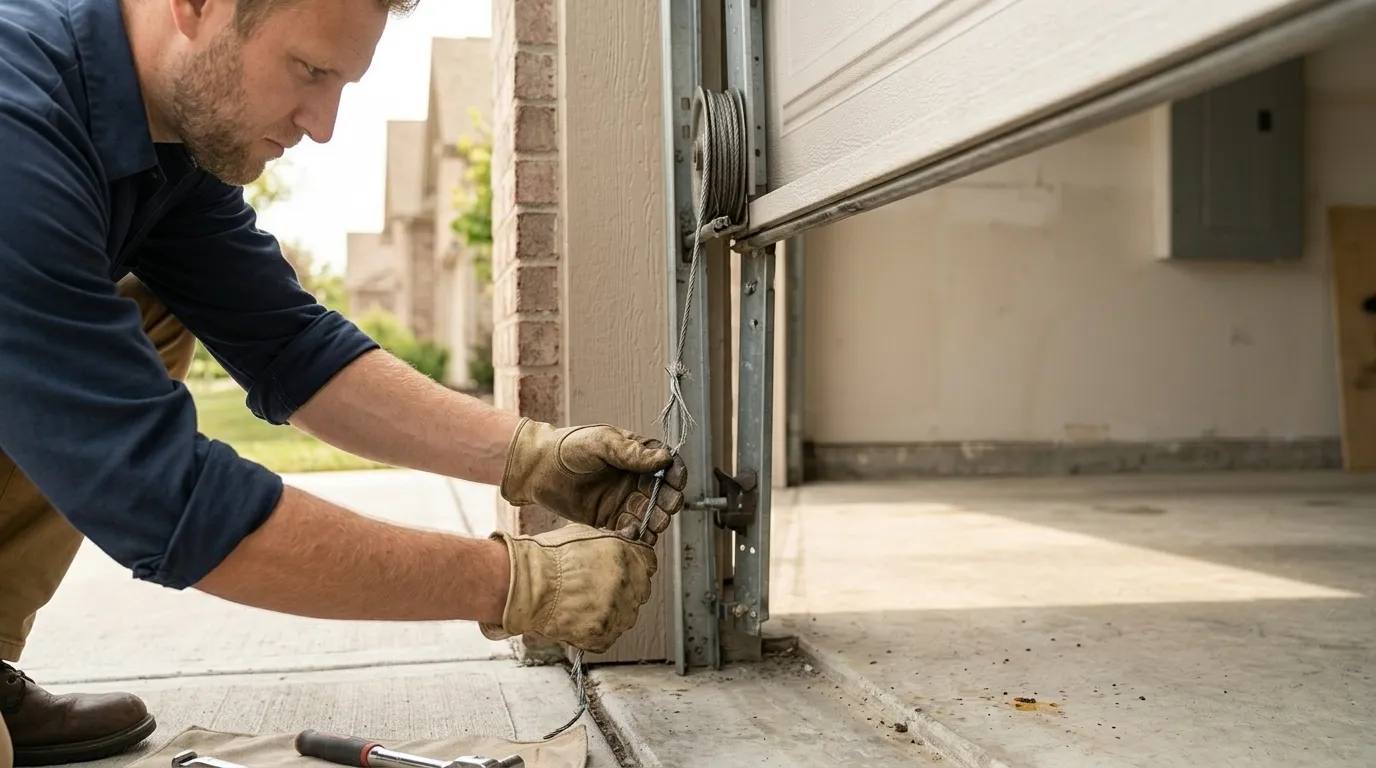
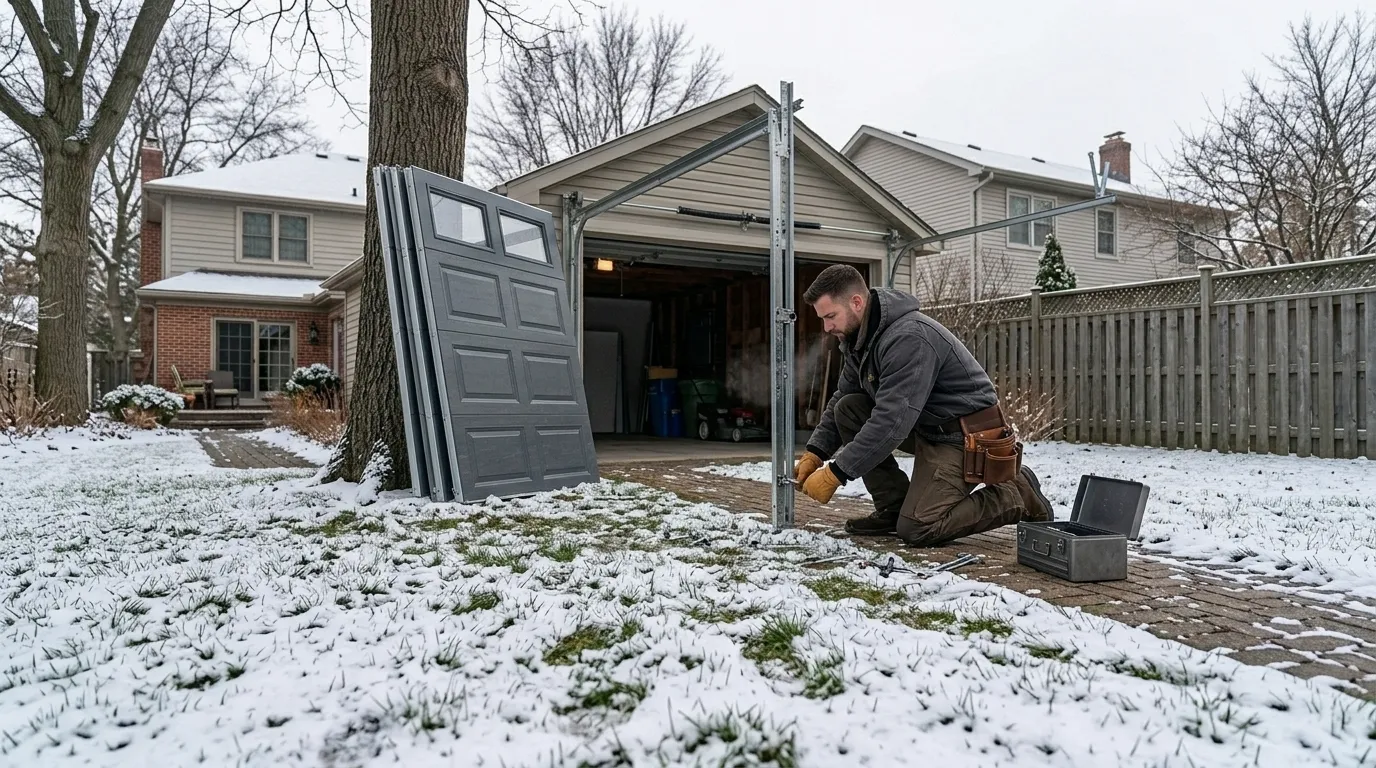
Most of Western Springs went up close to 1960, which puts the original garage hardware squarely in the torsion-spring era but before galvanized cable became standard. On houses that never had a door replacement, you're looking at steel cable that's had sixty-plus winters of moisture cycling through an unheated garage. That's not a scare number - it's just how long steel sits before it starts to fray at the drum, and this is a cold-climate service area, which speeds that up.
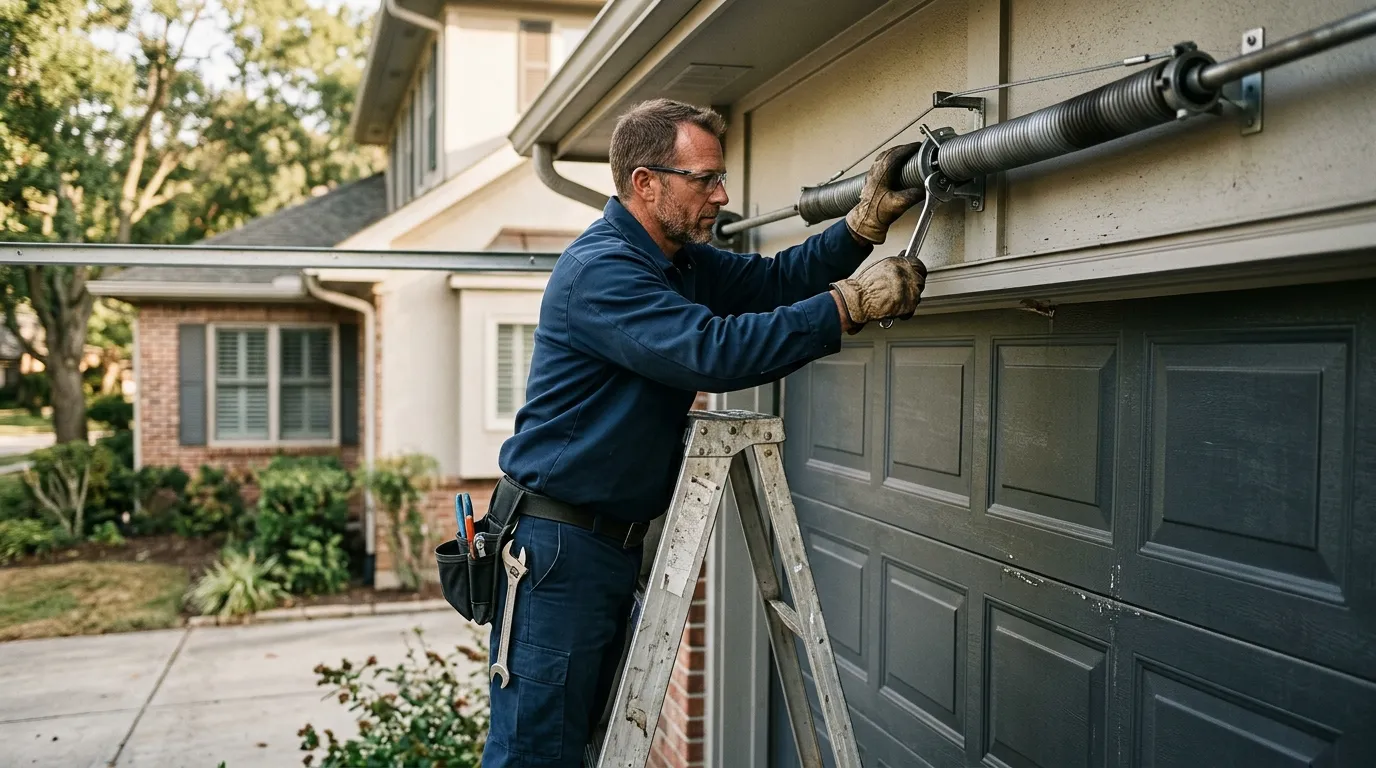
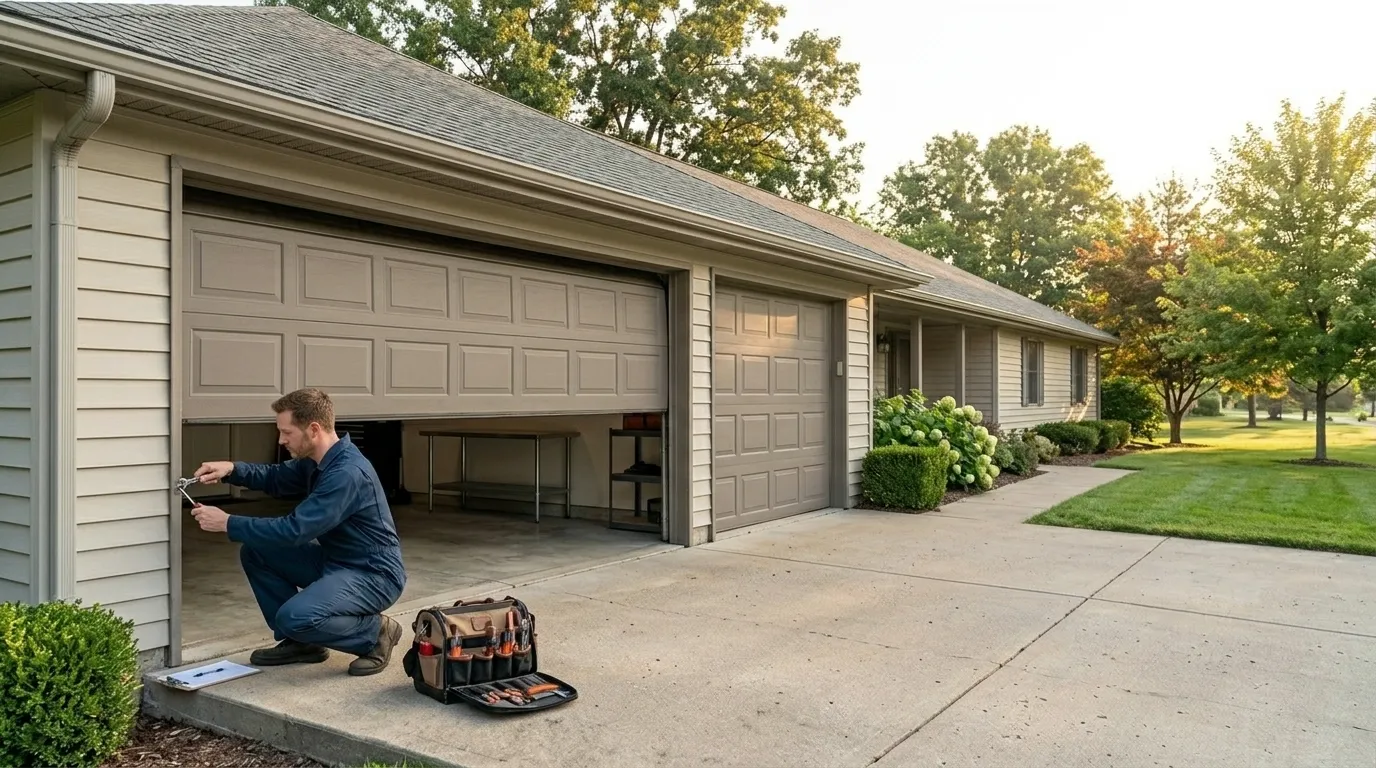
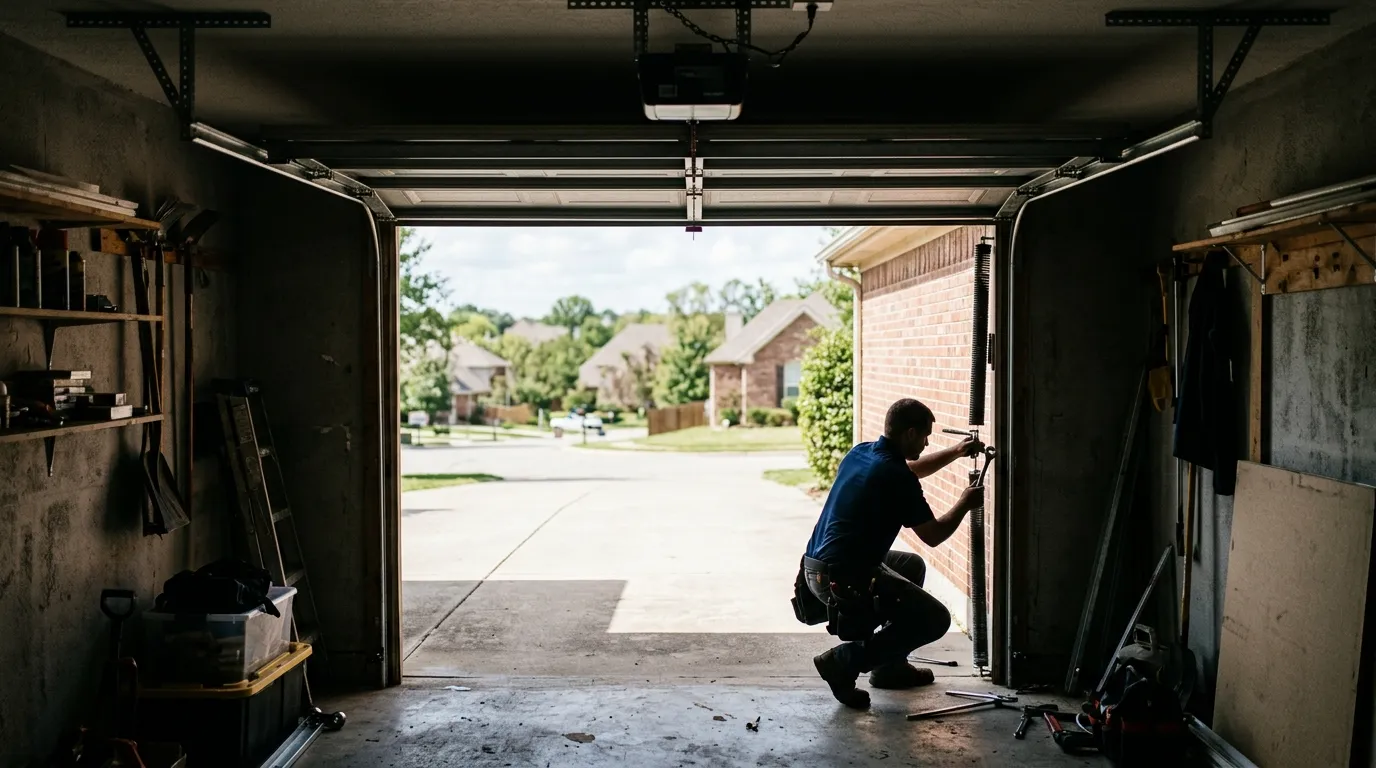
The other common failure on doors this age is the extension spring setup on a single-car door, hung on a track bracket that's rusted at the mounting bolt rather than the spring itself. People assume a broken spring, we find a bracket that's pulling loose from wood that's dried out over decades.
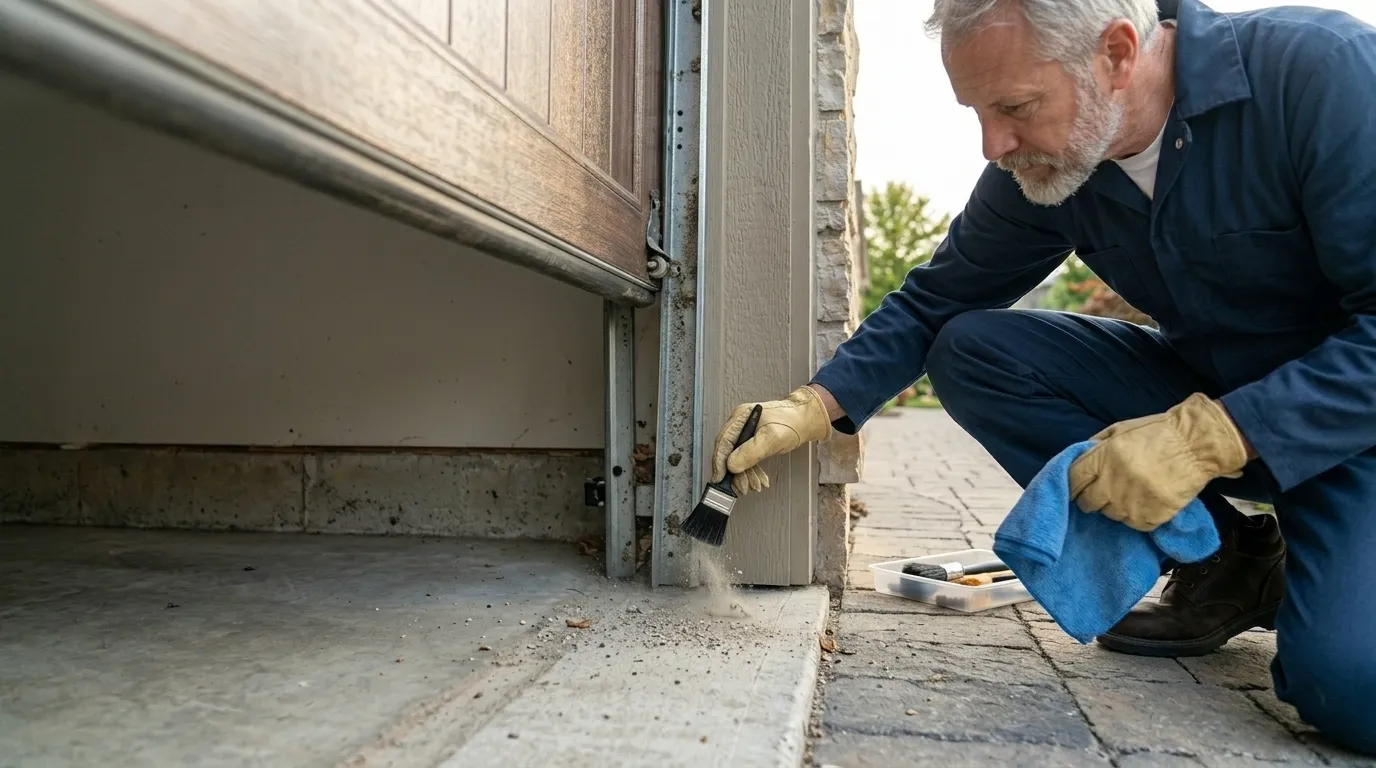
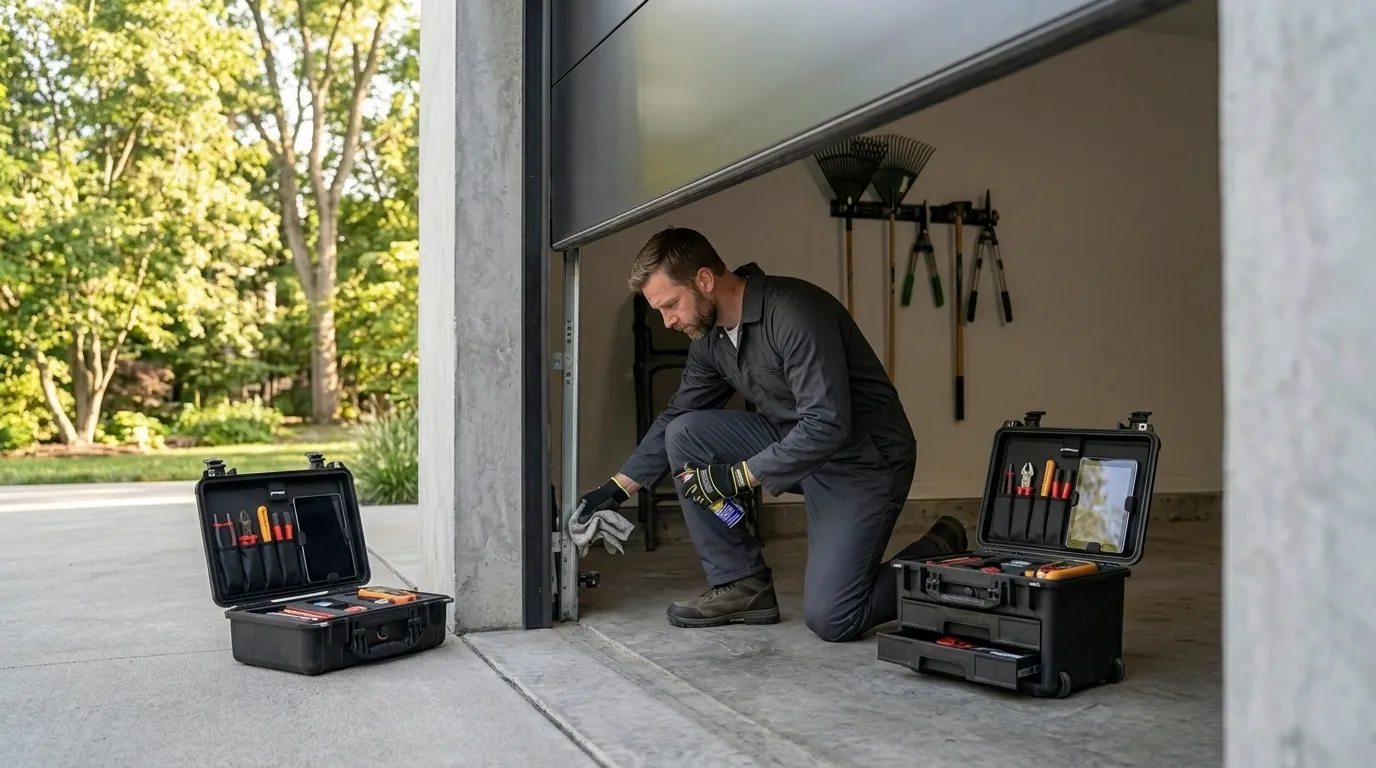
Rollers are the third one. Steel rollers, no nylon sleeve, riding in a track that's never been lubricated because nobody thought to. They bind, the door judders, and the opener strains against it every single cycle until something in the drivetrain gives out first. None of this is exotic. It's just what sixty years of freeze-thaw does to hardware nobody's touched.
Why This Fails Locally
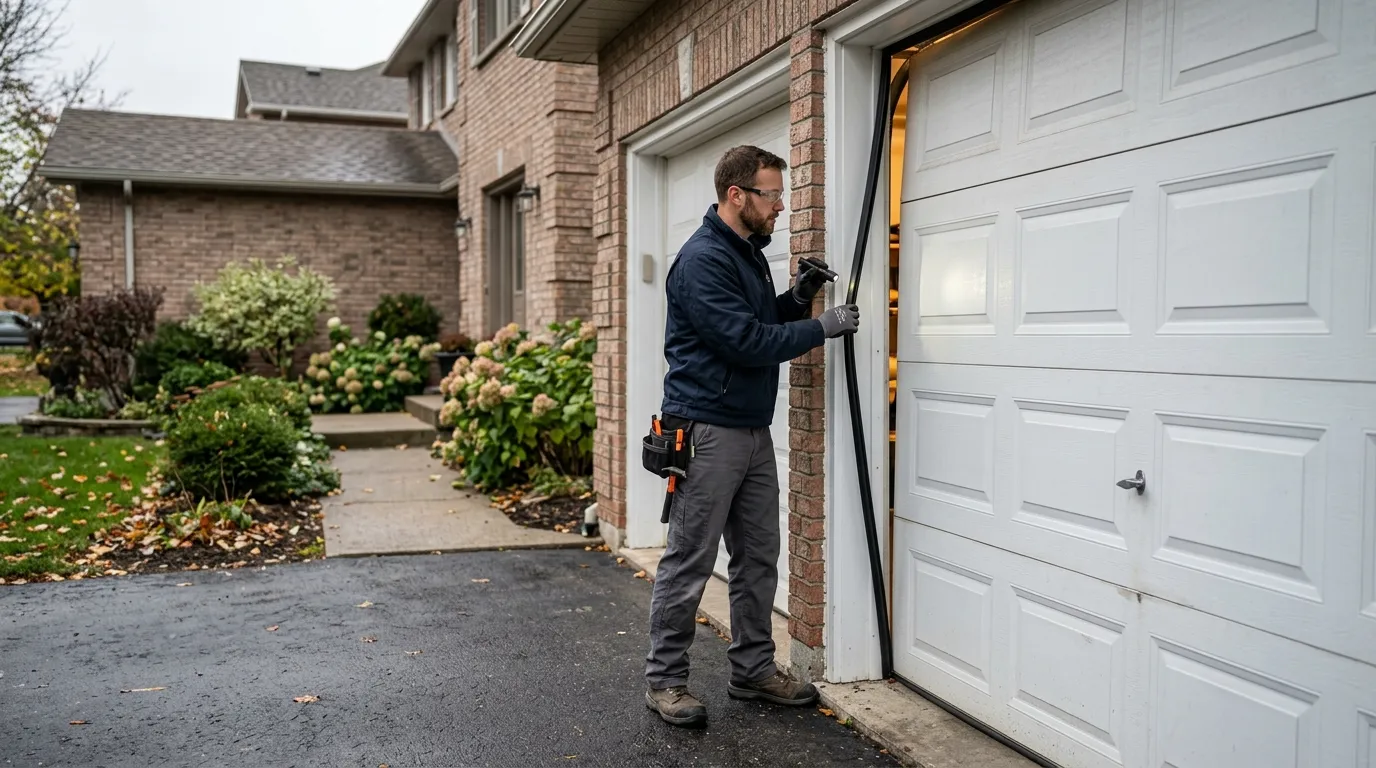
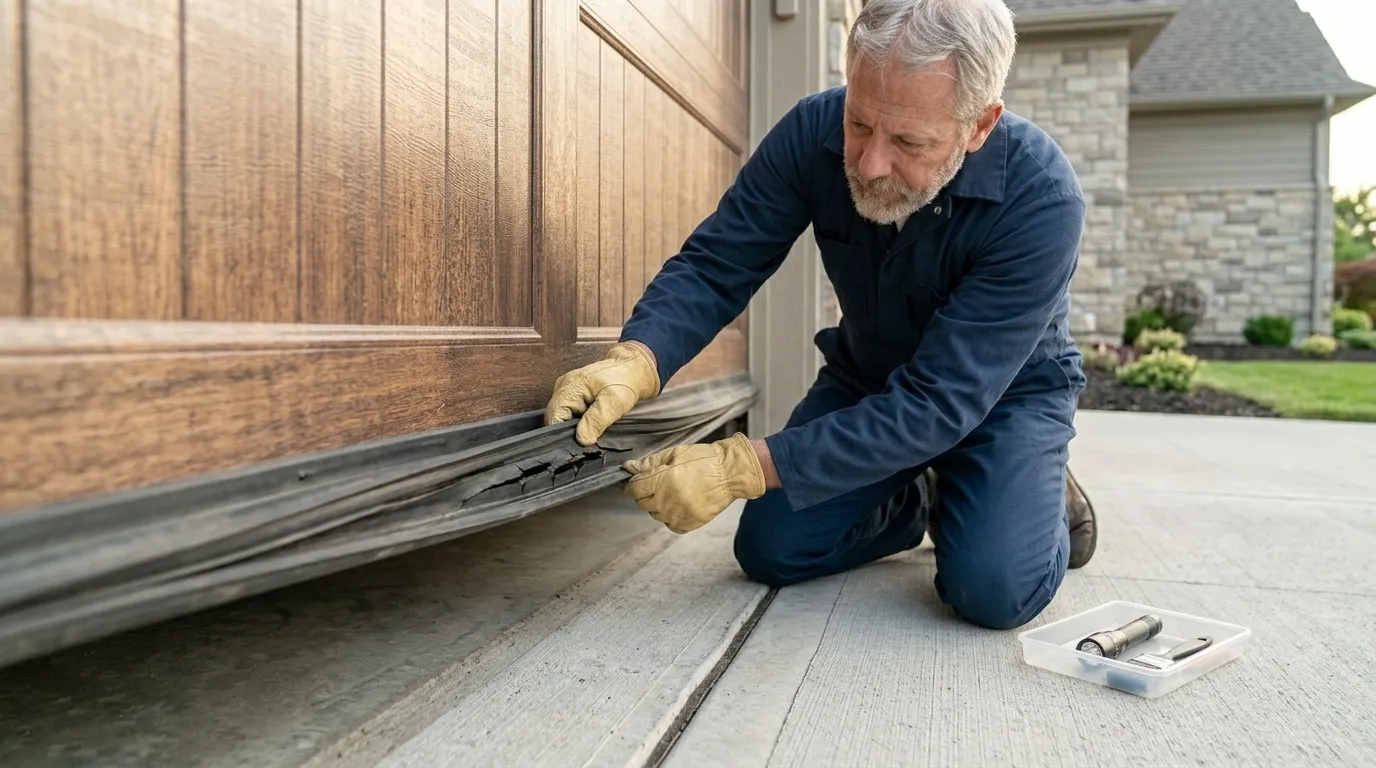
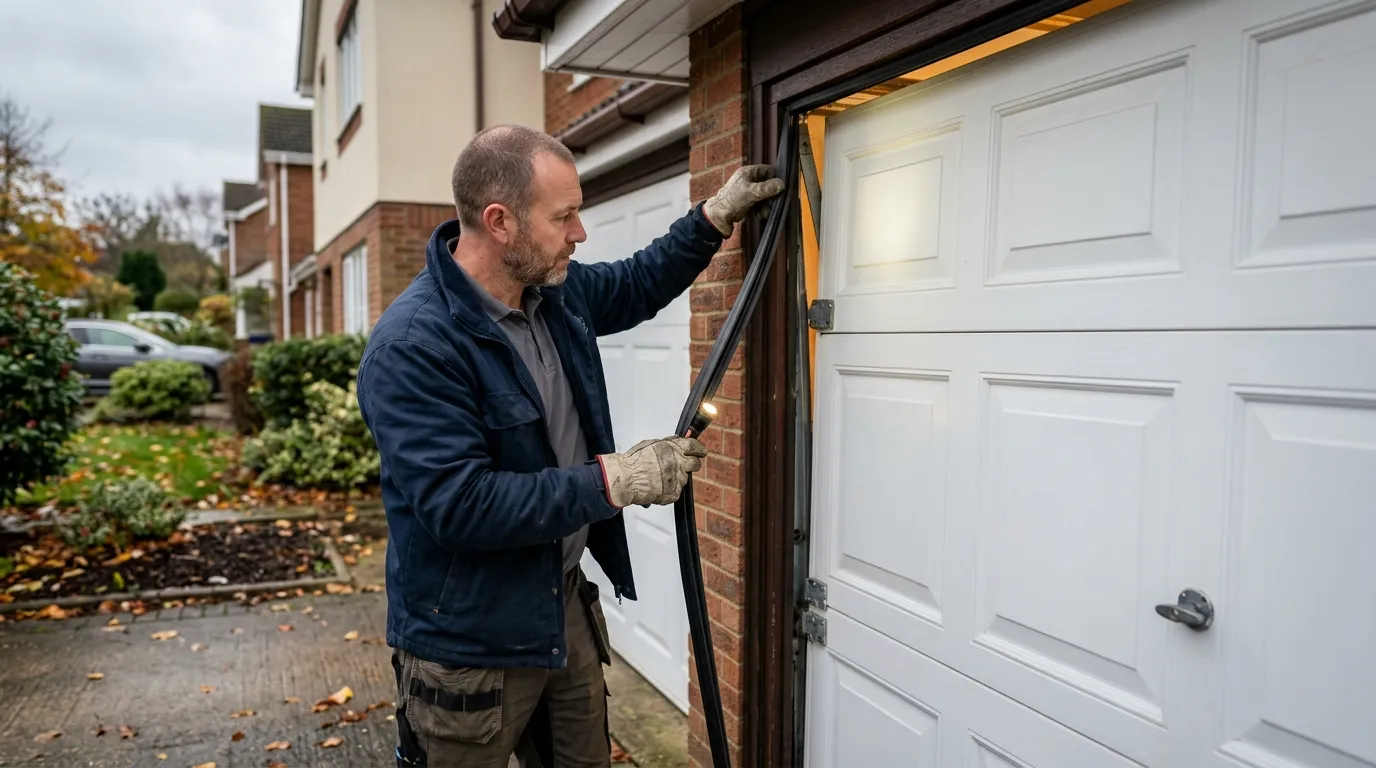
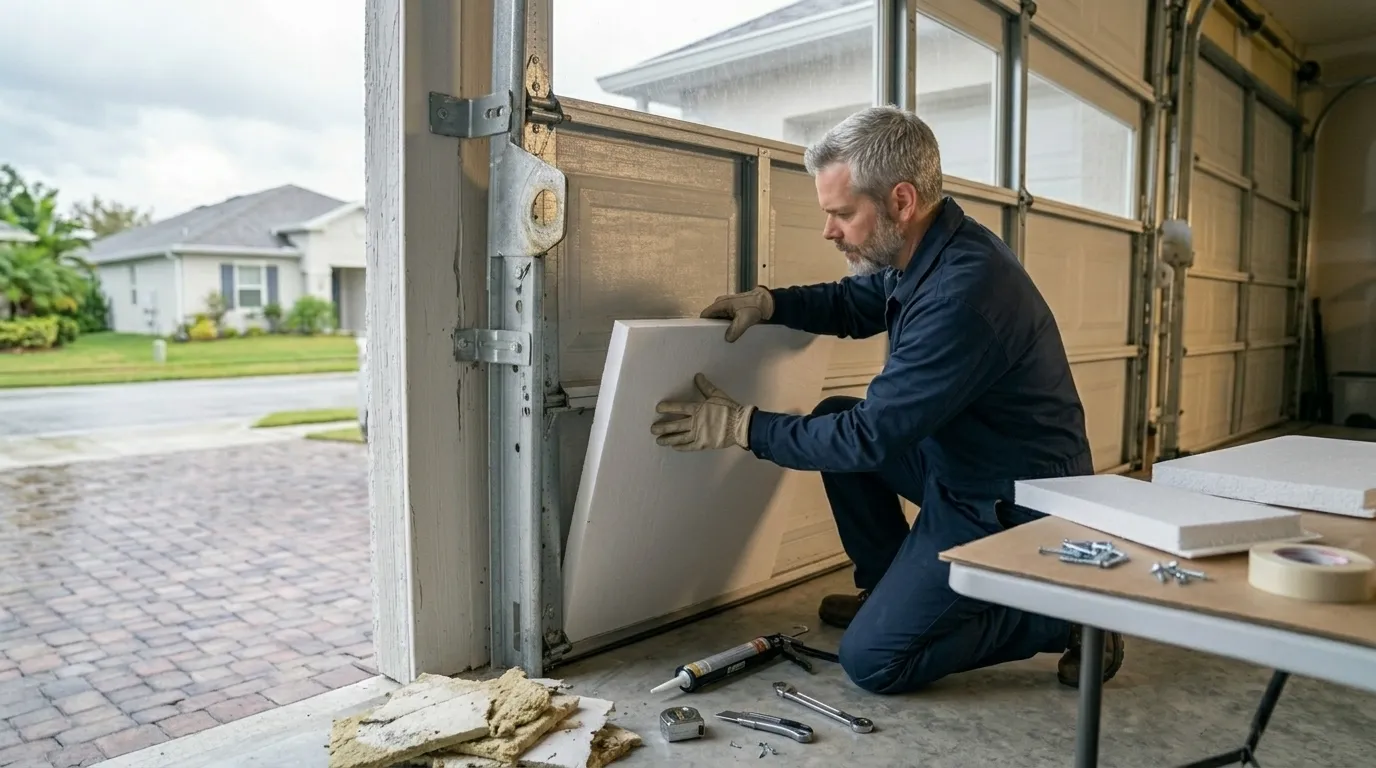
This isn't a generic wear-and-tear story. Western Springs sits in a cold-climate band, and its housing stock centers on 1960 - those two facts compound. A door built for that era wasn't engineered with the insulation or weatherstripping standards that came later, so the garage itself runs colder and damper than a newer build would, and that's exactly the environment that shortens the life of steel springs and cable.
Compare that to a subdivision built in the 1990s: newer torsion hardware, better-sealed panels, less moisture cycling. Western Springs doesn't have that buffer. The hardware here is old enough that it predates a lot of the corrosion-resistant coatings now standard, and the climate doesn't give it any relief.
We see this pattern across the towns we cover that share this build era - not because the town causes it, but because a house built in 1960 in a cold-winter service area gets the same math no matter whose name is on the mailbox. Western Springs just happens to sit almost entirely in that window.
The Cost of This Job
We don't have a posted price to give you here, and we'd rather say that than invent one. What we can tell you is what drives the number up or down on a house like yours: whether the spring size matches what's actually on the door, whether the drum and cable are original or already replaced once, and whether the track brackets need re-anchoring into old framing or just a bolt tightened.
Western Springs households run well above the area's overall median income, and we mention that only because it changes what people choose to do once we're on site - more owners here opt for a full hardware refresh instead of patching one part, since the house is worth protecting and the original hardware is past its reasonable service life anyway. That's a homeowner's call, not something we push.
What we won't do is quote a number sight unseen. A door with matched original hardware costs less to service than one where a previous owner mixed parts from three different eras - and on houses this age, that's not rare.