
Booking a Visit
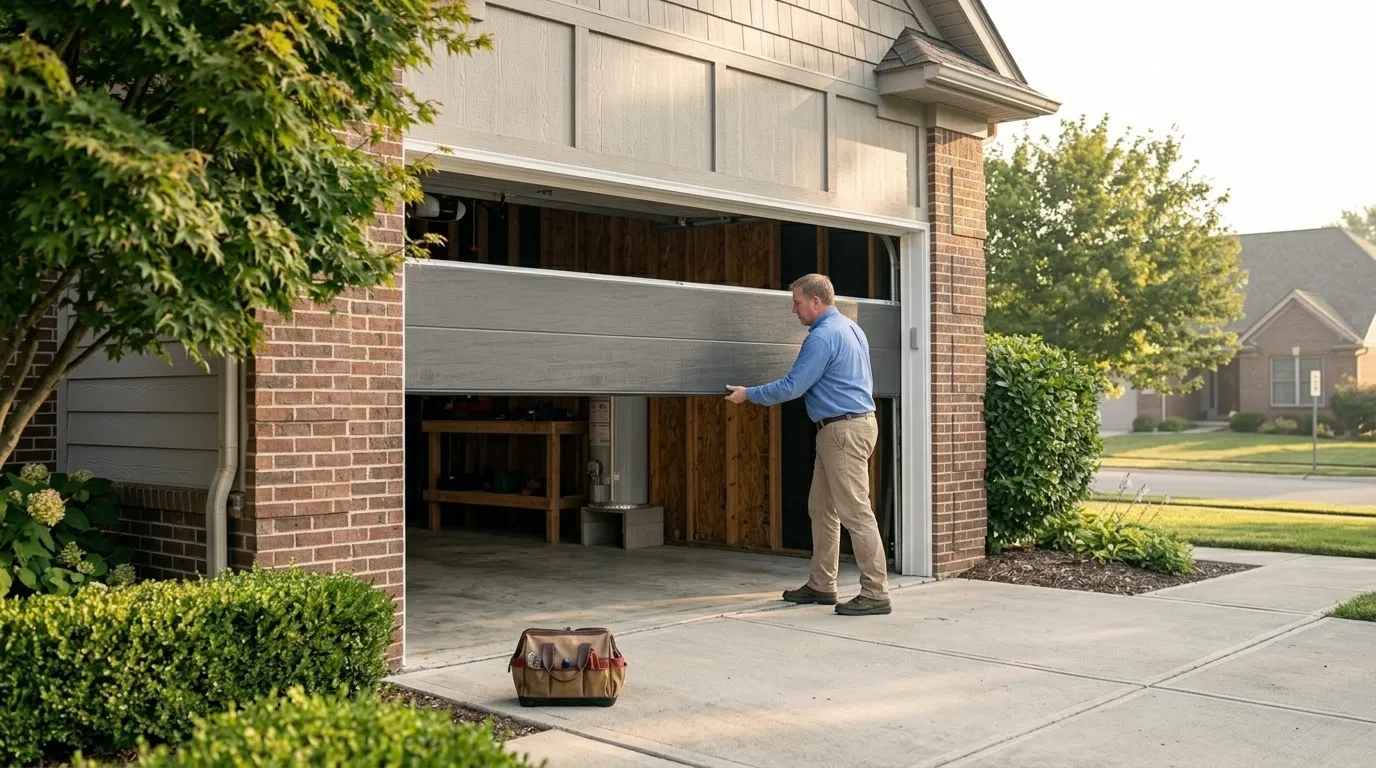
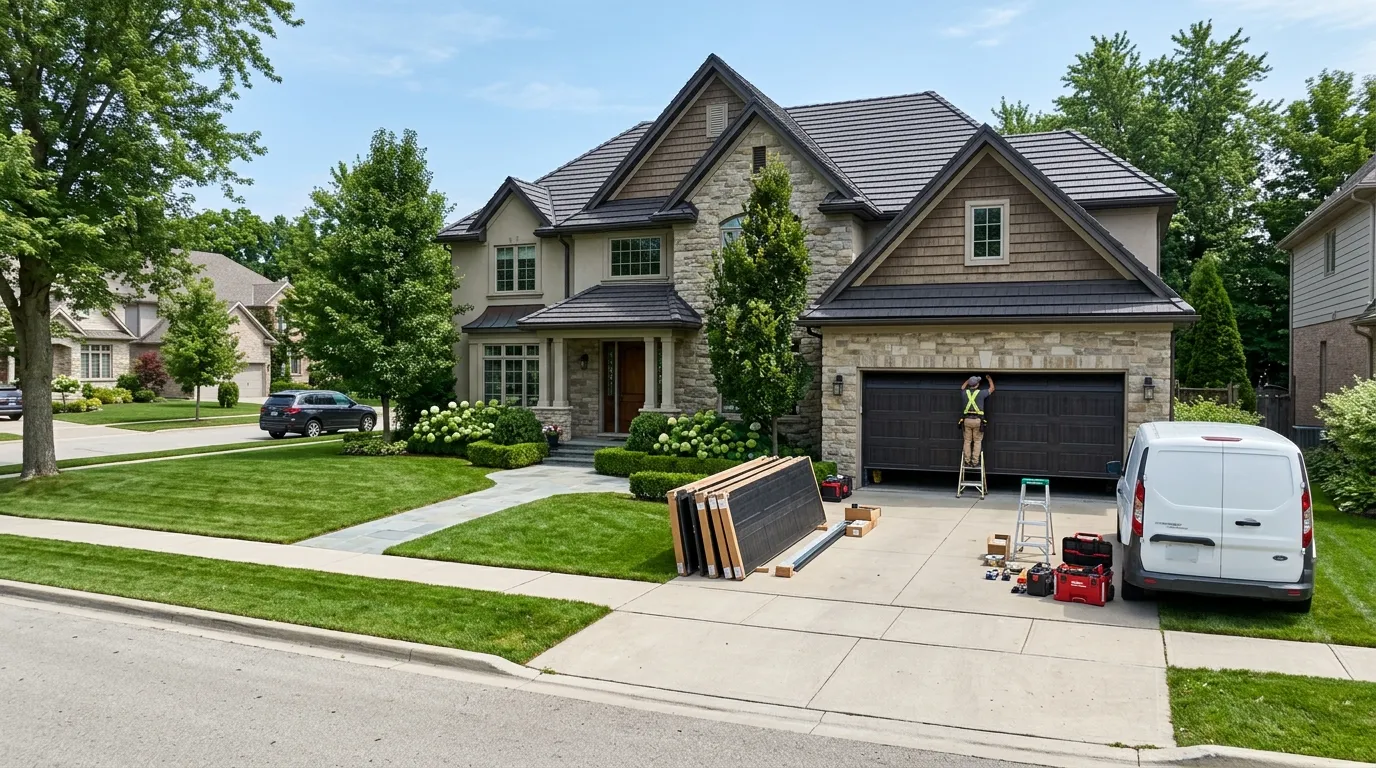
We work Western Springs from our base in Lincolnwood, 16 miles out, so when you call we're scheduling a trip, not dispatching from a yard down the block. That's worth knowing up front: we don't keep a truck sitting in town, and we won't pretend otherwise. What we do is show up with the right hardware for the job, because we already know what's likely waiting on your door before we knock.
With only about 4,475 households in Western Springs, this isn't a market we treat as generic. The housing here clusters tightly around 1960, which means the springs, tracks, and openers we're pulling out of these garages are consistent enough that we stock for them rather than guess. Tell us the age of the house and the symptom on the phone, and we can usually tell you what part we're bringing before we're in the driveway.
What Can Go Wrong
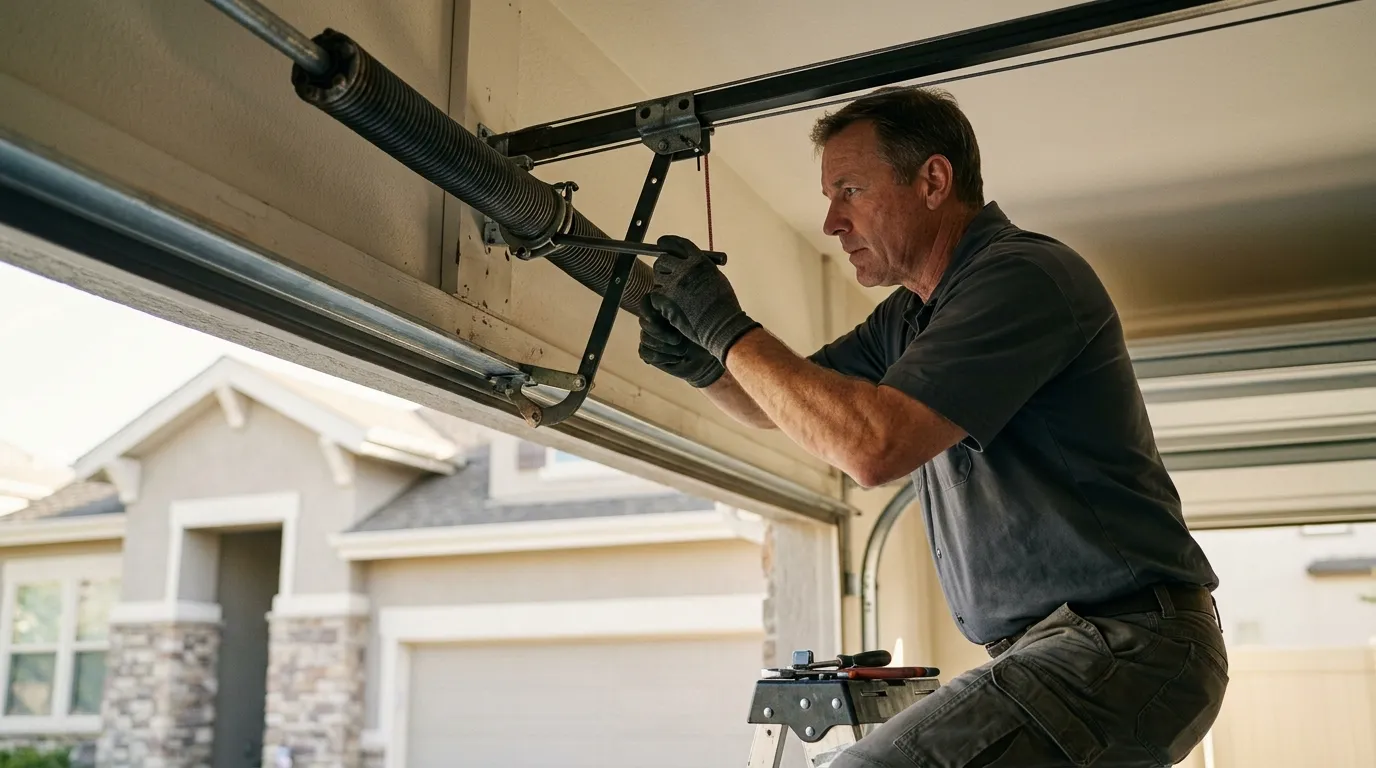
A house built around 1960 was almost certainly fitted with a torsion or extension spring system sized for a lighter, single-layer wood or early steel door - not the heavier insulated panels many owners have since swapped in. When a heavier replacement door goes on old spring hardware, the springs undercount the weight and wear out fast, sometimes within a couple of years instead of the decade you'd expect.
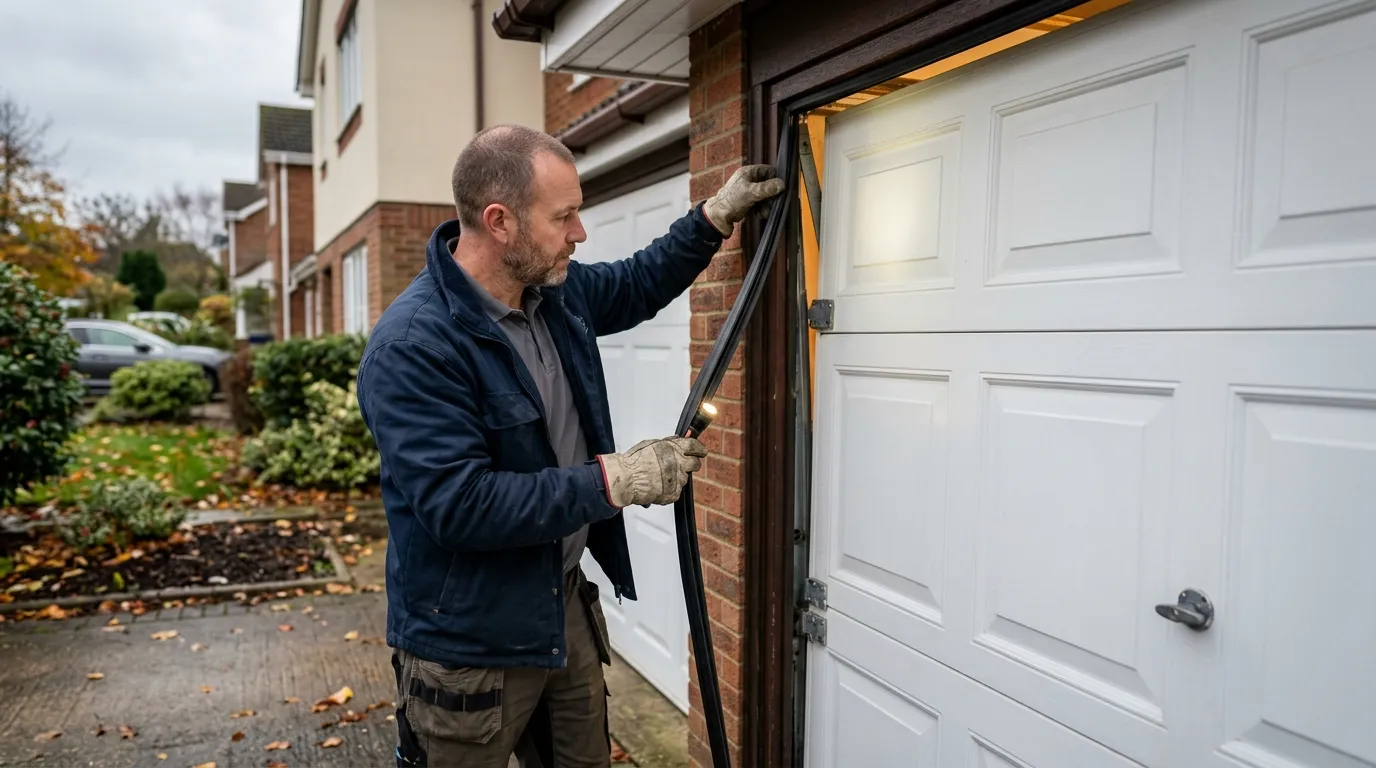
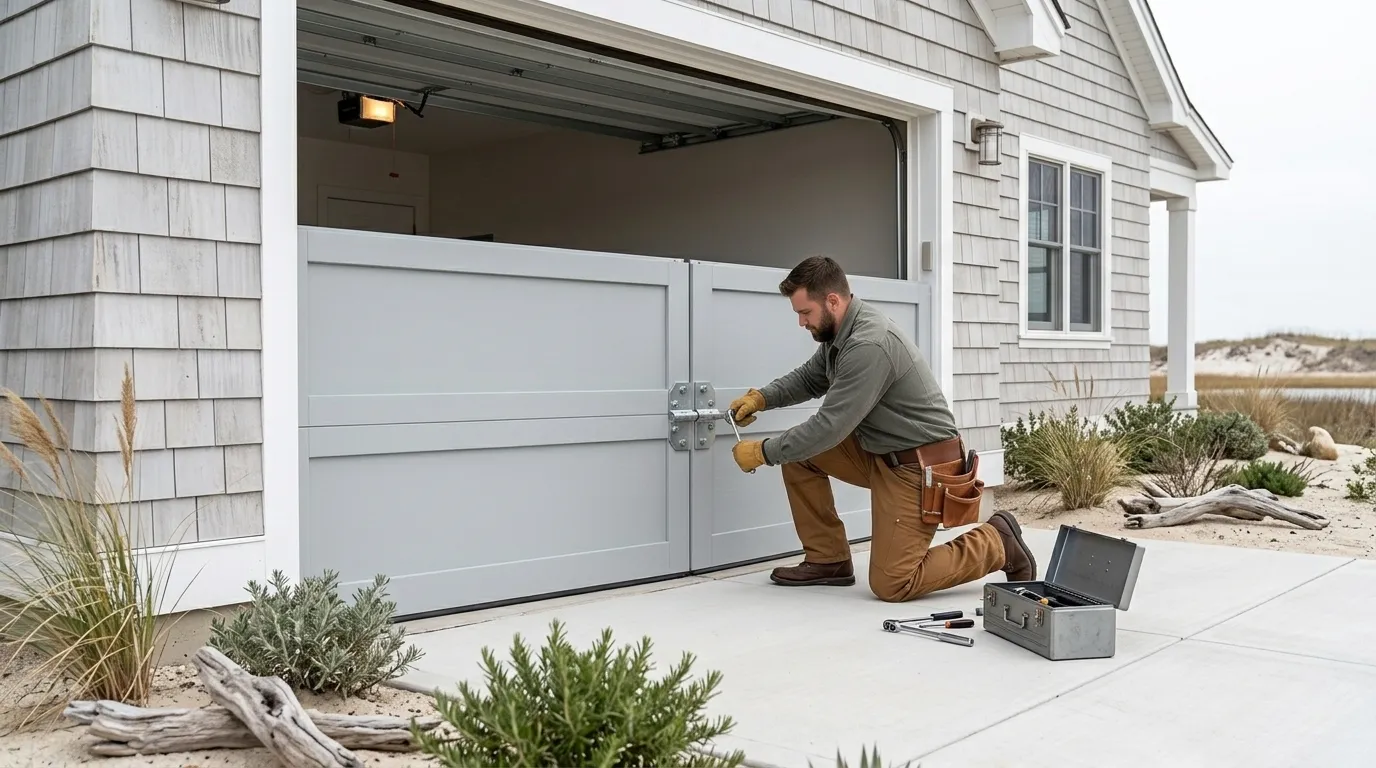
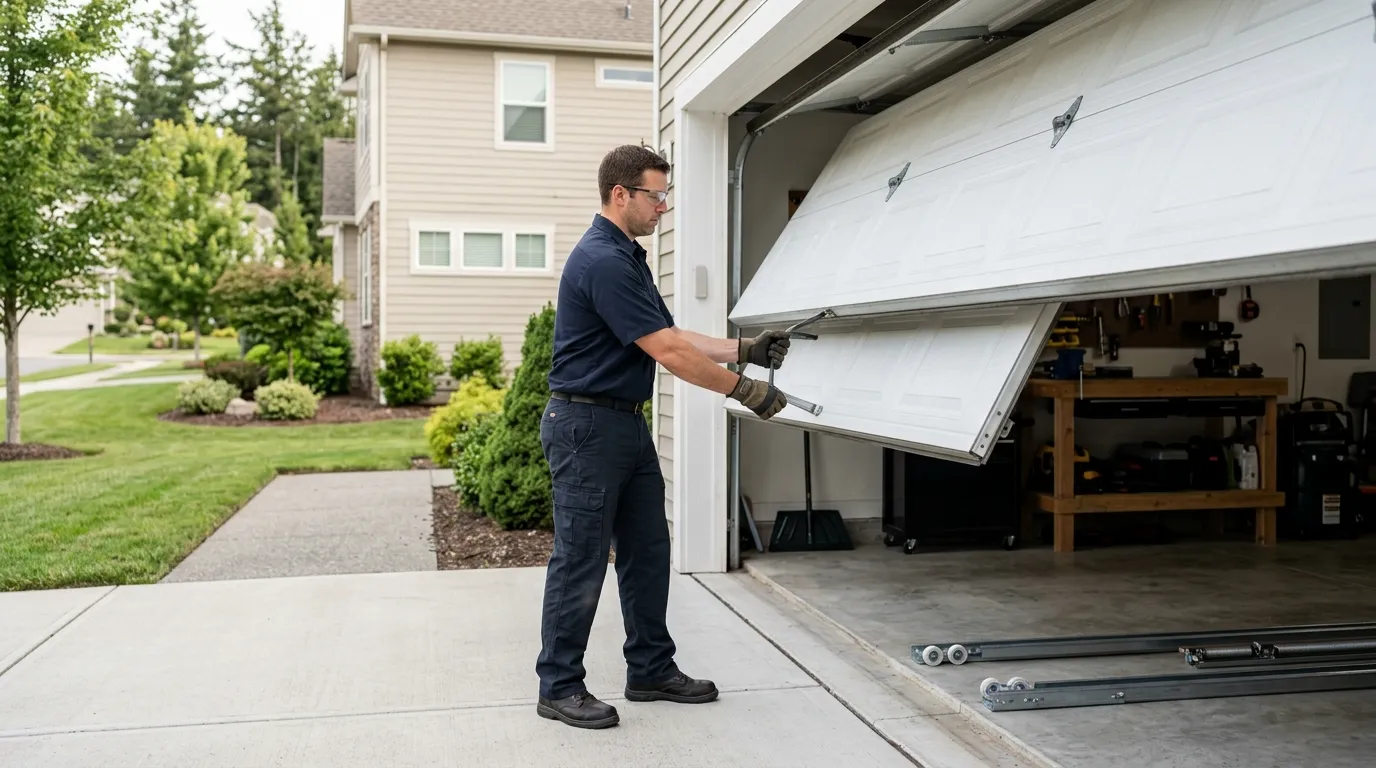
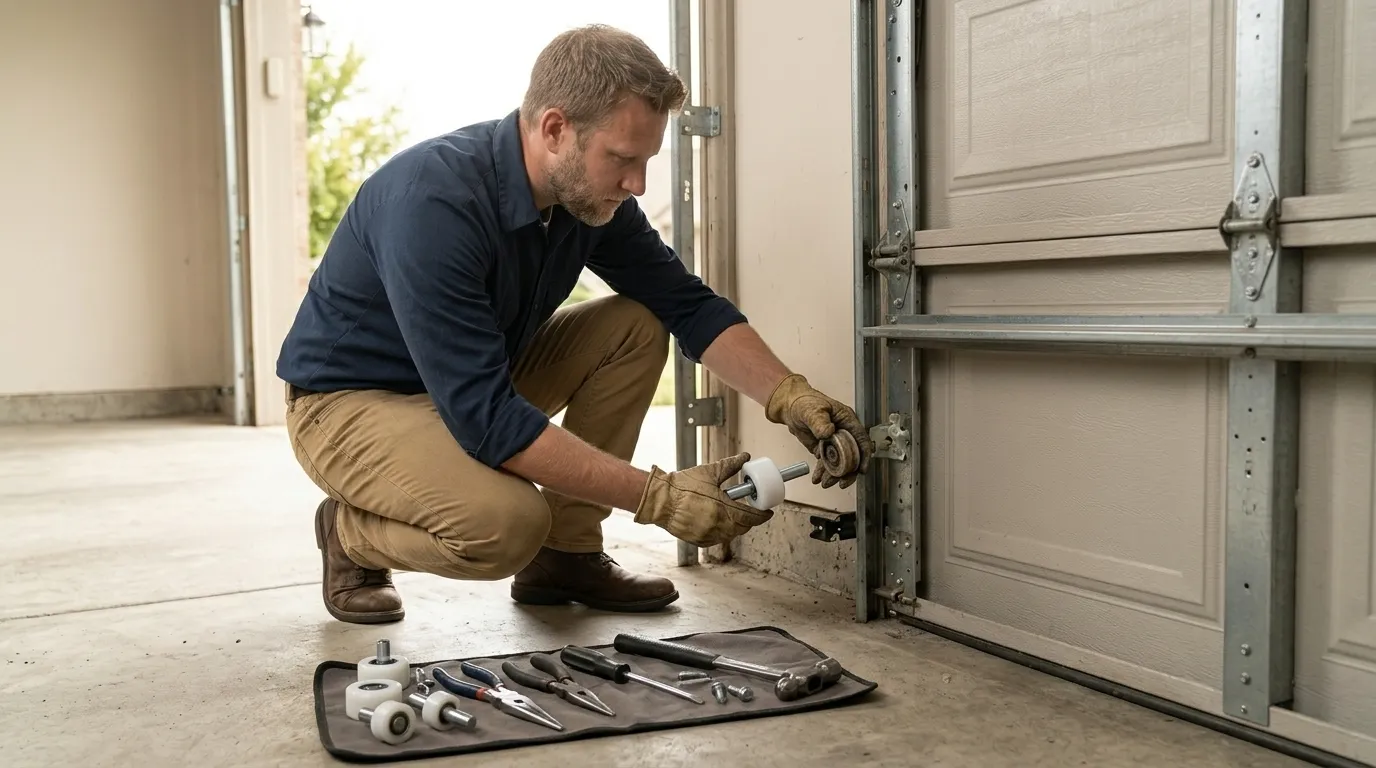
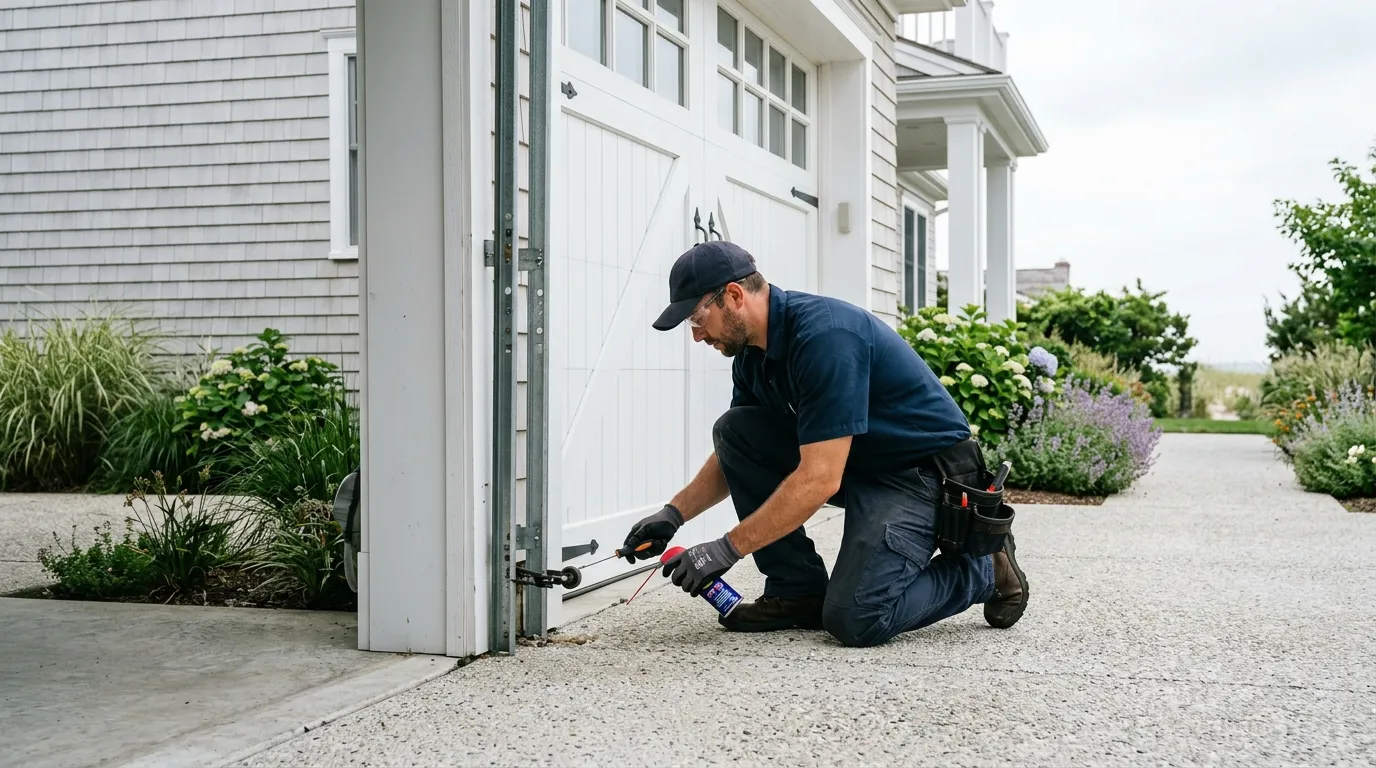
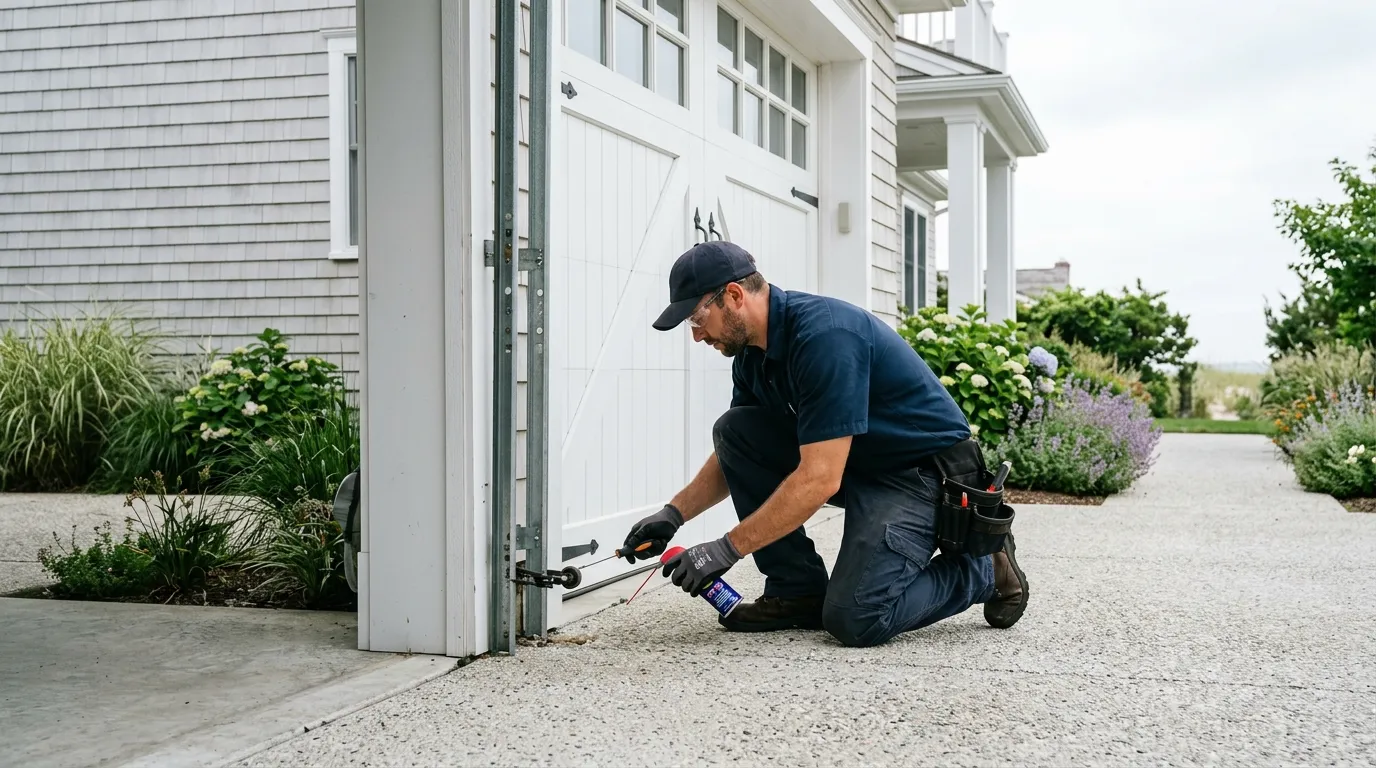
Track alignment is the other common failure. Original steel track brackets from that era were fastened to framing that's now had sixty-plus years of seasonal movement. The track holds fine for months, then a bracket works loose and the door starts binding on one side - it drags, then bangs, then a roller finally jumps the track. Cables on these older setups also fray at the drum where nobody ever looks, because it's tucked above the header.
Opener-wise, if the original chain-drive unit is still in place, the gears are usually the weak point, not the motor - stripped nylon gears from decades of use are a five-minute part swap once you're in there, but the frayed cable or a cracked spring is what usually brings us out in the first place.
Why This Fails Locally
Chicago-area winters put real stress on garage door hardware, and Western Springs sits in that same cold, moderate climate band as the rest of the region. Steel contracts in deep cold, and on a door frame that's now over sixty years old, the metal-to-wood tolerances that were snug in 1960 have opened up. That's why a door that closed fine in October starts sticking on one side by January - the track shifted a fraction of an inch and the cold made the gap obvious.
This isn't a modern-build problem. A garage built in the last fifteen years has tighter, better-shimmed framing and springs rated for current door weights. A 1960-vintage garage in Western Springs doesn't have that margin, so the same cold snap that a newer house shrugs off is what finally snaps a fatigued spring or pops a worn roller here.
The Cost of This Job
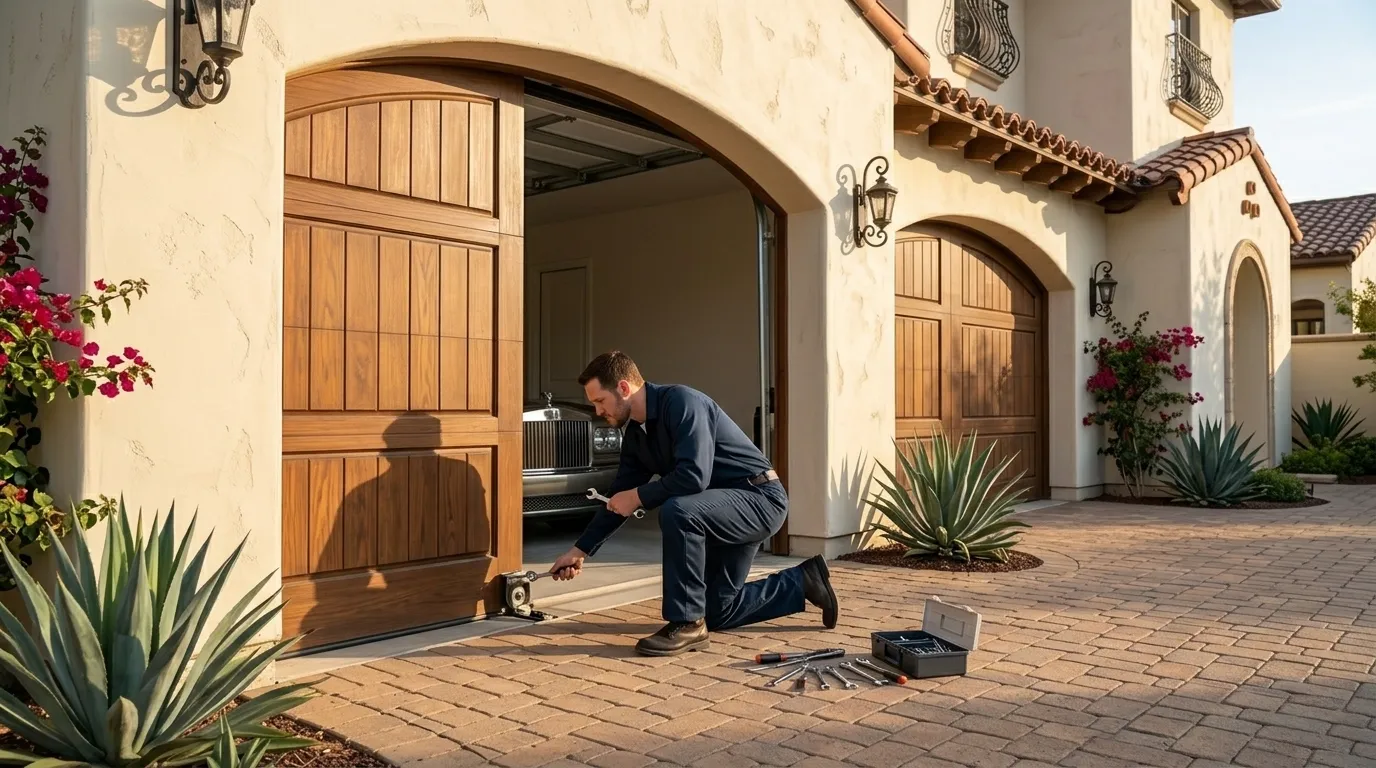
Western Springs carries a median household income of $218,839, well above the roughly $99,861 median across the wider service area we cover. In practice that shows up in the doors themselves - more insulated steel and wood-composite doors, fewer bare single-layer originals, which means the repairs we do here often involve heavier panels and correspondingly heavier-duty springs than the regional average.
We don't have a standing price list to quote here, since job cost depends on what's actually broken and what the door weighs, but a heavier insulated door means a spring sized to match it, and that's a real cost difference from a lighter original door of the same era. We'll price the specific repair once we've seen the door, not before.