Booking a Visit
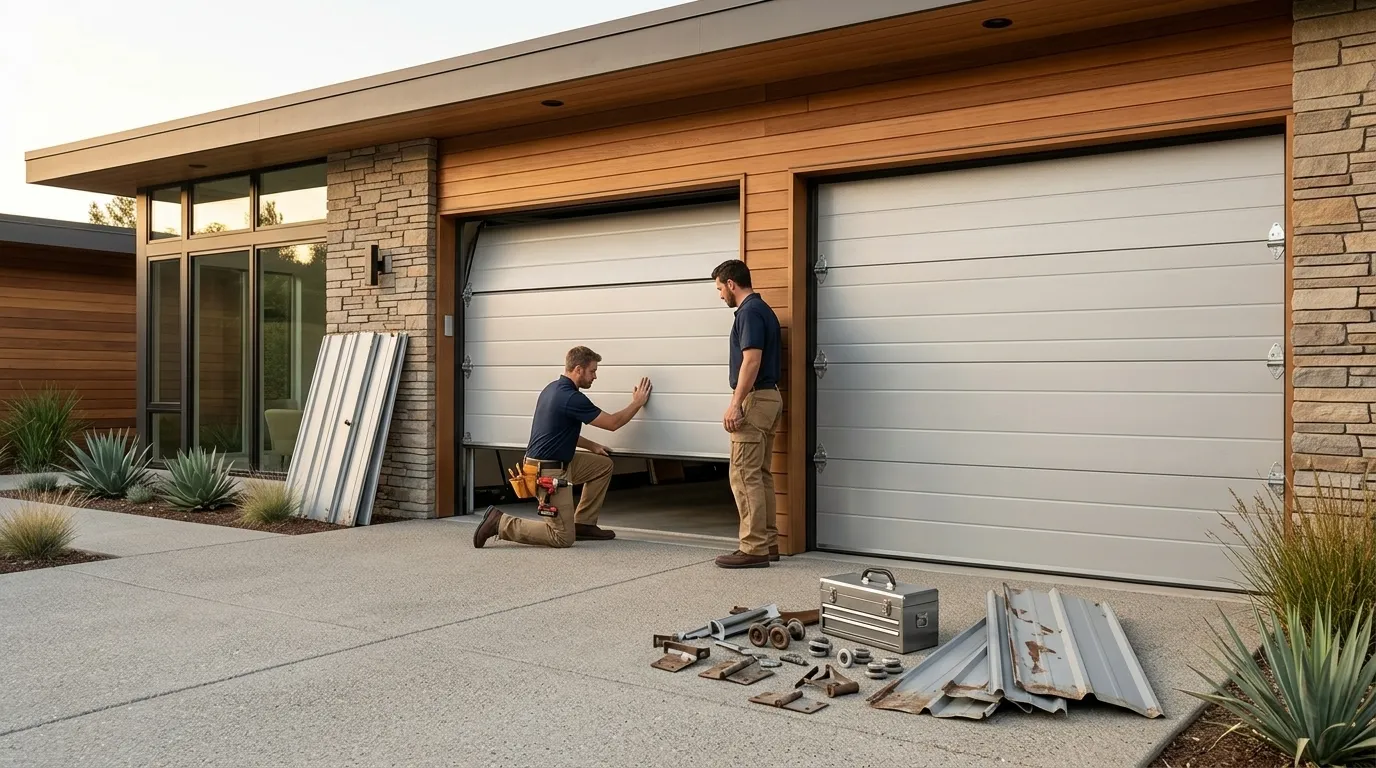
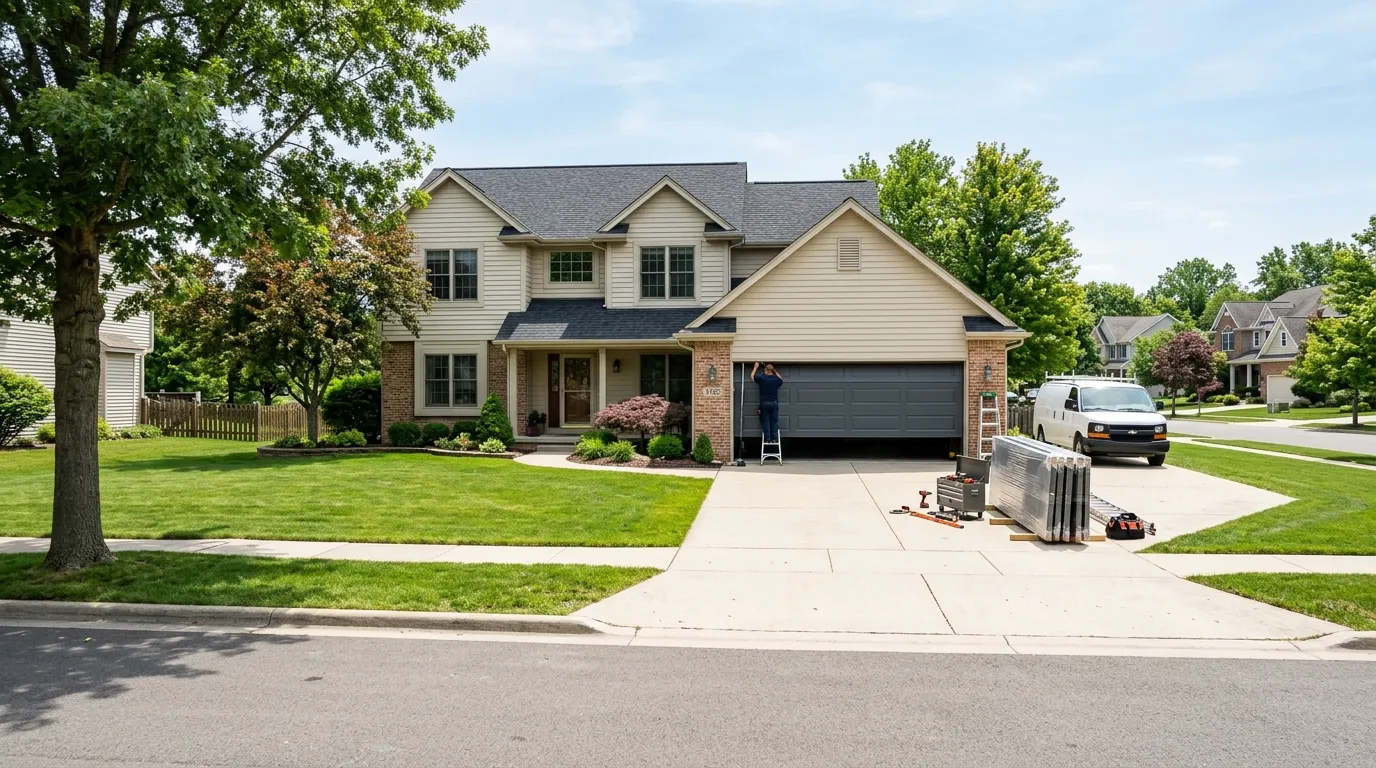
We run out of Lincolnwood, 16 miles from Western Springs, so there's no local branch to swing by - we schedule the visit and bring the truck to you. That distance means we plan the measure-and-quote trip and the install as one coordinated job rather than a walk-in stop. Western Springs is one of roughly 40 named areas we cover, and it's a smaller one: about 4,475 households, against the wider service area's 104,270. That doesn't change how we measure a door, but it does mean we're not guessing at what's common here - the housing stock is tighter and more consistent than the average across our whole territory. When you call, tell us the rough age of the house and whether the door is original. If it's a single steel panel on a wood frame, that alone tells us most of what we need before we ever see the opening. We'll ask about headroom too, since low-clearance torsion setups from that era often need a different spring configuration than what's sold off the shelf today. Bring us the make of the current opener if you're keeping it; not every new door is drilled to match an older bracket.
What Can Go Wrong
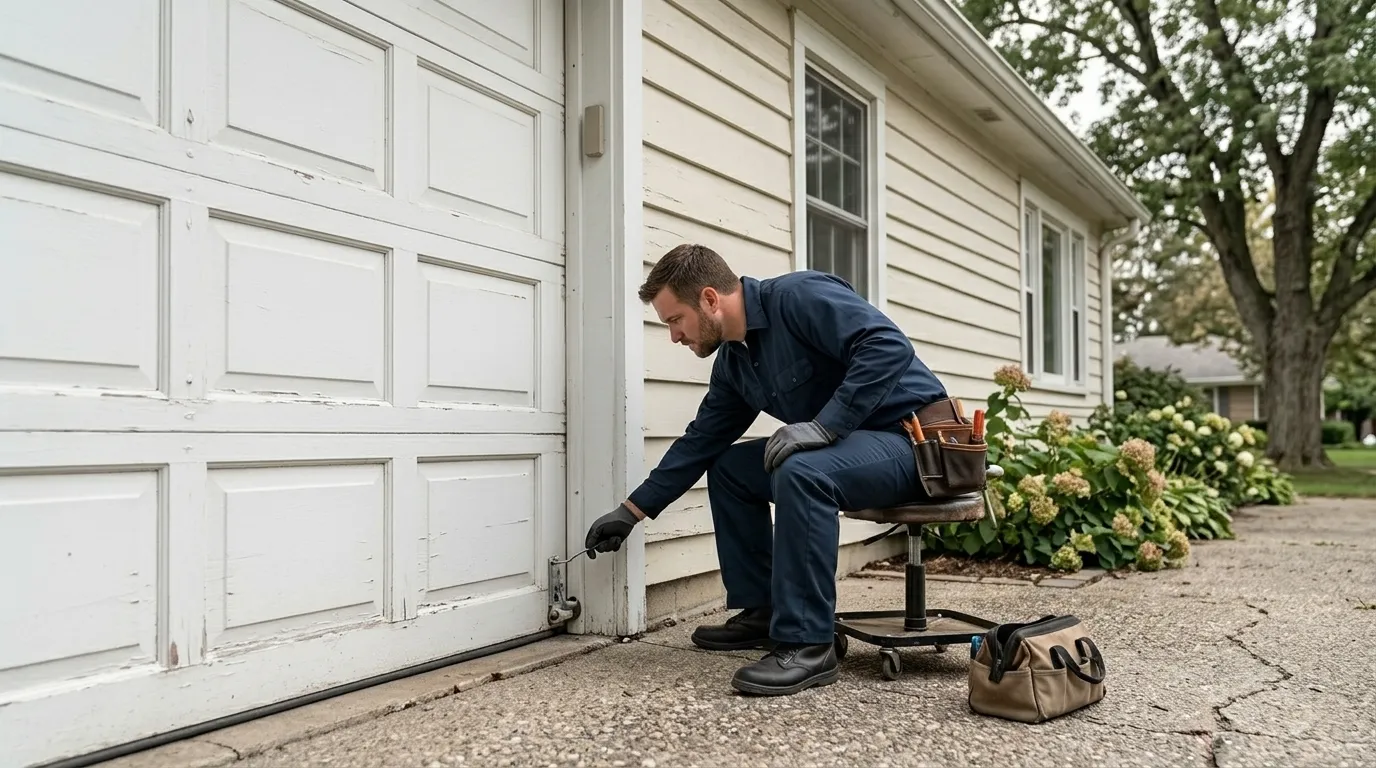
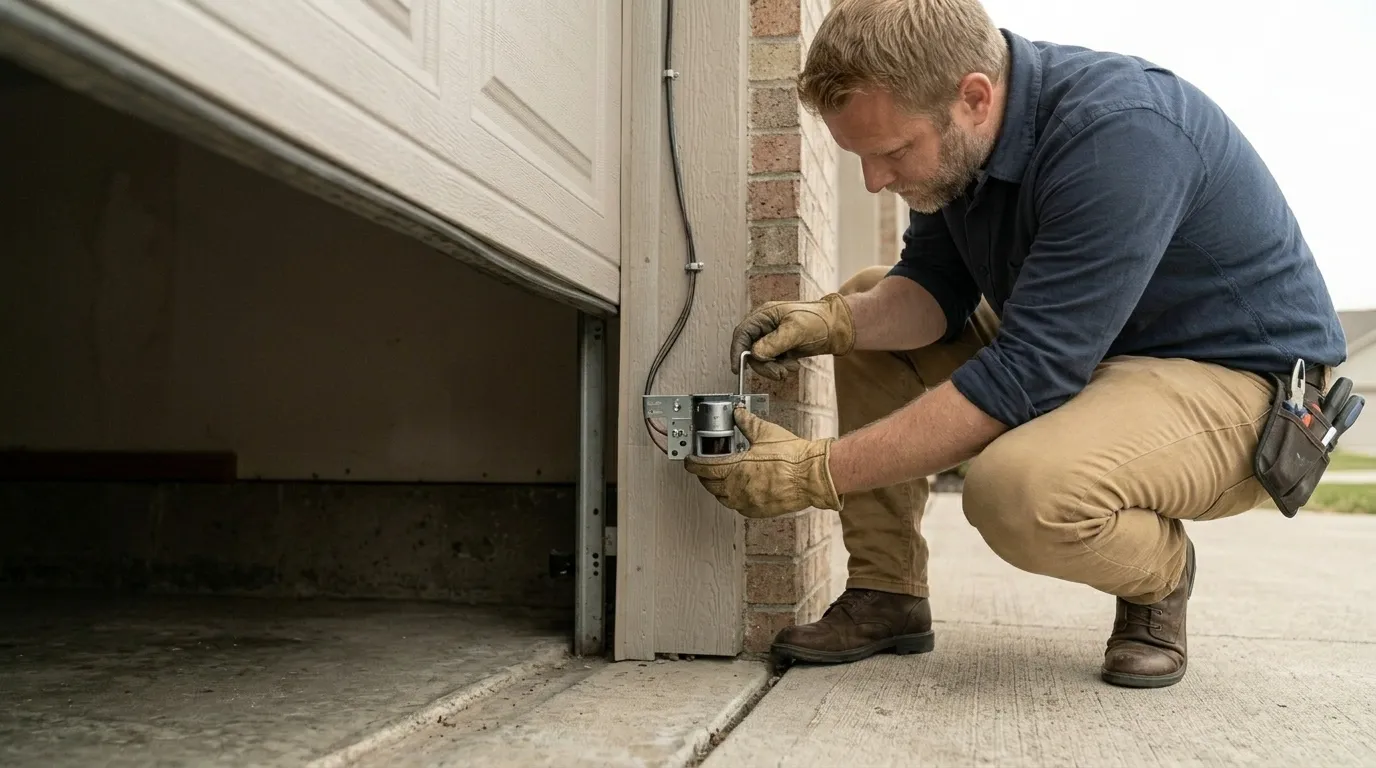
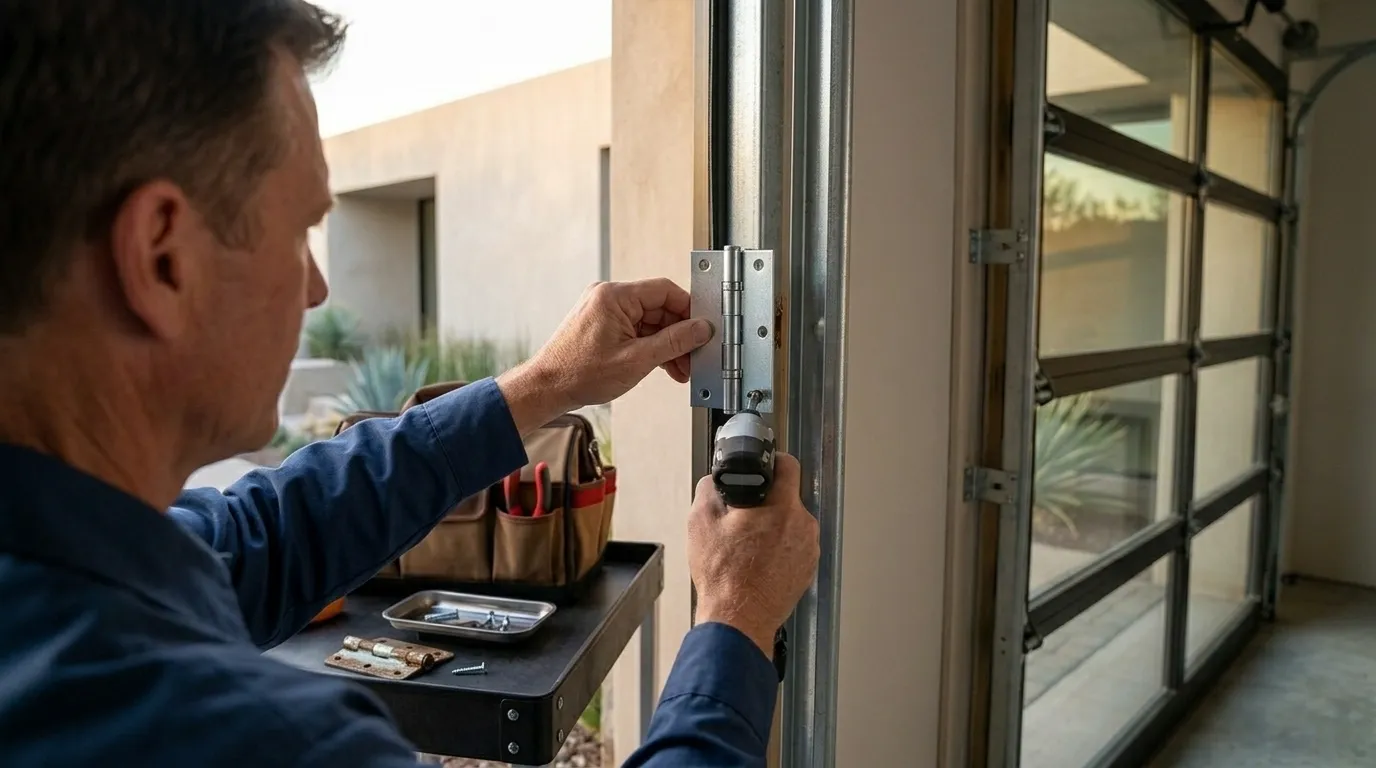
Western Springs homes mostly went up around 1960, and a door installed with the house is now well past the point where parts are easy to find. The common setup from that period is a one-piece, non-sectional steel or wood door on side hinges, swinging out on a track system that later sectional doors don't use at all. The springs on these are usually extension-style, mounted along the horizontal track rather than torsion springs over the header - a design that's been out of production long enough that finding a matching replacement spring, rather than swapping the whole door, is often not realistic. Hardware wears the same way it always has: rollers seize, hinges elongate their bolt holes, and the track pulls away from the framing where lag screws have loosened over sixty-plus years of seasonal movement. On a door this old, a new opener bolted to an old panel is a mismatch - the panel usually can't take the repeated stress without the frame flexing further. That's the point where we're not talking about a repair anymore, we're talking about a full replacement, sized to the original rough opening rather than to a modern standard size that may not fit.
Why This Fails Locally
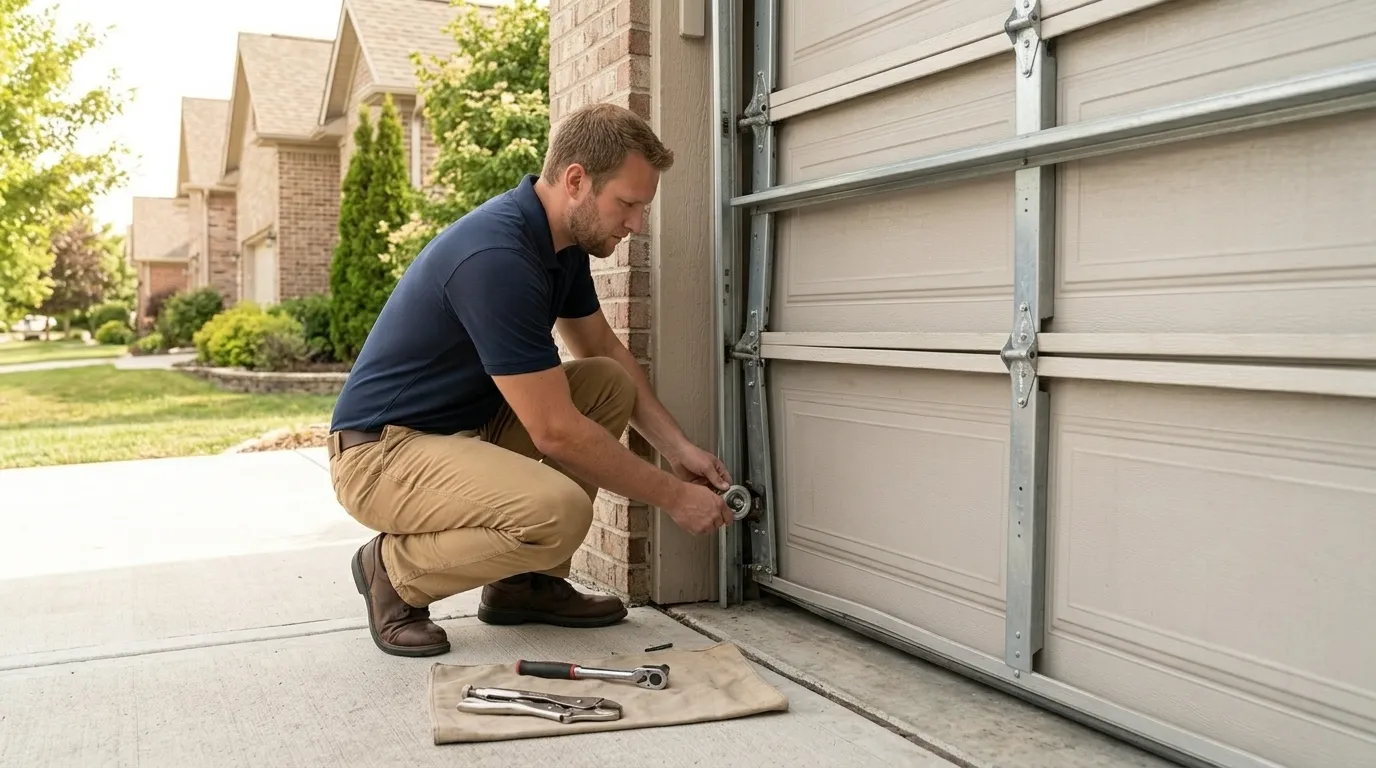
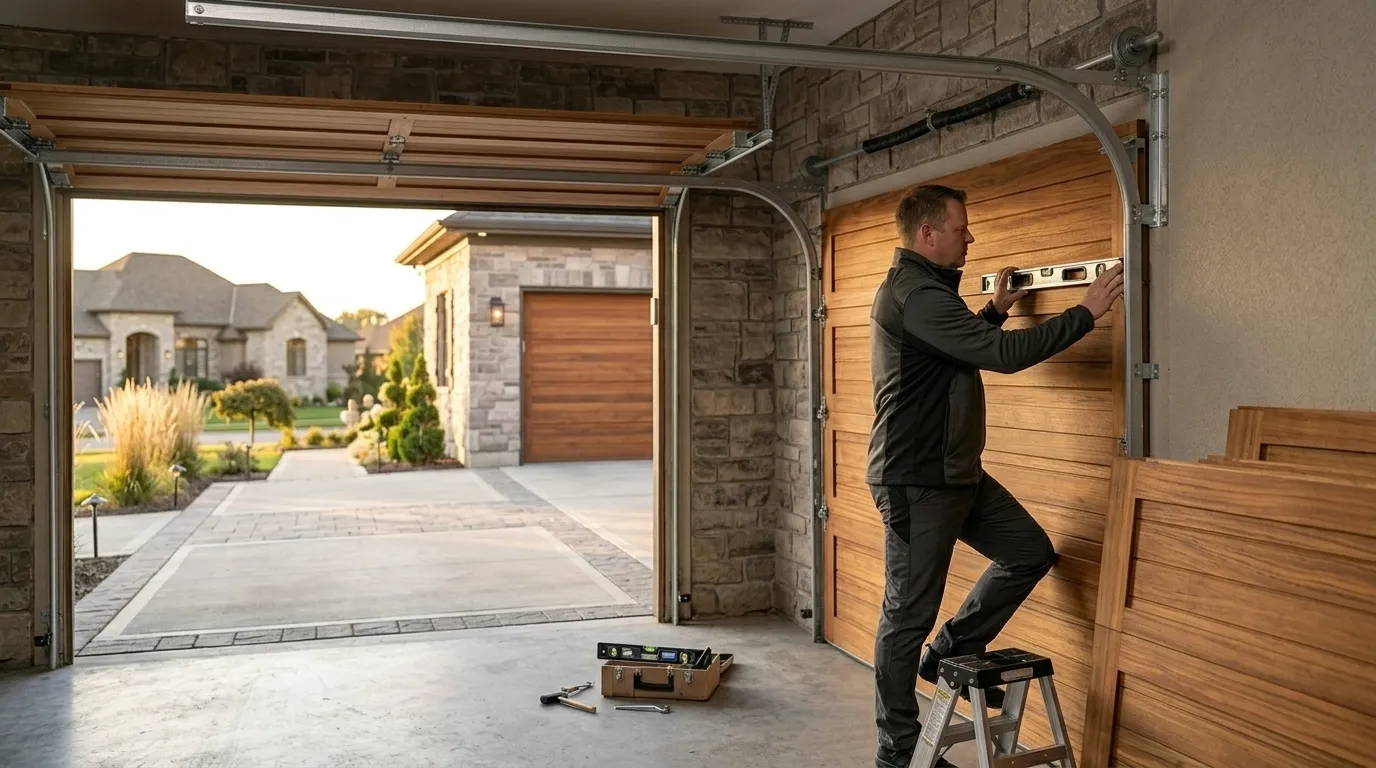
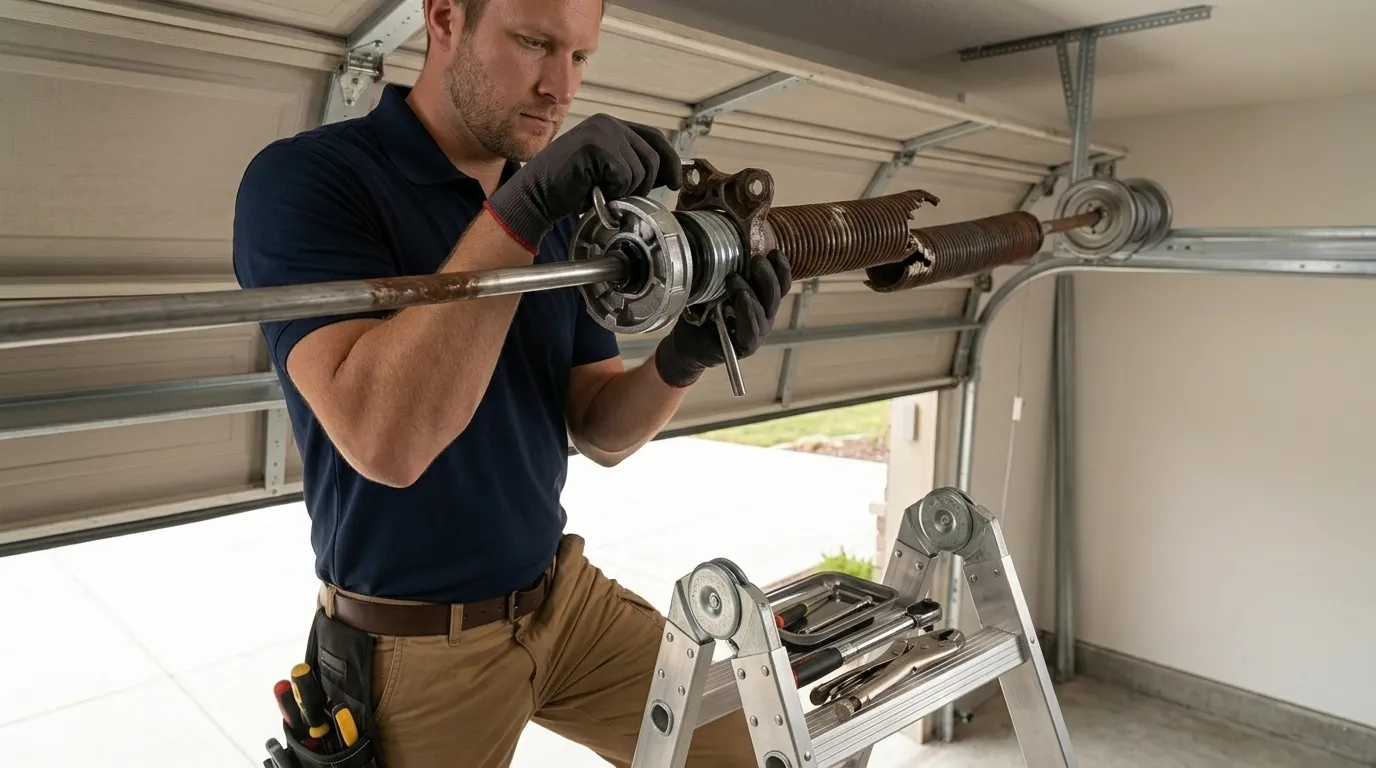
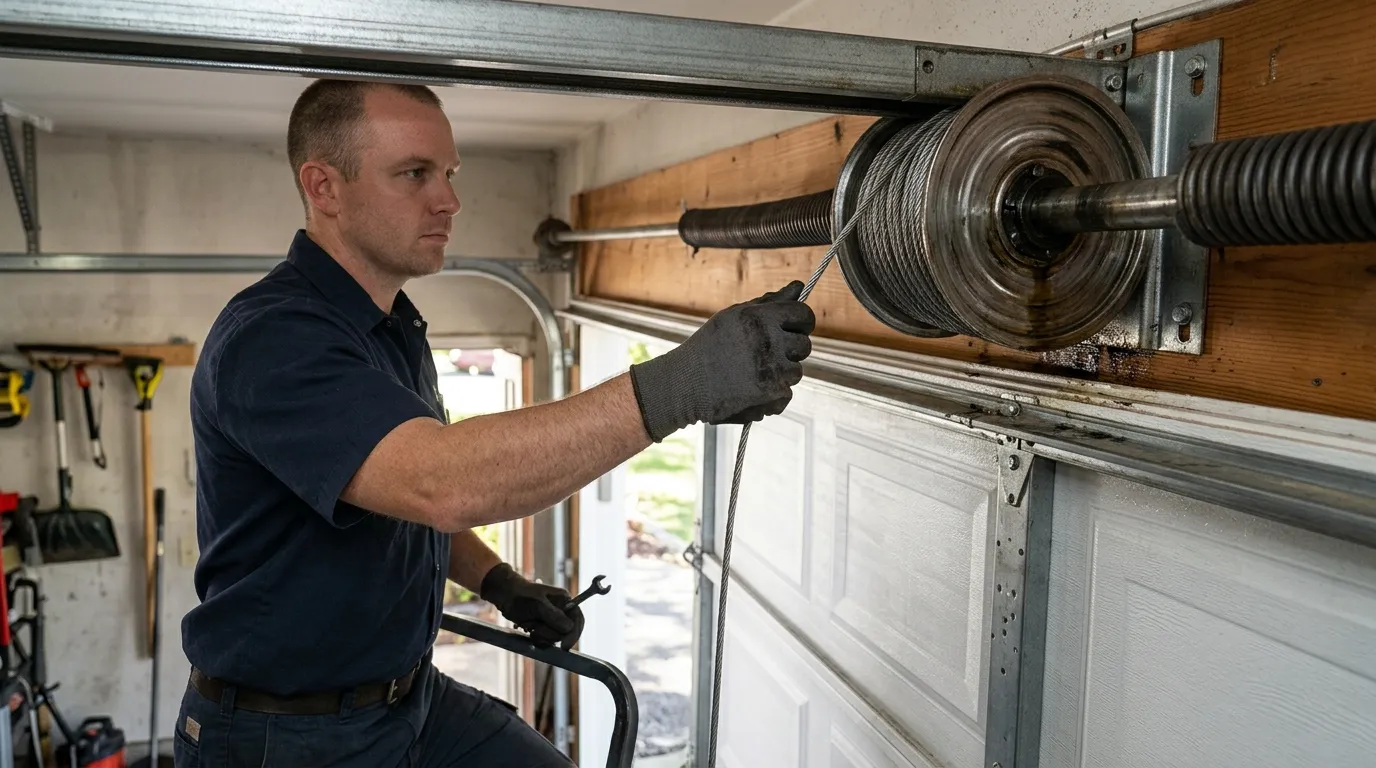
The mismatch here isn't abstract. A door built for a 1960 opening, in a cold-climate location, was never insulated to any real standard - foam-core sectional doors weren't common building practice yet, and the original panel is almost certainly a single layer of steel or wood with no thermal break. Sixty winters of freeze-thaw cycling on the original track brackets, plus a slab that's settled slightly since the house was built, means the door often doesn't sit flush anymore even if it still opens and closes. At a median household income of $218,839, most Western Springs homeowners we talk to aren't looking to patch this kind of door - they're replacing it with an insulated sectional unit built to current cold-climate specs, and doing it once rather than repeatedly chasing hardware for a design that's no longer supported. That's a different job than a hardware swap: new track, new springs sized to the door's actual weight, and a header check to confirm the opening will take a torsion shaft instead of the old extension-spring rail.
The Cost of This Job
We're not going to put a number here that isn't backed by a quote for your actual opening - every one of these jobs depends on the size of the door, whether the frame needs correction, and what insulation level you choose. What we can tell you is what drives the number up or down: a straight swap into an opening that's still square costs less than one where the jambs or header need shimming or rebuilding first. Two-car openings from this era run wider than some modern standard sizes, so custom width is common rather than the exception. Given the income profile here, we more often quote the higher end of insulated, steel sectional doors than the base-grade option, but that's a homeowner's call, not ours to assume. One honest limit: if the existing opening is out of square by more than a small margin, we'll flag it before we quote the door itself, because a door quote without a framing fix quoted separately isn't a real number.