Booking a Visit
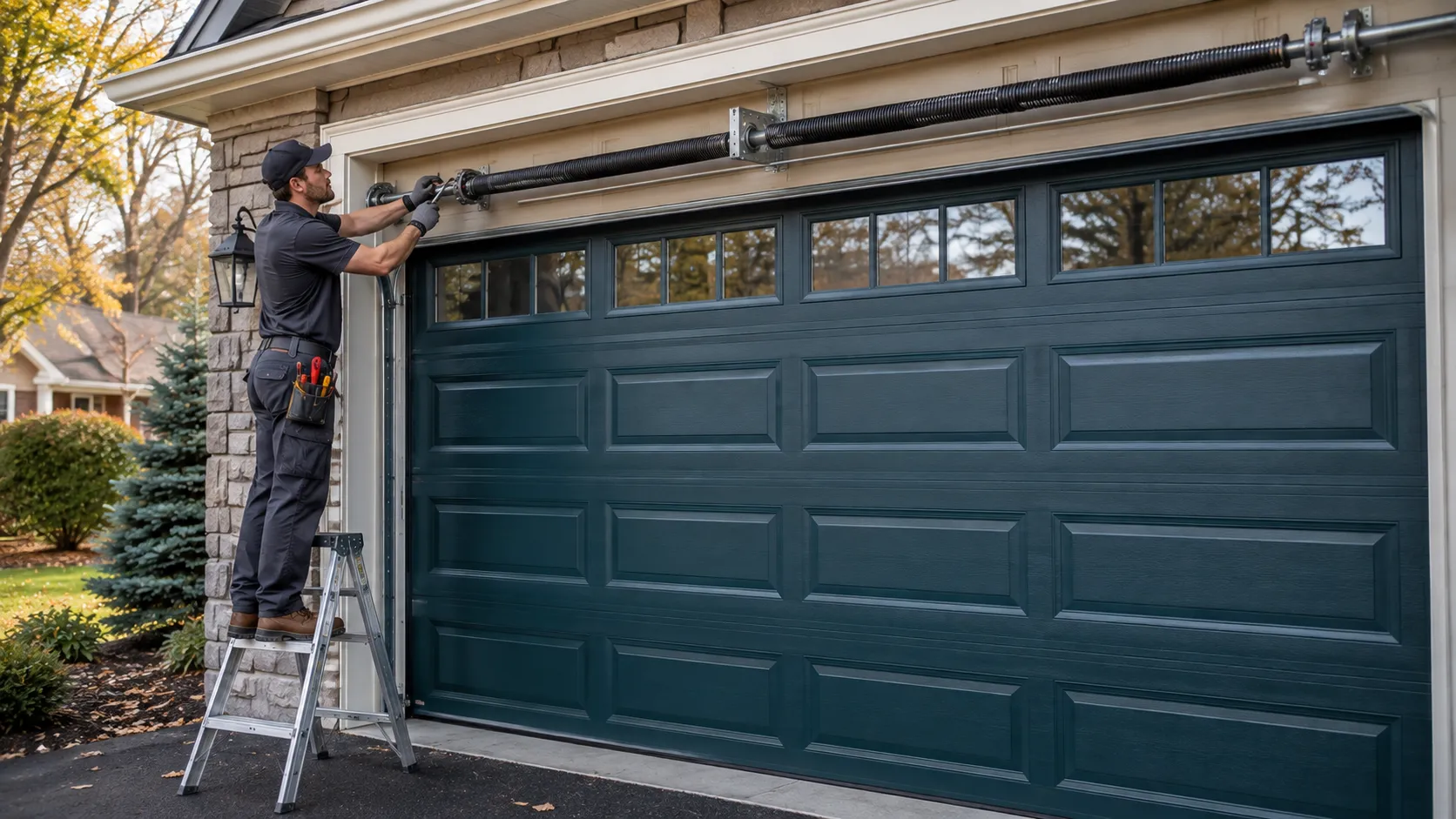
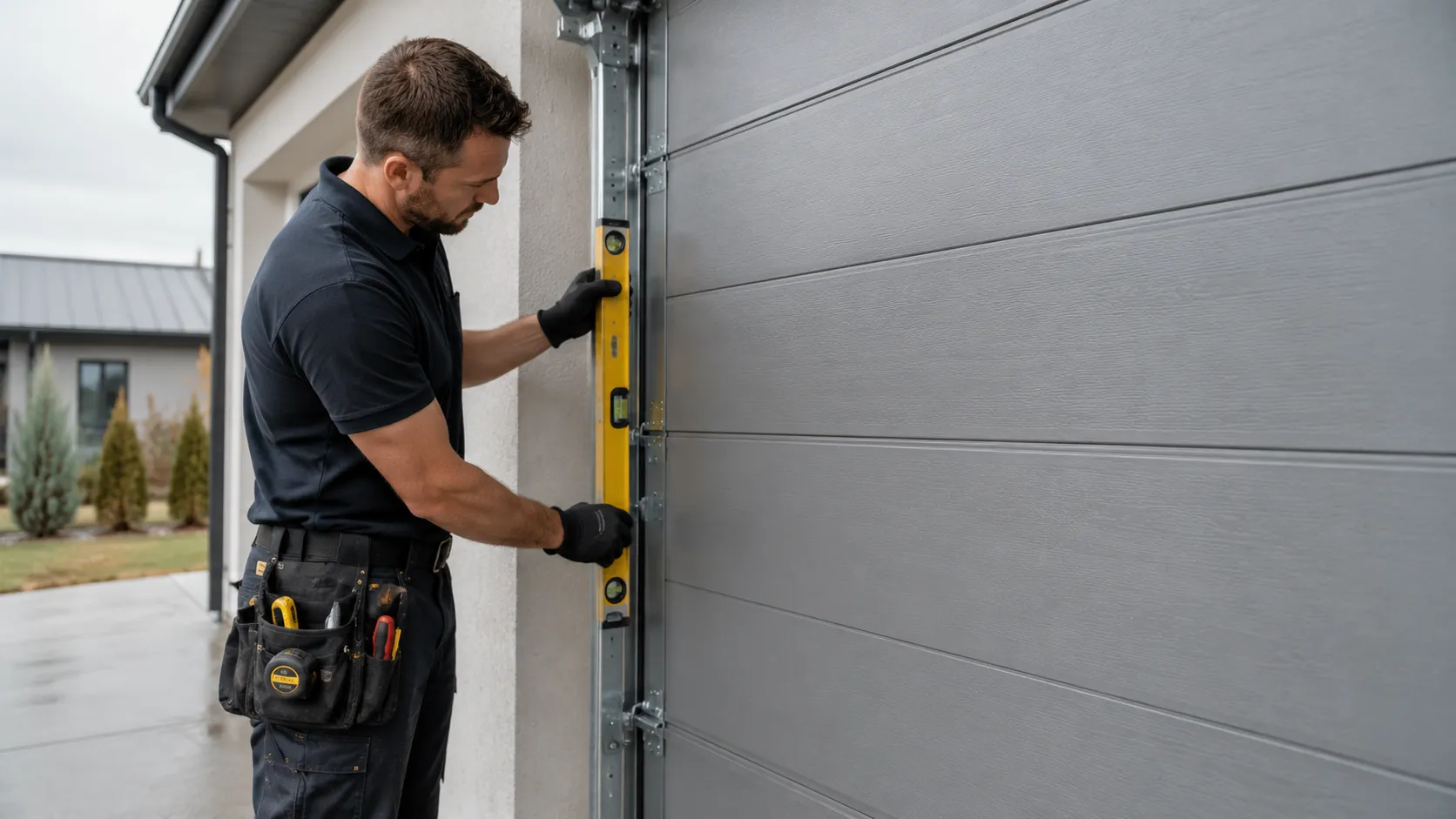
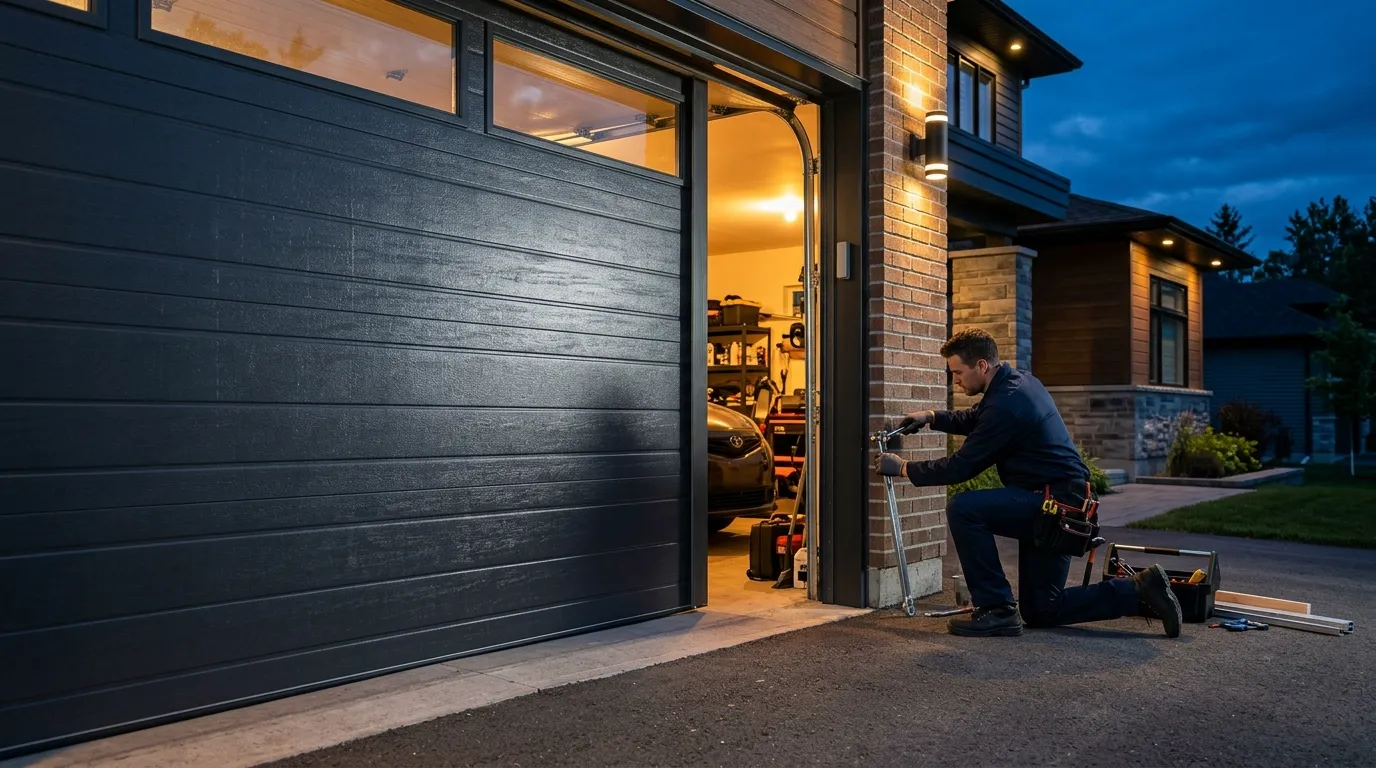
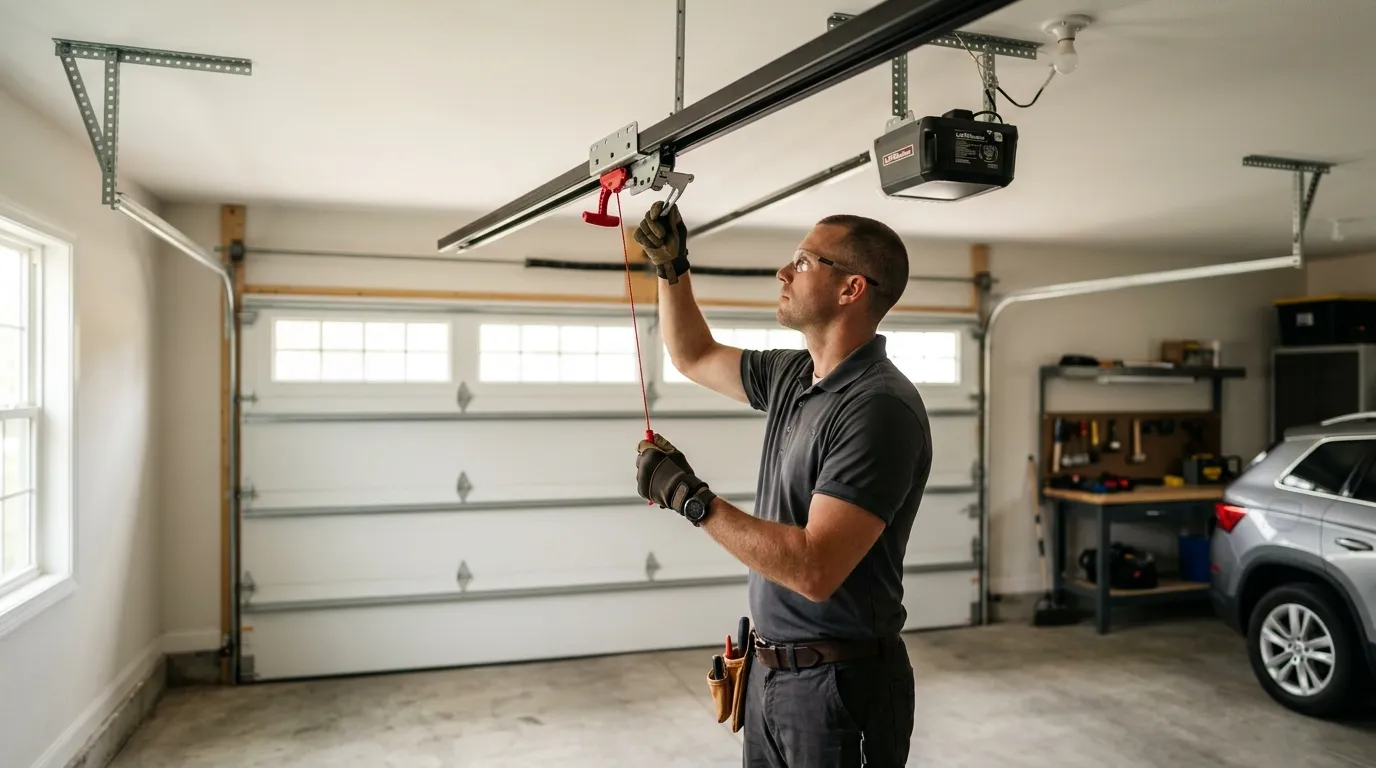
Western Springs is a small town - about 4,475 households, tucked in a service area we cover from Lincolnwood, roughly 16 miles away. We don't keep a branch or a drop box here, so every panel job starts with a call: what the door looks like, how old the house is, whether one panel is dented or the whole face is racked. Because the town is compact, most of the housing went up in a tight window, which means we can often tell you what we're dealing with before the truck leaves Lincolnwood. That doesn't mean we guess on parts - we confirm panel width, section height, and hinge spacing on site before we order anything, because a mismatched panel on an otherwise original door looks worse than the dent it replaced.
What Can Go Wrong
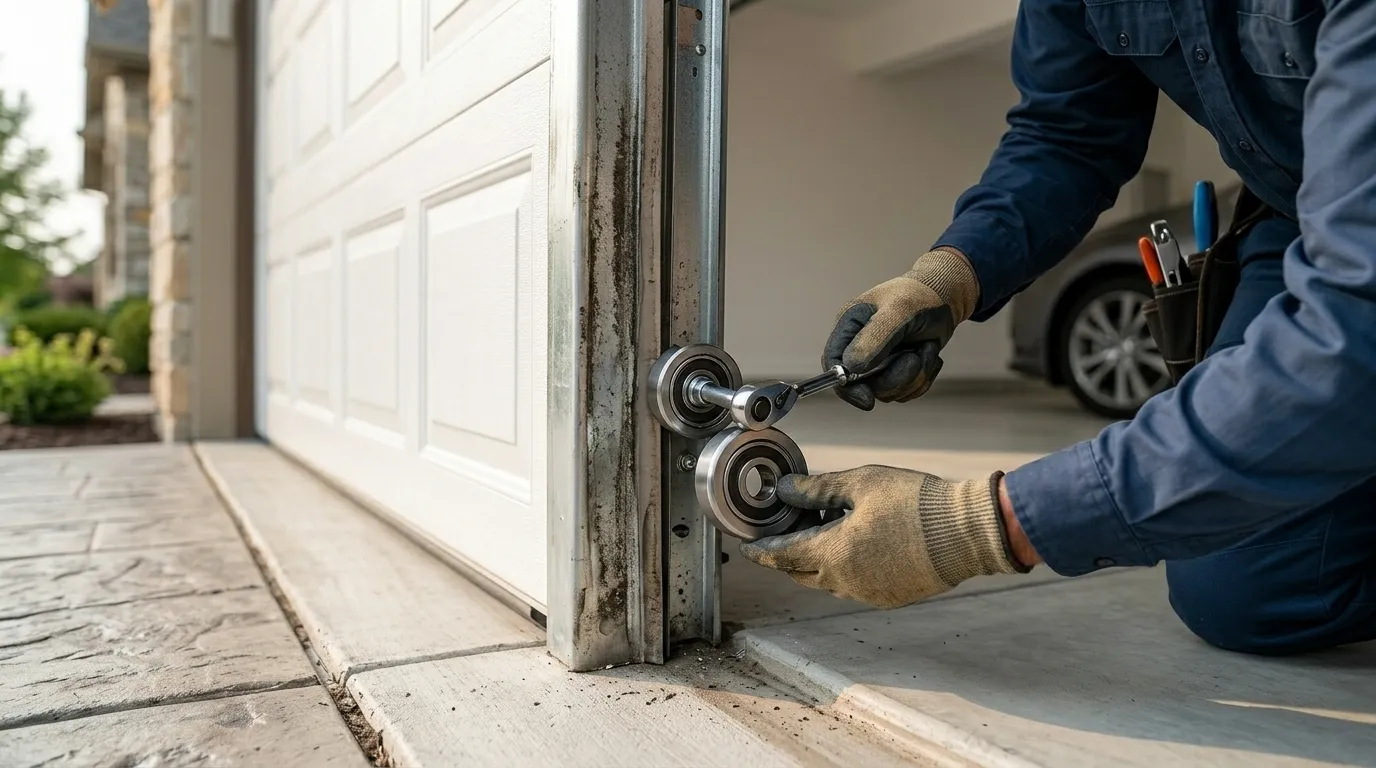
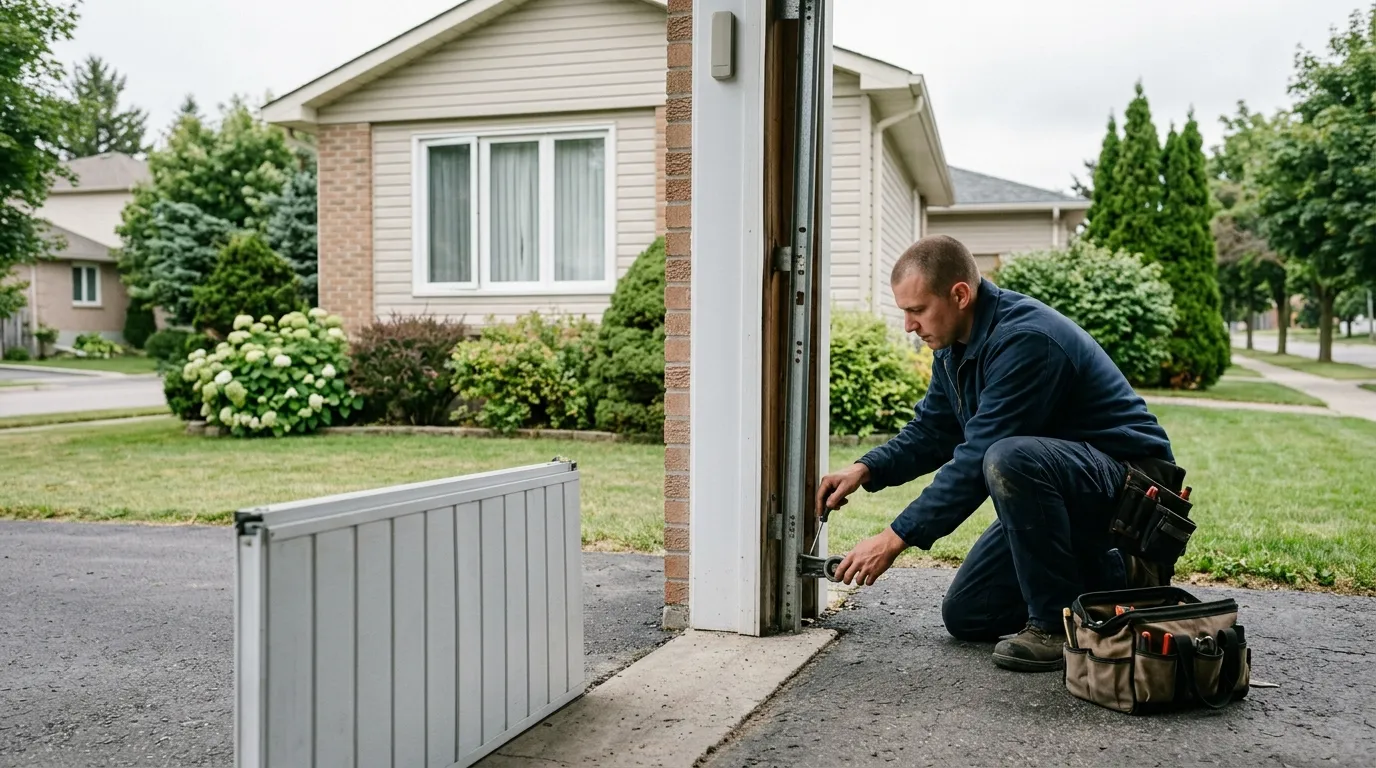
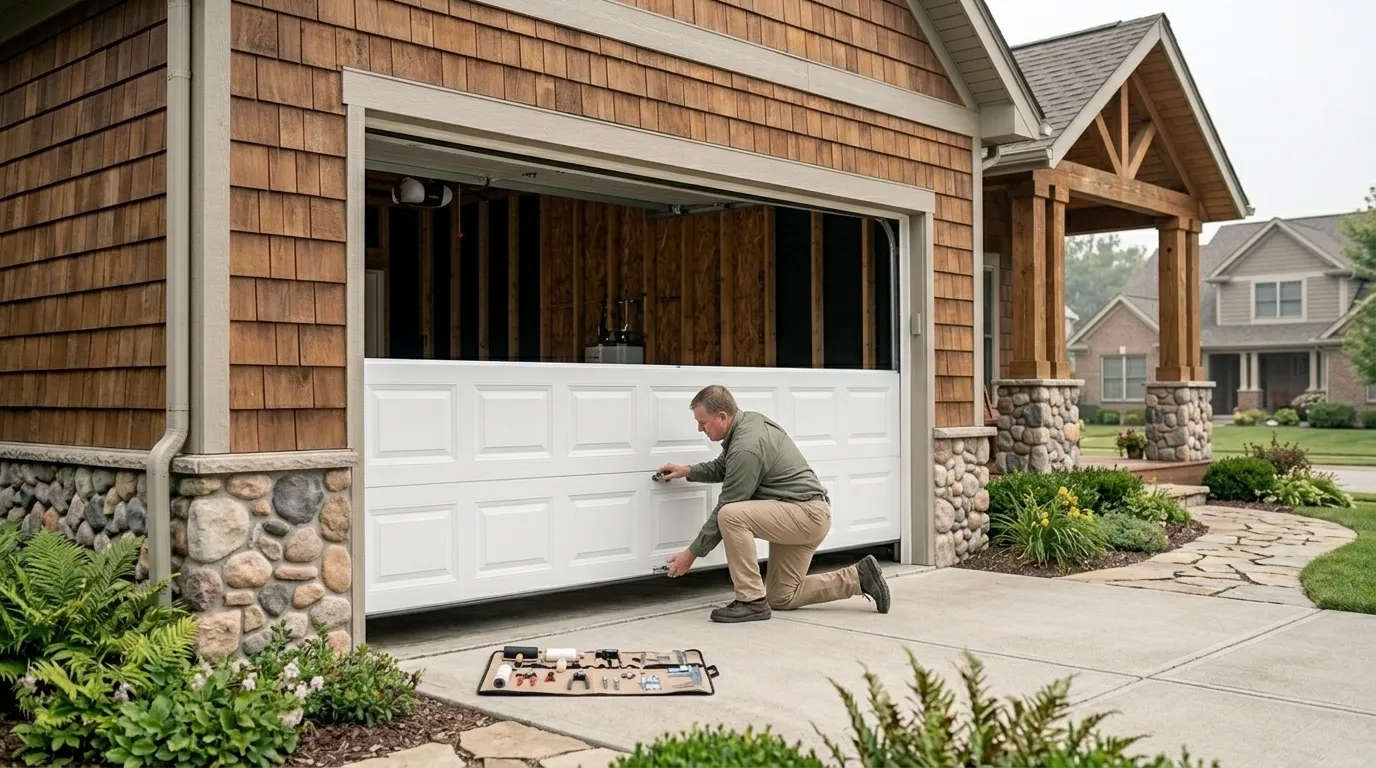
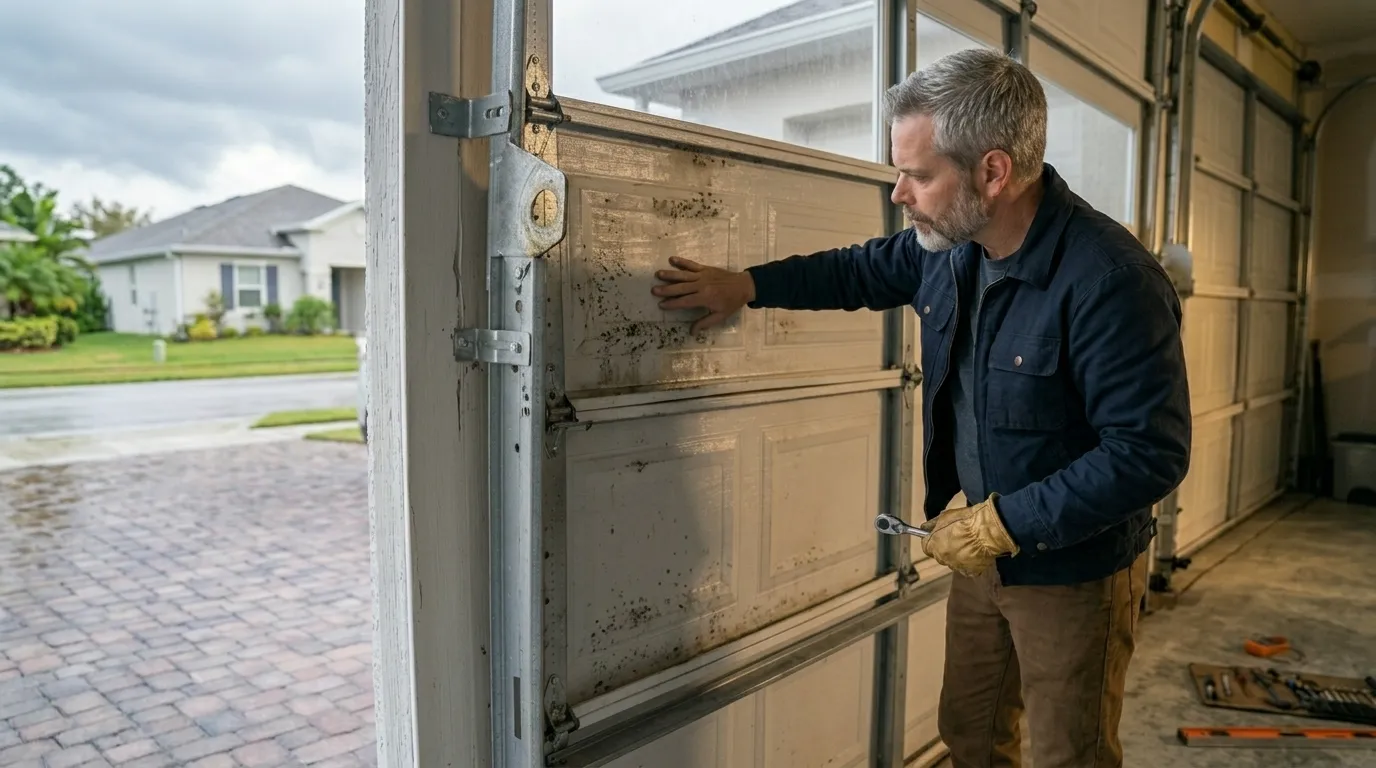
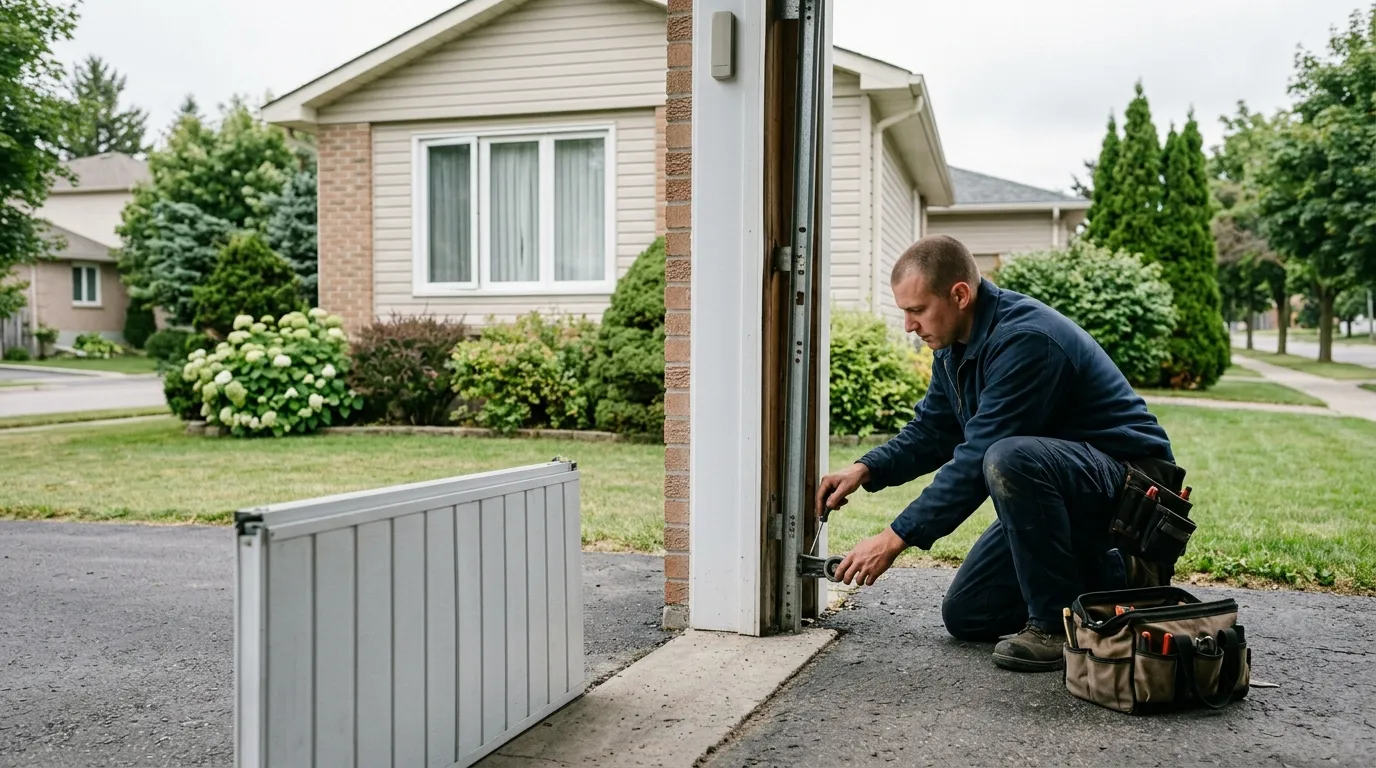
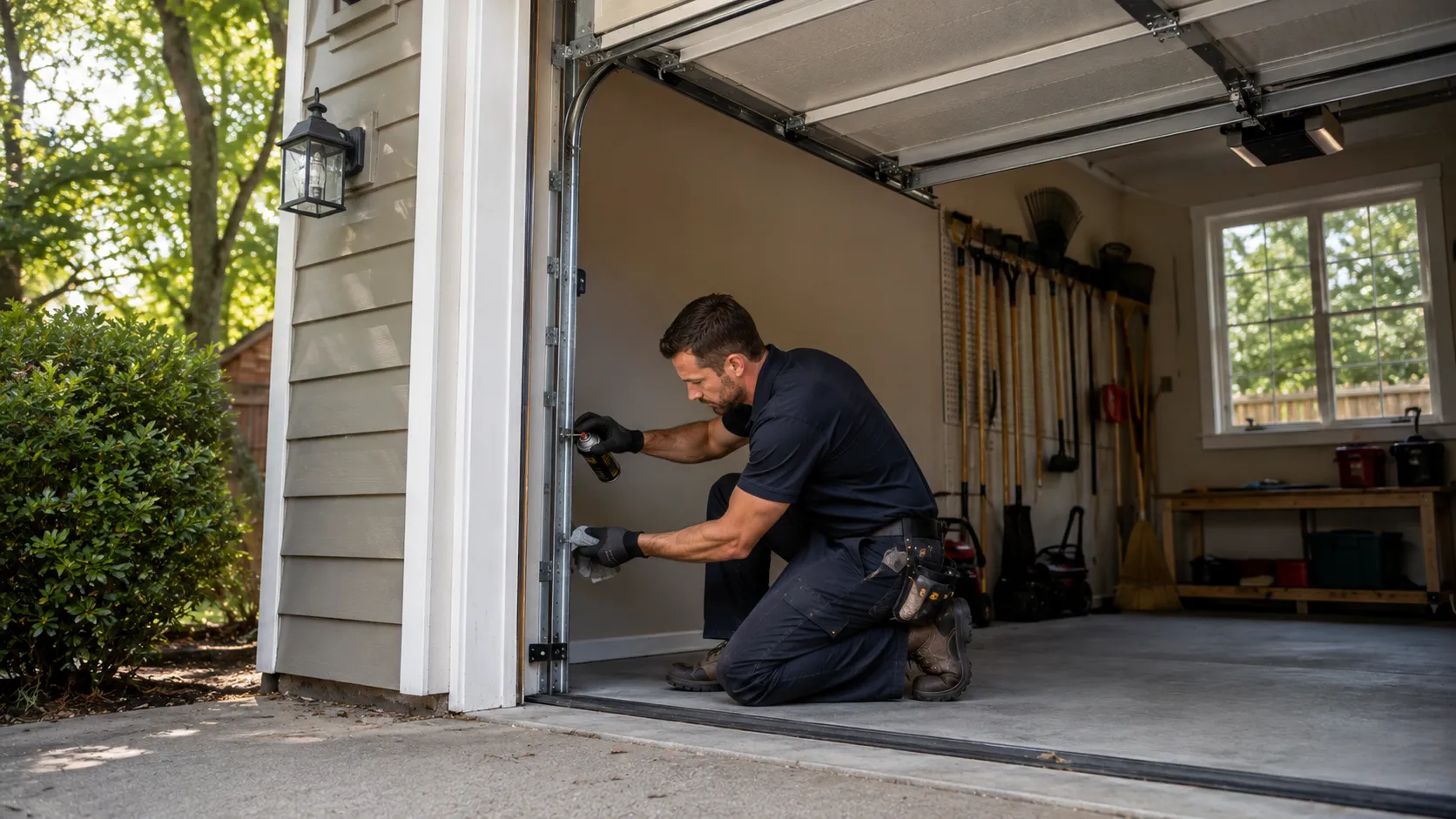
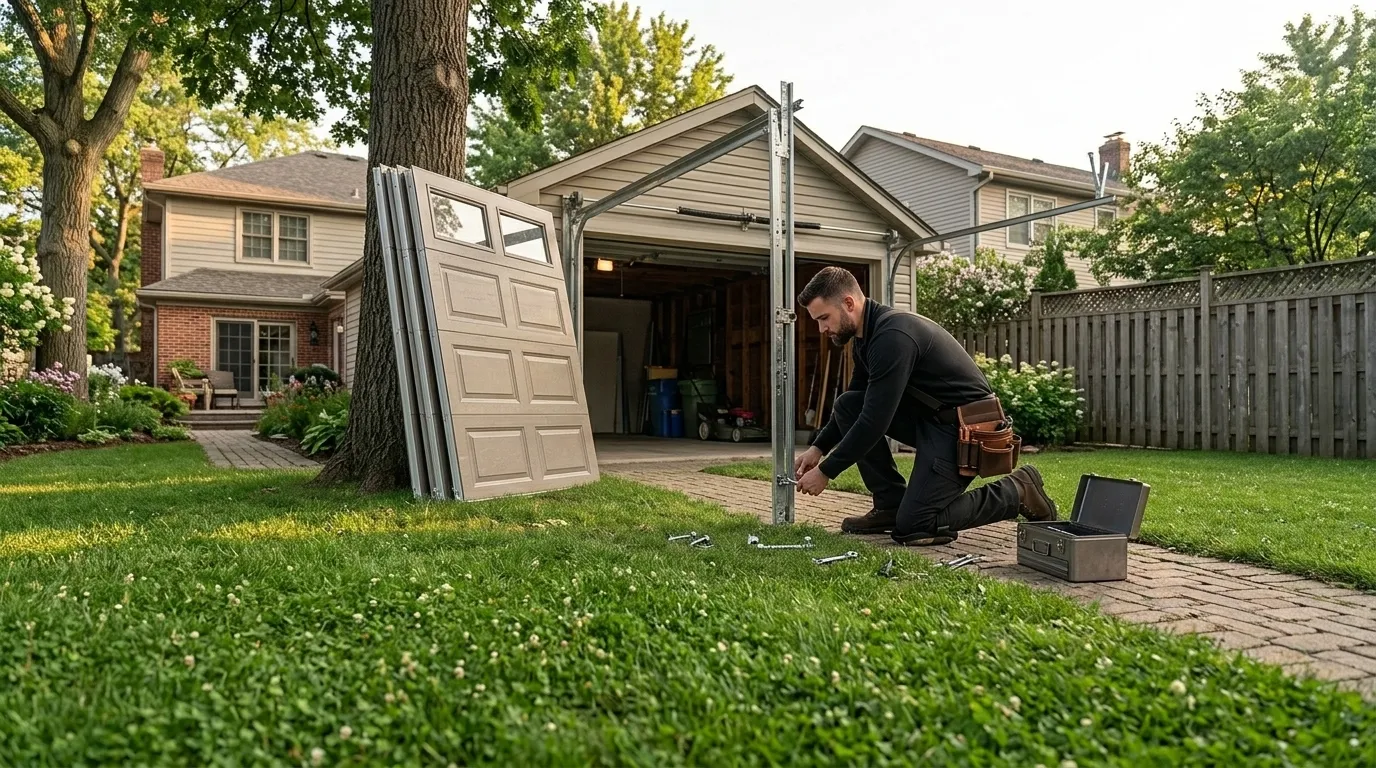
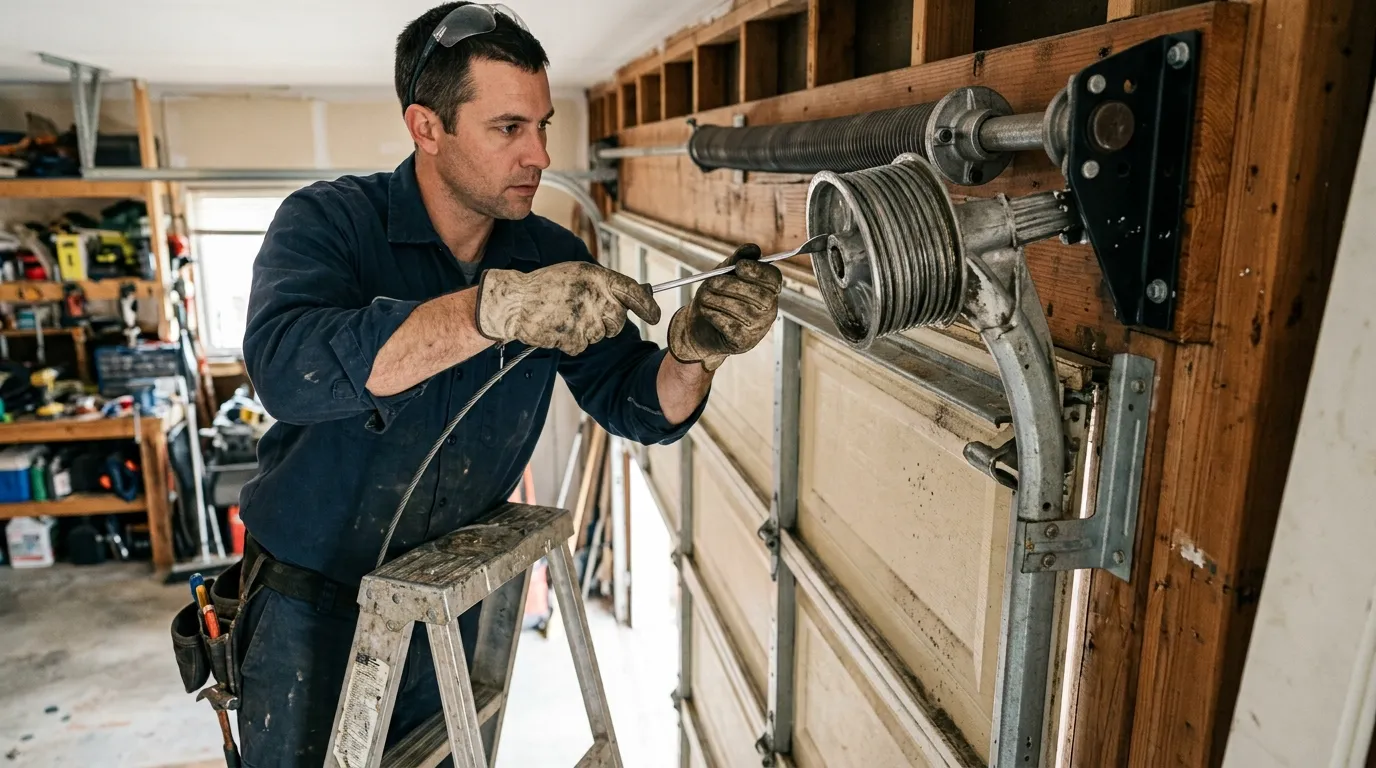
A single panel rarely fails on its own. On a door built in the 1960 era, steel panels have usually been repainted at least once, and the gauge under that paint is thinner than what ships today. A car mirror clips a bottom section, or a section warps from the cold-moderate winters this area sits in, and the whole panel bows outward at the seam. On wood-faced doors - more common on higher-value lots - the failure is rot at the bottom rail, not a dent at all, and by the time it's visible the panel below it has usually gone soft too. Either way, a cracked panel puts extra load on the rollers and track next to it, so a job that starts as one panel sometimes becomes two.
Why This Fails Locally
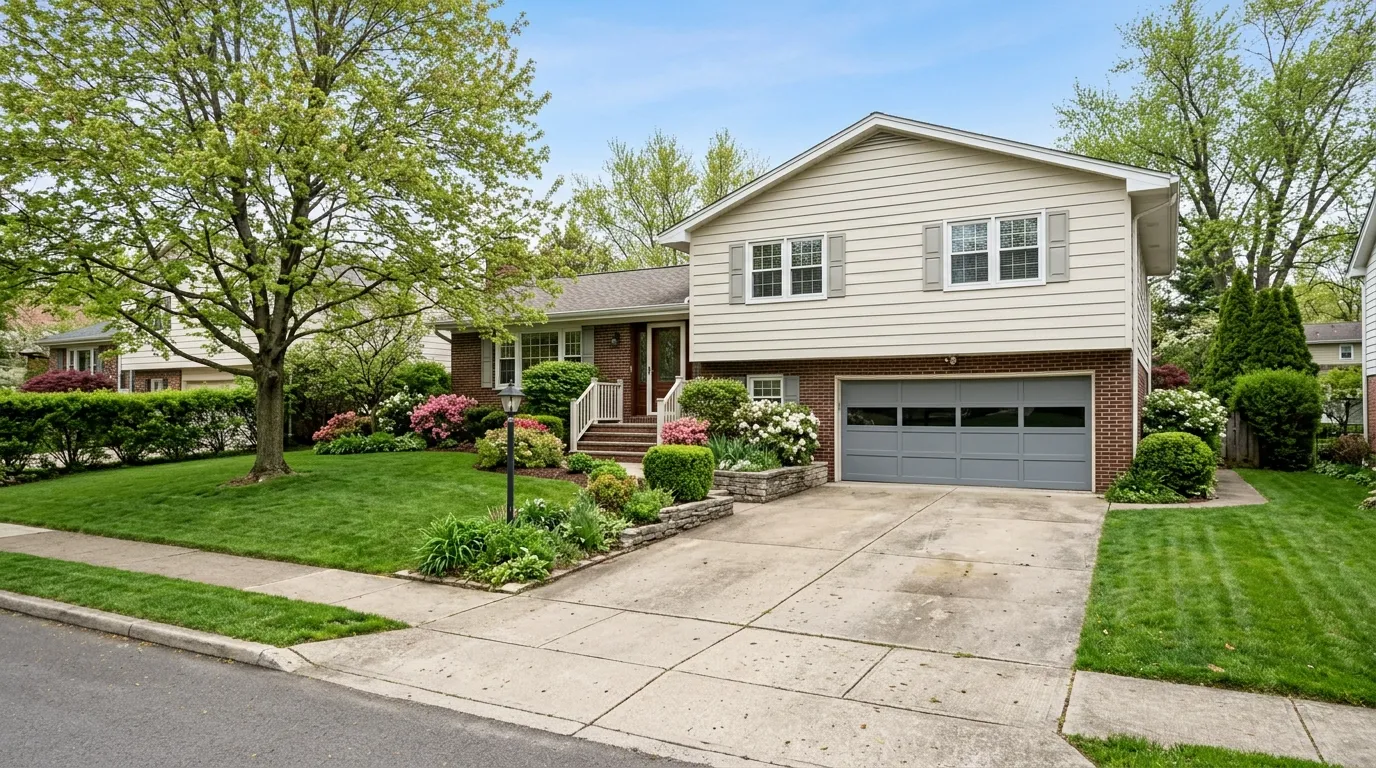
Western Springs' housing stock clusters tightly around 1960, and that matters more here than in a town with a spread-out building era. When most of the doors on a block came from the same few builders in the same handful of years, the panel sizes, hinge spacing, and track gauge repeat block to block - which is useful when we're sourcing a match, and useless when a homeowner assumes a big-box panel kit will fit because it fit their cousin's house in a different town. At a median household income of $218,839, we also see more owners choosing to replace a damaged panel with a matched custom-milled or heavier-gauge steel panel rather than the cheapest stock option, which changes both the price and the lead time.
The Cost of This Job
We can't quote a number here without seeing the door - panel material, whether it's one section or three, and whether the color needs matching all move the price. What we can tell you is that in a town where the housing is old enough that most doors are original or one generation removed from original, a straight panel swap is usually cheaper than people expect, and a full re-face or replacement gets recommended only when two or more panels are compromised or the track has racked. If a panel job turns into a replacement conversation, we'll tell you why before we tell you the price - that's the honest order.