How Long You Are Without the Door
We run this job out of Lincolnwood, 19 miles from Long Grove, so the truck that shows up is loaded before it leaves, not after we've had a look. That matters more here than in the older parts of the territory, because Long Grove's housing stock has a median year built of 1989 - nearly three decades newer than the 1938 to 1961 era that shaped most of the service area. Newer doors mean a narrower band of roller types, and we stock for that band before we're on the road, not after.
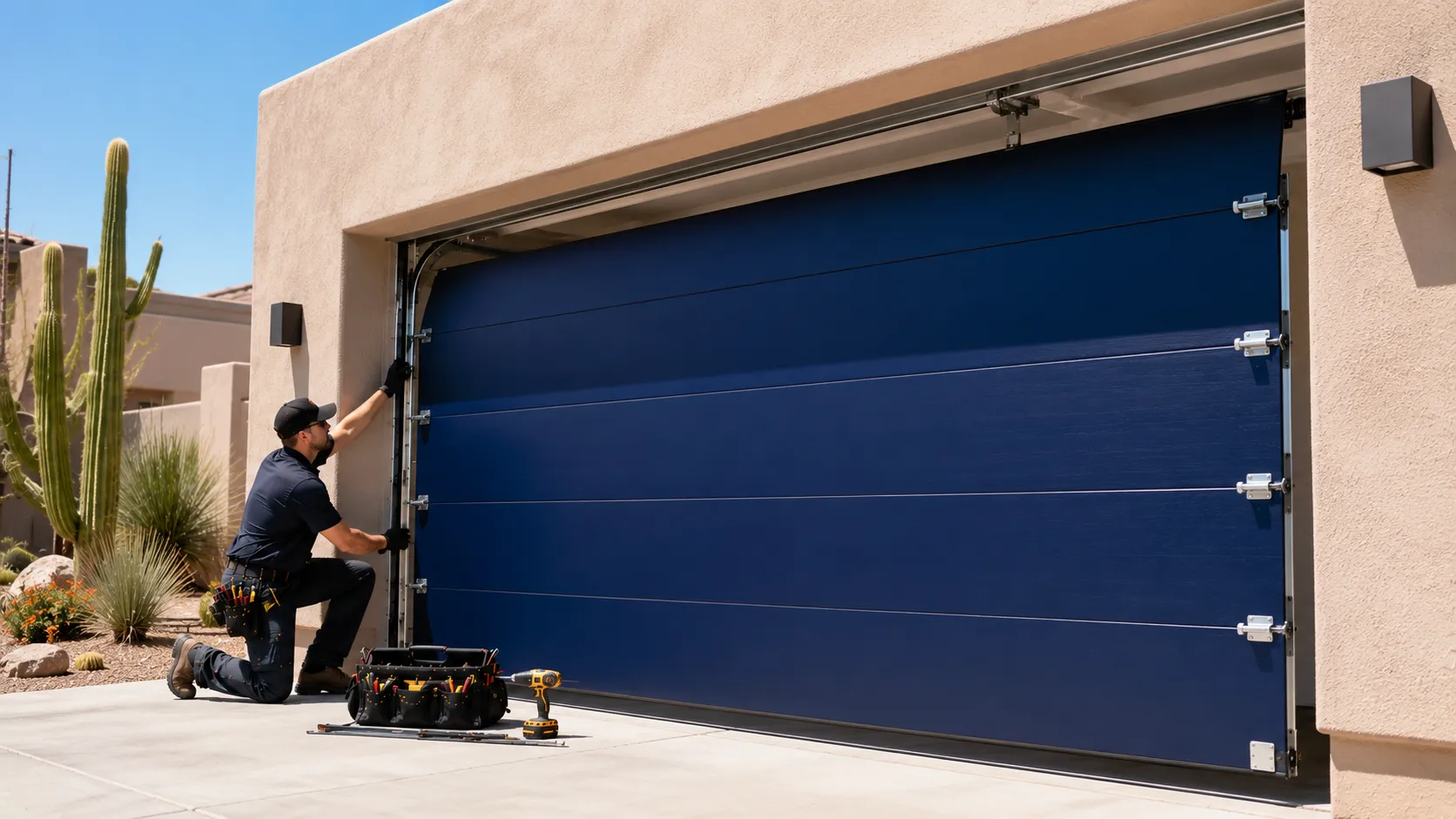
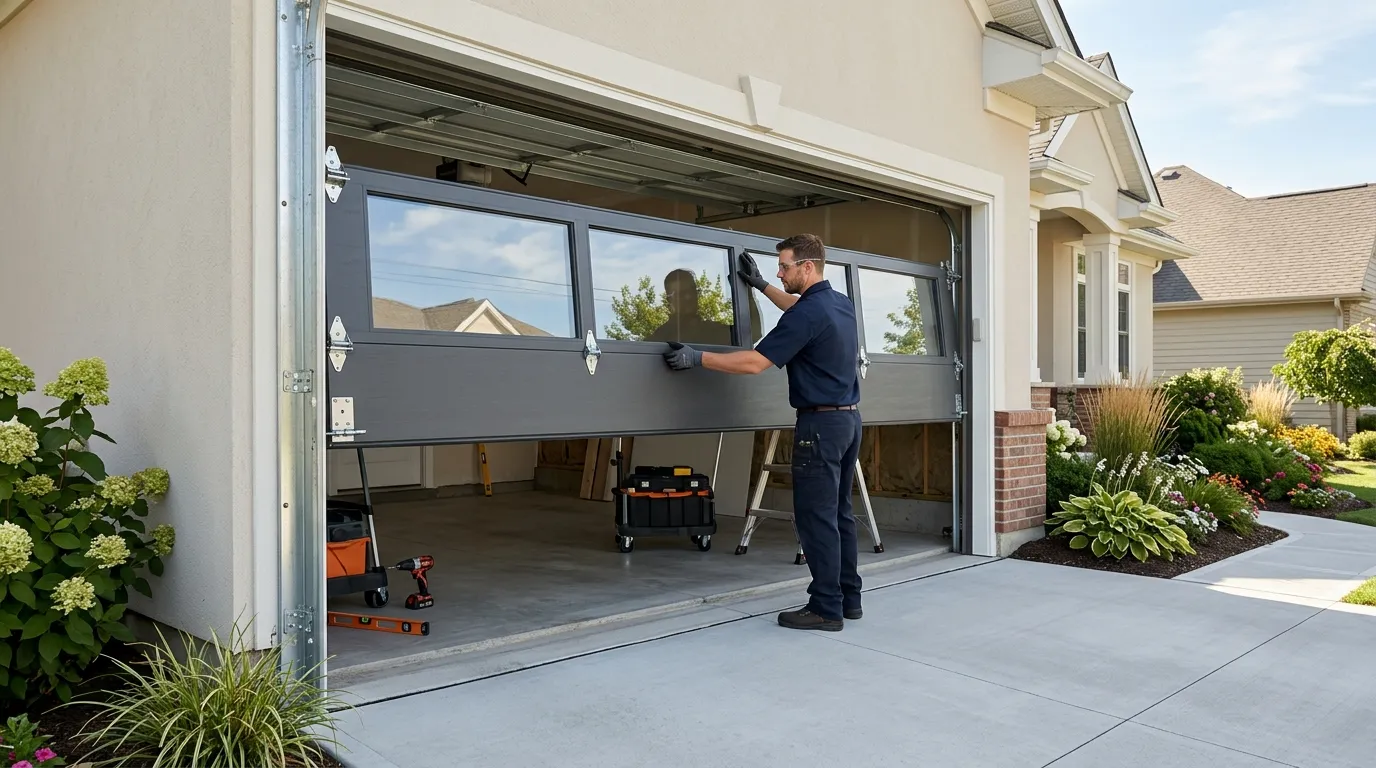
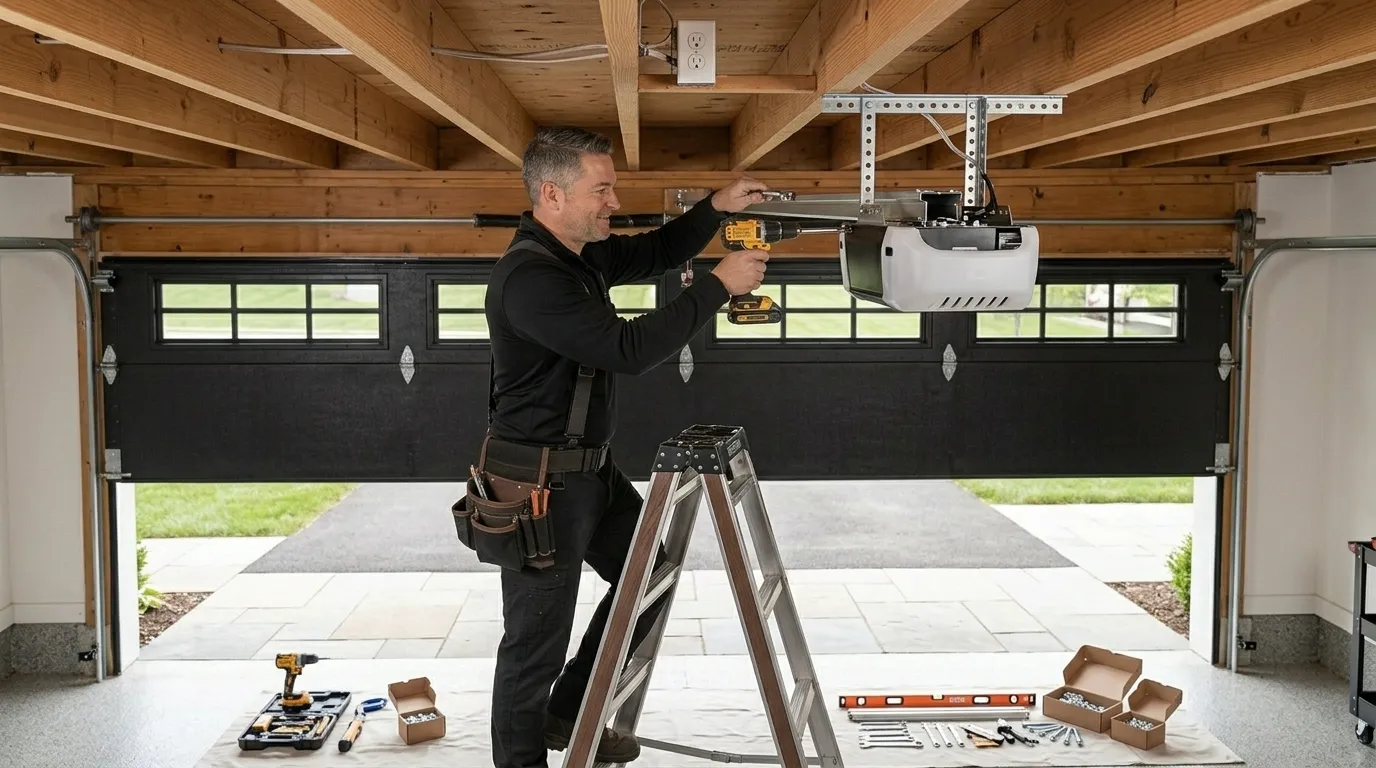
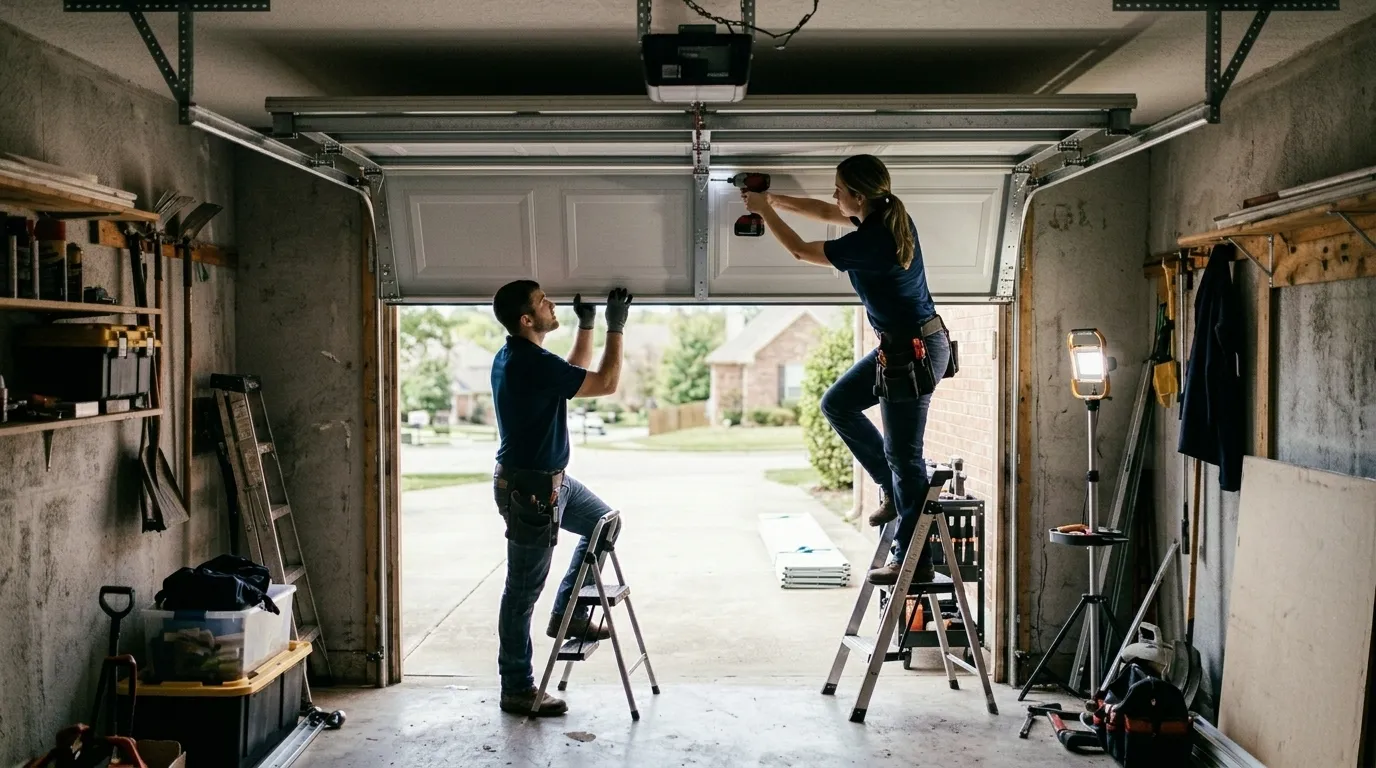
We don't run a branch or a depot in Long Grove, and we won't promise a response window we can't back up from that distance. What we can tell you is that a roller job - pull the door, swap the wheels, check the track alignment, rehang - doesn't need a same-hour crew standing by. It needs the right rollers on the truck the first time, which is a stocking problem more than a distance problem.
How It Shows Up
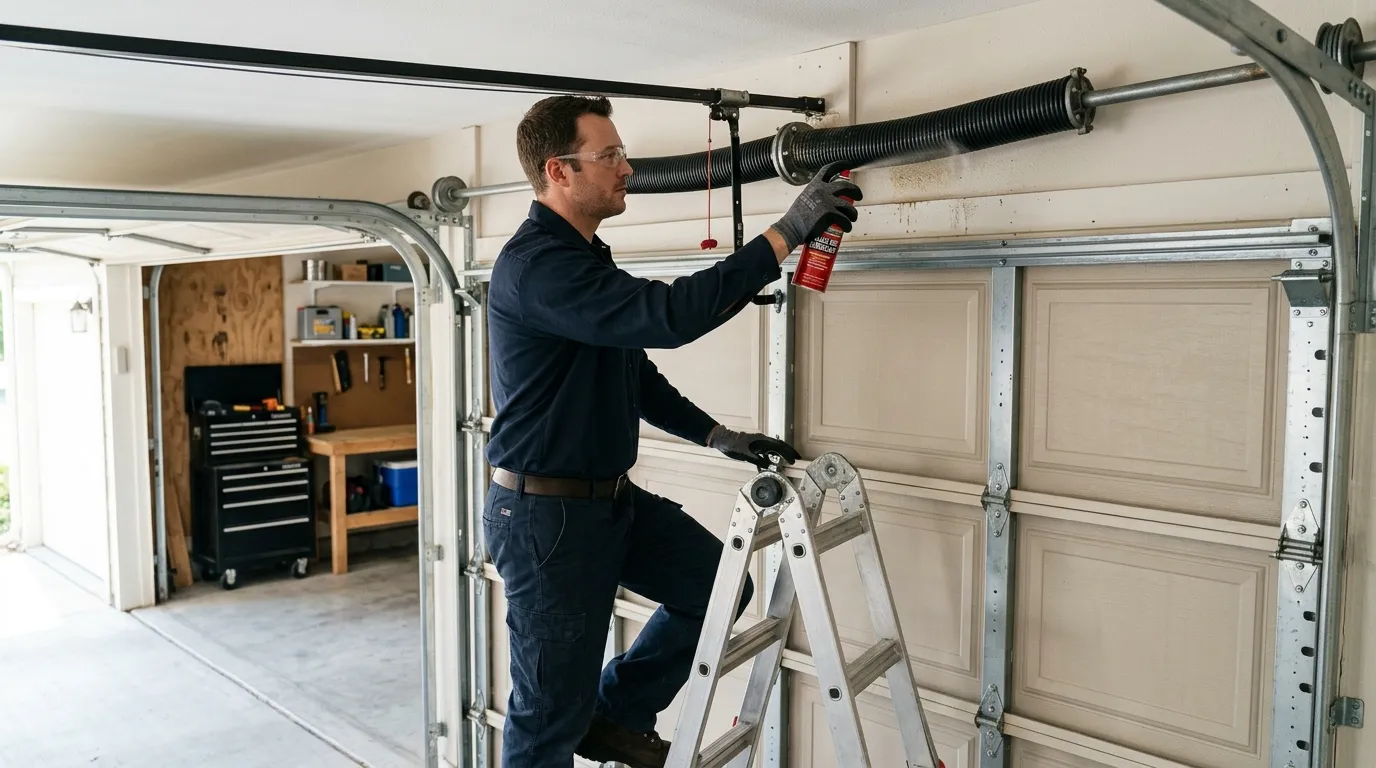
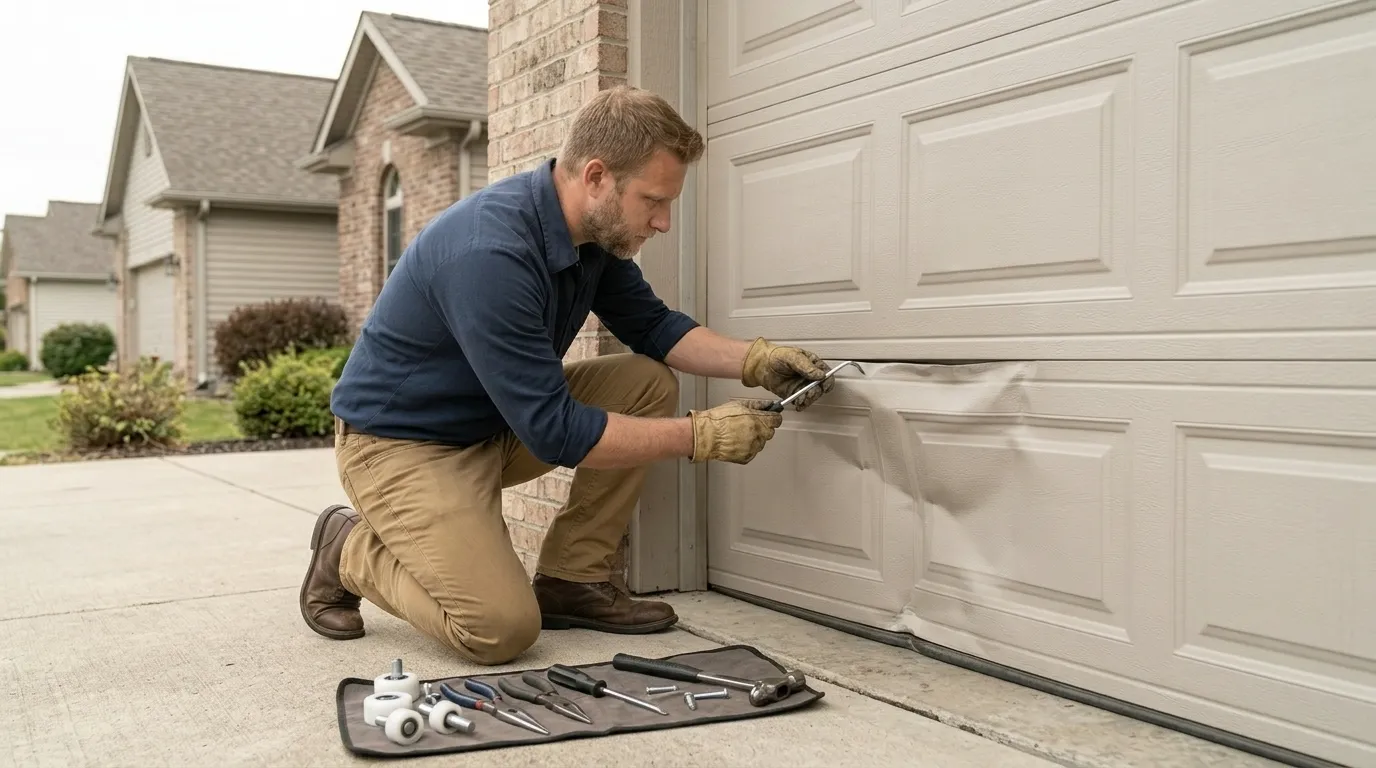
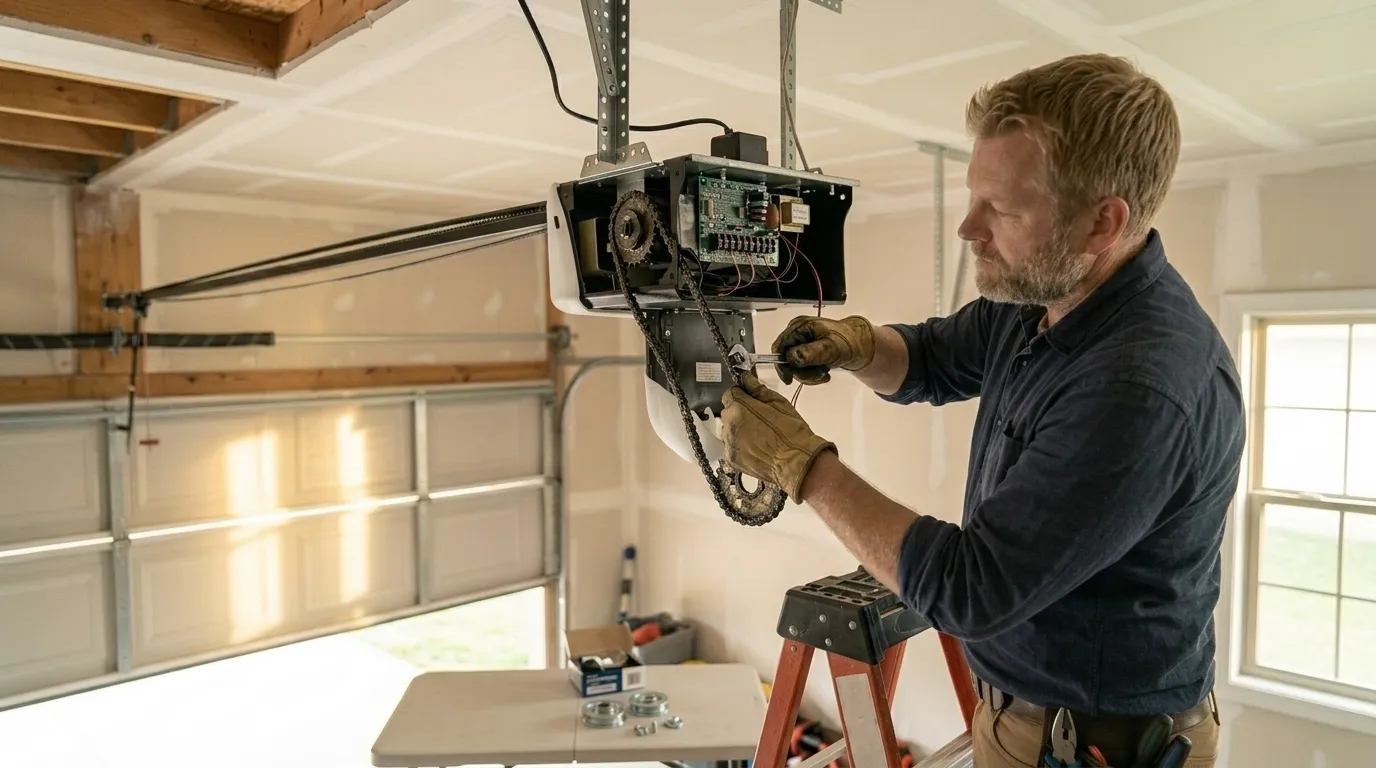
On a door built around 1989, the failure usually isn't the roller snapping outright. It's the stem bending in the bracket, or the wheel wearing down until the door starts riding low on one side of the track. You'll hear it before you see it: a grinding or clicking that gets louder as the door travels, worse on the last few feet before it seats.
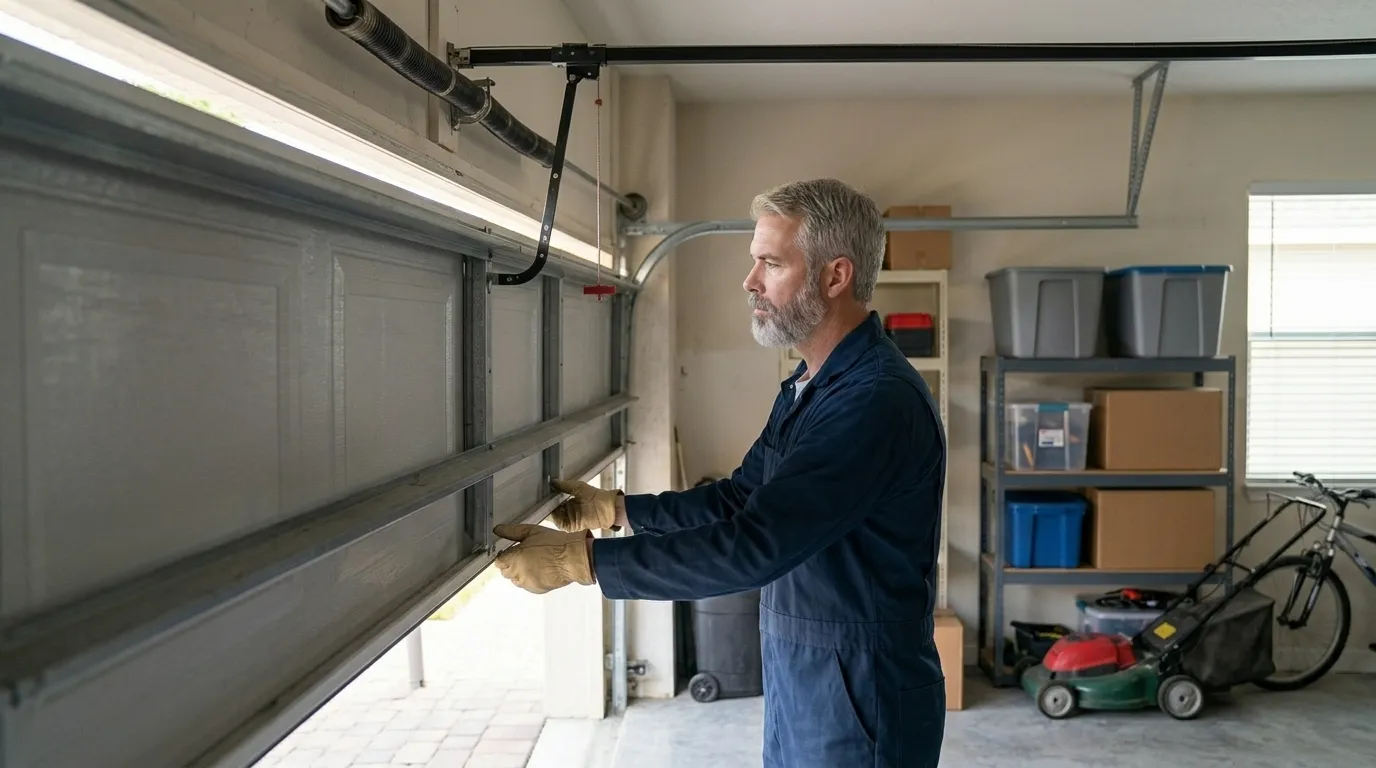
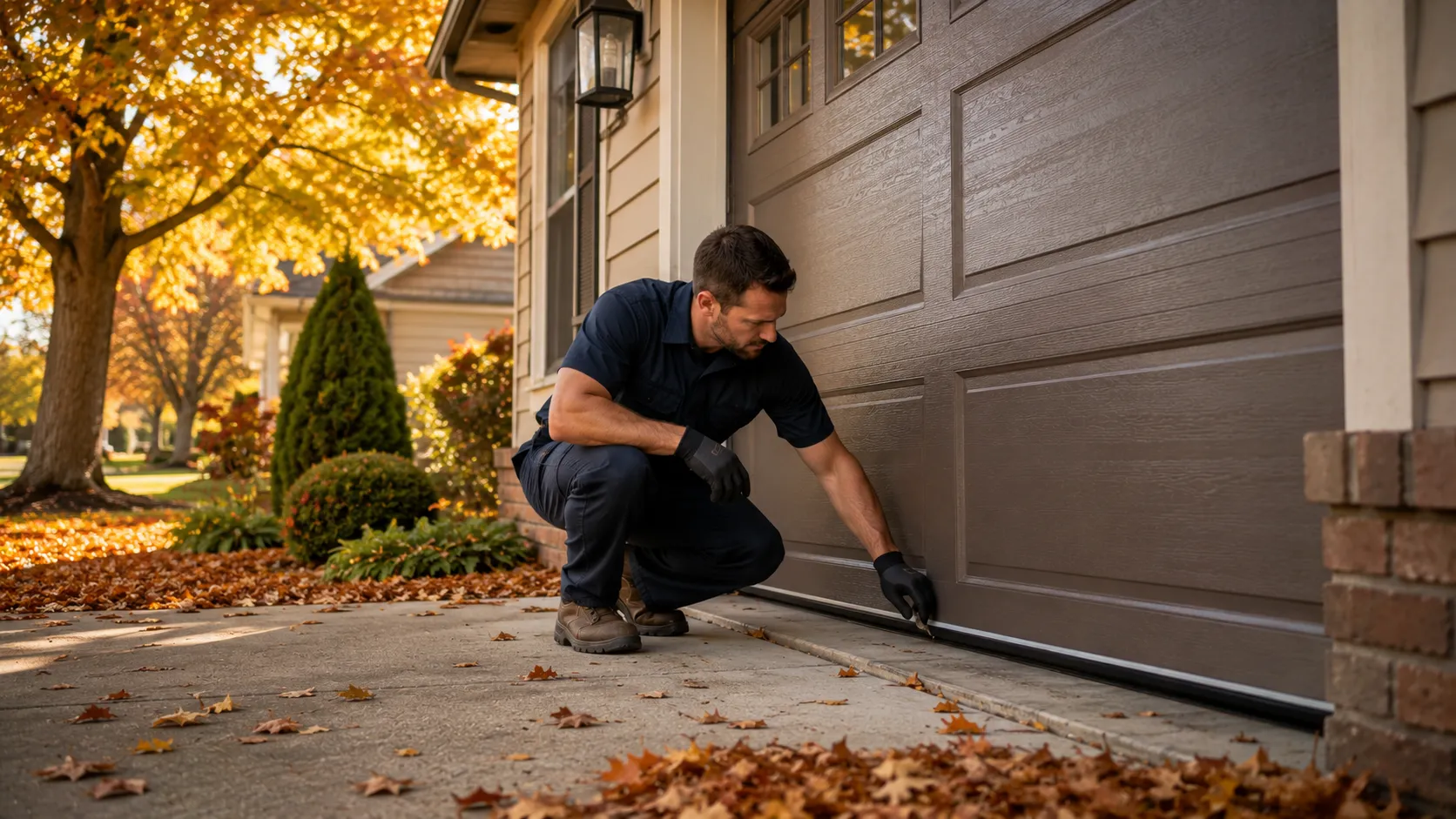
Because Long Grove's stock skews newer than most of the territory, a lot of these doors still have their original rollers - nobody's replaced them because nothing forced the issue yet. Thirty-plus years on the same set of wheels is a long run, and it's about the point where the nylon (if that's what was fitted) starts to crack rather than just wear. If the door binds hard on one side or jumps the track when it's cold, that's the roller, not the opener, and it's worth catching before a bent track turns a $150 fix into a $600 one.
What Is on the Truck
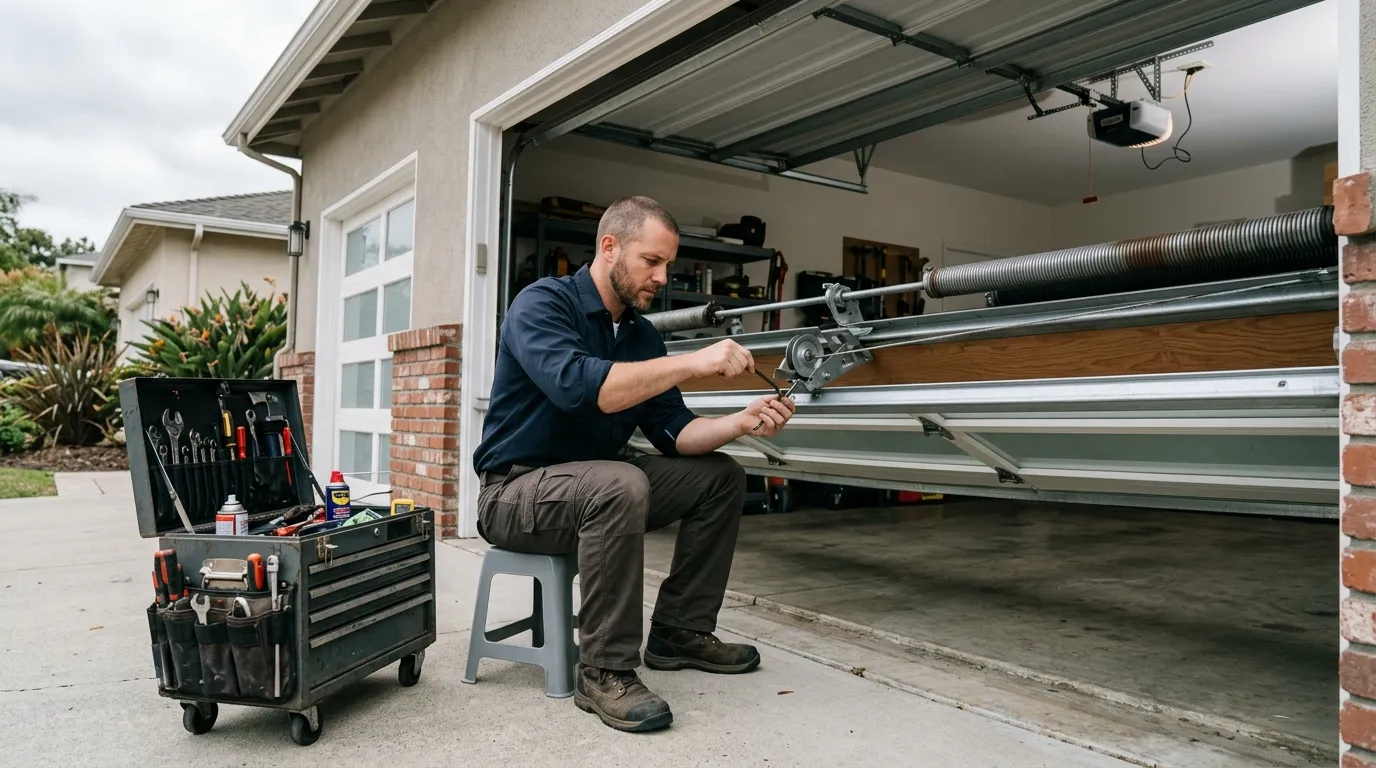
For a roller call in this part of the territory we carry nylon rollers in the common stem lengths, sealed and open-bearing versions, and the brackets that tend to go with them when a stem has bent rather than just worn. What we don't carry is every specialty roller ever made - if a door here turns out to have an unusual imported track or a roller size that's not common to the 1970s-through-1990s builds we see across the area, that's a special-order part, and we'll tell you that on the spot rather than pretend otherwise.
That's the honest limit of a mobile truck stock: we plan for what the housing era tells us to expect, and Long Grove's later build years usually mean nylon rather than the steel wheels common on older stock elsewhere in the service area. Most jobs here match that pattern. When one doesn't, we order the part and come back rather than force a fit that won't hold up through another cold season.