How Long You Are Without the Door
Start with the number that actually shapes the decision here: median household income in Long Grove runs $235,368. That's more than double the $99,861 median across the rest of the service area we cover out of Lincolnwood. It matters for one reason - when an opener starts grinding or a spring shows rust pitting, the calculus for repair-versus-replace tips sooner. Owners at this income level aren't stretching a ten-year-old opener for another winter to save money; they're more likely to swap it before it strands the car in the driveway.
That doesn't mean every call ends in a new door. A worn roller or a stripped gear on a jackshaft opener is still a repair, not a reason to buy new. But when we're out at a Long Grove property and find a door that's aging out on more than one system at once - opener motor, spring, and bottom seal all worn together - we say so plainly instead of patching around it. Maintenance visits are cheapest exactly because they catch that single failing part before it becomes three.
We travel about 19 miles to get out here from Lincolnwood, so we plan the visit to actually get something done, not just diagnose and leave.
How It Shows Up
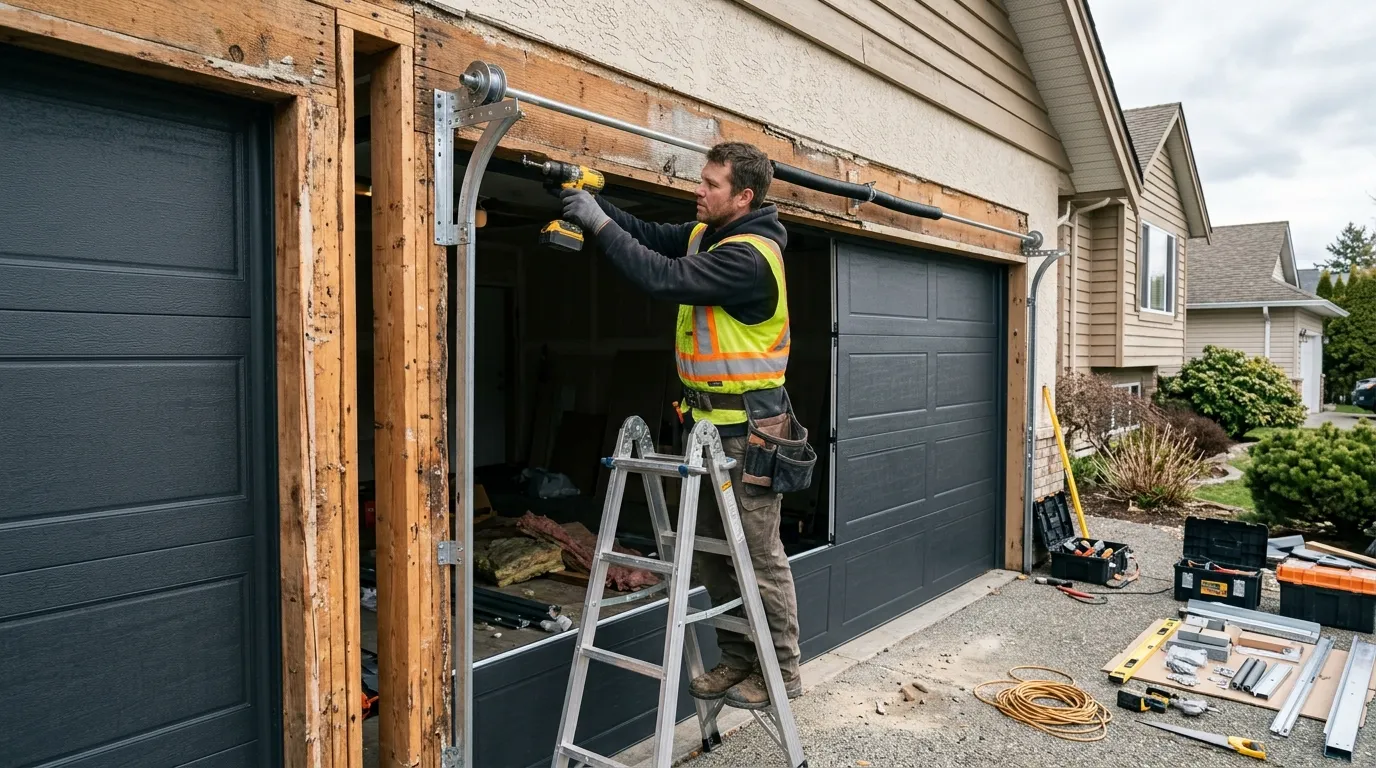
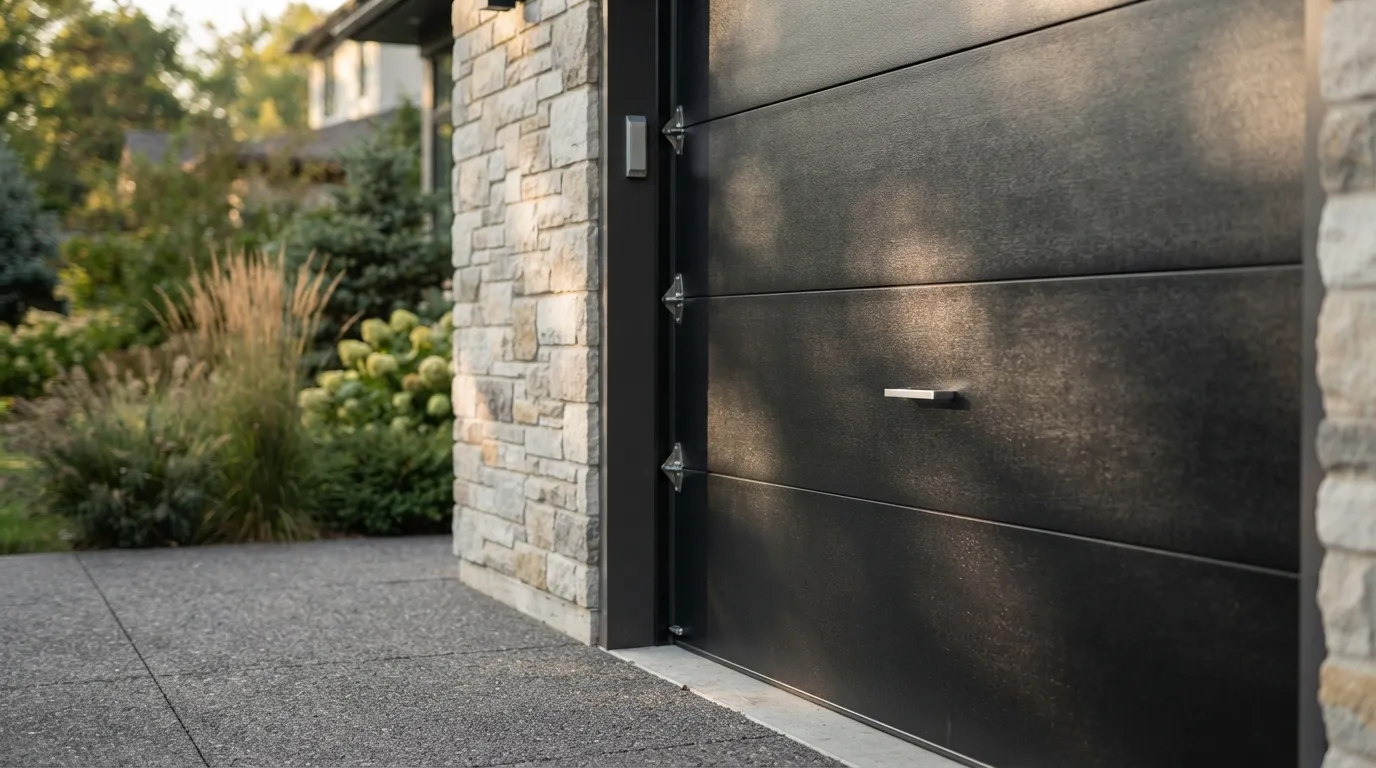
The housing stock in Long Grove centers on a median build year of 1989 - roughly three decades newer than the 1961 median we see across the broader 40-neighborhood service area. That gap changes what actually breaks. Doors from this era are almost always factory steel sectional panels on torsion springs mounted over the header, paired with chain or belt-drive openers from the same rough vintage or a replacement unit installed sometime after. You don't see the side-mounted extension springs or the plank-style wood panels that show up on 1960s houses closer to Lincolnwood.
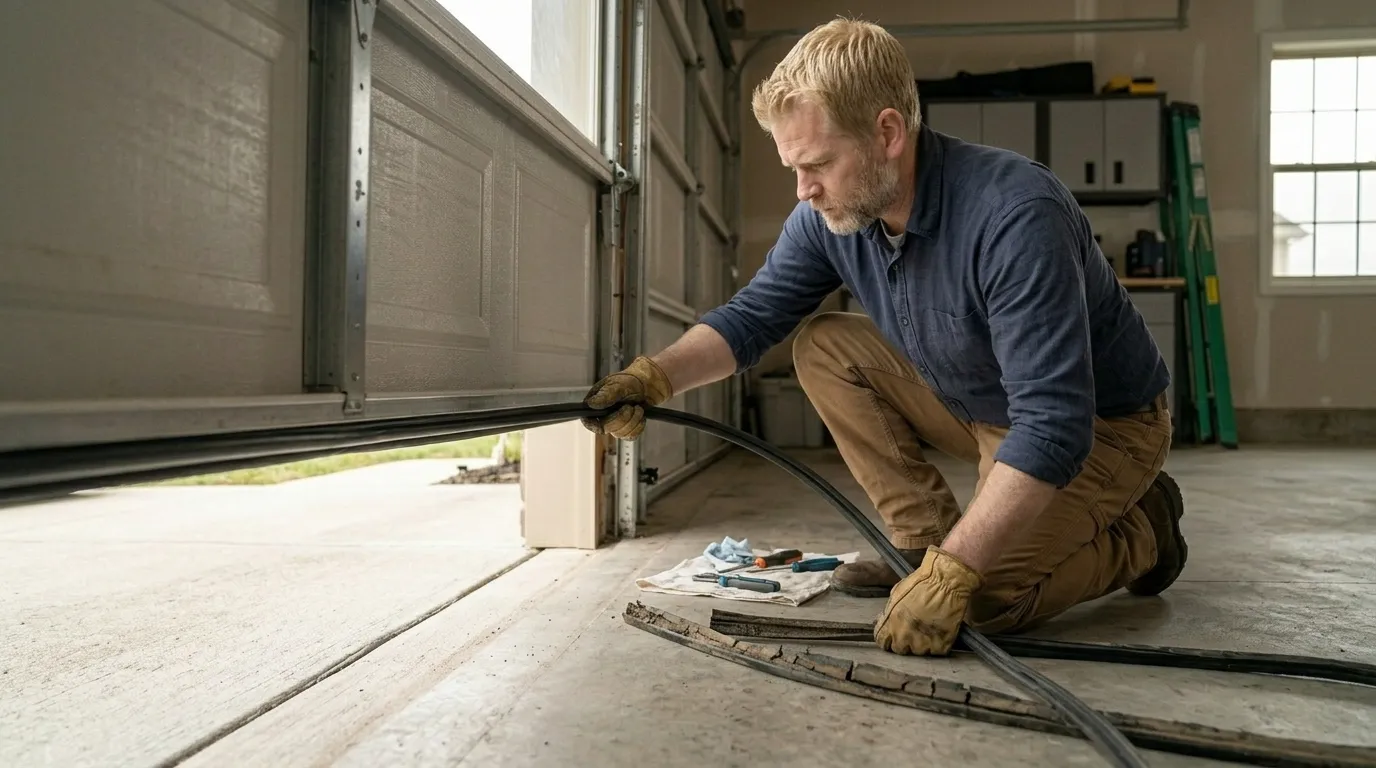
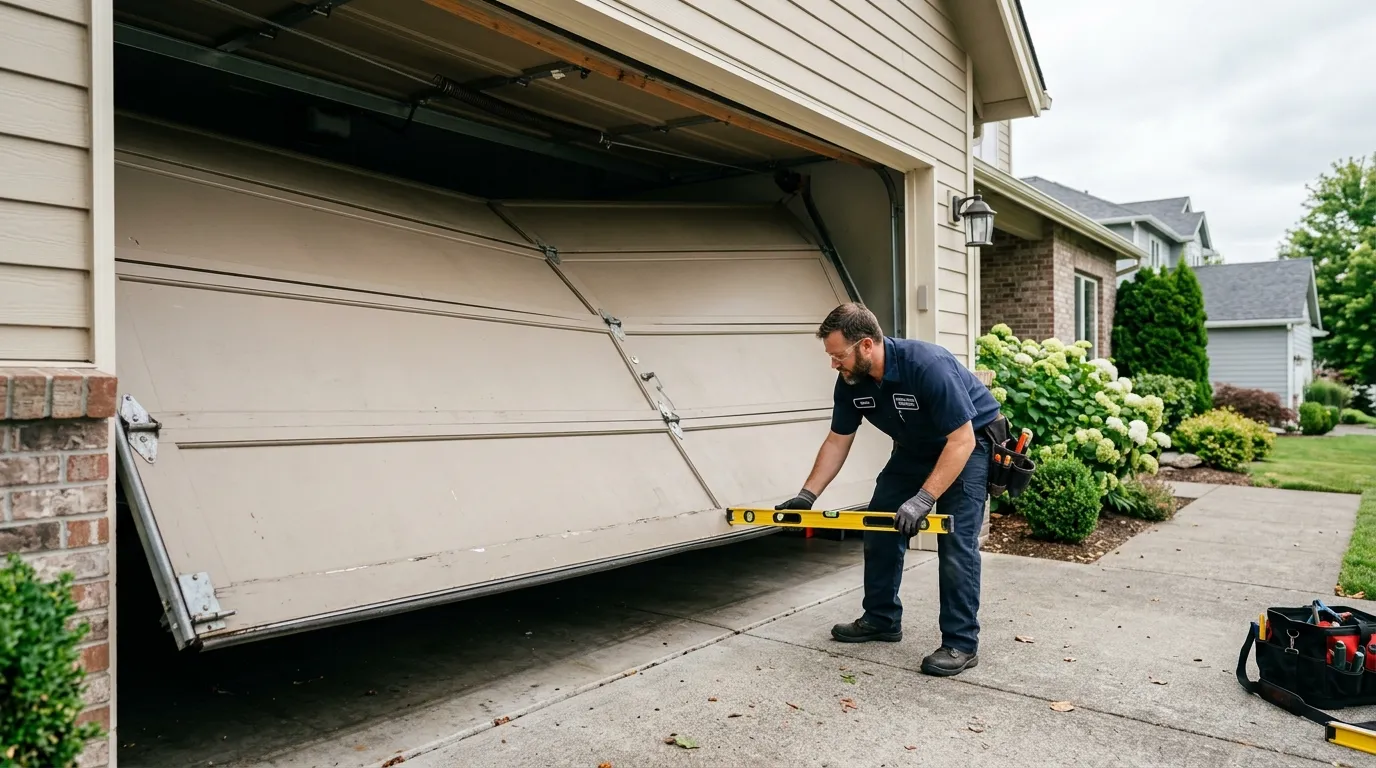
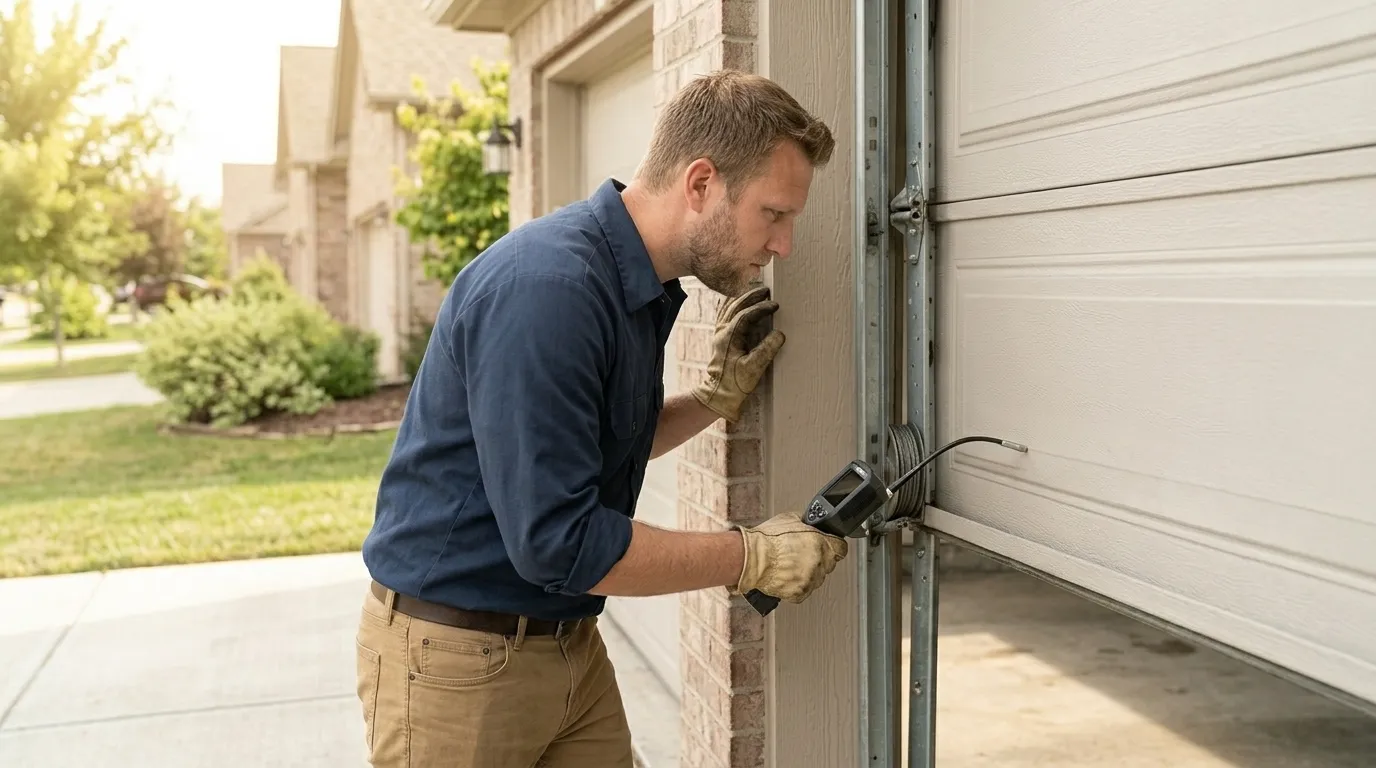
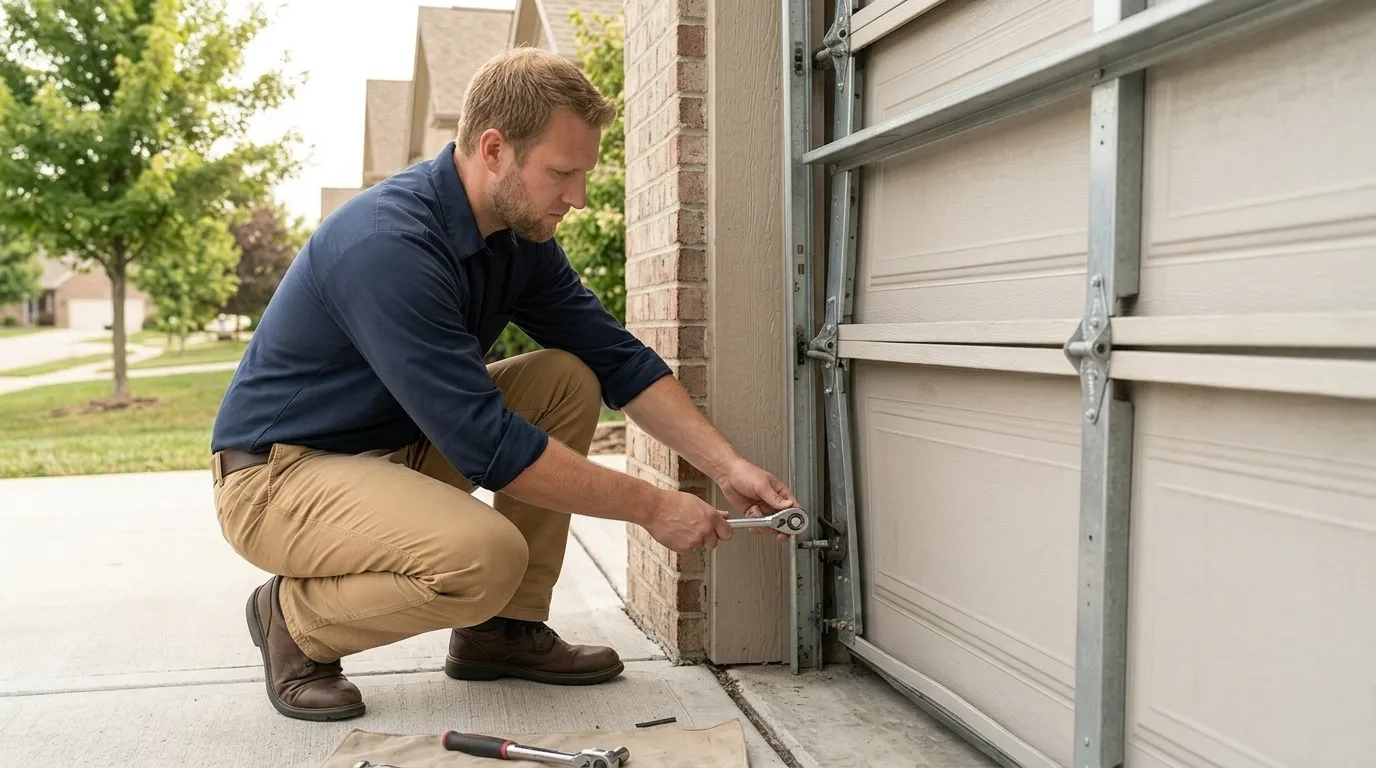
What does show up: torsion spring fatigue right on schedule, since a spring rated for a set cycle count wears out on a timeline regardless of build year. You'll also see photo-eye sensors going out of alignment, worn nylon rollers on steel track, and weatherstrip that's gone brittle at the bottom panel. On a newer opener, the failure is more often electronic - a logic board or a wall control losing its pairing - than mechanical.
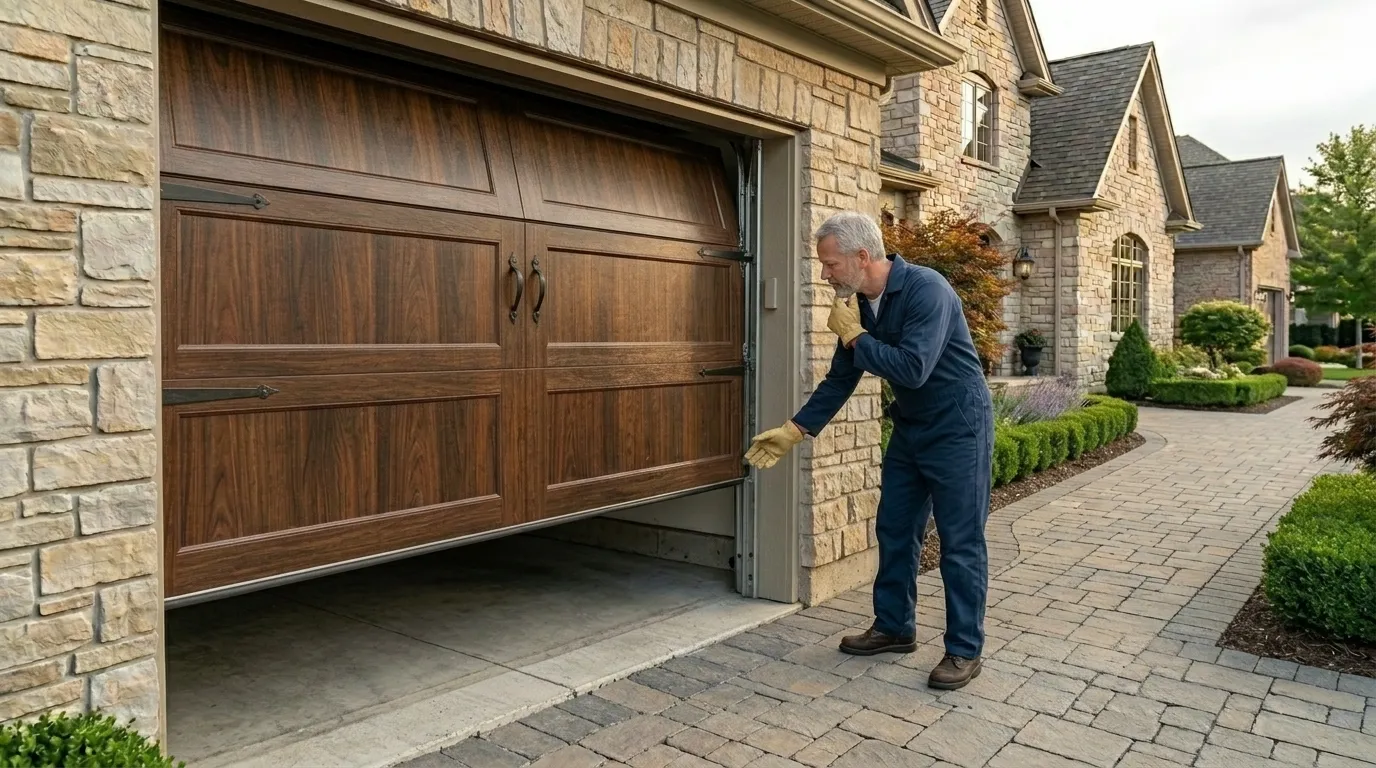
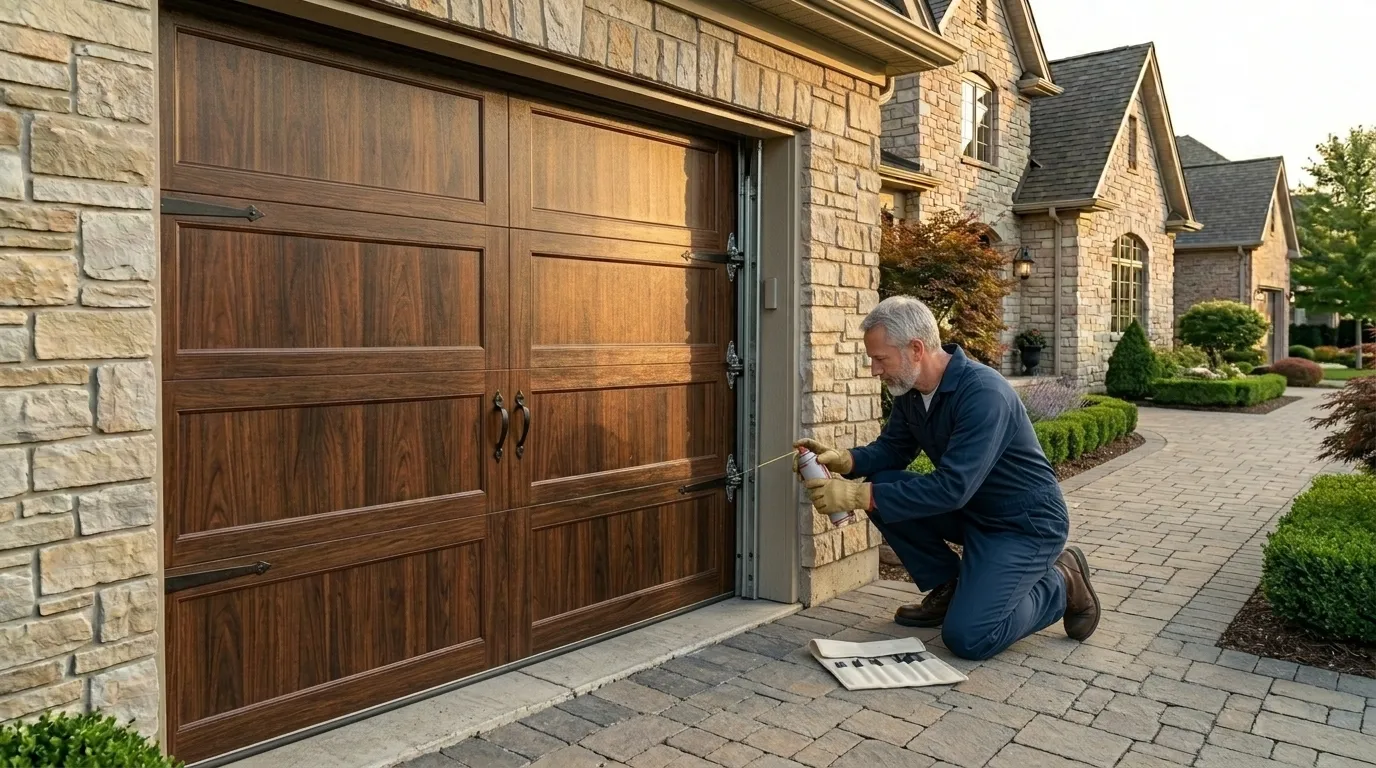
We don't carry parts for doors that predate 1970s hardware standards, because Long Grove mostly doesn't have them. That's a limitation worth naming: if a property here happens to have an older carriage-house-style door installed as a retrofit, sourcing matching hardware can take longer than a standard service call.
What Is on the Truck
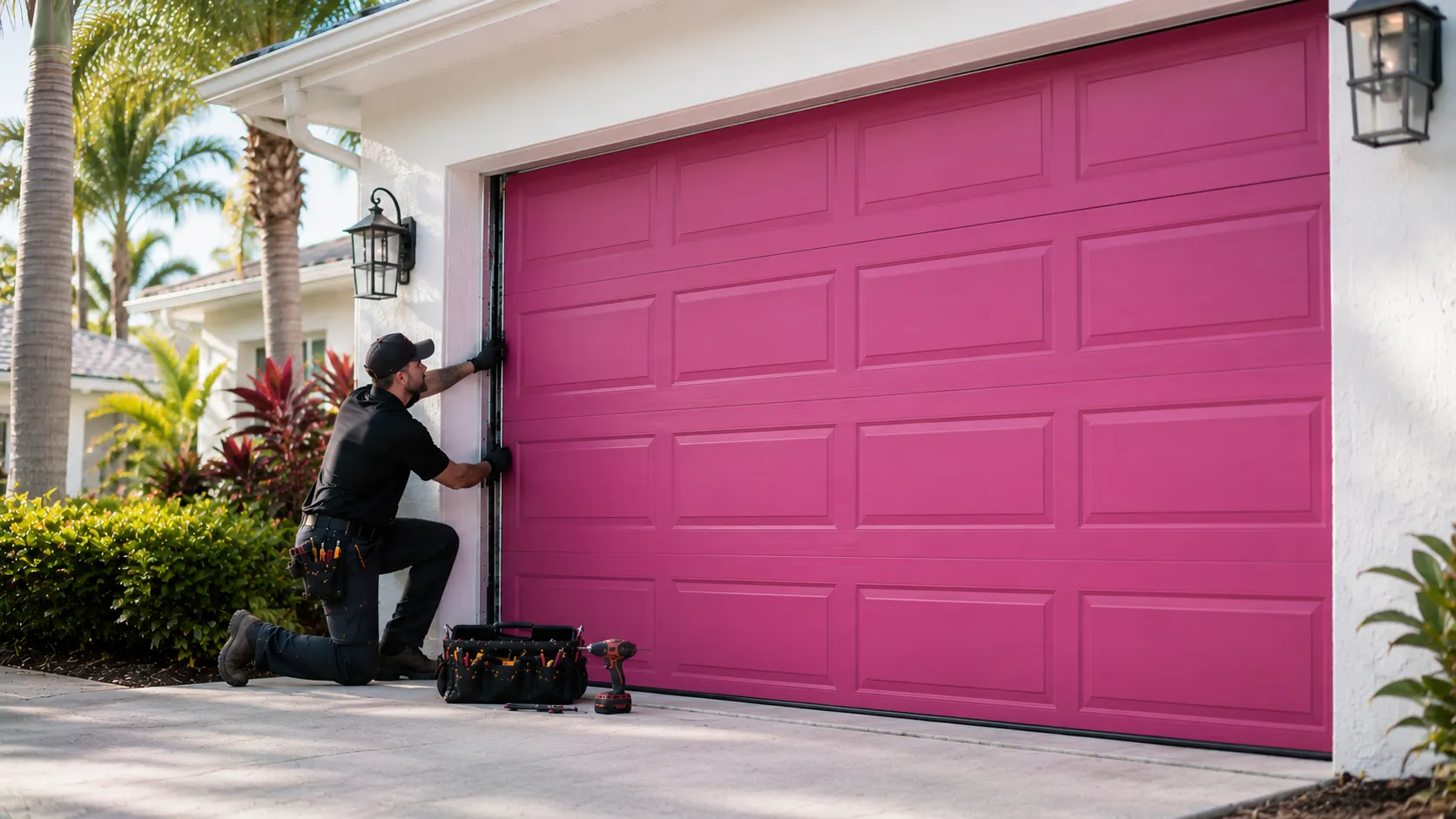
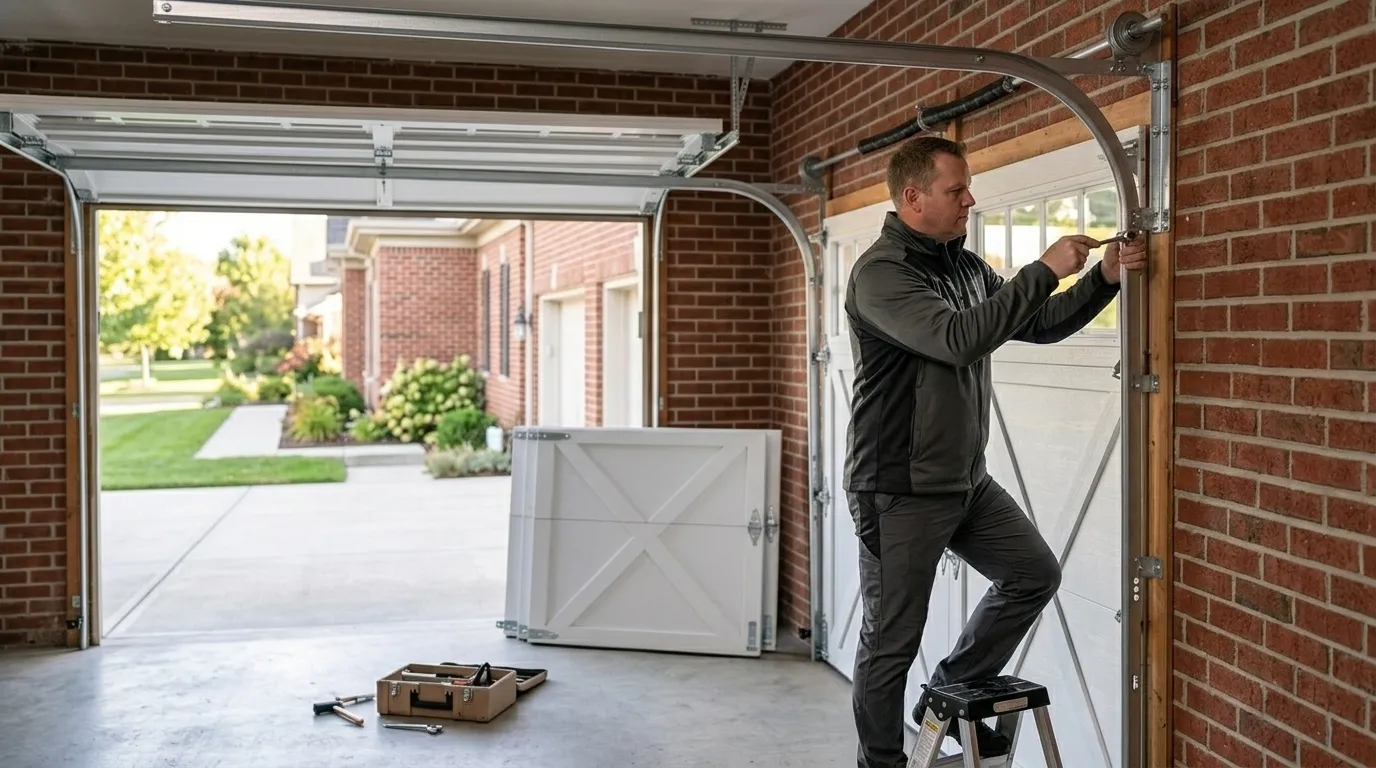
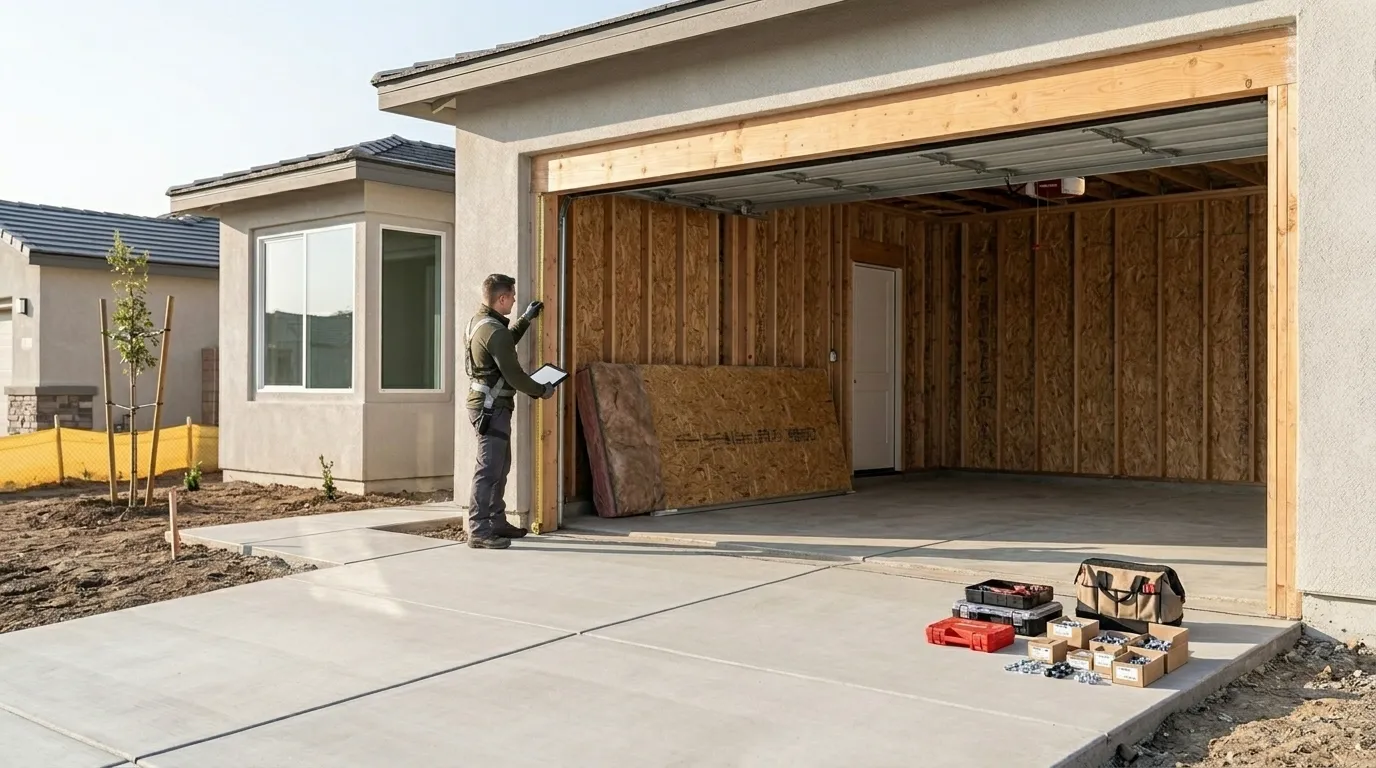
For a Long Grove maintenance stop we load for what the housing stock here actually needs: torsion springs sized for steel sectional doors from the late 1980s through the 1990s, standard nylon and steel rollers, photo-eye sensors, and weatherstrip in the common bottom-panel widths. We also carry the wall controls and circuit boards that match openers from that installation era, since a board swap is often faster and cheaper than replacing the whole unit.
What we don't stock on a routine visit is parts for older wood-panel or side-mounted extension-spring doors, since that hardware isn't common in this part of the service area. If a property turns out to need one of those, we're honest about it taking a return trip rather than promising a same-visit fix we can't back up.
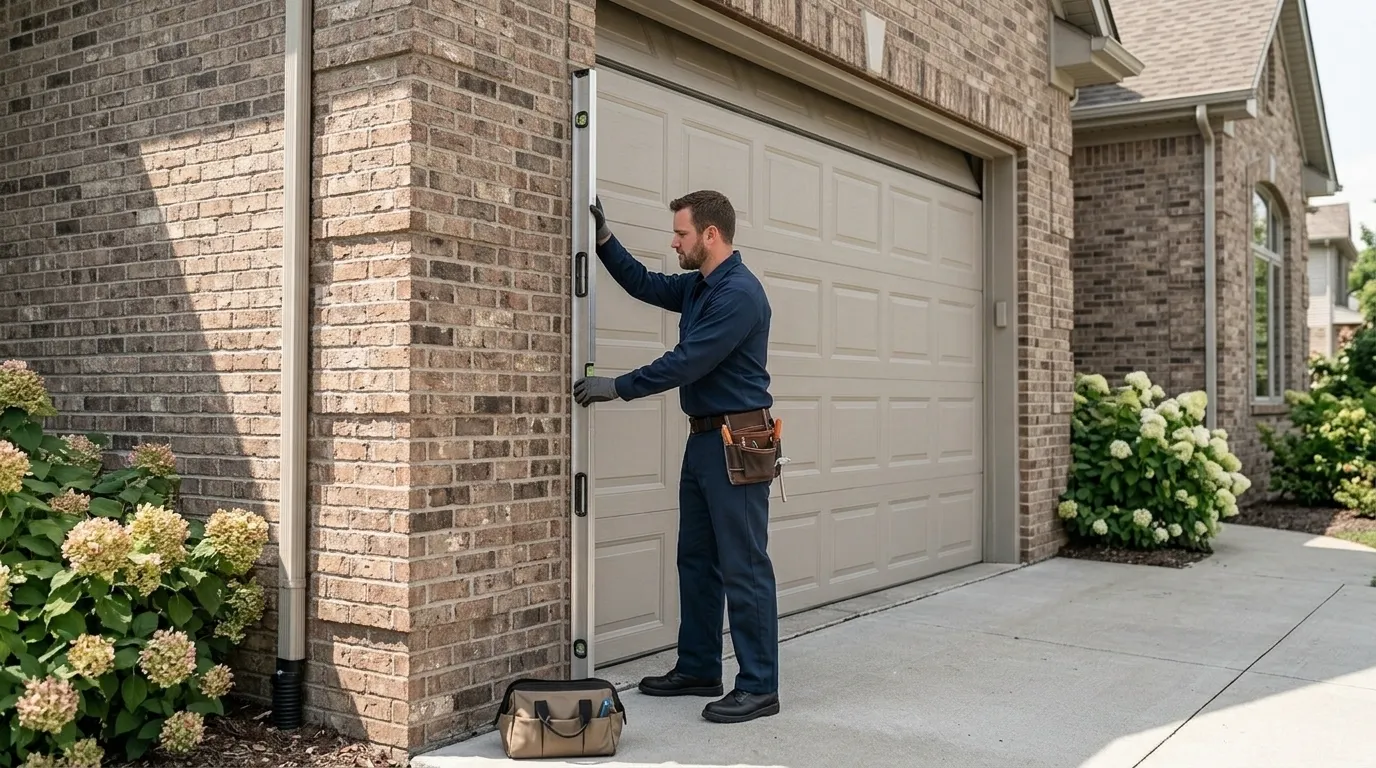
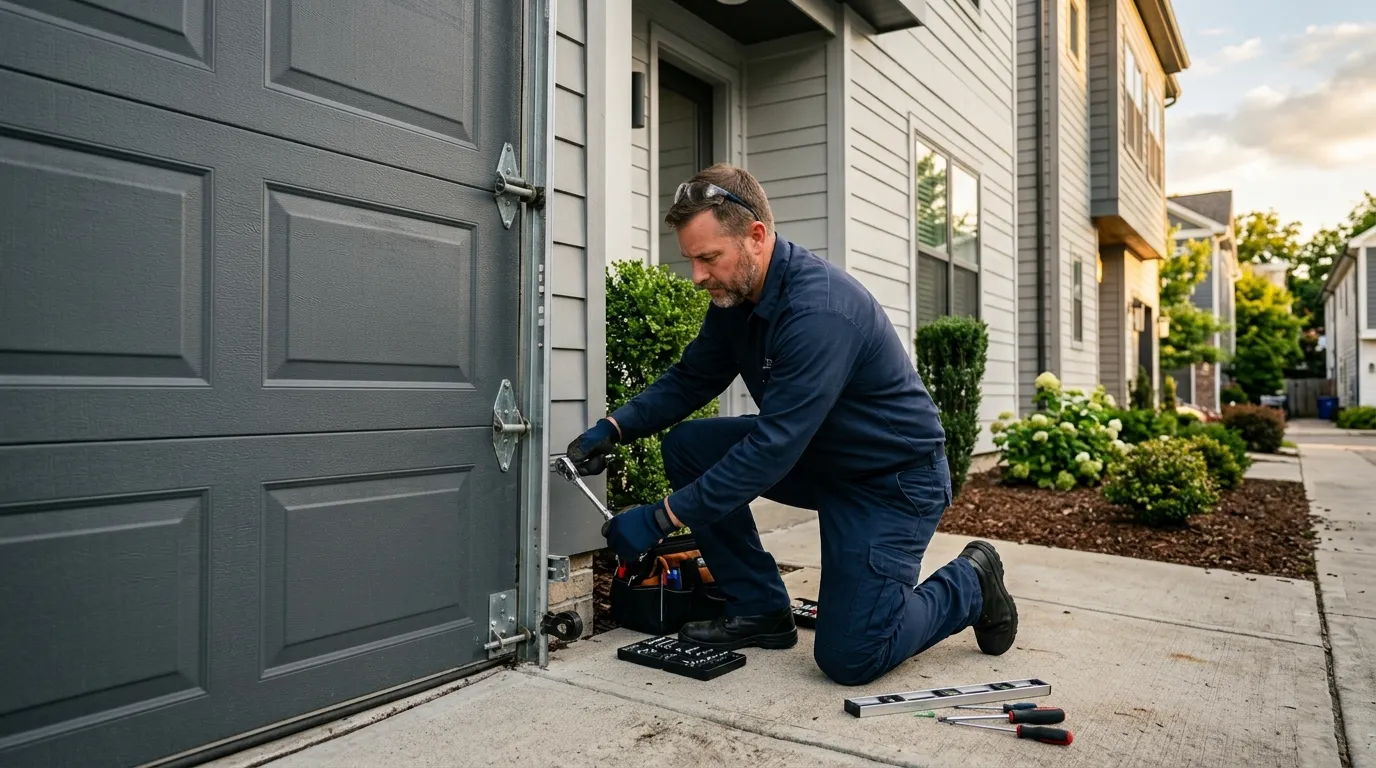
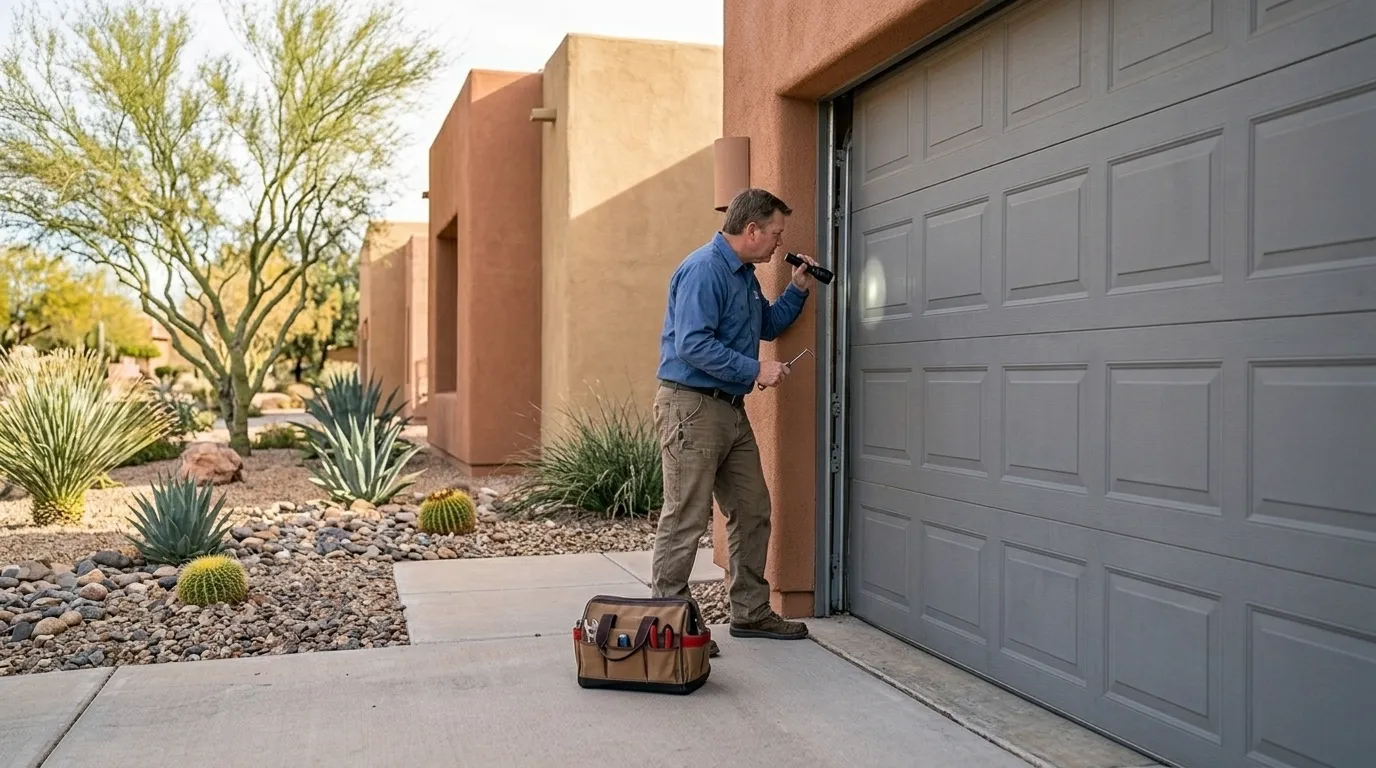
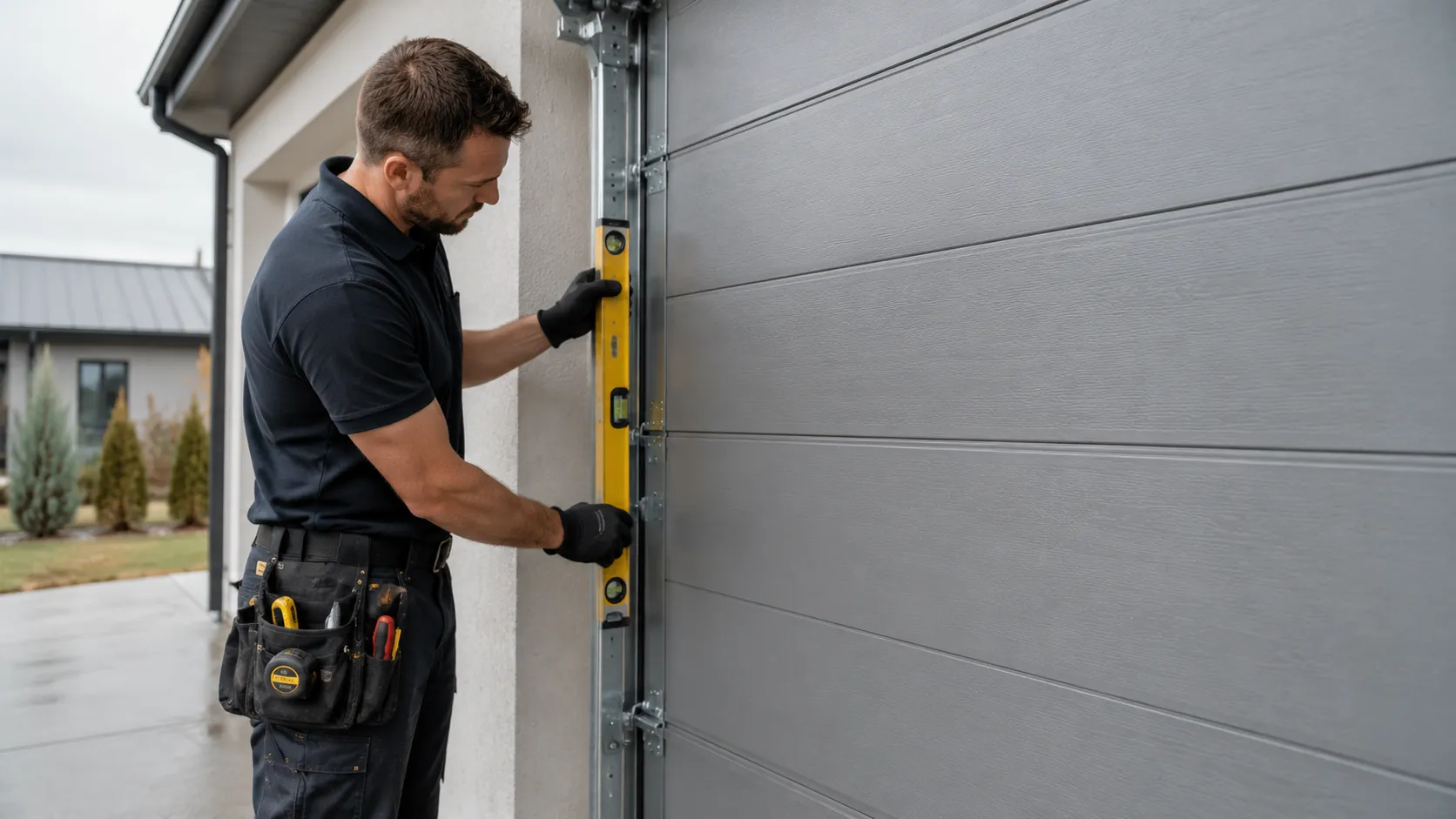
Because the drive out is close to 19 miles each way, we build the truck before leaving Lincolnwood rather than planning to restock mid-route. A maintenance visit typically covers spring tension and balance check, opener force and reversal test, track and roller inspection, hardware tightening, and lubrication - the basics that catch a fatigued spring or a misaligned sensor before either one turns into a stuck door.