How Long You Are Without the Door
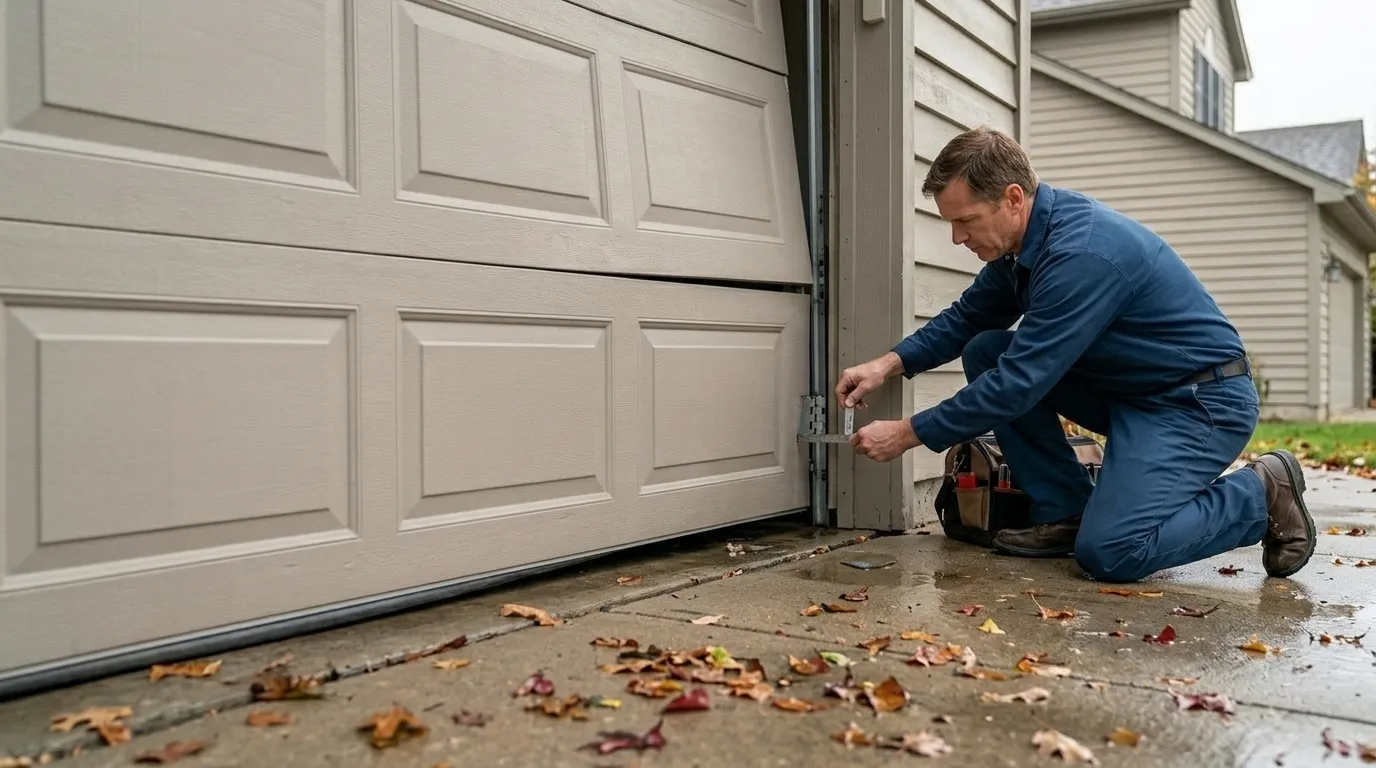
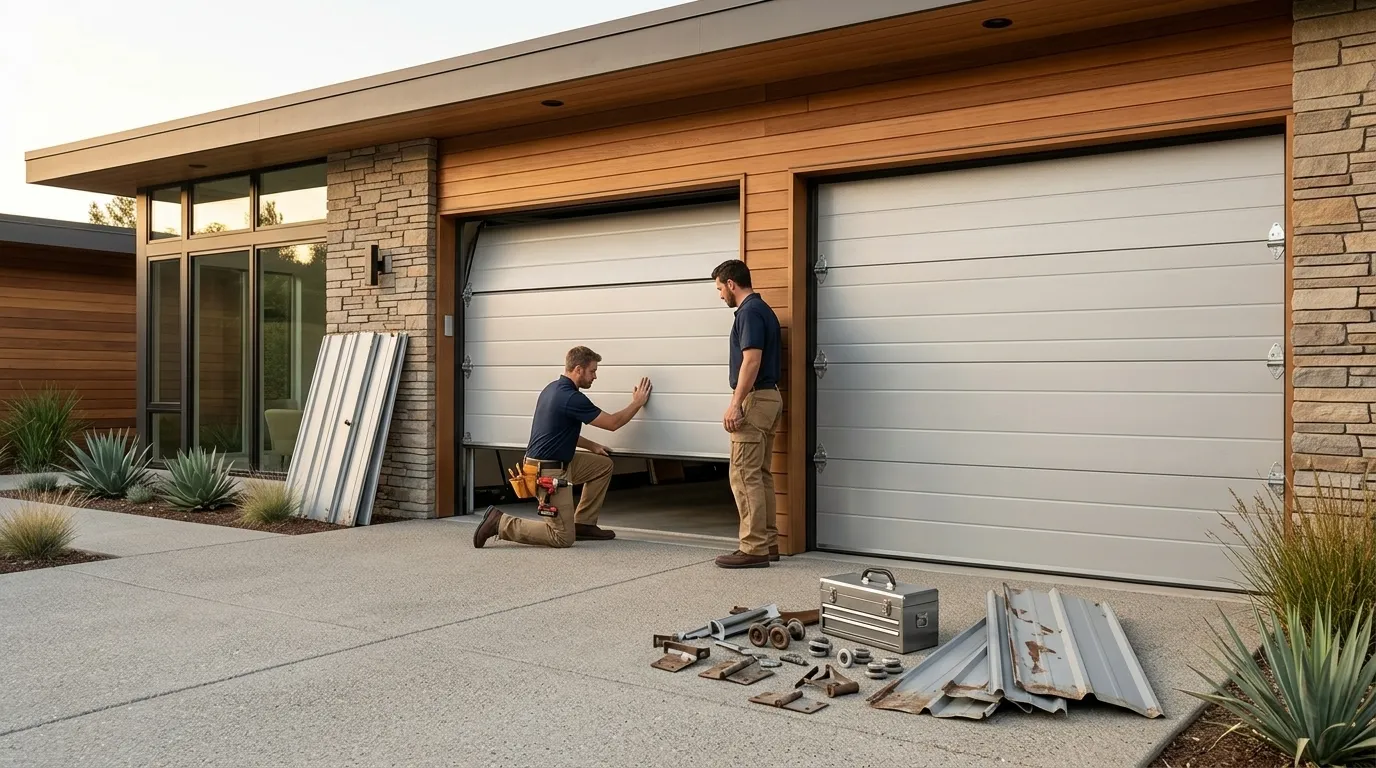
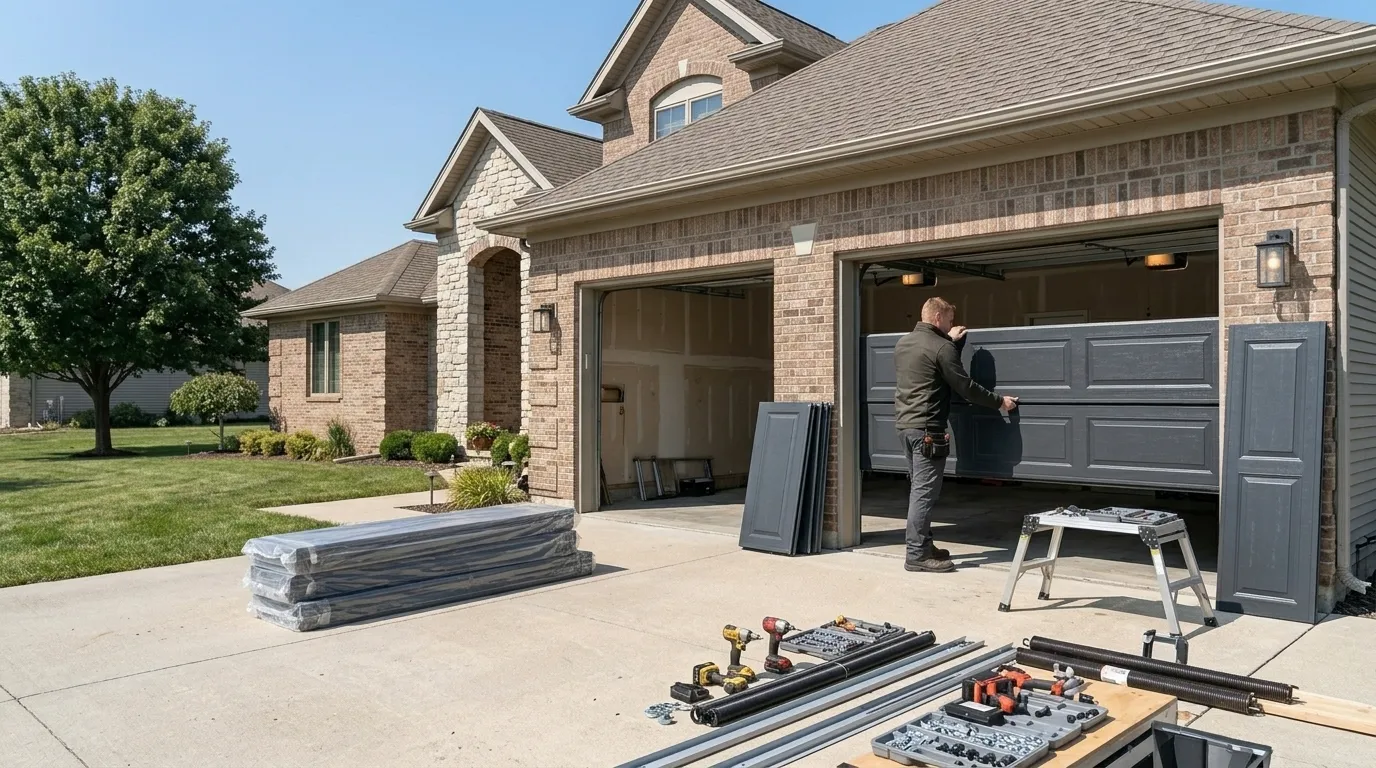
The fault we see most on Long Grove calls isn't a dead spring or a snapped cable - it's a single panel that's caved in or delaminated on a door that's otherwise fine. That's a different repair than what we run into on the older housing stock closer to Lincolnwood, and it changes what the job looks like from the driveway.
Median year built here is 1989, which puts most doors in Long Grove on factory-insulated steel sandwich panels rather than the solid wood or thin single-skin steel common on 1960s builds. Those panels are built in a foam-core, two-skin design. When one gets hit - a trailer backing wrong, a ladder tipped over - the steel skin dents or splits away from the foam, and you can't hammer that back into shape the way you could an old solid panel.
We come out from Lincolnwood, about 19 miles, so the drive itself is part of scheduling a panel job here - not something we can promise a same-hour fix on. Most panel jobs aren't emergencies the way a broken spring is; the door still opens and closes, it just looks and seals wrong until the new panel goes in.
How It Shows Up
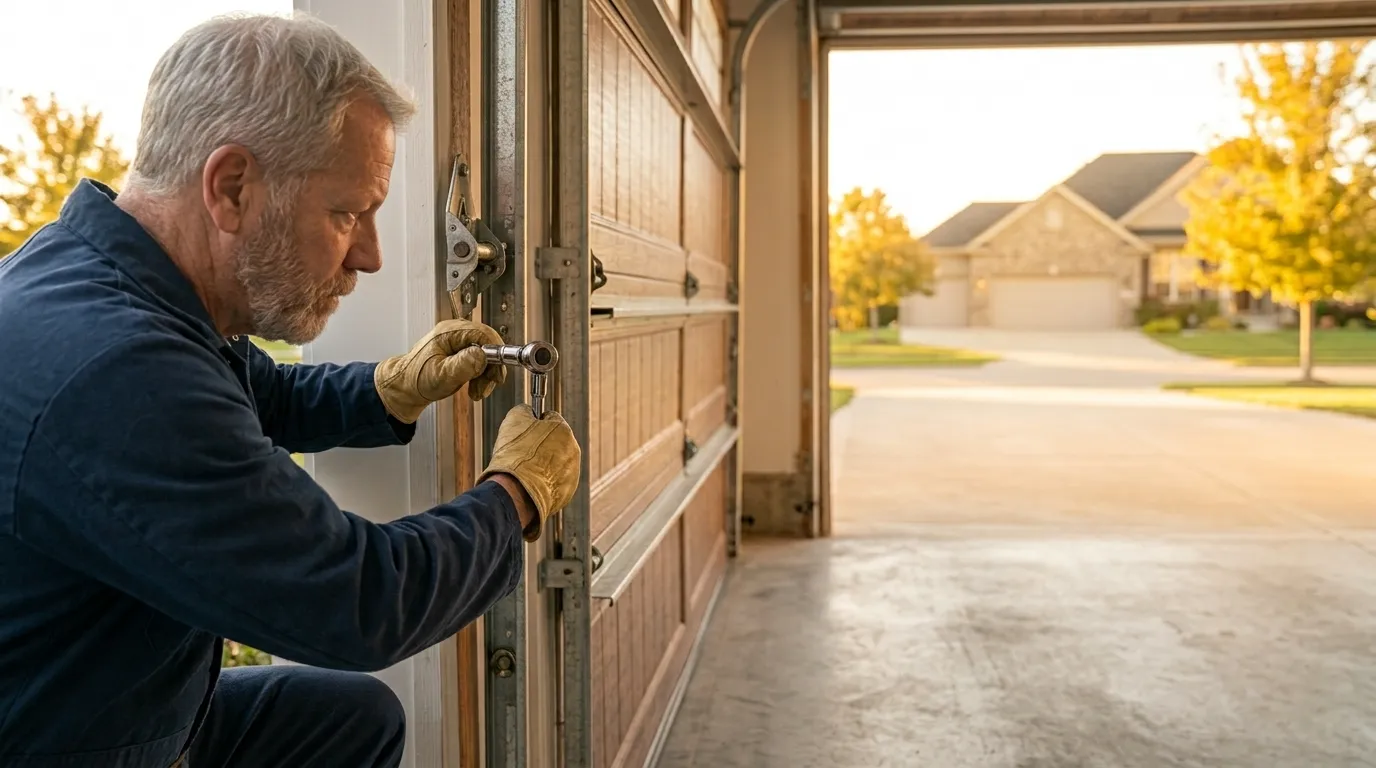
On a house built in the late 1980s or early 1990s, the panel usually fails at the seams first. You'll see the steel skin bowing away from the foam core in one section, a corner that's crushed inward but the rest of the door tracks straight, or hinges that have pulled loose because the screws found nothing but thin steel and foam to bite into.
Sometimes it's not damage at all - it's the foam-core panel losing its bond with age, so one section sags or flexes when you push on it, and the door starts binding in the track on that side even though the rollers and cables are fine.
Less often, we find a single panel that's mismatched in color or texture from age - the rest of the door has weathered evenly for over three decades and the replacement panel from a repair years back has faded differently. That's cosmetic, not structural, but it's the kind of thing an owner in a neighborhood like this one notices and asks about.
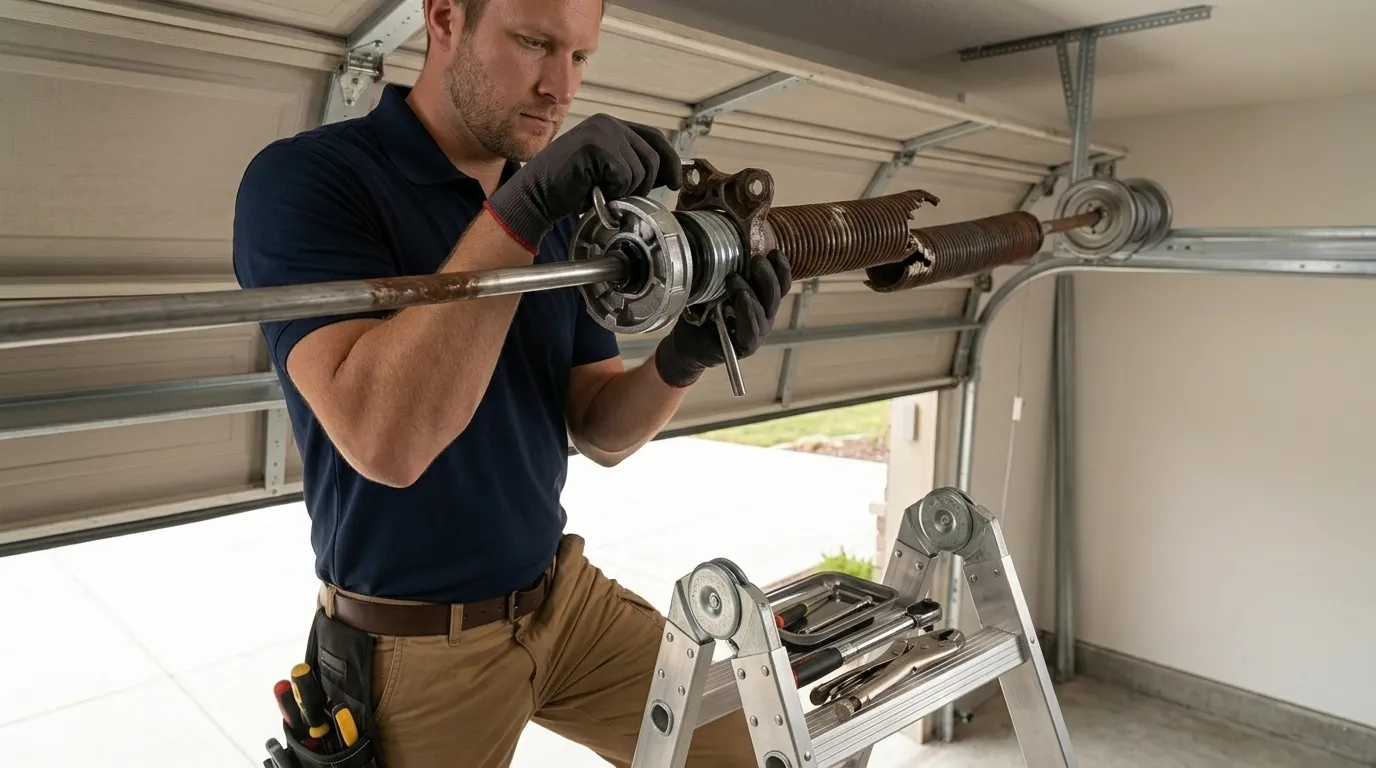
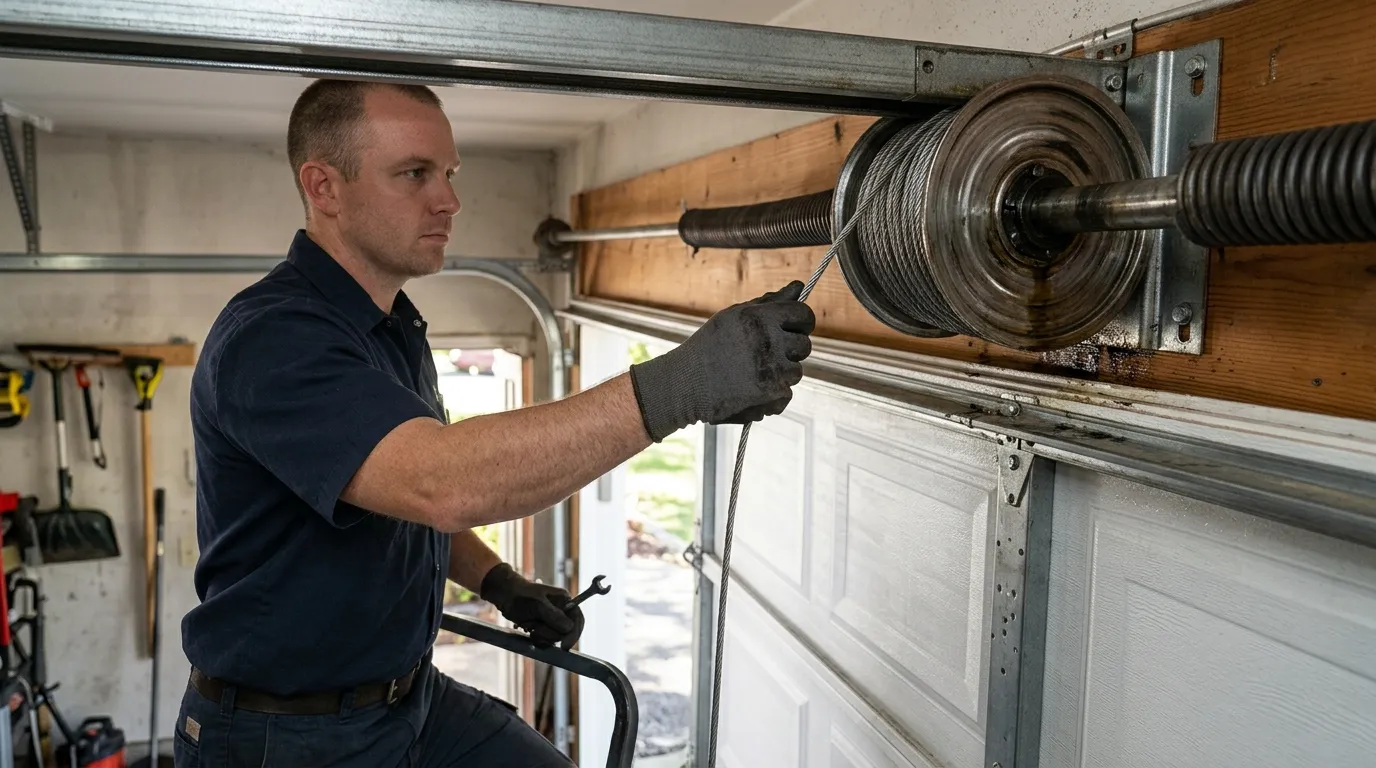
What you almost never see on these newer doors is what's common on the 1960s stock elsewhere in the service area - warped one-piece wood panels or side-mounted torsion hardware failing outright. Long Grove's door problems are mostly skin and seam, not frame and spring.
What Is on the Truck
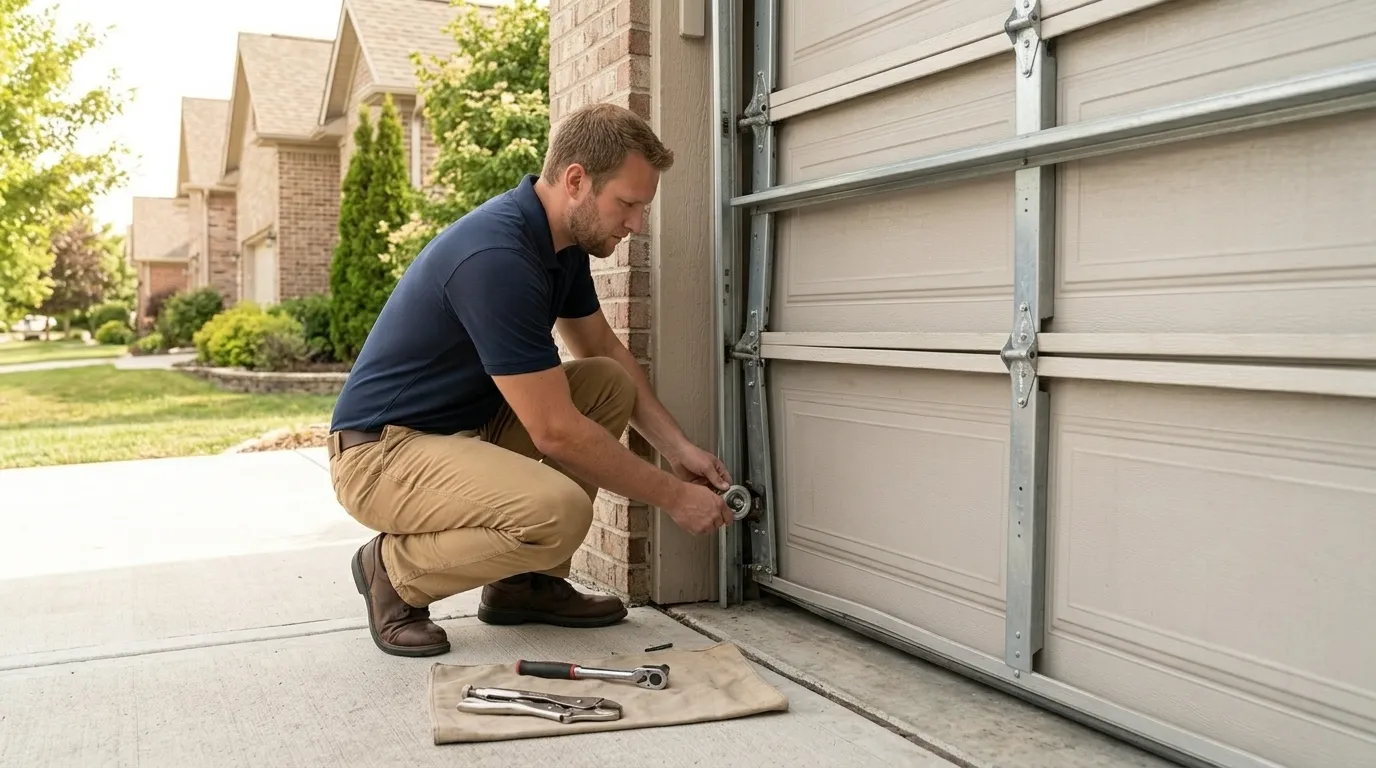
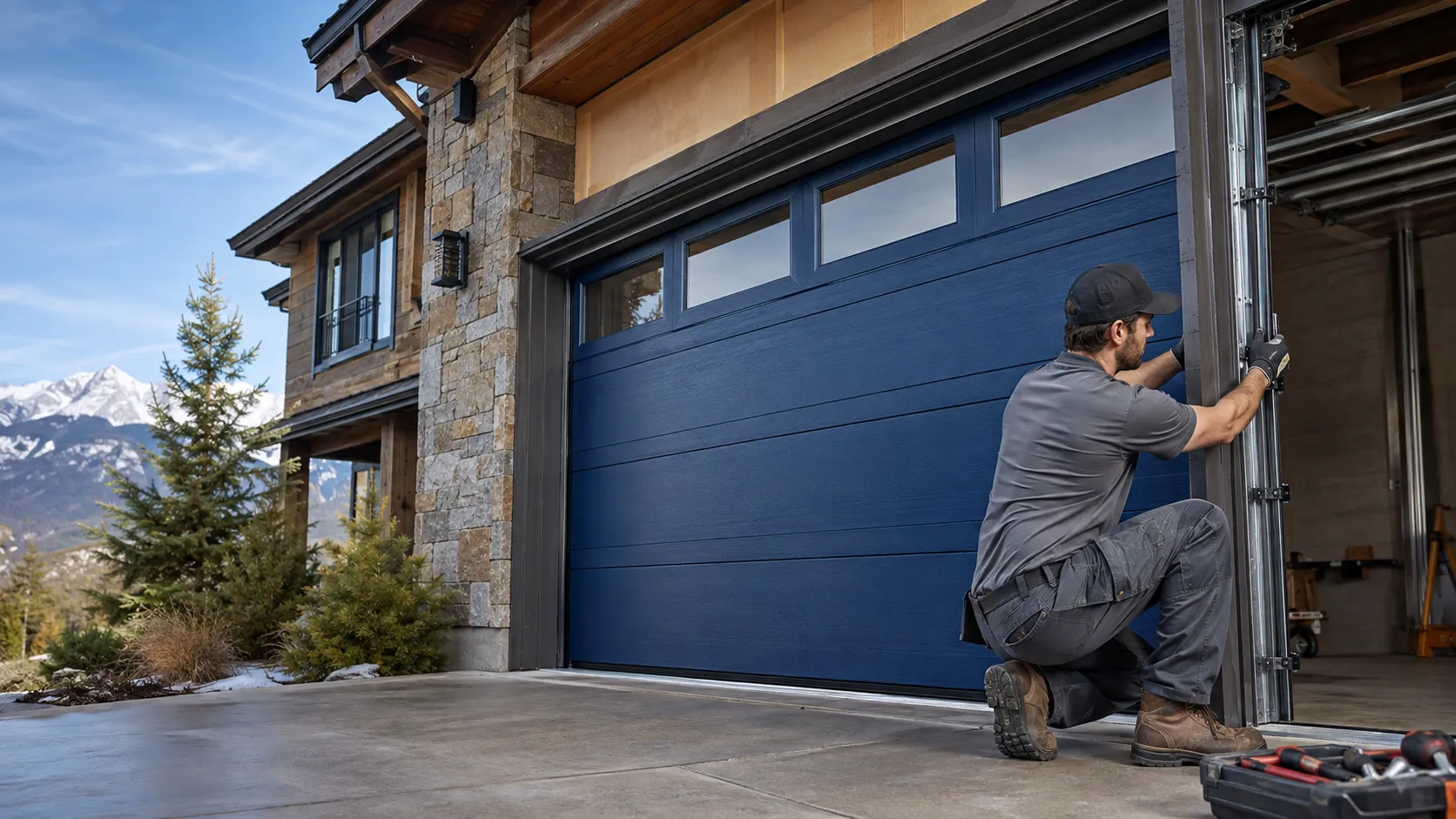
We carry standard steel sandwich panels in common widths and the usual white and almond finishes, along with hinges, end caps, and the fasteners that actually hold in foam-core stock instead of stripping out. For a straightforward dent or a cracked section on a standard-size door, that's often enough to finish the job on the truck.
Where we come up short - and we'll tell you this on the phone before we drive out - is matching a specific wood-grain composite skin or a discontinued color on a higher-end door. Those get ordered from the manufacturer, and lead time on a specialty panel runs longer than a standard steel one. If your door is one of the custom builds common in Long Grove, expect a return trip rather than a one-visit fix.
We'll also tell you straight when replacing one panel isn't worth it - if the door's other panels are near the end of their life anyway, or if the color match will be obviously off no matter what we order, a full door replacement sometimes makes more sense than chasing a single mismatched piece for years to come.