How Long You Are Without the Door
Long Grove has about 2,651 households, a fraction of the 104,270 across the areas we cover out of Lincolnwood. That size matters for how an install gets scheduled, not for how fast we can get there - we don't run a branch in Long Grove, we drive the roughly 19 miles from Lincolnwood, and we plan the trip around the job rather than around a promise we can't back up.
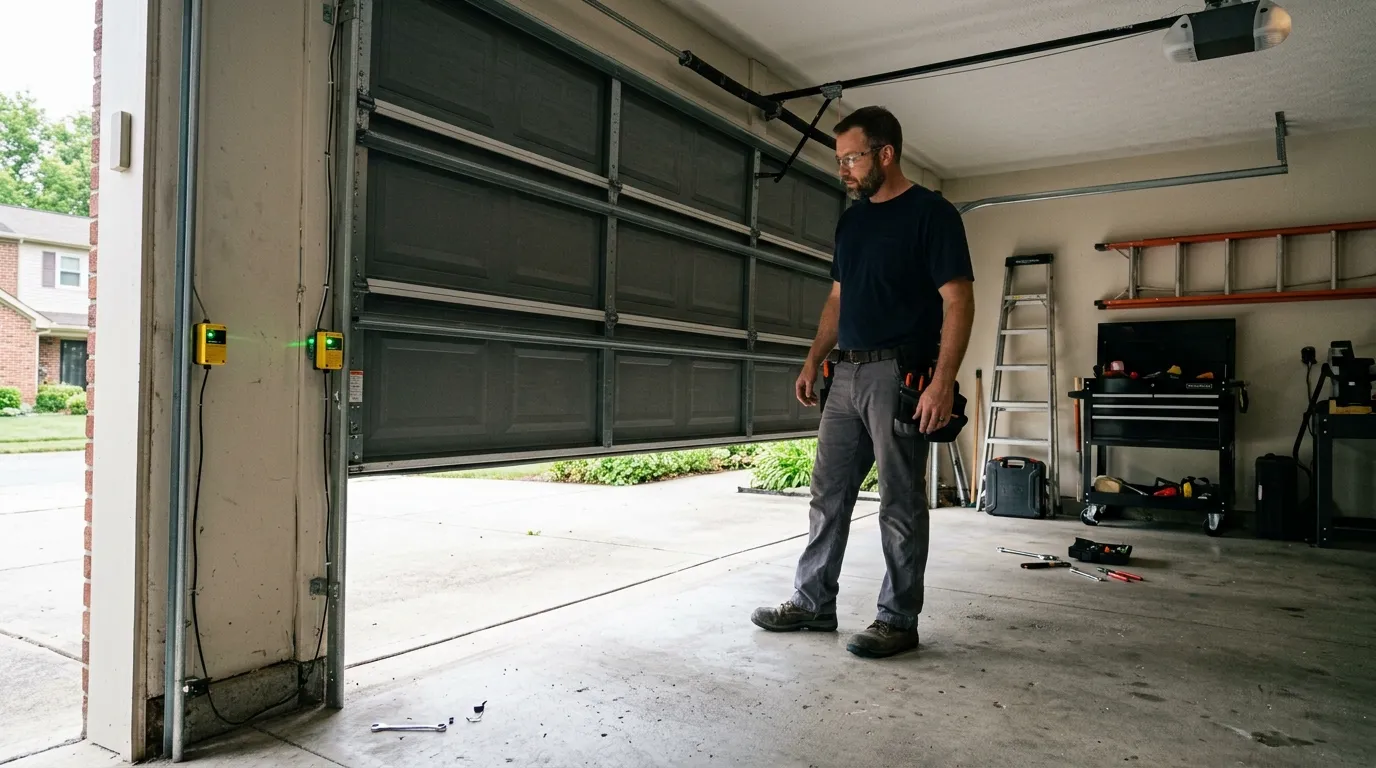
Because the town is small, a new door install isn't a walk-up-and-swap job the way it might be in a denser suburb. We measure the opening, confirm the panel width and headroom, and order the door to spec before we schedule the install day itself. On a garage built to 1989-era openings, that measuring step catches oddities early - a slightly wider bay, a low header, track clearance that doesn't match a big-box stock size - so the crew isn't improvising on site.
We won't tell you a number of days, because we don't have a lead time figure to give you and inventing one is worse than saying nothing. What we can tell you is that the trip itself is a known quantity: one visit to measure, one visit to install, both coming from Lincolnwood.
How It Shows Up
A garage built around 1989 is old enough that its original door is likely near or past the end of its service life, but young enough that it probably isn't the older side-mounted torsion setup you'd find in housing from the 1940s through 60s across the rest of the service area. What we see instead: single-layer steel sections that have started to oil-can or dent along the bottom panel, torsion springs that were sized for a lighter door than what's on the track now if a panel swap happened somewhere along the way, and hardware that's original to the house and simply worn out from three decades of daily cycles.
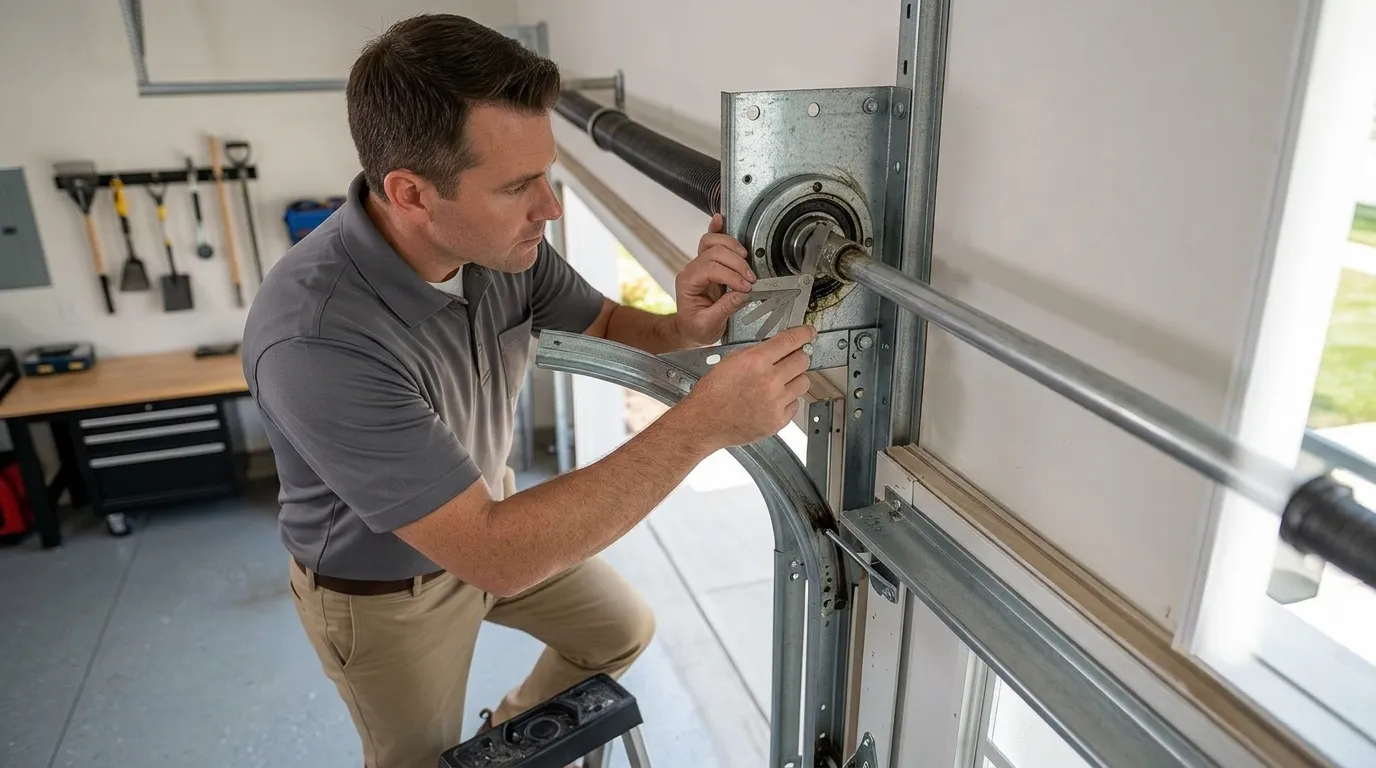
Given the median household income here - $235,368, well above the broader service area - a lot of these garages are also larger than standard, sometimes housing more than two vehicles or extra storage, which means the doors are wider and heavier than a stock 16-footer. That changes spring sizing and opener horsepower needs on a new install; it's not a detail you can skip.
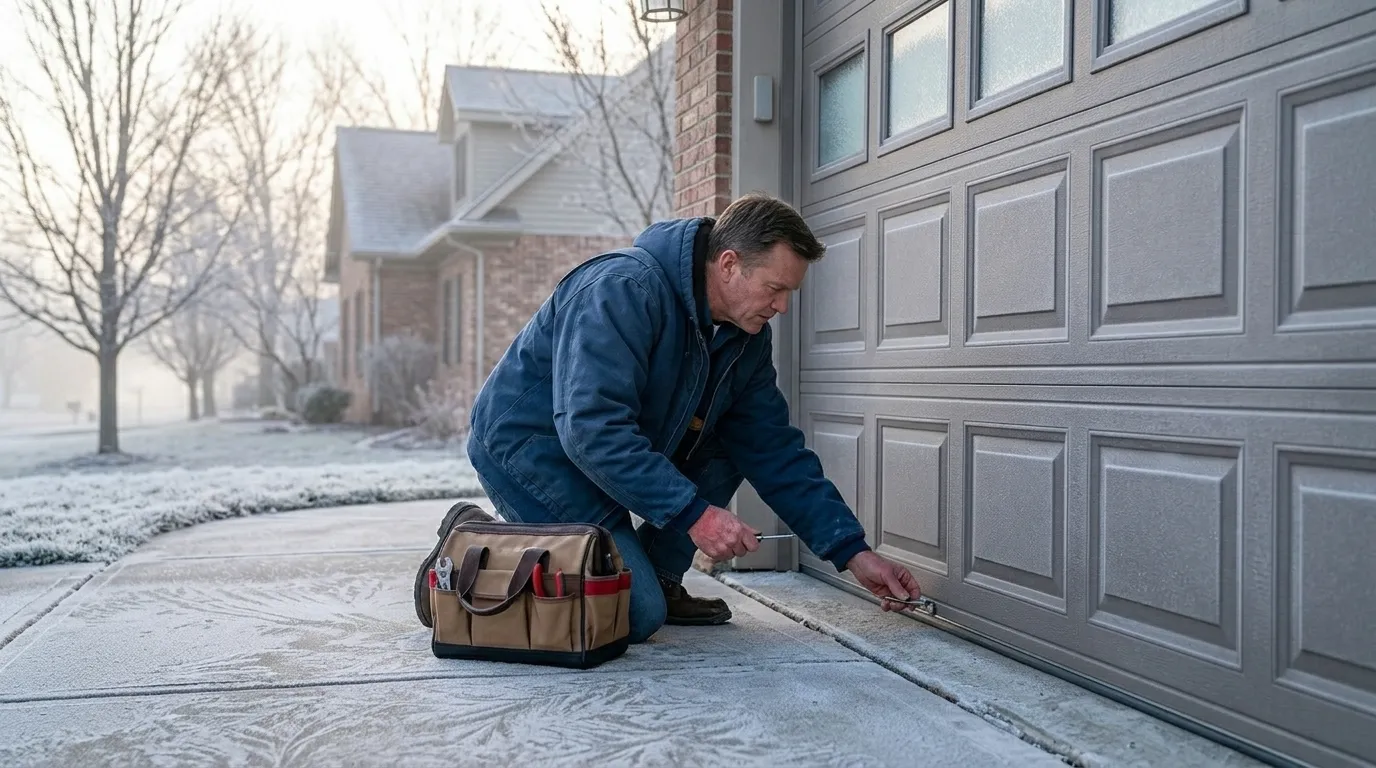
Cold-weather symptoms show up too: an opener straining on winter mornings, a door that won't seal at the bottom in freezing temps, daylight visible along the edges once weatherstripping has hardened and cracked.
What Is on the Truck
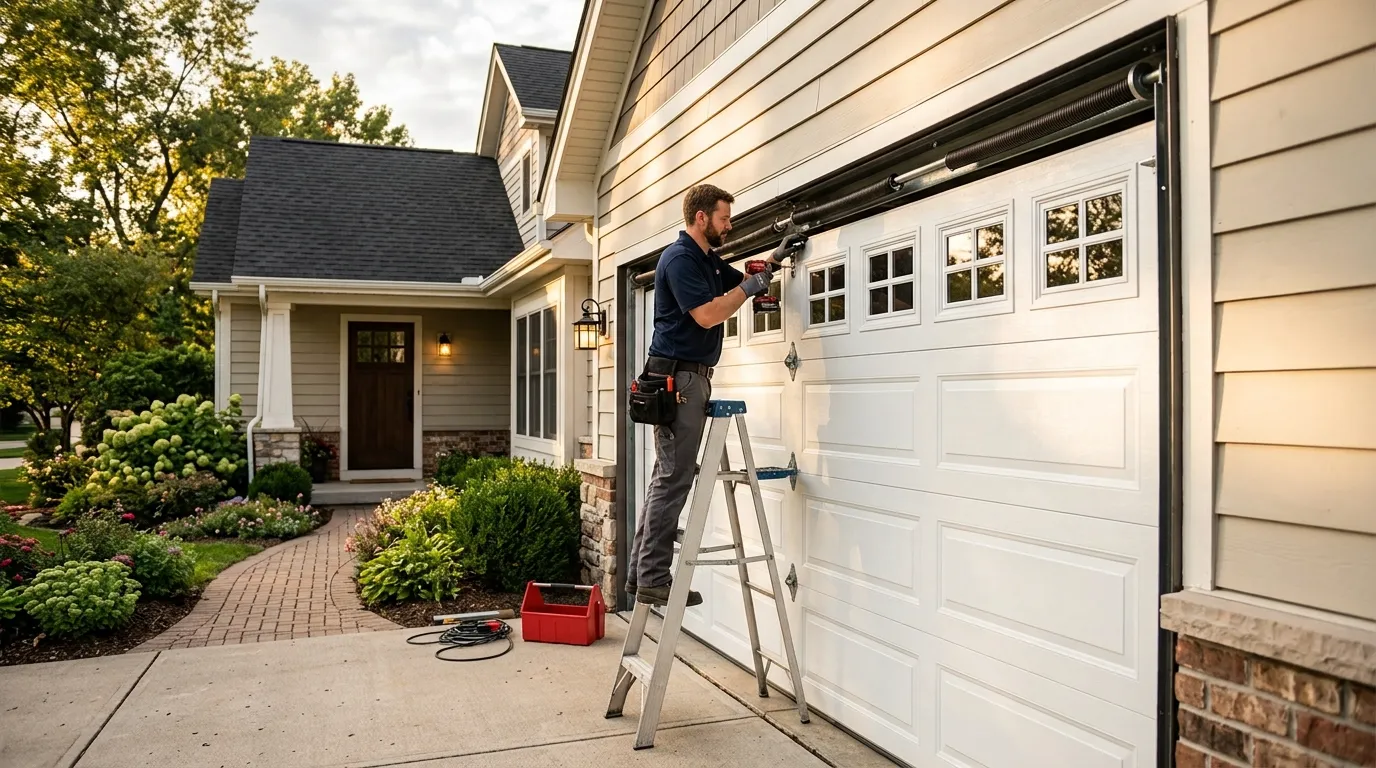
For a cold-climate install we carry insulated steel sections rated for the temperature swings this area sees, torsion springs in a range of wire sizes and lengths to match door weight rather than guessing at one standard spring, and both standard-lift and high-lift track hardware depending on ceiling height.
We stock common opener horsepower ratings for two-car and oversized doors, plus the weatherstripping and bottom seals suited to a cold, moderate climate rather than a mild one. What we don't carry as stock is every custom width a larger, non-standard garage might need - if your opening is wider than a typical two-car bay, that panel gets special-ordered to the measurement we take on site, and we'll say so upfront rather than promise a same-day swap we can't deliver.
Because we're traveling the roughly 19 miles from Lincolnwood rather than running a local yard, we load the truck for the specific job before we leave, based on the measurements from the first visit. That's the honest tradeoff of covering a town this size without a branch in it: fewer surprises on install day, but two visits instead of one.