The Cost of This Job
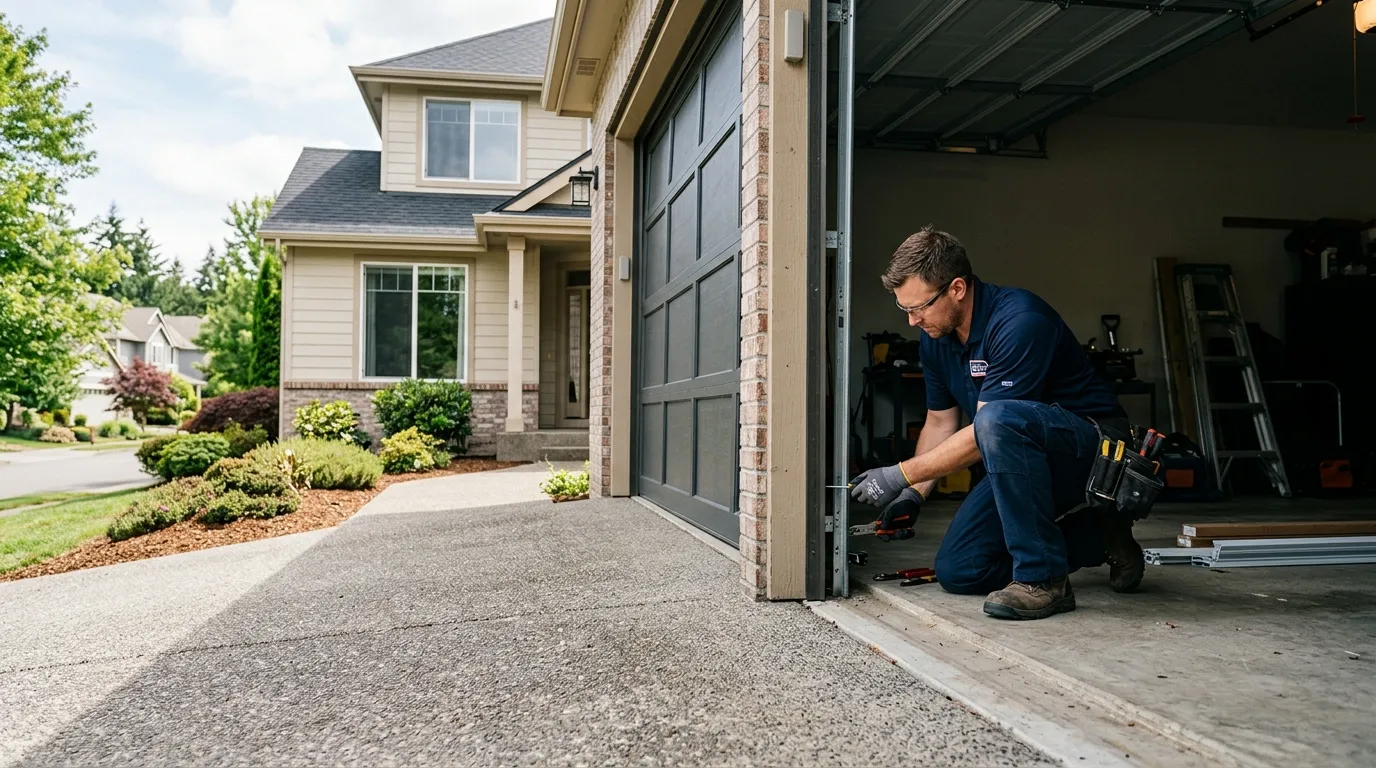
Oak Brook sits apart from most of what we cover out of Lincolnwood in one way that matters before we even talk price: the median home here dates to 1978, seventeen years newer than the 1961 median across the rest of the area. That gap changes what's actually wrong with the door and what it takes to fix it.
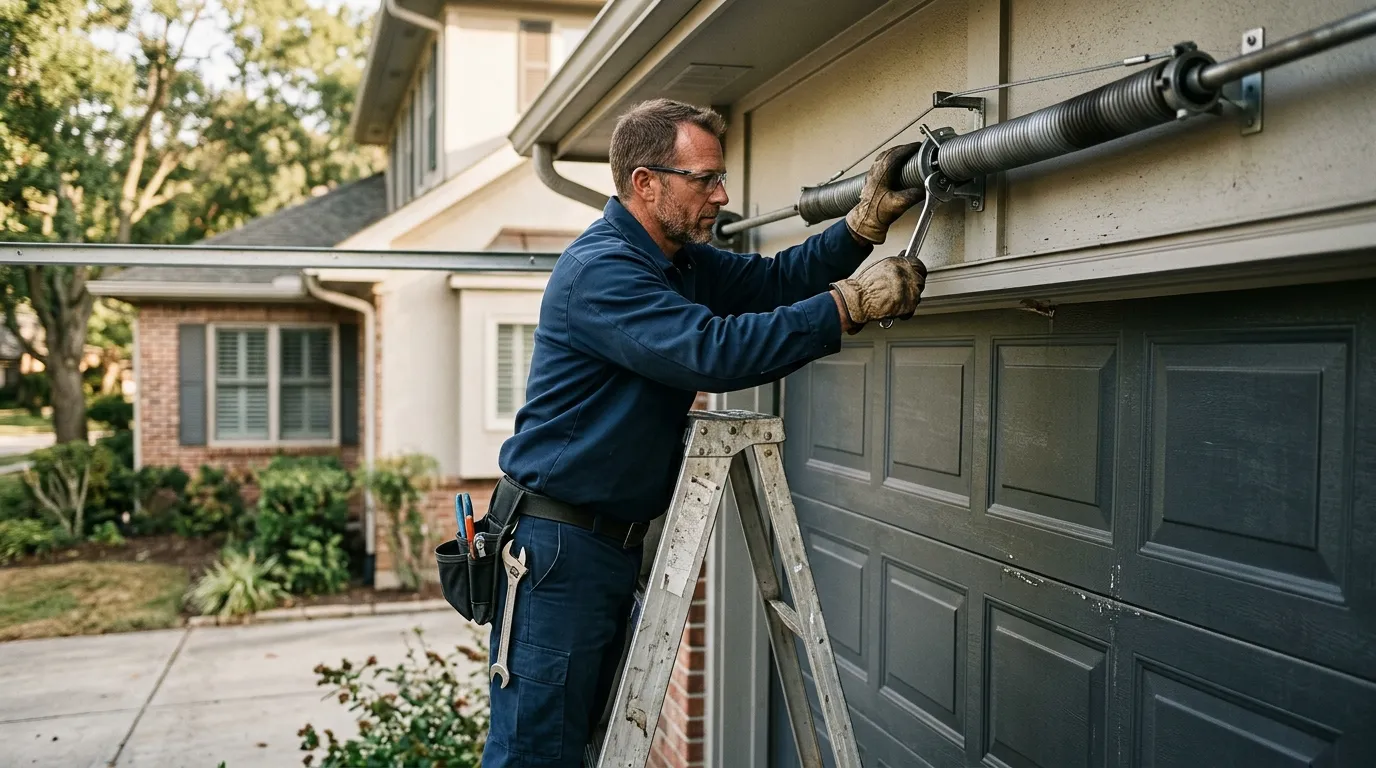
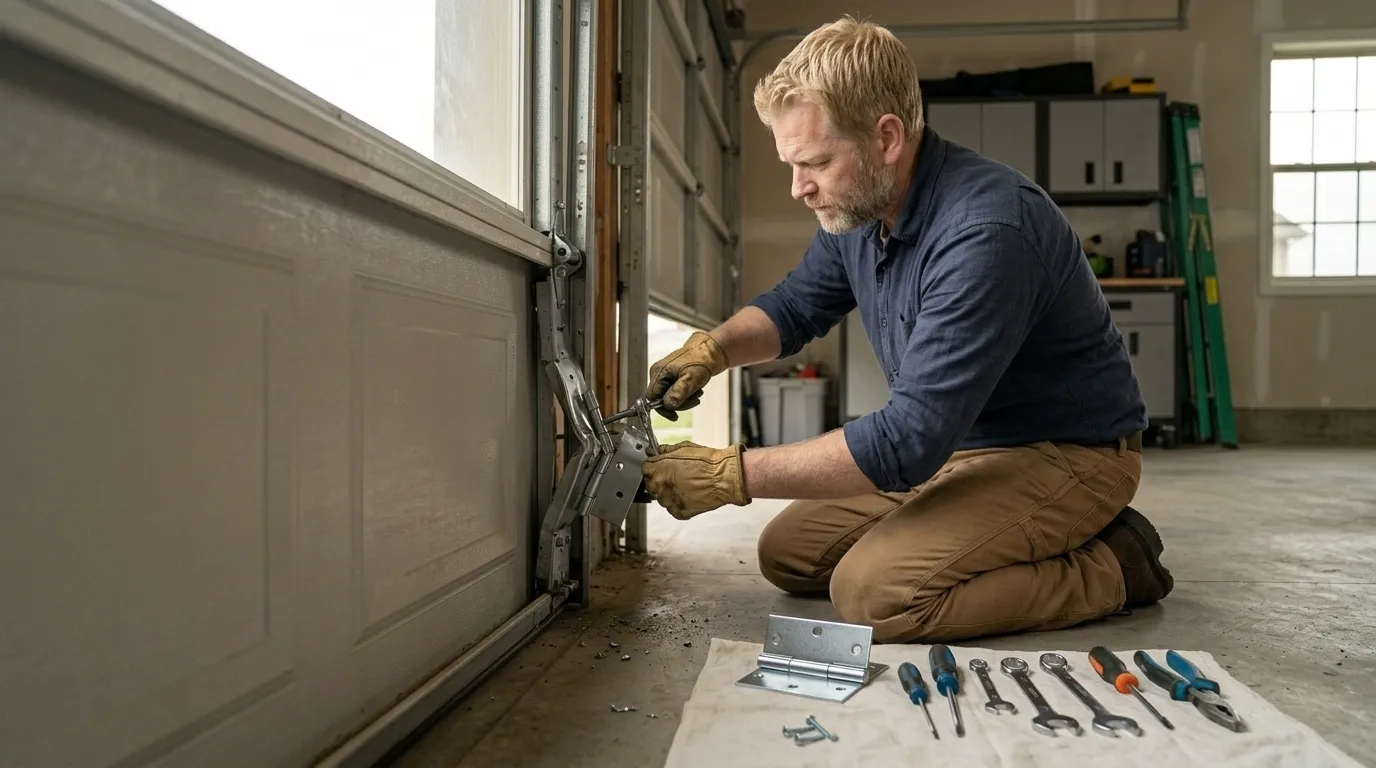
A house built in 1978 almost always came with a steel sectional door on torsion spring hardware from the start - not the older side-mounted extension setups you find on pre-1960s stock closer to Lincinwood. That's good news in one sense: torsion parts are still made, and a spring swap or cable replacement on that hardware is a straightforward job with parts on the truck, not a special order.
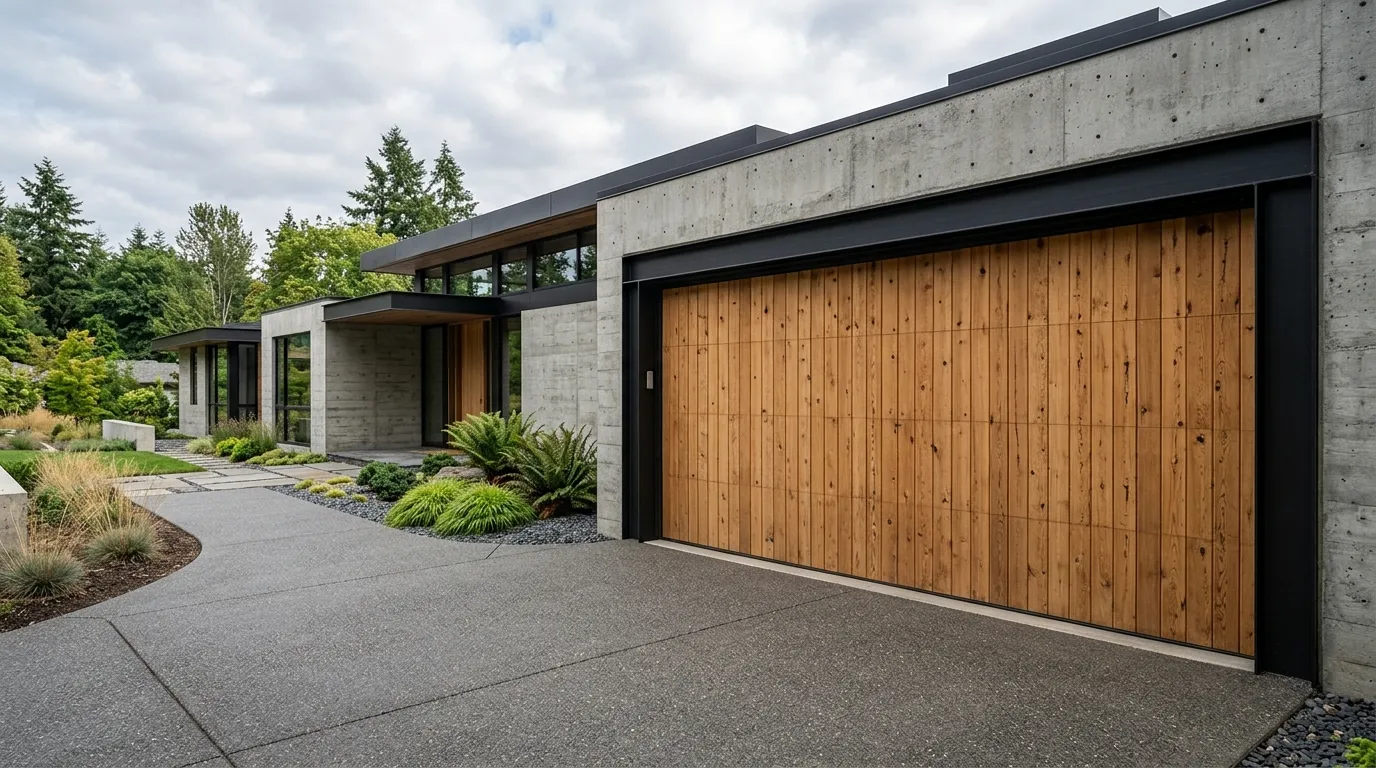
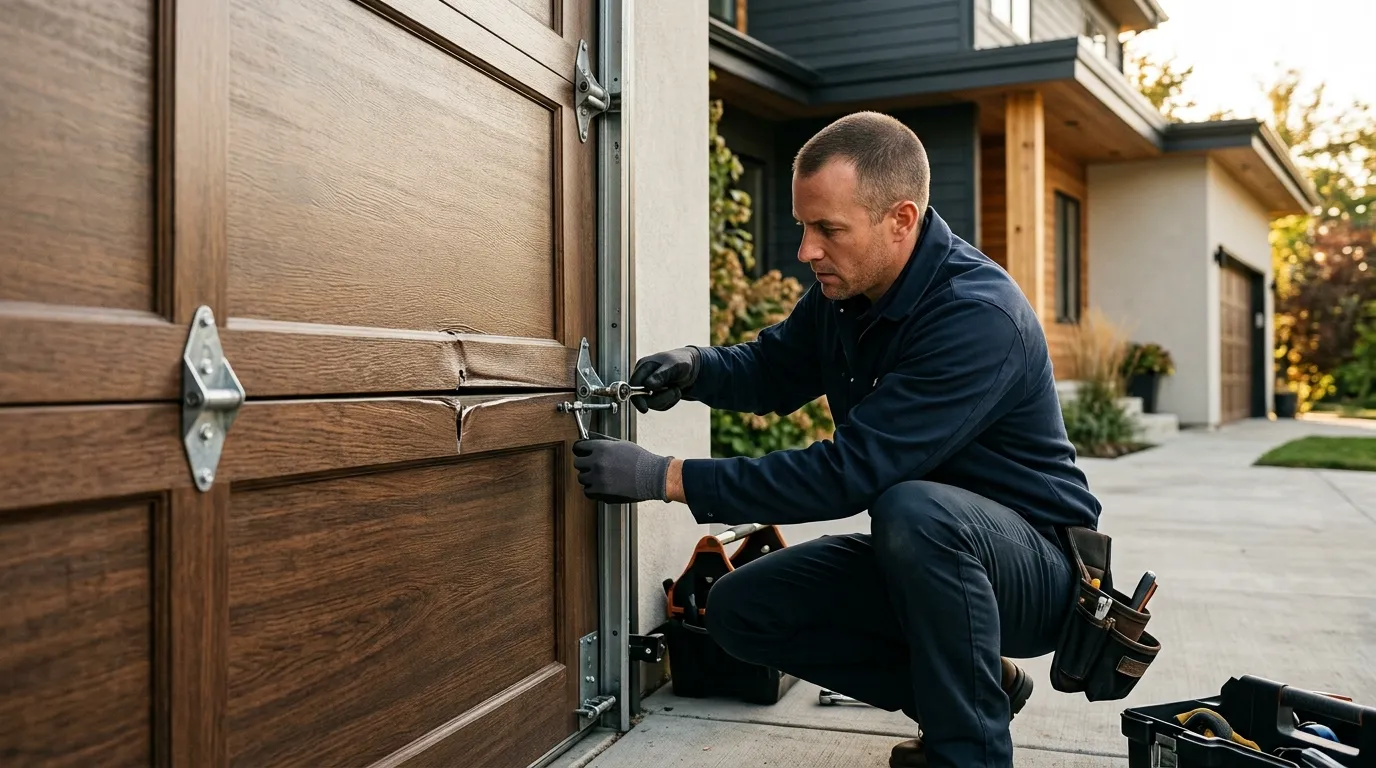
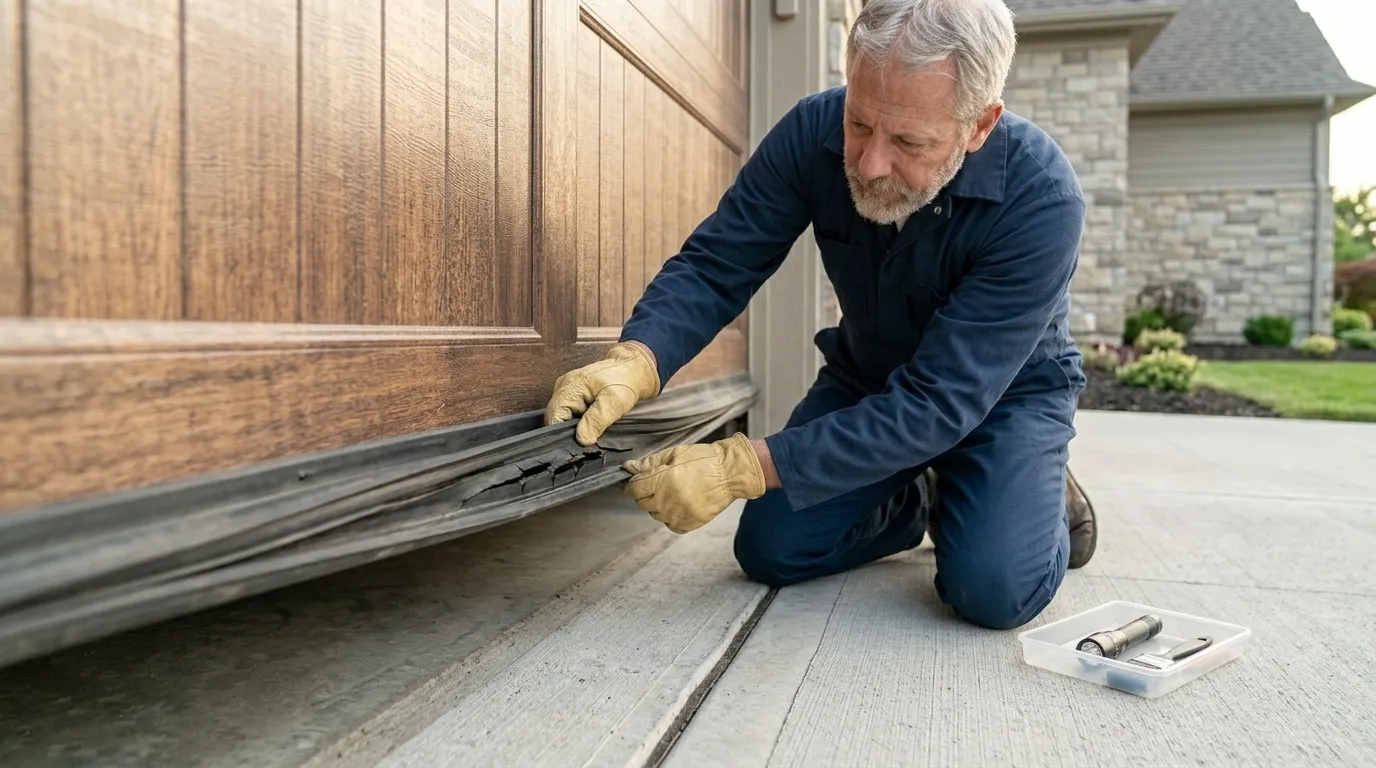
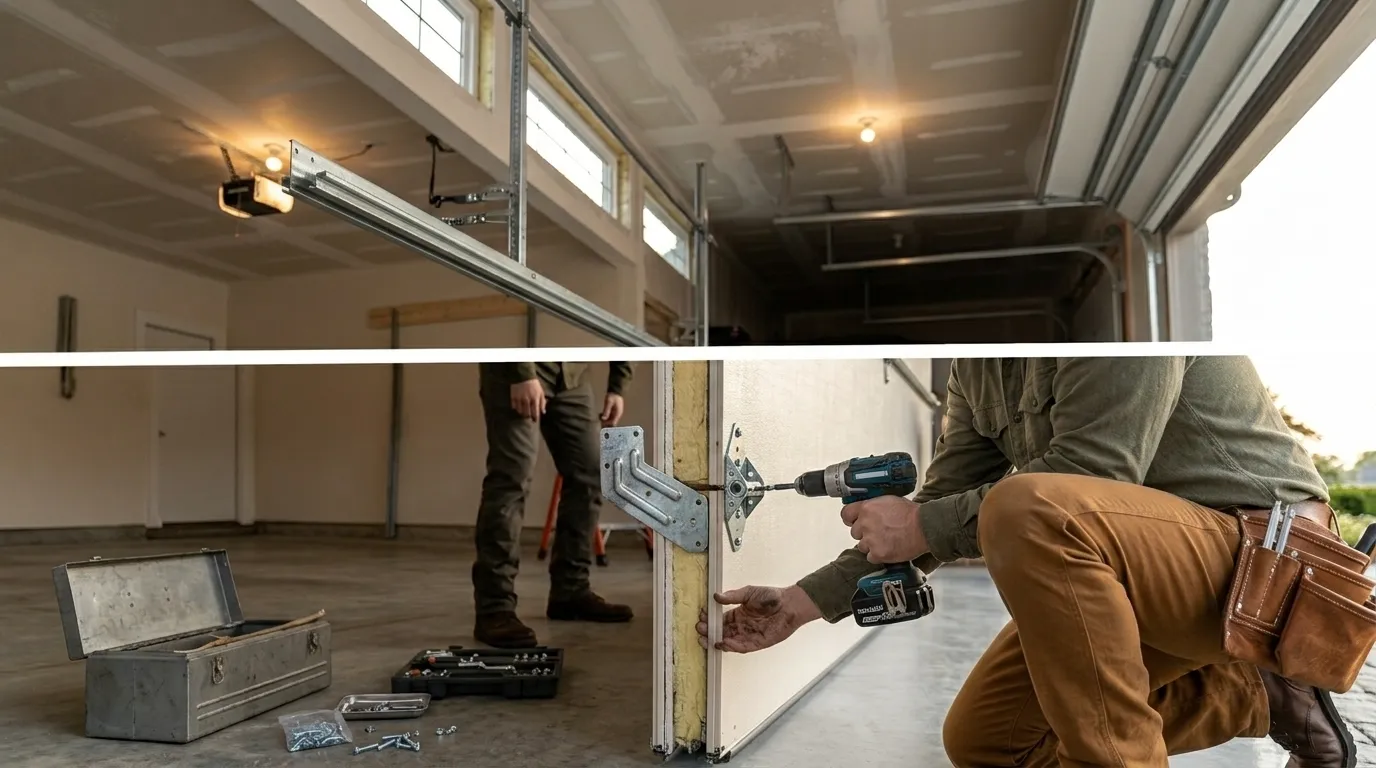
What drives cost up here isn't the hardware era, it's what's attached to it. Homes at this income level ($171,123 median) tend to have upgraded to insulated steel or composite doors somewhere along the way, and those replacement panels cost more than the builder-grade steel they started with. We can't quote a number without seeing the door - panel style, window inserts, and opener compatibility all move the price - but we won't tell you a torsion spring job costs the same as a full door swap, because it doesn't.
The honest limit: if a panel on an upgraded door is discontinued, we're sourcing a match, not guaranteeing an exact one.
Why This Fails Locally
The failure pattern in Oak Brook tracks its build year. A door installed around 1978, even if it's been replaced once since, is old enough now that the original torsion springs - rated for roughly 10,000 cycles - are well past due, whether or not the door shows it yet. Torsion springs don't usually announce themselves; they let go on a Tuesday morning with no warning.
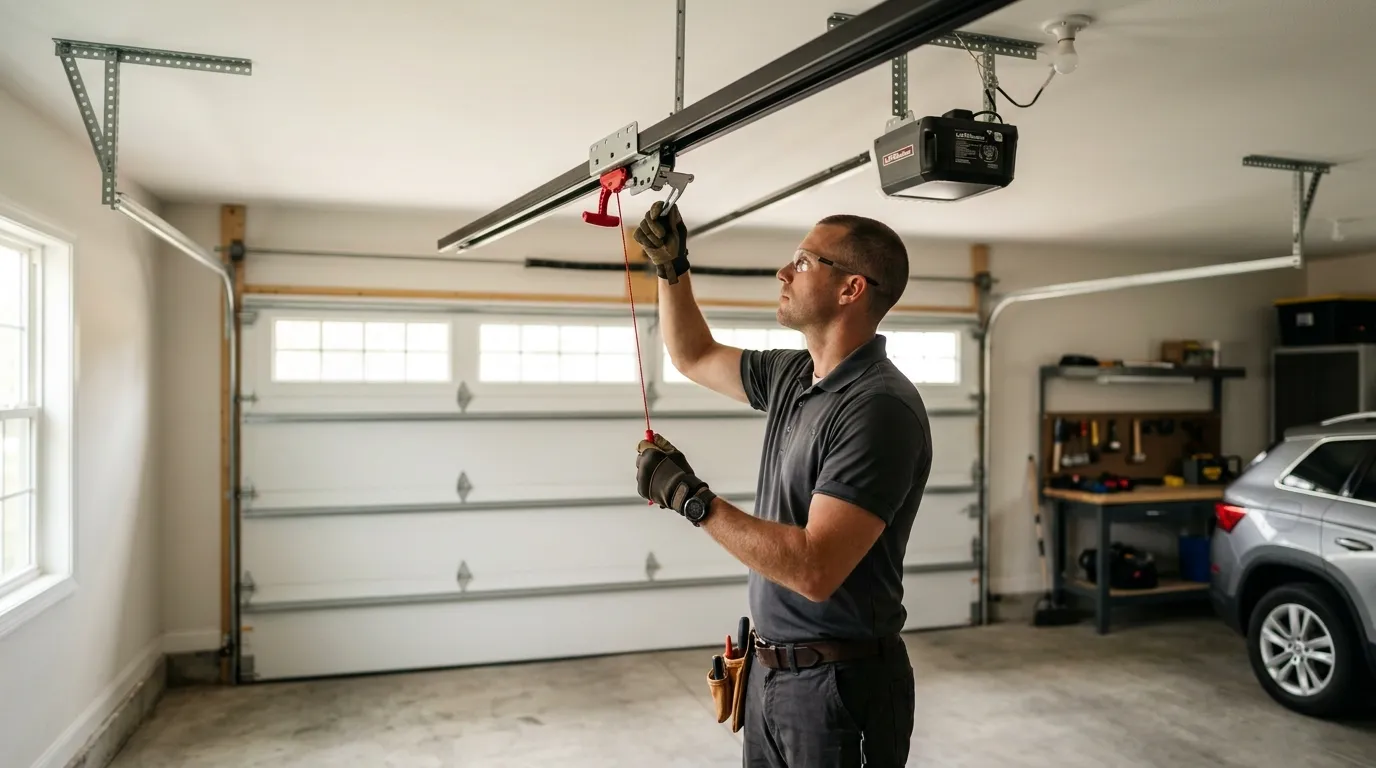
What we don't see as much here, compared to the 1938-1961 stock elsewhere in the area, is the older extension-spring failure mode: frayed pulley cables, exposed springs snapping loose along the horizontal track. That's a pre-1960s problem. Oak Brook's later build year means torsion hardware overhead, cleaner tracks, and a different diagnostic starting point - we check the torsion bar and drums first, not the side rails.
The other local factor is the climate band this whole area sits in - cold, moderate winters that stress spring steel through repeated freeze-thaw cycling. That's not unique to Oak Brook, it's true of the region we cover from Lincolnwood, but it compounds the age issue: a 45-year-old torsion spring that's cycled through that many winters is a spring on borrowed time, not a spring that's simply old on paper.
How Long You Are Without the Door
We're honest about one thing upfront: Oak Brook is 16 miles from Lincolnwood, and we don't run a second shop there. Every job here is a truck coming from our base, not a crew already in the neighborhood. That distance doesn't change what we can fix, but it does mean we're not the outfit that can swing by in twenty minutes because we were already three streets over.
What that means practically: if your door is stuck open and the house is in Oak Brook, we plan the visit around the drive, not around it being close. For a stuck-open door in cold-band winter conditions, that's a real consideration - an open bay in freezing weather isn't a wait-and-see situation the way a cosmetic dent is.
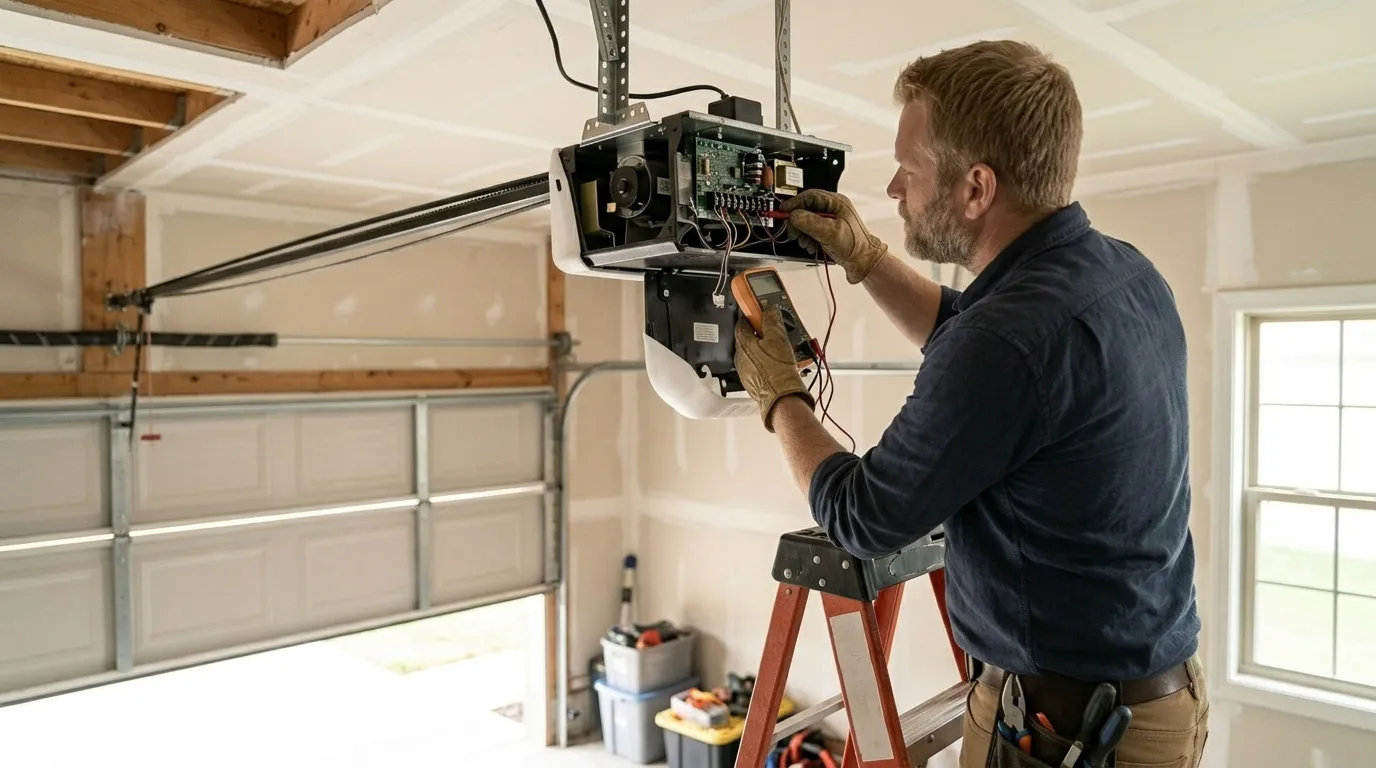
We don't publish a fixed response window for Oak Brook specifically, because we haven't been given one to promise, and we'd rather tell you that than invent a number. What we can tell you is that a torsion spring job, once we're on site with the right spring rated for your door, typically wraps in a single visit - it's the getting-there that's the variable, not the repair itself.