
Answers Before You Call: Lincolnwood Garage Door Pros
Find the phone number, address, and hours for Lincolnwood Garage Door Pros, who does the repair work, which nearby areas we cover, and what jobs we take on.
How fast can someone get to my house?
We don't have a fixed response-time number to give you here, so ask when you call - it depends on where you are in the service area and what's already on the schedule that day. Describing the problem clearly on the phone helps us tell you sooner rather than later.
Do you work on openers or just the door itself?
Both. A lot of calls turn out to be the opener rather than the door - a motor that runs but doesn't lift, a remote that's stopped syncing, or a unit added years after the original door went in. We work on the opener, the track, and the door itself as separate problems that sometimes show up together.
My house is older - does that matter for parts?
It can. Houses in this area were mostly built between 1938 and 1994, median around 1961, and older torsion hardware and panel sizes aren't always something you can grab off a current shelf. We'll tell you on-site if a part needs sourcing rather than promise it's a same-visit fix when it isn't.
Is it ever not worth repairing the door?
Yes. A badly rusted or split bottom panel, or a door where the track and frame have both bent from the same impact, is sometimes cheaper and safer to replace than patch. We'll say that plainly instead of billing for a repair that won't hold.
Do you cover areas outside Lincolnwood itself?
Yes, within a range - closer areas like a couple miles out, and further ones like Oak Brook in the teens of miles. If you're toward the far end, mention that up front so we can plan the visit.
How to Reach Us
Call (224) 353-7699 to talk to someone about a broken spring, a door that won't open, or a noisy opener. The shop is at 7080 N McCormick Blvd, Lincolnwood, IL 60712, and calls from that address cover the surrounding blocks first before we route further out.
If you're trying to figure out whether we're close enough to bother calling, use the distance list below as a rough gauge - we run jobs from a couple miles out in neighborhoods like up through areas ten-plus miles away. If you're inside that range, call rather than search around for someone else; we can usually tell you over the phone whether a repair is worth scheduling or whether the door needs a full look first.
We don't run a storefront where you walk in and browse parts - this is a phone call, a scheduled visit, and a truck showing up with the parts for the job you described. If you don't know what's wrong, that's fine. Describe the noise, the way the door hangs, or when it stopped moving, and we'll narrow it down before anyone drives out.
Call and tell us what it’s doing
(224) 353-7699 - describe the symptom and roughly where you are.
Or send it in writing
Use the request form if it’s easier than talking.
We diagnose on site
A technician tests the door under power and by hand before anything is quoted or replaced.
You approve the plan
You hear what failed and what it takes to fix it - the work starts only after that.
Who Does the Work
The person who answers the phone is not the person swinging a wrench on your torsion spring - the people who show up at the house are the ones doing the repair, and they're the ones who'll tell you straight whether a part is worth replacing or whether the whole door has reached the end of its run.
Given that most houses in this area were built between 1938 and 1994, with the median landing around 1961, a lot of the doors we're called out on are original hardware from that build era - side-mounted torsion setups, older extension spring configurations, panels that don't match anything on a current shelf. That's a different job than swapping a part on a door installed five years ago, and it changes what tools go on the truck.
We're not going to claim a certification number or a founding year here, because that's not something we're putting on this page. What we can tell you is what shows up at the door: someone who works on springs, openers, tracks, cables, rollers, and panels, and who has seen the specific mix of older torsion hardware and newer opener retrofits that comes with housing stock this age.
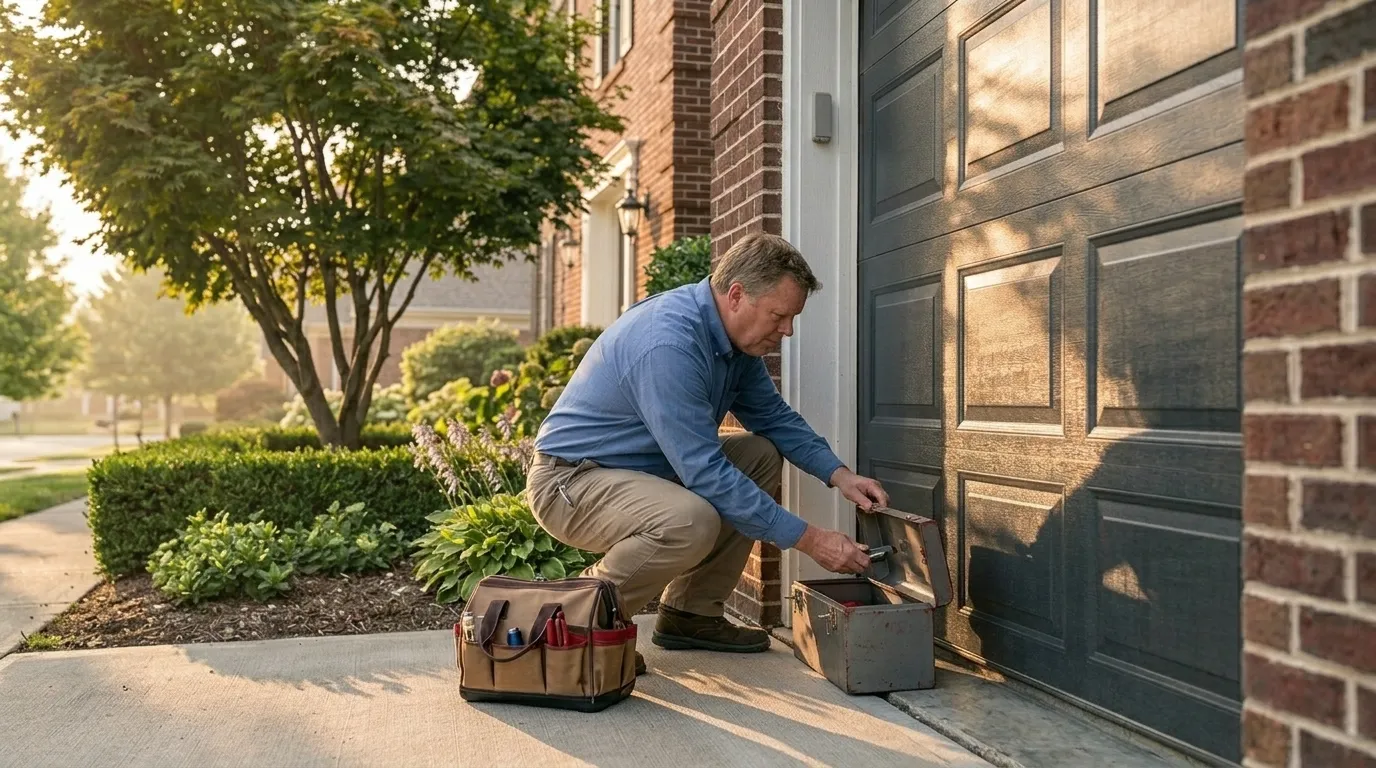
The Areas We Cover
Lincolnwood sits close to a cluster of areas we get called into regularly. is about 4 miles out around 5, Winnetka all sit in the 6-to-7-mile range. run about 8 miles and Glencoe closer to 9.
Closer in is roughly 2 miles south, with about 2 miles to the west-southwest 2 miles east-southeast 2 miles southwest. string out from 3 to 6 miles to the south and southeast.
Further out - and Oak Brook - sit anywhere from 10 to 16 miles away. We'll take those calls, but if you're at the far end of that range, tell us up front so we can plan the trip.
Across that whole spread, the housing is fairly consistent: mostly 1960s and 70s construction, which means a lot of the doors and openers we run into share the same quirks.
What We Actually Do
Springs first, usually - a broken torsion spring on a double door is the single most common reason the phone rings. After that: openers that grind, stick, or stop responding, tracks that have bent or pulled loose, cables that have frayed, rollers that have worn through, and panels that have taken a hit and no longer sit flush.
Winters here sit in a cold climate band, and steel torsion springs lose some tension tolerance in sustained cold, which is part of why late-season spring failures aren't unusual on older doors. We work on that hardware, and we work on the openers people add later to doors that never had one.
What we don't do: we're not going to talk you into a full replacement when a $40 roller and an hour of labor solves the problem, and we're not going to pretend a door with a cracked, split, or badly rusted bottom panel is a quick fix - sometimes replacement really is the honest answer, and we'll say so instead of billing you for a patch. With 52,848 owner-occupied houses and 104,270 households across the service area, we see the same handful of failure patterns often enough to know which is which before we're halfway through describing the noise on the phone.
Garage Door Services
Repair and installation work for Lincolnwood homes and businesses.
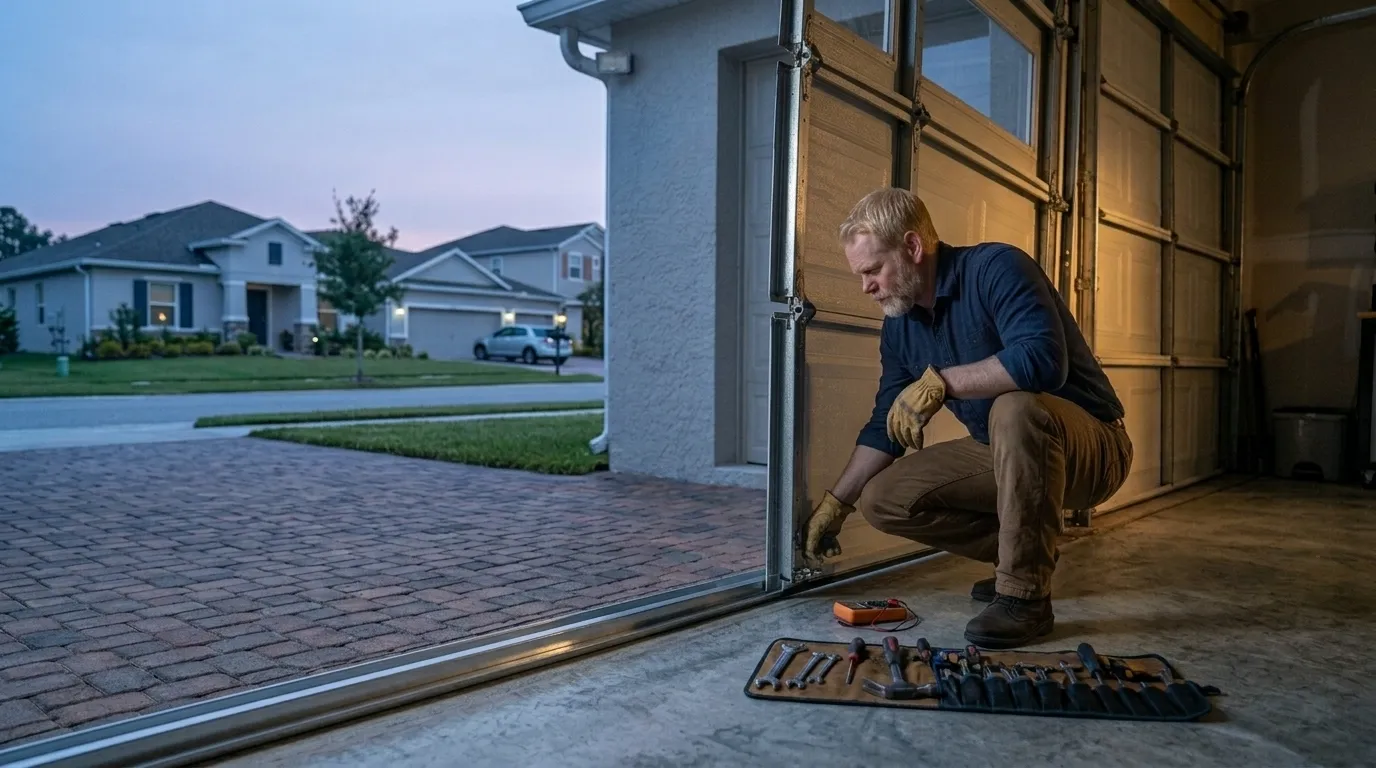
Garage Door Repair
Garage door repair for Lincolnwood homes built between 1938 and 1994, where original torsion hardware and cold-weather spring fatigue are the most common calls.
Learn more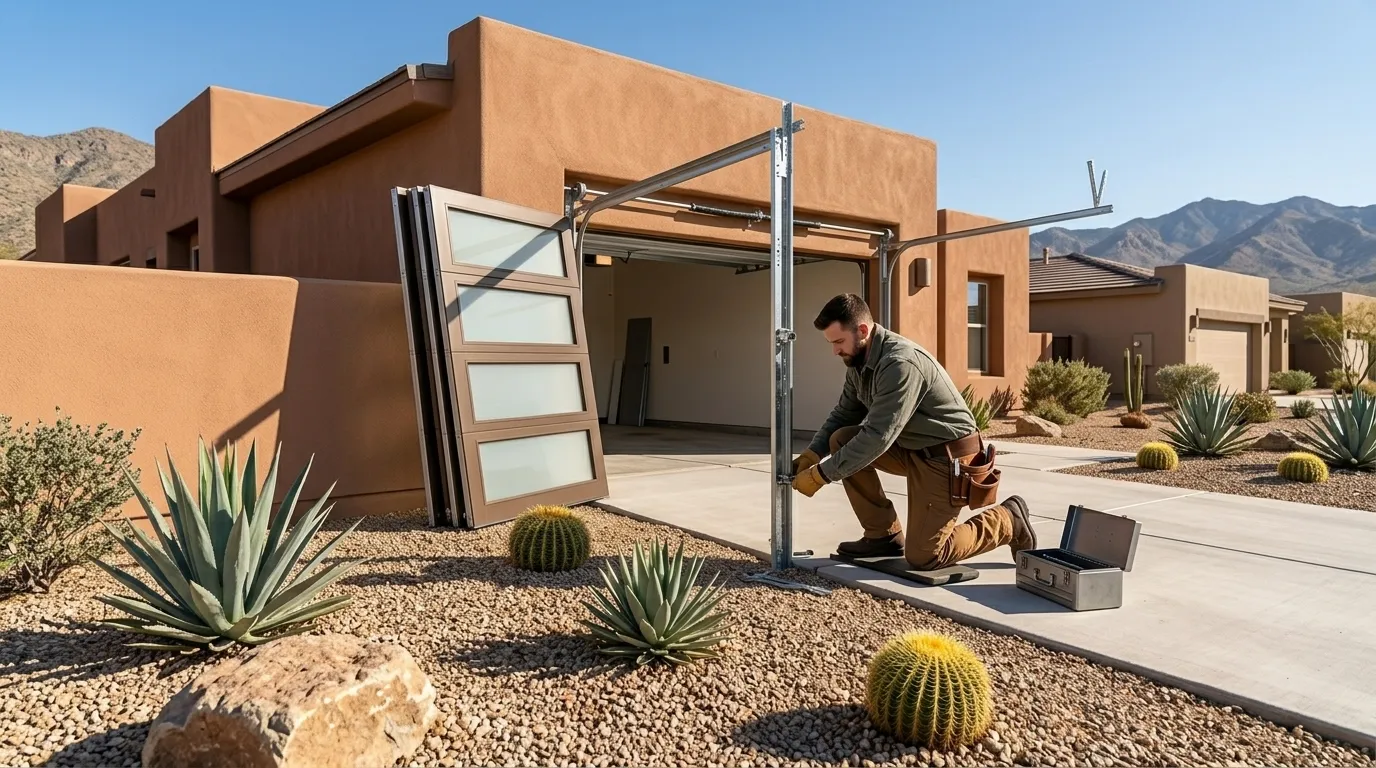
Garage Door Installation
Garage door installation built for Lincolnwood's 1938-1994 housing stock and cold winters. Lincolnwood Garage Door Pros explains what fails and why, and how we handle it.
Learn more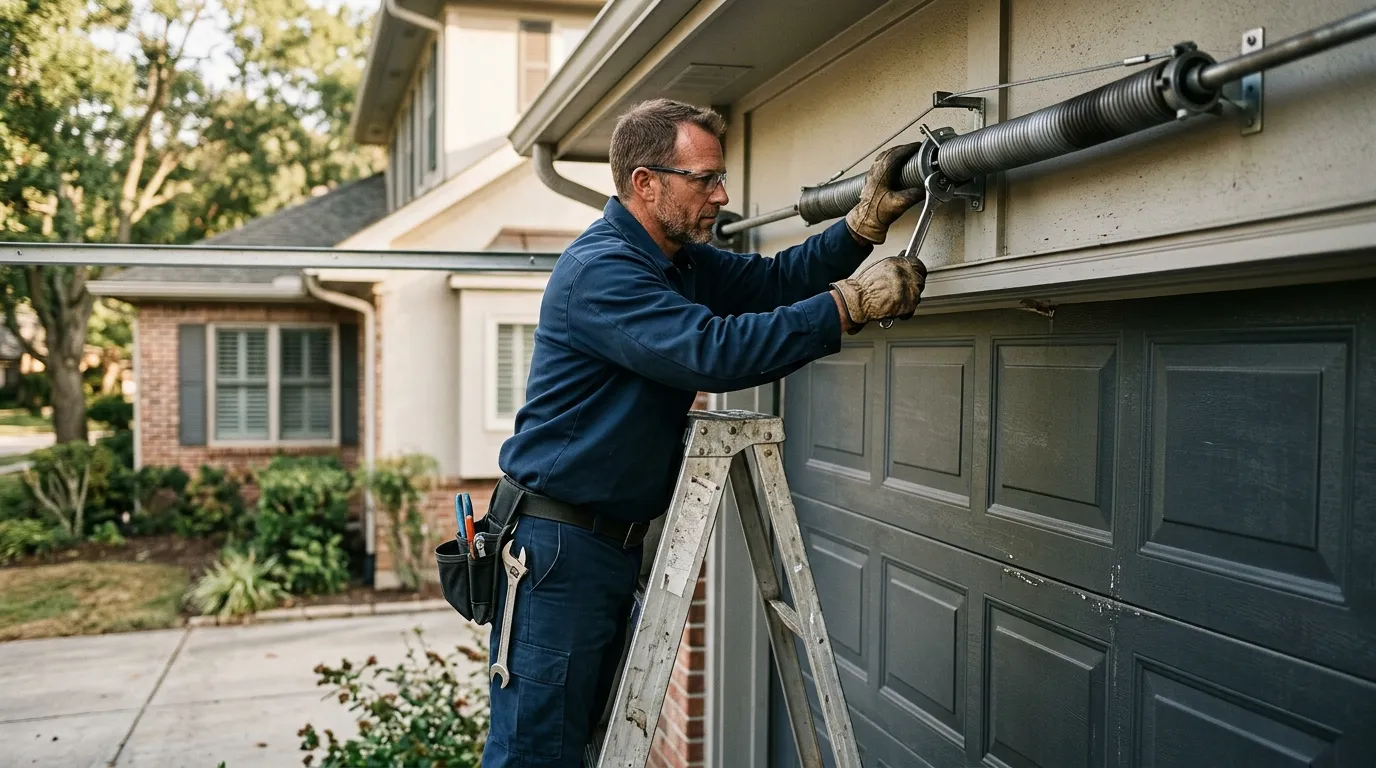
Garage Door Service
Lincolnwood homes built mostly between 1938 and 1994 show the same spring and track wear from cold-climate cycling. We know the pattern and what it takes to fix.
Learn more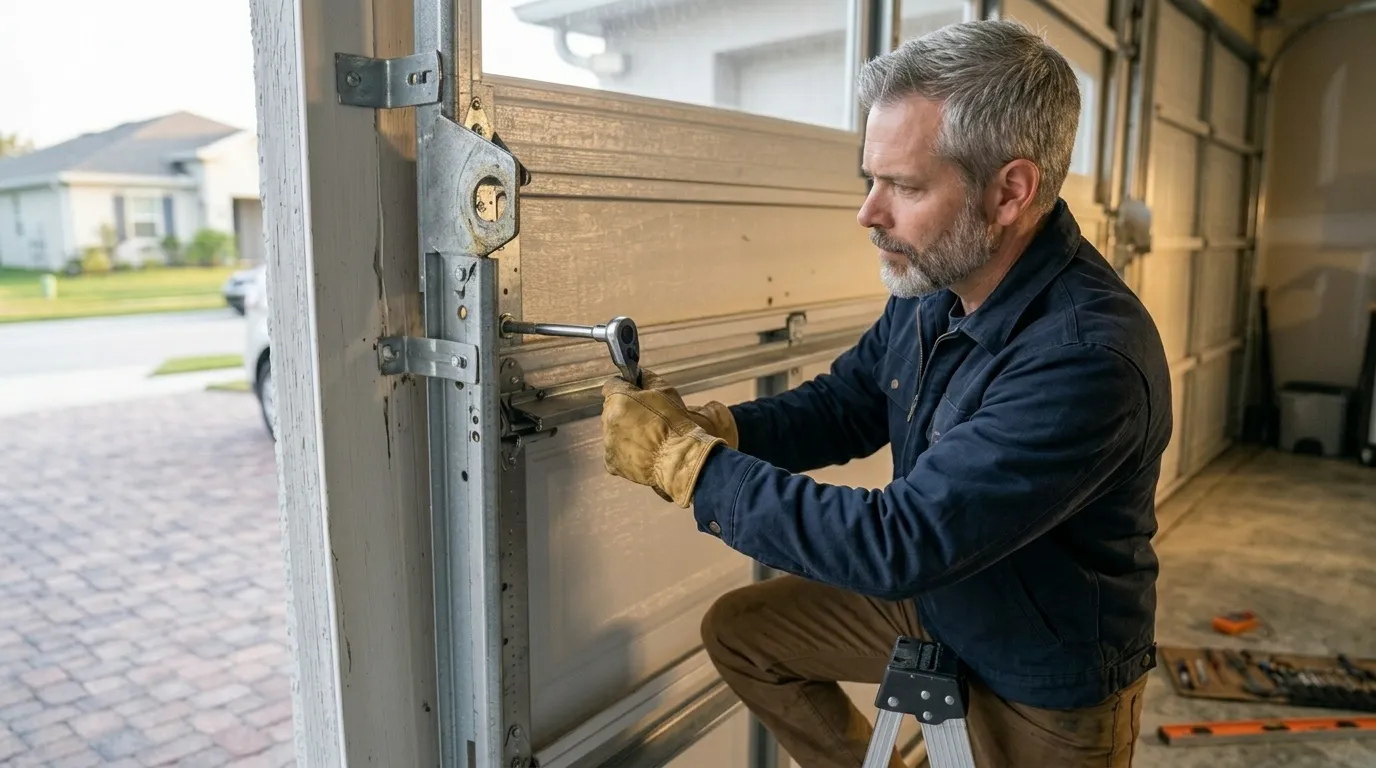
Spring Repair
Torsion springs on Lincolnwood's 1960s-era doors wear out on a schedule tied to the housing stock and cold winters. Same service area, straight answers on repair.
Learn more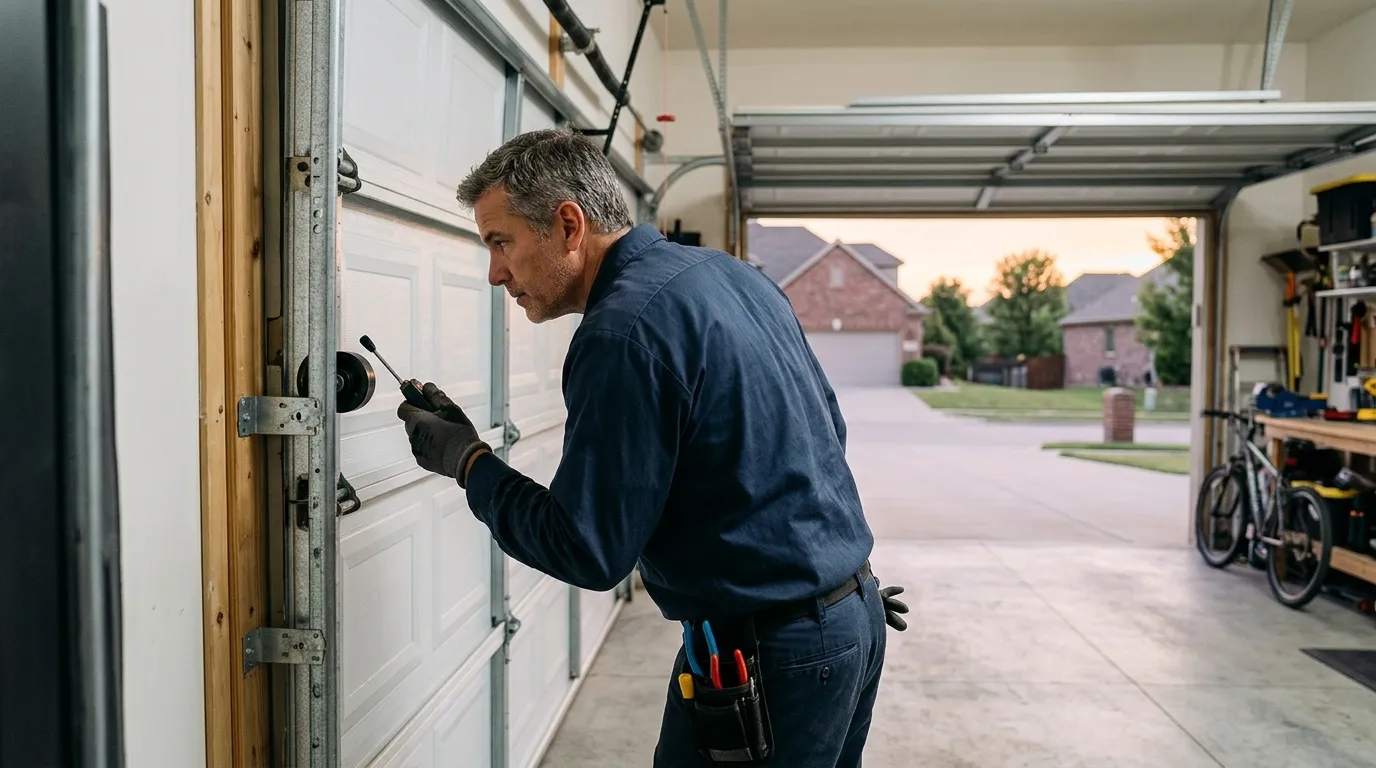
Off-Track Repair
Off track garage doors are common in Lincolnwood's 1938-1994 housing stock once original track hardware ages and cold-weather cycling adds stress. Here's why, and what a fix looks like.
Learn more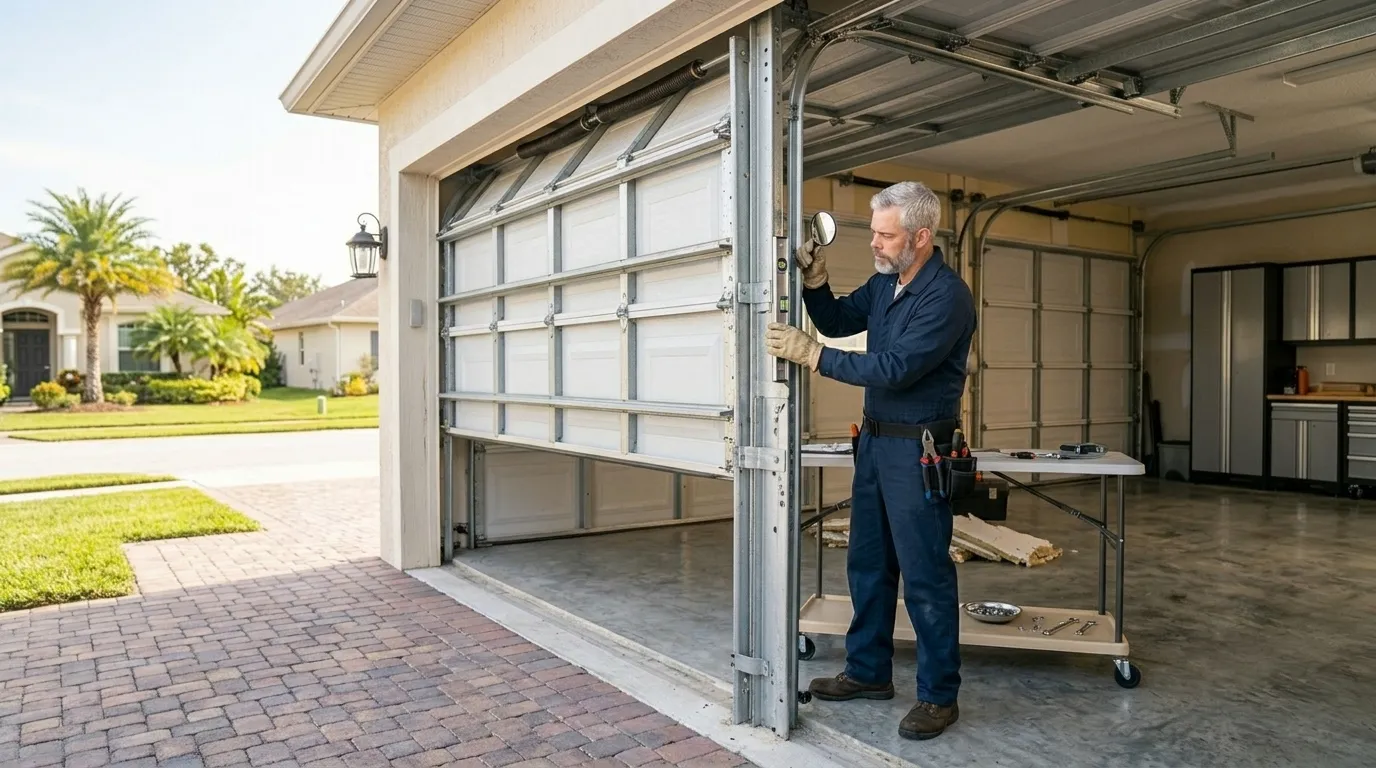
Panel Replacement
Cracked, dented, or rusted garage door panels are common in Lincolnwood's 1960s housing stock. See why panels fail here and what replacement actually runs.
Learn more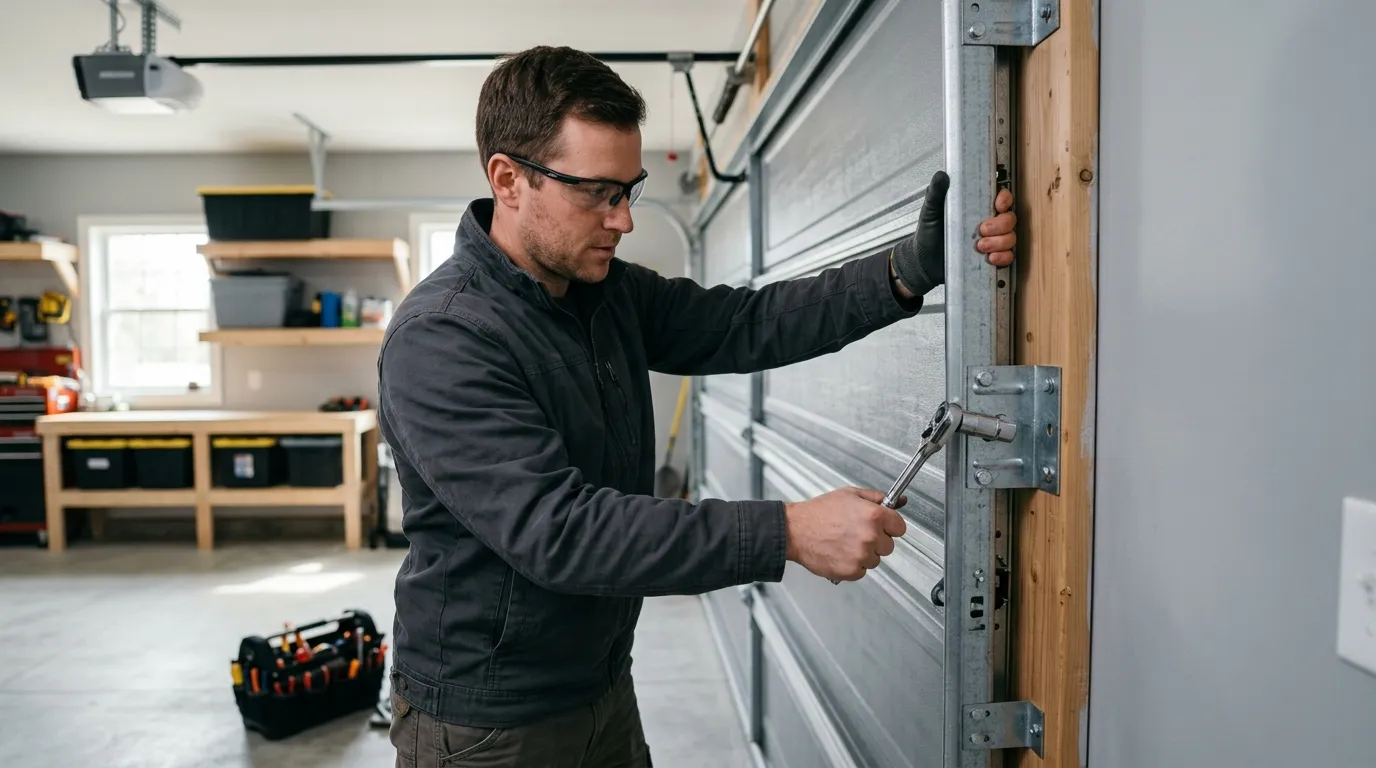
Roller Replacement
Worn rollers on original torsion track are common in Lincolnwood's 1960s housing stock. Here's why, what it costs, and how to book a visit.
Learn more
Maintenance
Seasonal garage door maintenance for Lincolnwood homes built between 1938 and 1994 - spring, cable, and opener checks before cold-weather failures hit.
Learn moreReady to get your garage door sorted?
Tell us what it’s doing and where you are in Lincolnwood - we’ll take it from there.